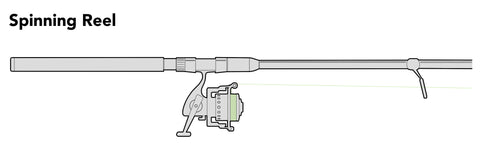
If you love fishing, you know how important it is to have your reel ready to go. But if your fishing line is old, tangled, or just not right, it can ruin your whole day on the water.
Learning how to add line to your fishing reel is easier than you think—and it can make a big difference in your catch. In this guide, you’ll get simple, step-by-step tips to get your reel spooled perfectly every time. Keep reading, and you’ll be back to fishing with confidence in no time.
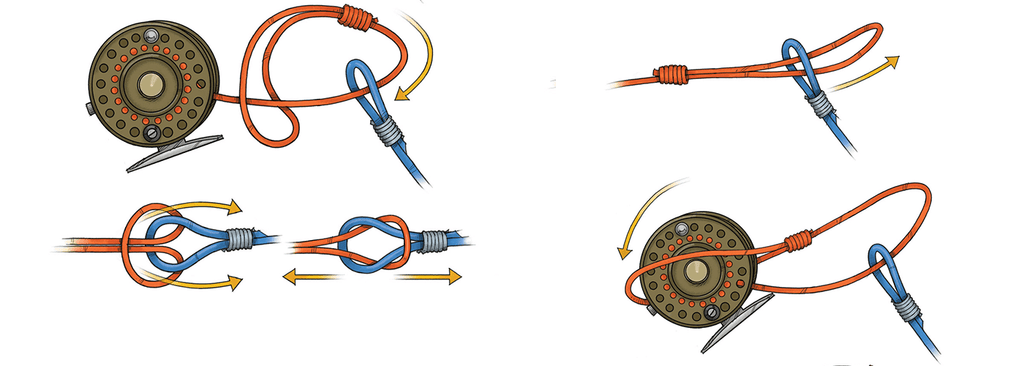
Credit: www.epicflyrods.com
Choosing The Right Fishing Line
Choosing the right fishing line is key to a good fishing experience. The line you pick affects casting, catching, and reel performance.
Different lines work best for different fish and water conditions. Knowing the types helps you make the best choice.
Types Of Fishing Lines
Fishing lines come in three main types. Each has unique features that suit certain fishing styles and conditions.
- Monofilament:This line is flexible and easy to handle. It stretches to absorb shocks.
- Fluorocarbon:It is nearly invisible underwater and resists abrasion well.
- Braid:Braid lines are very strong and thin. They do not stretch much.
Line Strength And Diameter
Line strength shows how much weight the line can hold before breaking. Diameter affects how much line fits on your reel.
| Line Type | Strength Range (lbs) | Diameter Range (inches) |
| Monofilament | 4 – 20 | 0.008 – 0.020 |
| Fluorocarbon | 6 – 30 | 0.009 – 0.018 |
| Braid | 10 – 65 | 0.006 – 0.025 |
Matching Line To Reel Type
Different reels work best with specific line types. Matching them improves casting and line control.
- Spinning Reels:Use monofilament or fluorocarbon for easy casting.
- Baitcasting Reels:Braid lines work well for strength and sensitivity.
- Spincast Reels:Monofilament is best because of its smooth handling.
Preparing Your Reel
Preparing your fishing reel before adding line is important. It helps the reel work smoothly.
Clean and check your reel to avoid problems on the water. Also, choose the right spool size for your needs.
Cleaning The Spool
Remove old line and dirt from the spool. Use a soft cloth to wipe the surface gently.
Make sure no sand or debris remains. This keeps the line from tangling or breaking.
Checking Reel Condition
- Look for cracks or damage on the reel body.
- Check the drag system for smooth operation.
- Test the handle to ensure it turns without resistance.
- Inspect the bail arm to confirm it moves freely.
- Lubricate moving parts lightly if needed.
Selecting The Spool Size
| Spool Size | Line Capacity | Best Use |
|---|---|---|
| Small | 100-150 yards | Light freshwater fishing |
| Medium | 150-250 yards | General purpose fishing |
| Large | 250+ yards | Saltwater or heavy fishing |
Pick a spool size that fits the line you plan to use. This helps with casting and reel balance.
Attaching The Line To The Spool
Attaching the fishing line to the reel spool is the first step to prepare for fishing. You need to secure the line tightly so it does not slip off during casting.
Use a strong knot and make sure the line is properly fixed to avoid problems while fishing. Below are important tips to help you attach the line correctly.
Tying The Arbor Knot
The arbor knot is a simple knot used to tie the line to the spool. It holds the line firmly and prevents slipping. Follow these steps to tie it:
- Wrap the line around the spool’s arbor.
- Tie an overhand knot around the main line.
- Make a second overhand knot at the tag end.
- Pull both knots tight against the spool.
- Trim the excess tag end line.
Securing The Line Properly
After tying the arbor knot, you must secure the line to prevent slippage. Here are the key points to check:
| Check Point | What to Do |
|---|---|
| Tightness | Pull the line firmly to test the knot strength. |
| Line Alignment | Make sure the line lies flat on the spool. |
| Excess Line | Trim tag ends close to the knot. |
| Spool Rotation | Turn the spool slowly to see if the line stays in place. |

Credit: www.youtube.com
Winding The Line
Winding the fishing line on your reel is an important skill. It helps your reel work well and avoid problems during fishing.
Doing it right keeps the line strong and ready for casting. Let’s look at key tips for winding the line properly.
Maintaining Tension
Keep the line tight as you wind it on the reel. This prevents loose loops that can cause tangles.
Use your fingers or a cloth to hold the line firmly. Keep steady pressure while turning the reel handle.
- Hold the line with light but firm grip
- Turn the reel smoothly without stopping
- Check the line tension often as you wind
Avoiding Line Twists
Line twists cause knots and weak spots. To avoid twists, let the line come off the spool correctly.
Make sure the line spool is facing the right way. If you use a spinning reel, the spool should face upwards.
- Use swivel connectors to reduce twists
- Let the line flow freely without tight bends
- Check for twists regularly and fix them early
Filling The Spool Evenly
Fill the spool so the line spreads evenly from side to side. This helps your reel work smoothly.
Do not overfill or underfill the spool. Leave some space at the top to avoid line slipping off.
- Wind line slowly and guide it with your fingers
- Check the line level as you add more
- Stop filling when line is 1/8 inch below spool edge
Final Adjustments
After spooling the line, final adjustments ensure smooth casting and retrieval. These steps help prevent line tangles and enhance fishing experience.
Make sure to complete these essential adjustments before hitting the water. Your setup should be ready for a successful fishing trip.
Trimming Excess Line
Once the reel is loaded, it’s important to trim any excess line. This prevents snags and ensures a neat spool.
- Use sharp scissors for a clean cut
- Leave about 1/8 inch of line beyond the knot
- Dispose of trimmed line responsibly
Checking Line Smoothness
Smooth line movement is critical for casting. Check for any twists or tangles in the line.
Run your fingers along the line to feel for rough spots. Fix any irregularities before proceeding to the next step.
Setting The Drag Correctly
The drag system controls how much resistance a fish feels. Setting it correctly is vital to prevent line breakage.
Test the drag by pulling the line with your hand. Adjust until you achieve the desired resistance. A good rule of thumb is to set it to around one-third of the line’s breaking strength.
Ensure the drag is smooth, allowing line to pull out steadily under tension.
Common Mistakes To Avoid
Adding line to a fishing reel may seem simple. Still, many anglers make errors that cause problems later. Avoiding these mistakes helps your fishing gear work well.
Read these common mistakes and learn how to fix them. This guide will keep your reel smooth and ready for use.
Overfilling The Spool
One common mistake is putting too much line on the spool. Overfilling can cause tangles and knots. It also makes casting harder and can damage the reel.
- Fill the spool to about 1/8 inch below its rim.
- Too much line can cause backlash and bird nests.
- Check the reel’s capacity before adding line.
Loose Line Attachment
Failing to secure the line tightly to the spool is a frequent error. Loose line can slip and cause uneven winding. This leads to poor casting and line damage.
Here is a simple way to tie your line to the spool:
- Pass the line through the spool’s hole.
- Wrap the line around the spool twice.
- Tie a strong knot, like the Arbor knot.
- Pull tight to secure the knot firmly.
Ignoring Line Compatibility
Using the wrong type of line can cause many problems. Some lines do not work well with certain reels. This mismatch reduces performance and can damage the reel parts.
| Reel Type | Recommended Line | Lines to Avoid |
| Spinning Reel | Monofilament, Braid | Heavy Braided Line |
| Baitcasting Reel | Braid, Fluorocarbon | Very Thin Monofilament |
| Fly Reel | Fly Line | Any Other Line |

Credit: n1outdoors.com
Frequently Asked Questions
How Do I Prepare A Fishing Reel For Line Adding?
First, remove old line and clean the reel. Check the spool for damage. This ensures smooth line winding and prevents tangles.
What Type Of Fishing Line Suits My Reel Best?
Choose line based on reel type and fishing method. Monofilament is versatile, braid offers strength, and fluorocarbon is nearly invisible underwater.
How Much Line Should I Put On A Fishing Reel?
Fill the spool to about 1/8 inch below the spool’s rim. Overfilling causes tangles; underfilling reduces casting distance.
How Do I Attach The Fishing Line To The Reel Spool?
Use an arbor knot to tie the line securely around the spool’s center. This prevents slipping during casting and retrieval.
Conclusion
Adding line to your fishing reel is simple and quick. Follow the steps carefully to avoid tangles. Use the right type of line for your fishing needs. Tighten the line properly for smooth casting. Check your reel regularly to keep it working well.
With practice, this task becomes easier and faster. Enjoy your fishing trips with confidence and better gear. Keep learning and improving your skills every time. Happy fishing!