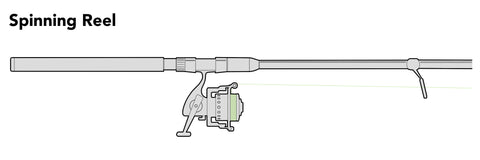
Are you ready to improve your fishing game but unsure how to add line to your fishing reel? Getting this right is crucial for smooth casting and successful catches.
Whether you’re new to fishing or just need a quick refresher, this guide will walk you through every step clearly and simply. By the end, you’ll feel confident handling your reel like a pro, making your next fishing trip more enjoyable and rewarding.
Let’s dive in and get your reel ready for action!
Choose The Right Line
Adding the right line to your fishing reel helps you catch fish better. Choosing the correct line depends on your fishing style and the reel you use.
This guide explains how to pick the best line for your reel and fishing needs.
Types Of Fishing Line
Fishing lines come in different materials. Each type has its own benefits and uses.
- Monofilament:Easy to handle and stretchable. Good for beginners.
- Fluorocarbon:Almost invisible underwater. Best for clear water fishing.
- Braid:Very strong and thin. Great for heavy cover and long casts.
Matching Line To Reel
Your reel type affects which line works best. Spinning reels use different lines than baitcasting reels.
Choose a line that fits the reel’s capacity and spool size. This helps avoid tangles and improves casting.
Line Strength And Length
Pick a line with the right strength, called pound test. It shows how much weight the line can hold.
Also, load enough line onto your reel. Too little line can cause problems when casting or fighting fish.
- Light strength (2-6 lbs) for small fish and light tackle
- Medium strength (8-15 lbs) for general fishing
- Heavy strength (20+ lbs) for big fish and rough conditions
- Fill your reel to about 80% of spool capacity for best performance
Prepare Your Reel
Adding line to your fishing reel starts with proper preparation. This helps the line spool evenly and lasts longer.
Take time to get your reel ready before winding new line. This will make fishing easier and more fun.
Clean The Spool
Start by cleaning the spool to remove dirt and old residue. A clean spool helps the new line stick better.
Use a soft cloth and mild soap to wipe the spool. Avoid harsh chemicals that can damage the reel.
Remove Old Line
Take off any old fishing line from the spool. Old line can tangle and weaken your new line.
- Cut the old line near the spool
- Pull the line off slowly to avoid damage
- Dispose of old line properly to protect wildlife
Check Reel Components
Look over the reel parts before adding new line. Check for damage or loose screws that affect performance.
- Inspect the drag system for smoothness
- Ensure the bail arm moves freely
- Tighten any loose parts
- Replace worn or broken pieces if needed
Attach The Line
Adding line to a fishing reel is easy with the right steps. Start by attaching the line securely to the spool.
Careful attachment helps prevent line slippage and ensures smooth casting.
Tie The Line To The Spool
First, thread the line through the reel’s line guide. Leave a few inches of line free.
Wrap the loose end around the spool two or three times. This will hold the line in place before tying the knot.
- Pass the tag end under the main line on the spool
- Make sure the wraps are tight and neat
- Prepare to tie a knot to finish the attachment
Secure The Knot
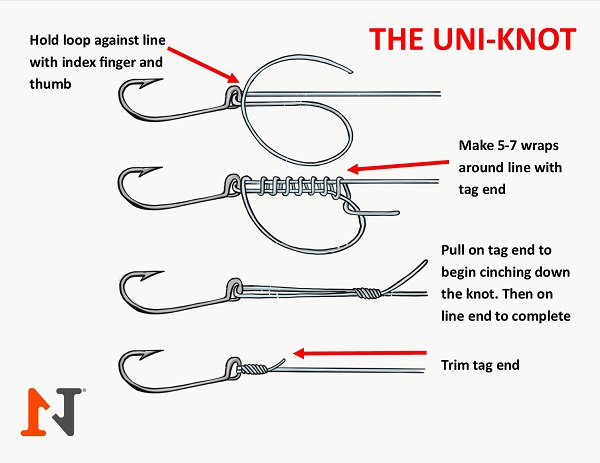
Use a reliable knot like the Arbor knot to secure the line. This knot keeps the line from slipping off the spool.
Tighten the knot firmly by pulling both ends. Trim the excess line close to the knot.
- Loop the tag end around the spool line
- Tie an overhand knot with the tag end
- Tie a second overhand knot on the tag end itself
- Pull tight and trim the loose ends
Test The Attachment
Pull on the line with steady force to check if the knot holds. The line should not slip or loosen.
Spin the reel slowly to make sure the line winds evenly without slipping.
- Pull line firmly to test the knot strength
- Rewind the line to check smoothness
- Retie if the line slips or feels loose

Credit: m.youtube.com
Spool The Line Properly
Adding line to your fishing reel correctly helps your fishing experience. Proper spooling prevents tangles and improves casting.
Focus on keeping the line tight and evenly placed on the spool. Avoid overfilling to keep the reel working well.
Maintain Tension
Keep the fishing line tight while spooling. Hold the line between your fingers with slight pressure. This stops loose loops from forming on the spool.
Wind Evenly
Wind the line across the spool in even layers. Move the line guide from side to side as you spool. This helps avoid line bunching in one spot.
- Start slowly to control the line placement
- Keep the line tight during winding
- Use the reel handle smoothly
- Check the line spread frequently
Avoid Overfilling
Do not fill the spool too full. Leave about 1/8 inch of space from the spool edge. Overfilling can cause tangles and line breaks.
| Spool Size | Recommended Line Capacity | Leaving Space |
| Small | 100 yards | Leave 1/8 inch |
| Medium | 150 yards | Leave 1/8 inch |
| Large | 200 yards | Leave 1/8 inch |
Finish The Setup
After spooling the fishing line onto your reel, it is important to complete the setup. This ensures your line works well and fishing goes smoothly.
Follow these steps to finish your fishing reel setup correctly and safely.
Cut Excess Line
Trim any extra fishing line left after spooling. Too much line can tangle or catch on objects.
Use sharp scissors or line cutters for a clean cut close to the knot.
- Leave about 1/4 inch of line beyond the knot
- Avoid cutting too close to prevent knot slipping
- Dispose of cut line pieces properly
Thread Through Guides
Pull the fishing line through the rod guides starting from the reel to the tip. This directs the line properly for casting.
Make sure the line passes smoothly through each guide without twists or snags.
- Start with the guide closest to the reel
- Feed the line through each guide in order
- Check that the line lies flat in each guide
Check For Smooth Operation
Turn the reel handle to check the line movement. It should spool evenly without jerks or noise.
Pull some line out and reel it back in. Confirm the drag system works well and the line stays tight.
- Reel slowly and watch line flow
- Listen for unusual sounds or resistance
- Adjust drag if line slips under pressure
Credit: n1outdoors.com
Tips For Line Maintenance
Keeping your fishing line in good shape helps you catch more fish. Proper line care prevents breaks and tangles. It also makes your fishing reel last longer.
Regular checks and proper storage improve your fishing experience. Follow these tips to maintain your fishing line well.
Regular Inspection
Check your fishing line before and after each trip. Look for cuts, cracks, or weak spots. These can cause the line to snap while fishing.
Also, watch for dirt or salt buildup. Clean your line gently with fresh water to remove debris.
- Look for frays or nicks
- Check for discoloration or stiffness
- Remove dirt and salt with fresh water
- Dry the line fully before storing
Replacing Worn Line
Replace the line if you see signs of wear. Old or damaged lines reduce casting distance. They also increase the risk of losing fish.
Use the right type and weight of line for your reel. Re-spool carefully to avoid twists and tangles.
- Remove old line completely
- Choose line suitable for your fishing style
- Spool line evenly on the reel
- Keep tension steady during spooling
Storing The Reel
Store your reel in a cool, dry place after fishing. Avoid direct sunlight and damp areas. This prevents line damage and reel rust.
Loosen the drag system before storing. This keeps the reel parts from wearing out. Cover the reel to keep dust away.
- Keep reel away from heat and moisture
- Loosen drag to protect reel parts
- Use a protective cover or case
- Store reel off the ground

Credit: www.wikihow.com
Frequently Asked Questions
How Do I Prepare A Fishing Reel Before Adding Line?
Clean the reel and spool before adding line. Remove old line and debris for smooth winding. Proper preparation ensures better casting and prevents tangles.
What Type Of Fishing Line Suits My Reel?
Match the line type to your reel and fishing style. Monofilament is versatile, braided offers strength, and fluorocarbon is nearly invisible underwater. Check reel specifications for weight limits.
How Much Fishing Line Should I Add To The Reel?
Fill the spool about 1/8 inch below the edge. Overfilling causes tangles; underfilling reduces casting distance. Follow manufacturer recommendations for optimal line capacity.
How Do I Tie The Fishing Line To The Reel Spool?
Use an arbor knot to secure the line to the spool. It’s simple and reliable, preventing slippage when casting or reeling in fish.
Conclusion
Adding a line to your fishing reel is a simple task. With practice, it becomes easier and faster. Choose the right line for your fishing needs. Ensure the line is tight and evenly spooled. This prevents tangles and increases efficiency.
Regularly check and replace worn-out lines. A well-maintained reel enhances your fishing experience. Enjoy your time on the water with confidence. Remember, practice makes perfect. Happy fishing!