
Are you running low on charcoal right in the middle of grilling your favorite meal? It can be frustrating when the fire starts to die down, and you’re not sure how to add more charcoal without losing heat or ruining your food.
But don’t worry—adding charcoal to your grill is easier than you think. You’ll discover simple, effective ways to boost your fire quickly and safely, so your grilling stays hot and your food turns out perfect every time. Keep reading to become the grill master you’ve always wanted to be!
Choosing The Right Charcoal
Adding more charcoal to your grill helps keep the fire strong. Picking the right charcoal can improve your cooking.
Good charcoal burns longer and gives better heat. Learn about types, quality, and how much to use.
Types Of Charcoal
There are different charcoal types for grilling. Each type has unique features and burn times.
- Charcoal Briquettes: Made from compressed charcoal and additives. They burn evenly and last long.
- Lump Charcoal: Made from pure wood pieces. It lights fast and burns hotter but unevenly.
- Quick-Light Charcoal: Contains chemicals to start fire quickly. Good for fast grilling but burns faster.
Quality Indicators
Good charcoal should be dry and hard. It should not break easily or feel soft.
Check for low ash content. Less ash means cleaner burn and better heat control.
- Hard pieces that do not crumble
- Minimal dust or powder
- Low ash after burning
- Lightweight but solid feel
Amount To Use
Use enough charcoal to keep steady heat. Add more charcoal as the fire burns down.
Too little charcoal causes low heat. Too much charcoal can cause flare-ups and waste fuel.
- Start with a full layer for best heat
- Add small amounts to keep fire hot
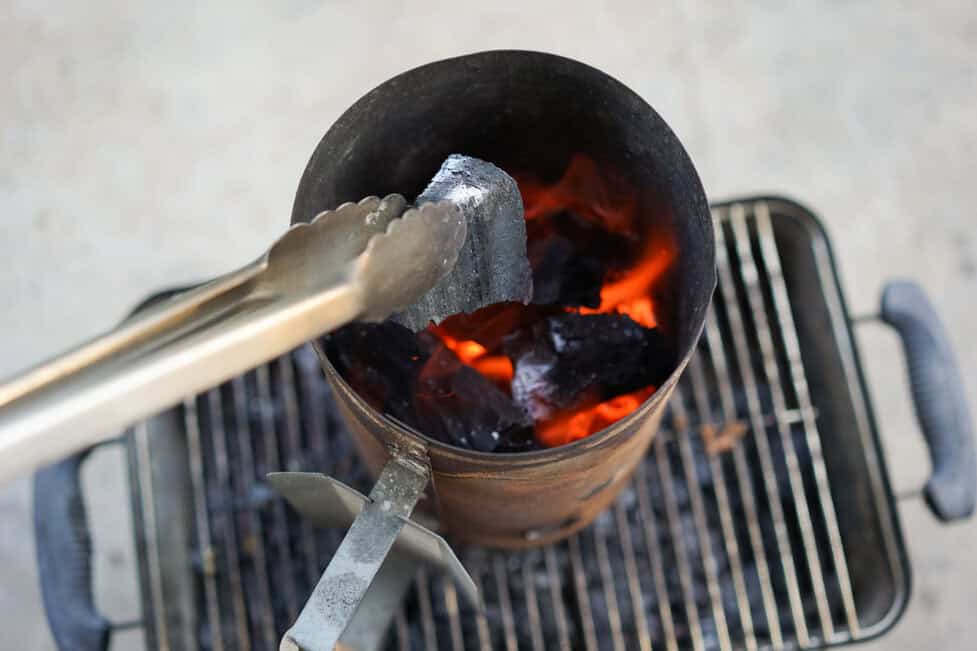
- Use a chimney starter for adding charcoal safely
- Watch grill temperature to adjust charcoal
Credit: www.hungryhuy.com
Prepping The Grill
Getting your grill ready is essential before adding more charcoal. Proper preparation ensures safe and efficient grilling.
Follow these steps to make sure your grill is in top shape. This will help you maintain a steady cooking temperature.
Cleaning The Grill
A clean grill cooks food better and prevents flare-ups. Start by removing the grill grates.
Use a grill brush to scrub off any leftover food particles. This keeps your food tasting fresh.
- Remove ash from the bottom of the grill
- Wipe down the inside with a damp cloth
- Check for rust and clean it off
Arranging Existing Charcoal
Before adding more charcoal, arrange the existing pieces. Spread them evenly for consistent heat.
Use tongs to move hot coals safely. You want an even layer for efficient cooking.
- Spread out hot coals using a heatproof tool
- Leave space for new charcoal pieces
- Ensure air can circulate for better burning
Safety Measures
Safety is key when handling hot charcoal. Always wear heat-resistant gloves.
Keep a fire extinguisher nearby in case of emergencies. This helps prevent accidents.
- Keep children and pets away from the grill
- Never leave the grill unattended
- Use long-handled tools to avoid burns
Adding Charcoal Safely
Adding charcoal to a grill keeps the fire hot and ready. It is important to add charcoal safely to avoid accidents.
Follow simple steps to add charcoal without causing flare-ups or burns. This guide helps you add charcoal the right way.
When To Add Charcoal
Add charcoal when the fire starts to lose heat. This keeps your grill cooking at the right temperature.
Watch the color of the coals. When they turn gray or ash-covered, it is time to add more.
- Check after 30-45 minutes of grilling
- Add charcoal before food gets cold
- Don’t wait until all charcoal is gone
How To Place New Charcoal
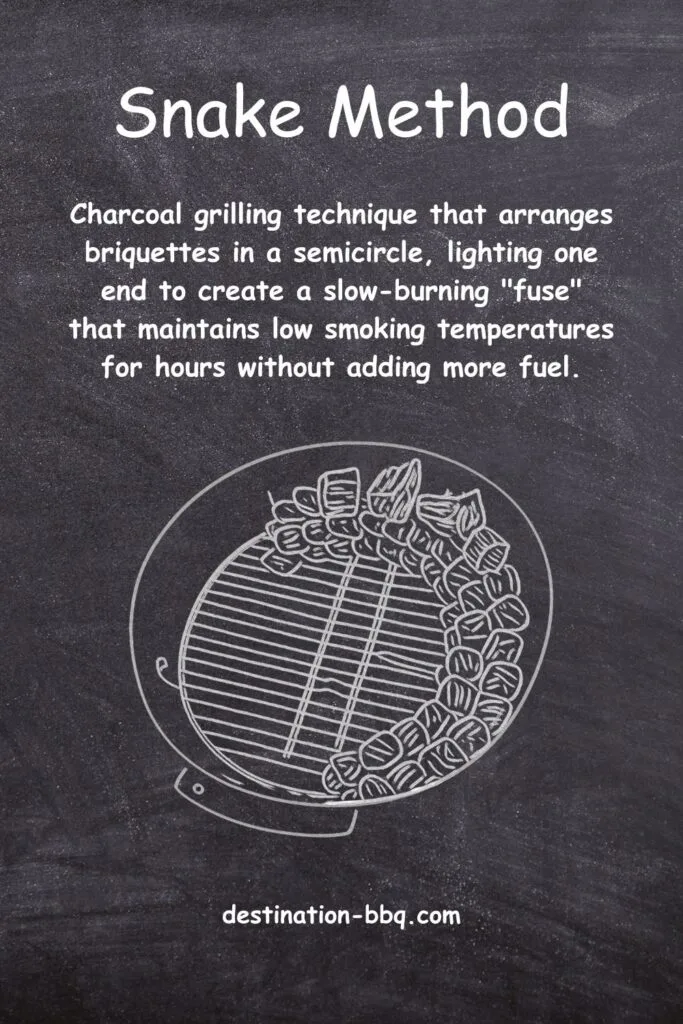
Place new charcoal on the edges of the hot coals. This helps the new charcoal light up slowly and safely.
Use tongs or a long-handled tool to add charcoal. Avoid reaching directly over the fire.
- Put fresh charcoal around the fire, not on top
- Let new charcoal catch fire before mixing
- Keep a safe distance while placing charcoal
Avoiding Flame Flare-ups
Flare-ups happen when fat or grease hits the flames. Adding charcoal can also cause flare-ups if done carelessly.
To avoid flare-ups, add charcoal slowly and away from flare points. Keep a spray bottle of water nearby for small flames.
- Add charcoal gently to avoid sparks
- Do not throw charcoal directly into flames
- Keep grill lid open for better control
- Use water spray for quick flame control
Lighting New Charcoal
Adding new charcoal to a grill keeps the fire strong and cooking steady. Lighting fresh charcoal needs care to avoid smoke or uneven heat.
Use safe and easy ways to light new charcoal. This helps keep your grill ready for cooking.
Using Fire Starters
Fire starters help light charcoal quickly and safely. They burn longer than lighter fluid and give steady heat.
Place fire starters under the new charcoal pile. Light the starters with a match or lighter. Wait until charcoal edges turn gray.
- Use natural fire starters like wax cubes or wood shavings
- Do not use gasoline or other unsafe liquids
- Keep a safe distance while lighting
Igniting With Existing Heat
Use the heat from burning charcoal to light new pieces. Add fresh charcoal close to hot coals.
Wait a few minutes for the new charcoal to catch fire. Turn the grill lid off to give oxygen to the flames.
- Arrange new charcoal near glowing embers
- Use a metal tool to spread heat evenly
- Be patient; lighting takes time without fire starters
Managing Smoke And Flames
Control smoke by adding charcoal slowly. Too much charcoal at once causes thick smoke and flare-ups.
Use the grill vents to control airflow. Open vents increase oxygen and reduce smoke. Close vents to lower flames.
- Add charcoal in small amounts for steady heat
- Watch for flare-ups and move food if needed
- Adjust vents to keep flames under control
Maintaining Consistent Heat
Keeping a steady temperature is key for grilling success. Adding charcoal carefully helps maintain this heat.
This guide explains how to adjust airflow, watch temperature, and time charcoal additions.
Adjusting Airflow
Airflow controls oxygen, which fuels charcoal burning. Open vents increase heat; closing them lowers heat.
- Open bottom vents to boost oxygen supply.
- Partially close top vents to trap heat.
- Adjust vents slowly to avoid big temperature swings.
- Keep vents balanced to maintain even heat across the grill.
Monitoring Temperature
Use a grill thermometer to track heat levels. Check temperature often to keep it steady.
| Temperature Range | Grill Use |
| 225°F – 275°F | Low and slow cooking |
| 300°F – 350°F | Medium heat for most foods |
| 400°F – 500°F | High heat for searing |
Timing For Adding More Charcoal
Add charcoal before the fire gets too low. This keeps heat steady and avoids cold spots.
- Check charcoal after 45 minutes of cooking.
- Add fresh charcoal if coals look gray and ashy.
- Place new charcoal near hot coals to light quickly.
- Wait 5-10 minutes before cooking on new coals.

Credit: lifehacker.com
Common Mistakes To Avoid
Adding more charcoal to a grill can keep the fire going longer. Doing it wrong can cause problems with cooking and safety. Knowing what mistakes to avoid helps you have a better grilling experience.
This guide points out common errors people make when adding charcoal. Avoiding these will help you cook food evenly and stay safe.
Overloading The Grill
Putting too much charcoal on the grill creates very high heat. This can burn your food outside while leaving it raw inside. It also wastes charcoal and makes managing the fire hard.
Too much charcoal can cause flare-ups and damage your grill. It is best to add small amounts at a time and spread them out evenly.
- Use only the amount needed for your cooking time.
- Spread charcoal evenly for balanced heat.
- Add more charcoal gradually if needed.
Adding Wet Charcoal
Wet charcoal does not light well. It produces smoke and bad smells. Wet charcoal also takes longer to heat up and may not burn fully.
Always store charcoal in a dry place. Check if the charcoal feels damp before adding it to the grill.
- Keep charcoal in a sealed, dry container.
- Do not use charcoal that feels soft or moist.
- Dry wet charcoal before lighting if possible.
Ignoring Safety Precautions
Adding charcoal to a hot grill can cause burns or fires. Do not add charcoal without protection. Always use tools like long tongs or gloves.
Keep children and pets away from the grill. Make sure the grill is on a stable, flat surface and far from anything flammable.
- Use heat-resistant gloves when handling charcoal.
- Keep a fire extinguisher or water nearby.
- Never leave the grill unattended while adding charcoal.
- Place the grill on a safe, flat area.
Credit: destination-bbq.com
Frequently Asked Questions
How Do I Safely Add Charcoal To A Hot Grill?
To add charcoal safely, wear heat-resistant gloves. Use tongs or a shovel to place new coals. Add them on the sides, not directly on food. Avoid pouring lighter fluid on hot coals to prevent flare-ups. This keeps the fire steady and safe.
When Is The Best Time To Add More Charcoal?
Add more charcoal when the existing coals start to lose heat. Typically, this is after about 45 minutes to an hour. Adding too early wastes fuel, while waiting too long cools the grill. Check the temperature to know when to add.
Can I Add Unlit Charcoal To Burning Coals?
Yes, you can add unlit charcoal to burning coals. Place unlit coals near the hot ones so they ignite gradually. This method keeps the heat steady and extends cooking time. Avoid adding too many at once to maintain airflow.
How Much Charcoal Should I Add For Longer Grilling?
Add enough charcoal to maintain consistent heat, usually one-third to half the original amount. Avoid overloading to prevent smothering the fire. Adding small amounts periodically helps sustain temperature and improves cooking control.
Conclusion
Adding charcoal keeps your grill hot and ready to cook. Always use dry charcoal for better heat and less smoke. Spread new charcoal evenly to avoid cold spots. Use tongs to add charcoal safely and keep your hands away from flames.
Keep the grill lid closed to keep heat inside. With these simple steps, you can enjoy longer grilling times. Your food will cook evenly and taste great every time. Keep practicing to get comfortable and confident while grilling. Happy grilling!