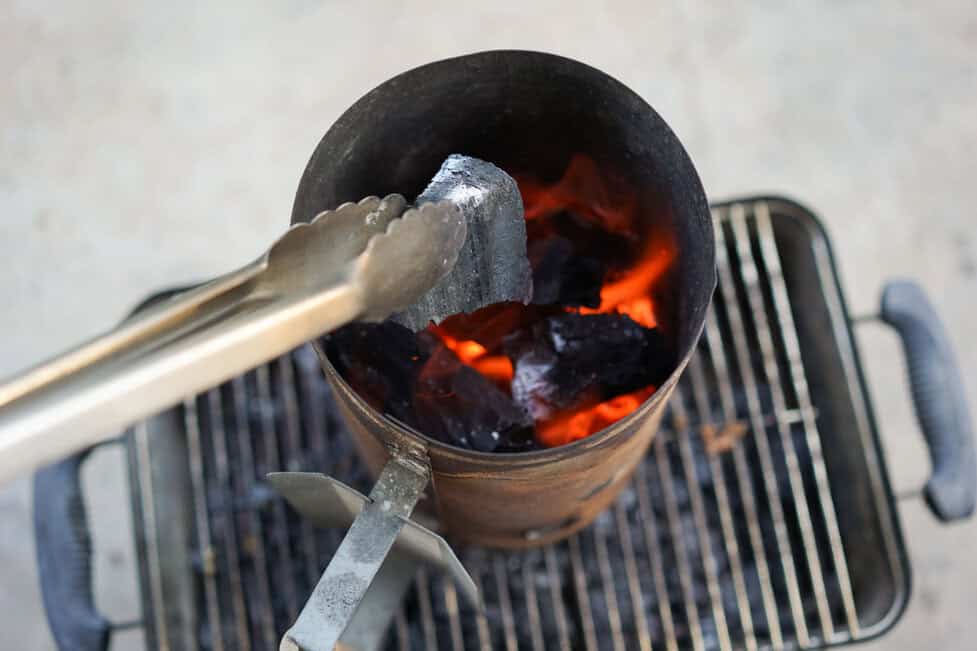
Are you running low on charcoal but still want to keep your grill firing hot? Knowing how to add more charcoal to your grill without losing heat or ruining your food is a skill every griller needs.
Whether you’re cooking for a crowd or just want that perfect smoky flavor to last longer, this guide will show you simple, effective steps to keep your fire going strong. Keep reading to discover easy tricks that will make your grilling experience smoother and more satisfying.
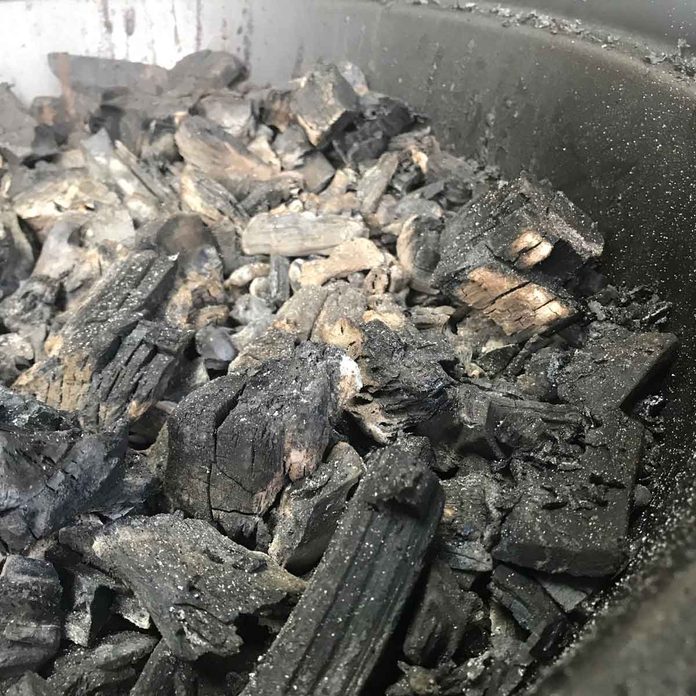
Credit: www.familyhandyman.com
Choosing The Right Charcoal
Adding more charcoal to your grill can help keep the heat steady. Picking the right charcoal is important for good cooking results.
There are different types of charcoal. Each type burns differently and affects the flavor of your food.
Lump Vs Briquette
Lump charcoal is made by burning wood in low oxygen. It lights quickly and burns hot. It produces less ash but burns faster.
Briquettes are made from compressed charcoal dust and other materials. They burn longer and give steady heat. Briquettes create more ash than lump charcoal.
- Lump charcoal lights faster and burns hotter.
- Briquettes burn longer and give steady heat.
- Lump charcoal produces less ash than briquettes.
- Briquettes are uniform in size and shape.
Charcoal Quality And Brand
Good quality charcoal burns evenly and lasts longer. Poor quality charcoal can have fillers that make it burn poorly.
Choose a trusted brand known for clean burning charcoal. Check if the charcoal is made from hardwood for better flavor.
- Look for hardwood charcoal for better heat and flavor.
- Avoid charcoal with fillers or chemicals.
- Brands with good reviews usually offer reliable charcoal.
Amount Needed For Different Grills
The amount of charcoal depends on the grill size. Larger grills need more charcoal to keep the heat steady.
Using too little charcoal can cause uneven cooking. Using too much can waste fuel and cause flare-ups.
| Grill Size | Charcoal Amount |
|---|---|
| Small (up to 14 inches) | 1-2 pounds |
| Medium (15-18 inches) | 3-4 pounds |
| Large (19 inches and above) | 5-6 pounds or more |
When To Add Charcoal
Grilling requires monitoring fuel levels to maintain heat. Adding charcoal at the right time is crucial.
Knowing when to add more charcoal keeps your food cooking evenly and prevents interruptions.
Signs Your Grill Needs More Fuel
It’s important to recognize when your grill needs more charcoal. Here are some signs to watch for.
- The temperature drops significantly
- Cooking takes longer than usual
- Charcoal appears mostly gray and ashy
Timing For Adding Charcoal
Adding charcoal at the right time ensures continuous heat. Timing is key to successful grilling.
| Time | Action |
| Before grilling | Preheat with fresh charcoal |
| During grilling | Add when heat decreases |
| After cooking | Dispose of ash safely |
Preparing Charcoal For Adding
Adding charcoal to your grill keeps the fire hot and ready for cooking. Preparing the charcoal correctly helps it light faster.
Good preparation avoids cold spots and keeps your food cooking evenly. Let’s look at how to get your charcoal ready.
Preheating New Charcoal
Preheat new charcoal before adding it to the grill. This helps the charcoal catch fire quickly and burn evenly.
Use a chimney starter or heat the charcoal on the grill until it is covered with gray ash. This means the charcoal is hot and ready.
- Fill a chimney starter with charcoal
- Light the starter using newspaper or lighter cubes
- Wait 15-20 minutes until charcoal glows red and turns gray
- Carefully add preheated charcoal to your grill
Avoiding Temperature Drops
Adding cold charcoal can lower your grill’s temperature. Avoid this by adding only hot or warm charcoal.
Keep a small batch of preheated charcoal ready. Add it slowly to keep your grill hot and steady.
- Do not add unlit charcoal directly
- Add charcoal in small amounts
- Spread new charcoal over hot coals
- Close the grill lid quickly to keep heat inside
Safe Methods To Add Charcoal
Adding more charcoal to your grill keeps the fire strong and cooking steady. It is important to do this safely to avoid accidents or burns. Use careful methods to keep your grill working well.
Below are safe ways to add charcoal while grilling. These methods help maintain heat and avoid flare-ups.
Adding Directly To Hot Coals
You can add new charcoal directly on top of hot coals. Make sure to use long tools like tongs or a fireproof glove. Avoid adding too much at once to prevent smoke and flare-ups.
Spread the new charcoal evenly on the hot coals. This keeps the heat steady and helps the new charcoal light faster.
- Use long tongs or gloves for safety
- Add a small amount of charcoal at a time
- Spread the charcoal evenly
- Keep a spray bottle of water nearby for flare-ups
Using A Charcoal Chimney
A charcoal chimney helps light new charcoal safely before adding it. Fill the chimney with charcoal and place a fire starter underneath. Wait for the charcoal to turn gray with ash.
Once the charcoal is hot, pour it carefully onto the existing coals. This method avoids adding cold charcoal to the fire and keeps the heat steady.
- Fill chimney with new charcoal
- Light fire starter under the chimney
- Wait until charcoal is covered in gray ash
- Pour hot charcoal onto existing coals carefully
Layering Techniques
Layering charcoal means adding fresh charcoal below or above hot coals. This creates better heat control and longer cooking times. You can add charcoal in layers to keep the fire burning evenly.
Use a small tool to lift hot coals and add new charcoal below. Or add fresh charcoal on top and let it heat slowly. Both ways help keep the fire steady and safe.
- Lift hot coals gently with tongs or a spatula
- Add fresh charcoal below the hot coals
- Or add fresh charcoal on top for slow heating
- Keep airflow open for good burning
Maintaining Even Heat
Keeping an even heat on your charcoal grill helps cook food thoroughly. Adding more charcoal can affect the temperature. Use some simple methods to keep the heat steady and strong.
Adjusting the airflow and managing the charcoal arrangement are key. Also, handling ash build-up improves heat flow. These actions make grilling easier and better.
Adjusting Air Vents
Air vents control the oxygen that fuels the charcoal. Open vents let in more air, which raises the heat. Closing vents lowers the heat by reducing oxygen. Adjust vents slowly to find the right balance.
- Open vents to increase heat quickly
- Close vents to lower heat gradually
- Check vents often after adding charcoal
- Keep vents clean for better airflow
Stirring And Spreading Coals
Charcoal burns best with good contact between pieces. Stir coals to mix hot and cooler parts. Spread them evenly to avoid hot spots. This keeps heat steady across the grill surface.
| Action | Effect on Heat |
| Stir coals | Mixes temperature, evens heat |
| Spread coals evenly | Prevents hot or cold spots |
| Add coals in small groups | Maintains steady temperature |
Managing Ash Build-up
Ash blocks air flow and lowers heat. Clean ash out often to keep oxygen moving. Use a small tool to remove ash safely. Avoid letting ash pile up under the charcoal.
- Remove ash after every grilling session
- Use a grill brush or scoop tool
- Leave a small ash layer to protect coals
- Empty ash catcher regularly if your grill has one
Common Mistakes To Avoid
Adding charcoal to your grill is easy but doing it wrong can cause problems. Avoid these mistakes for a better grilling experience.
Knowing what not to do helps you keep your grill safe and your food tasty. Read on to learn the key errors to watch out for.
Adding Too Much Charcoal At Once
Putting too much charcoal in the grill all at once can cause uneven heat and flare-ups. It also wastes fuel and can make the fire hard to control.
- Add charcoal in small amounts over time.
- Let the first batch burn down before adding more.
- Watch the heat level and adjust as needed.
Using Wet Or Damp Charcoal
Using charcoal that is wet or damp makes it hard to light. It also produces more smoke and bad smell, ruining the taste of your food.
| Charcoal Condition | Effect on Grill | How to Avoid |
|---|---|---|
| Wet or Damp | Hard to light, more smoke, bad taste | Store charcoal in dry place, cover well |
| Dry | Lights easily, burns well, less smoke | Use fresh charcoal and keep it dry |
Ignoring Safety Precautions
Not following safety rules can cause fires or injuries. Always handle charcoal and fire with care to keep everyone safe.
- Keep a fire extinguisher or water nearby.
- Do not add charcoal near flammable materials.
- Use long tools to add charcoal and avoid burns.
- Never leave the grill unattended while hot.
Tips For Perfect Flames
Adding charcoal to your grill keeps the fire strong and steady. Perfect flames cook food evenly and add great flavor.
Use simple methods to control your fire and get the best grilling results.
Using Natural Fire Starters
Natural fire starters help ignite charcoal safely and quickly. Avoid using chemicals that can affect flavor.
- Use dry twigs, pine cones, or newspaper
- Place starters under charcoal piles for easy lighting
- Let fire starters burn fully before adding more charcoal
- Keep fire starters small to control the flame
Controlling Flare-ups
Flare-ups can burn food and cause uneven cooking. Manage them to keep steady heat.
| Cause | Tip to Control |
| Fat dripping on coals | Trim excess fat from meat |
| Too much oil on food | Use less oil while marinating |
| Overcrowding grill | Leave space between items |
| Wind blowing flames | Use a windbreak or grill lid |
Enhancing Flavor With Wood Chips
Wood chips add smoky flavors to your grilled food. Choose the right wood to match your taste.
Try these wood chip types for different flavors:
- Hickory: Strong, bacon-like smoke
- Apple: Sweet and mild smoke
- Mesquite: Bold and earthy taste
- Cherry: Fruity and light smoke
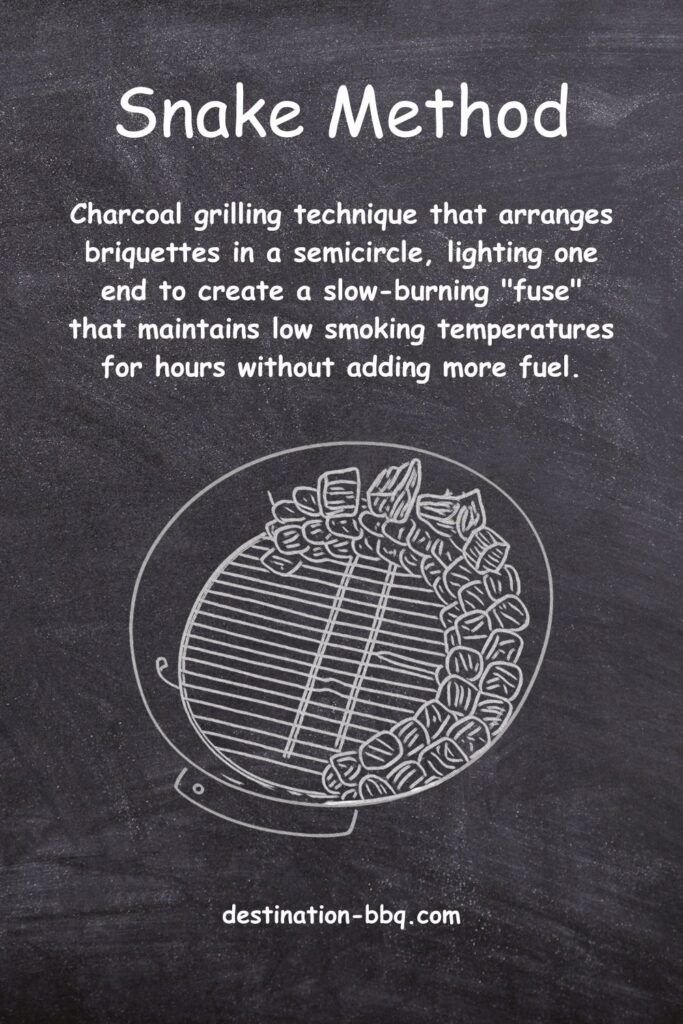
Credit: destination-bbq.com

Credit: rocketfiretorch.com
Frequently Asked Questions
How Do I Safely Add Charcoal To A Hot Grill?
To add charcoal safely, wear heat-resistant gloves and use tongs or a scoop. Open the grill lid carefully to avoid flare-ups. Add charcoal evenly and avoid disturbing the existing hot coals. This ensures continuous heat and prevents accidents.
When Should I Add More Charcoal During Grilling?
Add more charcoal when the heat starts to drop or food cooks slower. Usually, this is after 45-60 minutes of grilling. Maintaining consistent heat ensures even cooking and better flavor.
Can I Add Unlit Charcoal Directly To Hot Coals?
Yes, you can add unlit charcoal to hot coals. The existing heat will ignite the new charcoal gradually. Spread the new charcoal evenly for consistent heat and avoid clumping.
How Much Charcoal Should I Add To Maintain Heat?
Add charcoal in small batches, about one-third of the original amount. This prevents temperature spikes and maintains steady heat. Adjust amount based on grill size and cooking time.
Conclusion
Adding charcoal keeps your grill hot and ready for cooking. Always spread new charcoal evenly for steady heat. Use tongs or gloves to stay safe while handling. Check the fire often to keep it burning well. With practice, adding charcoal becomes quick and easy.
Enjoy delicious grilled food anytime you want. Keep these tips in mind for better grilling results. Your grill will stay hot longer and cook food perfectly. Practice makes perfect—soon, you’ll grill like a pro.