Is your air conditioner not cooling like it used to? One common reason could be low refrigerant levels.
Adding refrigerant might sound tricky, but with the right steps, you can do it yourself and save money on repairs. In this guide, you’ll learn exactly how to add refrigerant to your air conditioner safely and effectively. Keep reading to bring cool comfort back to your home without the hassle.
Signs Of Low Refrigerant
Low refrigerant in your air conditioner can cause many problems. It is important to recognize the signs early.
Detecting low refrigerant helps you avoid costly repairs and keeps your home cool and comfortable.
Reduced Cooling Efficiency
Your air conditioner may not cool your home properly if refrigerant is low. The system works harder but cools less.
- Longer cooling cycles
- Warm air from vents
- Increased electricity bills
- Uneven room temperatures
Ice Formation On Coils
Low refrigerant causes coils to become too cold and freeze. Ice can build up on the evaporator coils.
| Cause | Effect |
| Low Refrigerant | Coils freeze and ice forms |
| Blocked Airflow | Also causes ice but different reason |
| Dirty Filters | Leads to restricted airflow and ice |
Hissing Or Bubbling Sounds
You may hear unusual noises if refrigerant leaks. Hissing or bubbling sounds come from escaping gas or liquid.
Signs of a refrigerant leak include:
- Hissing near outdoor unit
- Bubbling sounds inside walls or ducts
- Reduced cooling and strange noises together

Credit: www.lochardplumbingheatingandcooling.com
Types Of Refrigerants
Refrigerants are vital for air conditioners. They cool the air to make indoor spaces comfortable.
Different types of refrigerants are used in air conditioners. Choosing the right one is important for efficiency and safety.
Common Refrigerant Options
Several refrigerants are commonly used in air conditioning systems today. Each has unique properties and applications.
- R-22: Older units often use this, but it’s being phased out.
- R-410A: A popular choice for new systems, known for efficiency.
- R-32: Gains popularity due to lower environmental impact.
Choosing The Right Refrigerant
Selecting the right refrigerant is crucial. It affects your air conditioner’s performance and the environment.
Consider compatibility, efficiency, and environmental impact when choosing. It’s often best to consult a professional.
| Factor | Consideration |
| Compatibility | Ensure the refrigerant matches your AC system. |
| Efficiency | Choose a refrigerant that optimizes cooling. |
| Environmental Impact | Look for options with lower global warming potential. |
Tools Needed
Adding refrigerant to an air conditioner requires specific tools. These tools help ensure the job is done safely and correctly.
Using the right equipment protects you and the AC unit during the process.
Refrigerant Gauge Set
The refrigerant gauge set measures the pressure in the AC system. It helps you know when to add more refrigerant or stop.
- Connects to the AC service ports
- Shows high and low pressure readings
- Includes hoses and gauges
- Helps avoid overcharging the system
Protective Gear
Wear protective gear to avoid injury. Refrigerant can cause frostbite or eye damage.
| Protective Item | Purpose |
| Gloves | Protect hands from cold burns |
| Safety Glasses | Shield eyes from refrigerant splashes |
| Long Sleeve Shirt | Protect skin from exposure |
Leak Detector
A leak detector finds leaks in the AC system. This tool ensures refrigerant does not escape during charging.
Types of Leak Detectors:
- Electronic leak detectors that sense refrigerant gas
- Ultraviolet dye kits for visual leak spotting
- Soap bubble solution to spot air bubbles at leaks
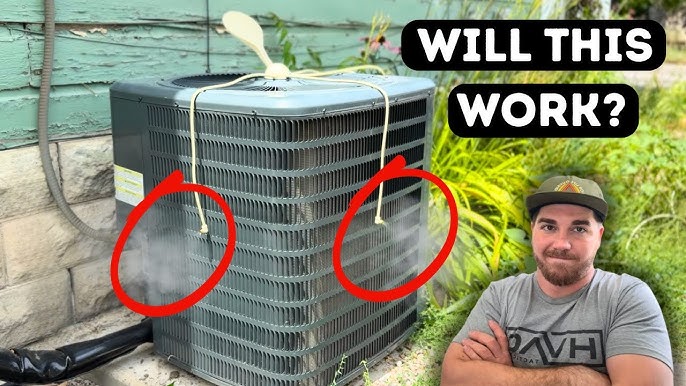
Credit: m.youtube.com
Safety Precautions
Adding refrigerant to an air conditioner needs care and attention. Safety is key to avoid accidents and damage.
Follow safety rules to protect yourself and your home when handling refrigerants and electrical parts.
Handling Refrigerants Safely
Refrigerants are chemicals that can harm your skin, eyes, and lungs. Use protective gear to stay safe.
- Wear gloves and safety glasses at all times.
- Work in a well-ventilated area to avoid inhaling fumes.
- Do not breathe in refrigerant vapors or release them into the air.
- Store refrigerant cylinders upright and away from heat sources.
- Check for leaks before adding refrigerant to the system.
Avoiding Electrical Hazards
Electric parts in an air conditioner can cause shocks or fires if not handled properly. Take care.
| Precaution | Why It Matters |
| Turn off the power supply before working | Prevents electrical shocks and short circuits |
| Use insulated tools | Reduces risk of electric shock |
| Do not touch wires with wet hands | Water conducts electricity and increases shock risk |
| Check for damaged wires or loose connections | Prevents sparks and electrical fires |
| Follow manufacturer’s wiring instructions | Ensures safe and correct operation |
Preparing The Air Conditioner
Before adding refrigerant to your air conditioner, you need to prepare the unit properly. This ensures safety and helps the system work well.
Start by turning off the air conditioner and finding the service valves. These steps protect you and the equipment during the process.
Turning Off The Unit
Switch off the air conditioner at the main power source. This prevents electrical shock and stops the unit from running while you work.
- Locate the circuit breaker for the air conditioner.
- Flip the breaker to the off position.
- Double-check the unit is not running.
- Unplug the unit if it has a plug.
Locating Service Valves
Service valves control the refrigerant flow. You need to find them to connect your gauges and add refrigerant safely.
| Valve | Description | Location |
| Low-pressure valve | Used to add refrigerant | On the larger suction line |
| High-pressure valve | Used for system checks | On the smaller liquid line |

Credit: www.youtube.com
Checking For Leaks
Before adding refrigerant to your air conditioner, check for leaks. Leaks can waste refrigerant and harm the system.
Finding and fixing leaks helps your air conditioner work well and last longer.
Using A Leak Detector
A leak detector helps find small refrigerant leaks you cannot see. It senses gas escaping from the system.
To use it, turn on the detector and slowly move the sensor around pipes and connections. Watch for alerts or lights.
- Check all fittings and joints
- Inspect coils and valves
- Move the sensor slowly for accuracy
- Listen or watch for signals from the detector
Fixing Minor Leaks
Small leaks can be fixed with simple tools and sealants. This stops refrigerant from escaping.
Use a refrigerant-safe sealant or tape on the leaking spot. Tighten loose fittings with a wrench if needed.
- Clean the area around the leak
- Apply sealant or tape carefully
- Tighten any loose bolts or nuts
- Check again with the leak detector
Adding Refrigerant Step-by-step
Adding refrigerant to an air conditioner requires care and the right tools. This guide shows each part of the process clearly.
Follow these steps to add refrigerant safely and keep your air conditioner working well.
Connecting The Gauge Set
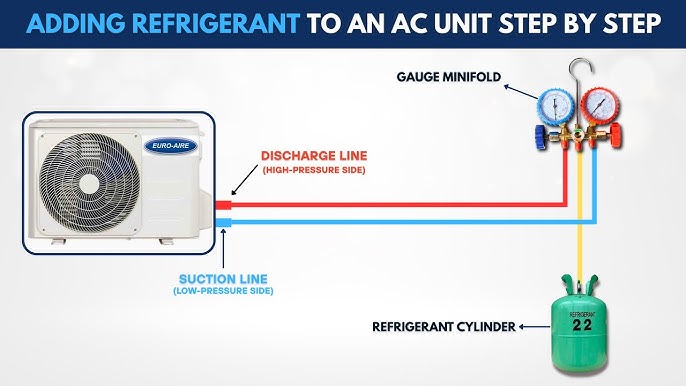
First, attach the gauge set to the air conditioner’s service ports. The blue hose connects to the low-pressure port. The red hose connects to the high-pressure port. Make sure the connections are tight to avoid leaks.
Opening The Valves
- Turn the valve on the refrigerant tank to open it.
- Open the low-pressure valve on the gauge set slowly.
- Leave the high-pressure valve closed during this process.
- Check all connections again for any signs of leaks.
Monitoring Pressure Levels
| Pressure Type | Normal Range (PSI) | What to Do |
| Low Pressure | 25 – 45 | Watch gauge while adding refrigerant |
| High Pressure | 150 – 250 | Do not open valve if above range |
Adding Refrigerant Slowly
Pour refrigerant into the system slowly to avoid damage. Open the low-pressure valve little by little. Monitor the pressure gauges closely. Stop adding when the pressure reaches the recommended level.
Testing The System
Testing the air conditioner after adding refrigerant is important. It helps you check if the system works well. You want to make sure the cooling is effective and safe.
This part covers restarting the air conditioner and measuring how well it cools. Follow these steps carefully to test your system properly.
Restarting The Air Conditioner
Turn on the air conditioner after adding refrigerant. Give the system time to stabilize before you test it. Watch for any unusual sounds or leaks.
- Switch the power back on at the breaker or switch.
- Set the thermostat to a cool setting.
- Listen for steady operation without strange noises.
- Check for any visible leaks around connections.
- Let the unit run for at least 10 minutes.
Measuring Cooling Performance
Measure how well the air conditioner cools the room. Use a thermometer or temperature gauge. Compare the indoor and outdoor temperatures to see if the system cools effectively.
| Measurement | What to Check | Ideal Range |
| Indoor Temperature | Air coming from vents | 45°F to 55°F (7°C to 13°C) |
| Outdoor Temperature | Ambient temperature outside | Varies by location |
| Temperature Drop | Difference between indoor air and vent air | 15°F to 20°F (8°C to 11°C) |
When To Call A Professional
Adding refrigerant to an air conditioner can seem simple. But it is not always safe or easy to do it yourself.
Knowing when to call a professional helps protect your AC and your home. Professionals have the right tools and knowledge.
Complex Repairs
Sometimes low refrigerant means a leak or damage in the AC system. Fixing leaks or broken parts is complex.
Professionals can find leaks and repair or replace parts safely. Trying to fix complex problems yourself can cause more damage.
Environmental Regulations
Refrigerants can harm the environment if handled wrong. There are strict rules about buying and adding refrigerants.
Licensed technicians follow these rules to protect the air and water. They dispose of old refrigerant properly and use safe methods.
Frequently Asked Questions
How Do I Know If My Ac Needs Refrigerant?
If your AC isn’t cooling well, it might lack refrigerant. Look for ice on coils or hissing sounds. Low refrigerant often causes warm air and higher energy bills.
Can I Add Refrigerant To Ac Myself?
Yes, but only if you have the right tools and knowledge. Incorrect handling can damage the system or cause leaks. Always follow safety guidelines and consider professional help for best results.
What Type Of Refrigerant Does My Ac Use?
Check your AC unit’s label or manual for refrigerant type. Common types include R-22 and R-410A. Using the wrong refrigerant can harm your system and reduce efficiency.
How Much Refrigerant Should I Add To My Ac?
Add refrigerant based on the manufacturer’s specifications. Overcharging or undercharging can damage the compressor and reduce cooling efficiency. Use a gauge to measure pressure accurately.
Conclusion
Adding refrigerant to your air conditioner keeps it cool and efficient. Always check the system pressure before starting. Use the right type of refrigerant for your unit. Avoid overfilling to prevent damage. Wear safety gear and follow instructions carefully. Regular maintenance helps your AC last longer.
Call a professional if unsure or if problems persist. Stay cool and comfortable all summer long. Simple steps can make a big difference.