Is your car’s air conditioner not blowing cold air like it used to? You might be low on refrigerant, the key ingredient that keeps your car cool during those hot drives.
Adding refrigerant might sound tricky, but with the right steps, you can do it yourself and save time and money. In this guide, you’ll learn exactly how to add refrigerant to your car air conditioner safely and effectively. Keep reading, and soon you’ll be enjoying that refreshing, cool breeze again on every ride.

Credit: www.youtube.com
Signs Of Low Refrigerant
Your car’s air conditioner needs enough refrigerant to cool the air. Low refrigerant can make the AC less effective. It is important to notice signs early to avoid damage.
Here are common signs that show your car’s AC might have low refrigerant.
Reduced Cooling Performance
The most clear sign of low refrigerant is weak cooling. The air coming from the vents feels warm or not cold enough. You may notice this especially on hot days.
Low refrigerant stops the AC from removing heat properly. This makes the cabin uncomfortable and the AC works harder.
Hissing Sounds
Hissing noises near the AC system can mean a refrigerant leak. The sound is like air escaping from a tire. This happens when refrigerant escapes through cracks or holes.
Ignoring these sounds can cause the refrigerant to drop further. Fix leaks quickly to keep the system safe and working well.
Frost On Ac Components
Frost or ice on the AC parts can show low refrigerant levels. When refrigerant is low, pressure drops and causes parts to freeze. Check the lines and coils for white frost.
Frost can block airflow and harm the compressor. It is important to have the AC checked if you see ice forming.
Tools And Materials Needed
Adding refrigerant to a car air conditioner needs the right tools. Using the correct materials helps the job go smoothly.
This guide shows the tools and materials needed to safely add refrigerant to your car’s AC system.
Refrigerant Types
There are different types of refrigerants for car air conditioners. Make sure to use the one that fits your car model.
Using the wrong refrigerant can damage the system or reduce cooling.
- R-134a: Common in cars made before 2015
- R-1234yf: Used in newer car models
- Check your car manual to find the correct refrigerant
Safety Gear
Wear safety gear to protect yourself during the process. Refrigerants can cause injuries if handled wrong.
- Safety goggles to protect your eyes
- Gloves to prevent skin contact
- Long sleeves to avoid frostbite from cold refrigerant
Always work in a well-ventilated area to avoid breathing fumes.
Pressure Gauge And Hose
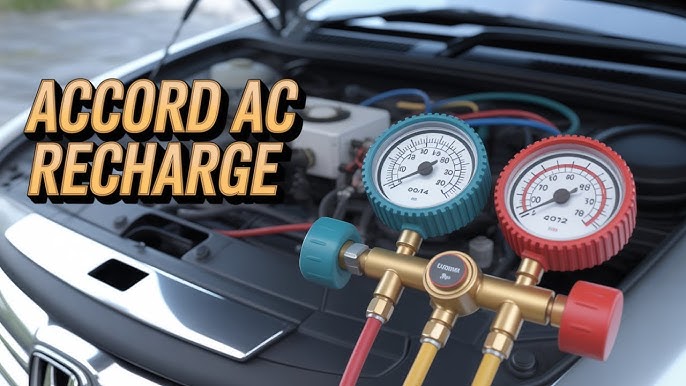
A pressure gauge and hose help you check and control the refrigerant level. These tools connect to the AC system.
The gauge shows the pressure inside the system. The hose lets refrigerant flow in or out safely.
- Pressure gauge set with a hose and a valve
- Hose must fit the AC system’s service port
- Use a gauge designed for automotive refrigerants
Preparing Your Car
Adding refrigerant to your car’s air conditioner needs some preparation. Getting your car ready helps the process go smoothly and safely.
Follow these steps before you start adding refrigerant. This will protect you and your vehicle.
Park In A Safe Area
Park your car in a flat, open space away from traffic. This keeps you safe and gives you room to work.
Make sure the area is well-ventilated. Avoid places with strong sunlight or heat sources.
Turn Off Engine And Ac
Switch off your car’s engine before adding refrigerant. This prevents any accidents or damage.
Also, turn off the air conditioner. This stops the system from working while you connect the equipment.
Locate Service Ports
Find the low-pressure service port on your car’s AC system. This is where you add refrigerant safely.
The port is usually near the compressor or along the larger AC tubing. It has a plastic cap labeled with an “L”.
- Check your car manual for exact port location
- Look for a small, round cap marked “L” or “Low”
- Do not use the high-pressure port (usually marked “H”)

Credit: www.reddit.com
Checking Refrigerant Levels
Checking the refrigerant level in your car’s air conditioner helps it cool better. Low refrigerant can cause the AC to blow warm air.
Use the right tools to measure the pressure inside the AC system. This guide shows you how to check refrigerant levels safely.
Attach Pressure Gauge
Find the low-pressure service port on your car’s AC system. Attach the pressure gauge securely to this port. Make sure the connection is tight to avoid leaks.
Read Pressure Levels
Turn on the car and set the AC to the coldest setting. Observe the pressure gauge reading carefully. Note the pressure value shown on the gauge.
- Pressure too low means refrigerant is low
- Pressure too high may indicate overcharging or other issues
- Normal pressure varies with temperature and car model
Compare With Manufacturer Specs
| Car Model | Recommended Pressure (psi) |
| Small Cars | 25 – 45 |
| SUVs and Trucks | 30 – 50 |
| Luxury Vehicles | 28 – 48 |
Check your car manual for exact pressure values. Compare your gauge reading to these specs. Adjust refrigerant if the pressure is outside the recommended range.
Adding Refrigerant Step-by-step
Adding refrigerant to your car air conditioner helps keep it cool during hot days. This process needs care and the right tools.
Follow these steps to add refrigerant safely and correctly to your car’s air conditioner system.
Shake Refrigerant Can
Before use, shake the refrigerant can well. This mixes the chemicals inside for better flow.
Shaking helps prevent blockages and ensures the refrigerant works properly.
Connect To Low-pressure Port
Locate the low-pressure port on your car’s AC system. It usually has a blue or black cap.
Attach the refrigerant hose securely to this port. A tight connection prevents leaks.
- Find the port near the compressor or hoses
- Check your car manual if unsure
- Use gloves to protect your hands
Add Refrigerant Slowly
Press the valve on the refrigerant can slowly to release the gas. Adding too fast can damage the system.
Fill a little at a time and pause to let the system adjust. This keeps pressure safe.
- Do not overfill the system
- Follow the amount suggested on the can
- Work in a well-ventilated area
Monitor Pressure Gauge
Use a pressure gauge to watch the system pressure while adding refrigerant. This prevents overcharging.
Keep the pressure within the recommended range for your car model.
- Check car manual for correct pressure levels
- Stop adding if pressure is too high
- Remove the hose carefully after finishing
Safety Tips
Adding refrigerant to your car air conditioner can help it cool better. It is important to follow safety steps to avoid accidents and damage.
Use the right tools and work carefully to protect yourself and your vehicle.
Avoid Overfilling
Do not put too much refrigerant in the system. Overfilling can cause pressure problems.
Too much refrigerant can damage the air conditioner parts and reduce its life.
- Check the car manual for the correct amount.
- Use a gauge to monitor pressure.
- Stop adding refrigerant if pressure gets too high.
Handle Refrigerant Carefully
Refrigerant is a chemical that can harm your skin and eyes. Always handle it with care.
Wear gloves and safety glasses to protect yourself from leaks or spills.
- Keep refrigerant containers upright.
- Do not inhale refrigerant gas.
- Store refrigerant in a cool, dry place away from heat.
Work In Ventilated Area
Always work where air moves freely. This helps reduce harmful gas buildup.
Good ventilation protects you from breathing in refrigerant fumes that can cause dizziness or worse.
- Open doors and windows if indoors.
- Work outside if possible.
- Avoid small closed spaces.
Post-refill Checks
After adding refrigerant to your car’s air conditioner, it is important to check if everything works well. These checks help make sure the AC cools properly and stays safe to use.
Doing a few simple tests and inspections can prevent future problems. It also keeps your AC running smoothly for a long time.
Test Ac Cooling
Turn on the car and start the air conditioner. Set it to the coldest setting and highest fan speed. Wait a few minutes to feel if the air gets colder.
If the air feels cool and steady, your refill is working well. If the air is not cold, you may need to check the refrigerant level again or look for other problems.
Inspect For Leaks
Look around the AC hoses and connections for any signs of leaks. You might see oily spots or hear hissing sounds. These signs mean refrigerant could be escaping.
Use a leak detector or soapy water to help find small leaks. If you find any leaks, fix them before using the AC again.
- Check hose connections
- Look for oily stains
- Listen for unusual sounds
- Use a leak detector or soapy water
Clean Up Tools
After finishing the refill and checks, clean your tools carefully. Wipe off any refrigerant or dirt on the gauges and hoses. Store them properly to keep them ready for next use.
Cleaning tools helps keep them working well and prevents damage. Always handle refrigerant tools with care to avoid leaks or accidents.

Credit: www.youtube.com
When To Seek Professional Help
Adding refrigerant to your car’s air conditioner can be simple. But some problems need a professional mechanic. Knowing when to get help can save time and money.
Some issues are hard to fix without special tools and skills. This guide explains when to call an expert for your car’s AC system.
Persistent Cooling Issues
If your car’s AC keeps blowing warm air after adding refrigerant, this is a warning sign. The problem may be more than just low refrigerant.
Leaks or damaged parts can cause cooling problems. A professional can find and fix these issues properly.
- AC blows warm or weak air
- Cooling stops soon after recharge
- Unusual noises from the AC system
Complex System Repairs
Car AC systems have many parts. Some repairs need special tools and knowledge. These include fixing compressors, condensers, or electrical controls.
Attempting complex repairs without experience can cause more damage. Professionals have the right equipment to do the job safely.
- Compressor replacement or repair
- Condenser or evaporator issues
- Electrical system diagnostics
- Leak detection and sealing
Refrigerant Recovery Requirements
Adding refrigerant means handling chemicals that can harm the environment. Many places require using special recovery machines to avoid releasing refrigerant gas.
Professionals follow legal rules and use tools to capture old refrigerant safely. They also dispose of it properly after recharging the system.
- Use of recovery and recycling machines
- Safe handling of refrigerant gases
- Compliance with environmental laws
- Proper disposal of hazardous materials
Frequently Asked Questions
How Do I Know If My Car Ac Needs Refrigerant?
If your car AC blows warm air or weak airflow, it likely needs refrigerant. Check for leaks or low pressure to confirm.
What Type Of Refrigerant Is Best For Car Ac?
Use the refrigerant specified in your car’s manual, typically R-134a or R-1234yf. Using the correct type ensures optimal cooling and safety.
Can I Add Refrigerant To My Car Ac Myself?
Yes, you can add refrigerant yourself with proper tools and instructions. Follow safety guidelines and avoid overfilling to prevent damage.
How Much Refrigerant Should I Add To My Car Ac?
Add refrigerant gradually, checking pressure with a gauge. Overfilling can harm the system, so follow manufacturer recommendations precisely.
Conclusion
Adding refrigerant to your car’s air conditioner keeps it cool and comfortable. Always check the type and amount of refrigerant needed. Follow safety steps carefully to avoid damage or injury. Regular maintenance helps your AC last longer and work better.
A little care goes a long way in hot weather. Now you know how to add refrigerant safely and simply. Keep your car cool and enjoy every drive.