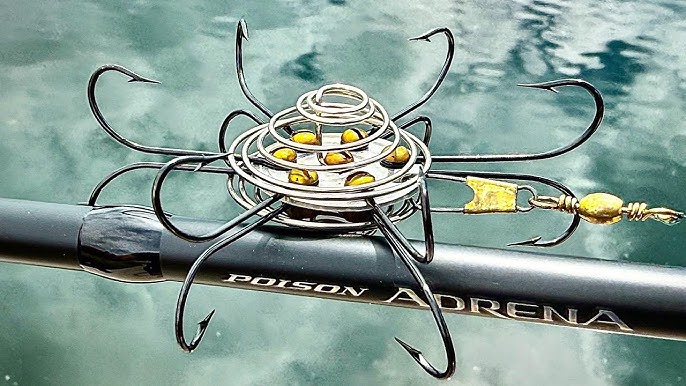
Are you struggling to get your fishing line to sink where you want it? Adding weight to your fishing line can make a huge difference in reaching the right depth and improving your catch.
Whether you’re fishing in deep water or fighting strong currents, knowing how to add weight correctly gives you better control and more success. You’ll discover simple, effective ways to add weight to your fishing line that anyone can use. Keep reading, and you’ll soon master a key skill that can transform your fishing experience.

Credit: www.ebay.ca
Choosing The Right Weight
Adding weight to your fishing line helps control how your bait moves in the water. The right weight can improve casting distance and help reach fish in different depths.
Choosing the correct weight depends on several factors. These include the type of weight, the fish you want to catch, and the water conditions.
Types Of Fishing Weights
Fishing weights come in many shapes and sizes. Each type works best in different fishing situations.
- Sinker: A common round weight that helps sink the bait quickly.
- Split Shot: Small, easy to attach weights for light fishing.
- Egg Sinkers: Oval-shaped, allow the line to slide through.
- Pyramid Sinkers: Pointed shape, good for sandy bottoms.
- Bell Sinkers: Round with a loop, often used in surf fishing.
Selecting Weight Based On Fish Species
Different fish species require different fishing weights. Heavier weights work for bigger fish and deeper waters. Lighter weights suit small fish and shallow areas.
| Fish Species | Recommended Weight | Reason |
| Trout | 1/16 to 1/4 oz | Light weight for clear, shallow streams |
| Bass | 1/4 to 1 oz | Moderate weight for lakes and ponds |
| Catfish | 1 to 3 oz | Heavier weight to hold bait in current |
| Saltwater Species | 2 to 4 oz or more | Strong currents and deep water require heavy weight |
Considering Water Conditions
Water type and movement affect the weight choice. Fast currents need heavier weights. Calm water allows lighter weights for natural bait movement.
- Clear water: Use lighter weights to avoid spooking fish.
- Murky water: Heavier weights help keep bait near fish.
- Deep water: Heavier weights reach the desired depth quickly.
- Shallow water: Lighter weights keep bait from hitting the bottom.
Adding Split Shot Sinkers
Adding weight to your fishing line helps your bait sink to the right depth. Split shot sinkers are small, round weights that pinch onto the line. They are easy to add and adjust.
Using split shots lets you control how fast and how deep your bait sinks. This improves your chances of catching fish at different water levels.
Where To Attach Split Shots
Attach split shot sinkers a few inches above the hook or lure. This placement keeps the bait looking natural in the water. It also helps the bait move freely without too much weight.
You can add more split shots higher on the line to increase the sinking speed. Avoid placing them too close to the hook, or the bait may not move well.
Pinching Techniques For Secure Fit
Use pliers to gently pinch the split shot onto the line. Do not squeeze too hard or you might damage the line. Pinch firmly enough so the weight does not slide down.
Make sure the split shot is closed all the way. Check that it grips the line evenly to avoid weak spots. A secure fit keeps the sinker in place while fishing.
- Hold the split shot with pliers at the opening
- Place the fishing line inside the split shot
- Squeeze the split shot gently but firmly
- Check that it does not move along the line
Adjusting Weight Distribution
Place split shots at different points on the line to balance weight. This helps control how the bait swims and sinks. Spread the weight out for better stability.
Add more split shots if the bait sinks too slowly. Remove some if it sinks too fast. Adjust the position and number until you find the right balance.
- Start with one split shot near the hook
- Add more above if needed to increase sink speed
- Move weights up or down to change bait action
- Test by casting and watching how the bait sinks
Using Slip Sinkers
Slip sinkers help add weight to your fishing line. They slide freely on the line. This allows better control over bait movement and casting distance.
Many anglers choose slip sinkers to improve their fishing technique. They are simple to use and effective in various water conditions.
Benefits Of Slip Sinkers
Slip sinkers offer several advantages over fixed weights. They let fish take the bait without feeling heavy resistance. This increases your chance of a catch.
- Allow natural bait movement
- Help cast farther distances
- Reduce line tangling
- Suitable for different fishing depths
- Easy to change sinker weight
Threading Slip Sinkers Properly
To thread a slip sinker, slide it onto the main line first. Next, add a small bead to protect the knot. Finally, tie your hook or swivel below the bead.
| Step | Action |
|---|---|
| 1 | Slide slip sinker onto the main line |
| 2 | Add a bead below the sinker |
| 3 | Tie a swivel or hook below the bead |
Combining With Bobbers
Slip sinkers work well with bobbers. The sinker slides below the bobber, letting the bait float at the right depth. This setup alerts you when a fish bites.
- Attach the bobber above the slip sinker
- Adjust the bobber height for desired bait depth
- Use the slip sinker to add casting weight
- Watch the bobber for fish activity

Credit: fishingbooker.com
Employing Inline Weights
Adding weight to your fishing line can improve casting and lure depth. Inline weights are an effective choice for this task.
These weights are streamlined and slide on the line easily. This helps you maintain control and precision in your fishing technique.
Choosing Inline Weights For Casting Distance
Selecting the right inline weight affects how far you can cast. Heavier weights are suitable for longer distances.
Consider the fishing conditions, like wind and water current. Adjust your weights accordingly for better performance.
- Use lighter weights for calm waters
- Choose heavier weights for windy days
- Adjust based on the fish species you target
Attaching Inline Weights Correctly
Properly attaching inline weights ensures they stay secure. Slide the weight onto the line before tying your hook.
Ensure the weight is snug but not too tight. This allows it to move slightly, which can improve your bait’s action.
- Check the weight’s position regularly
- Ensure it doesn’t interfere with your lure
- Keep the weight balanced for smooth casting
Balancing Weight For Lure Action
Balancing weight is crucial for maintaining lure action. The right weight helps your lure mimic natural movements.
Experiment with different weights to find what works best. Always observe how your lure behaves in the water.
- Test lure action in shallow water
- Adjust weights to optimize movement
- Balance is key for attracting fish
Adding Weight With Weighted Hooks And Lures
Adding weight to your fishing line helps cast further and reach deeper water. Weighted hooks and lures offer a simple way to add this weight.
This guide explains types of weighted hooks, how to use weighted lures, and how to match weight to your casting needs.
Types Of Weighted Hooks
Weighted hooks come in several styles. Each style suits different fishing conditions and fish species.
- Split Shot Hooks:Small weights pinched onto the line above the hook. Easy to add or remove.
- Bullet Weights:Shaped like a bullet, these slide onto the line and add weight near the hook.
- Lead Head Hooks:Hooks molded with a lead head to add weight directly to the hook.
- Inline Weights:Weights built inside the hook or lure for a balanced feel.
Using Weighted Lures Effectively
Weighted lures sink faster and cast longer. Use them to reach fish that stay deep or far from shore.
- Choose a lure weight based on water depth and current strength.
- Use slow retrieves to keep the lure near the bottom.
- Try different lure shapes to match local baitfish.
- Keep your line tight to feel strikes better.
Matching Weight To Casting Needs
Choosing the right weight helps improve your cast and fishing success. Too light or too heavy weight affects control.
| Water Condition | Recommended Weight | Notes |
| Calm, shallow water | 1/16 to 1/8 oz | Use light weights for subtle casts |
| Moderate currents | 1/4 to 3/8 oz | Heavier weight helps keep bait down |
| Deep or rough water | 1/2 oz or more | Strong weight needed for distance and depth |
Tips For Better Casting
Adding weight to your fishing line can help you cast farther and more accurately. It lets the lure fly through the air with more force.
Using the right techniques and equipment also improves your casting. Small changes make a big difference in your fishing experience.
Adjusting Casting Technique
Change your casting style to handle the added weight better. Use a smooth and steady motion to avoid jerks.
Try to release the line at the right moment to get maximum distance. Keep your wrist firm but flexible during the cast.
- Use a longer backswing for more power
- Keep the rod tip low when you start casting
- Release the line when the rod is at 10 o’clock position
Preventing Line Tangles
Weighted lines can cause more tangles if not handled well. Keep your line loose and avoid forcing the cast.
Check your line for twists before casting. Twists make the line curl and form knots in the air.
- Use swivel connectors to reduce line twist
- Keep the spool tight but not too tight
- Practice smooth, controlled casts
Maintaining Equipment For Smooth Casts
Clean your rod and reel regularly to avoid dirt buildup. Dust and grime slow down the line flow.
Check your reel drag and line guides for damage. Damaged parts can cause snags and reduce casting distance.
- Lubricate reel parts as recommended
- Replace worn-out line guides
- Inspect the fishing line often for wear
Safety And Environmental Considerations
Adding weight to fishing lines helps improve casting and bait control. It is important to think about safety and the environment when adding weights. Using the right amount and type of weight can protect fish and water habitats.
Follow simple guidelines to avoid harm to yourself and nature. This guide explains how to add weight safely and responsibly.
Avoiding Excessive Weight
Using too much weight can cause fishing line breaks or harm fish. It can also make casting harder and unsafe. Keep weight low enough to match your fishing rod and line limits.
- Check your rod’s weight capacity before adding sinkers.
- Choose the smallest weight that achieves good casting distance.
- Test your setup in water to avoid line snapping.
- Remove extra weight if you notice strain or poor control.
Using Eco-friendly Sinkers
Lead sinkers can harm wildlife and pollute water. Using eco-friendly sinkers helps protect ecosystems and fish health. Options include tin, steel, tungsten, and bismuth.
| Material | Benefits | Considerations |
|---|---|---|
| Tin | Non-toxic and lightweight | Less dense than lead |
| Steel | Durable and affordable | Heavier than tin |
| Tungsten | Very dense, small size | More expensive |
| Bismuth | Non-toxic and heavy | Less common |
Disposing Of Weights Properly
Improper disposal of fishing weights can pollute water and harm animals. Do not throw weights into lakes or rivers. Recycle or dispose of them safely.
- Collect old or damaged weights after fishing.
- Take them to local recycling centers if possible.
- Check for hazardous waste programs that accept fishing gear.
- Use containers to store weights until proper disposal.

Credit: www.youtube.com
Frequently Asked Questions
What Types Of Weights Can I Add To Fishing Line?
You can use split shot, egg sinkers, or sliding weights. Each type suits different fishing styles and water conditions. Choose weights that match your fishing environment for better casting and bait control.
How Do I Attach Weights Without Damaging The Line?
Pinch split shot weights gently onto the line. Avoid squeezing too hard to prevent line damage. Use sliding sinkers that move freely to reduce stress on the line during casting.
Why Add Weight To My Fishing Line?
Adding weight helps cast farther and reach deeper water. It stabilizes the bait in currents and improves hook setting. Proper weighting increases your chances of catching fish effectively.
Can Adding Too Much Weight Harm Fishing Performance?
Yes, excess weight can reduce casting distance and cause line breakage. It may also scare fish away by making unnatural bait movement. Balance weight based on line strength and fishing conditions.
Conclusion
Adding weight to your fishing line helps improve casting distance and bait presentation. Choose the right weight type and size for your fishing needs. Attach weights carefully to avoid line damage and tangles. Test your setup before fishing to ensure proper balance and control.
Practice these simple steps to fish more effectively and enjoy your time on the water. Keep experimenting to find what works best for you. Fishing gets easier with the right tools and techniques.