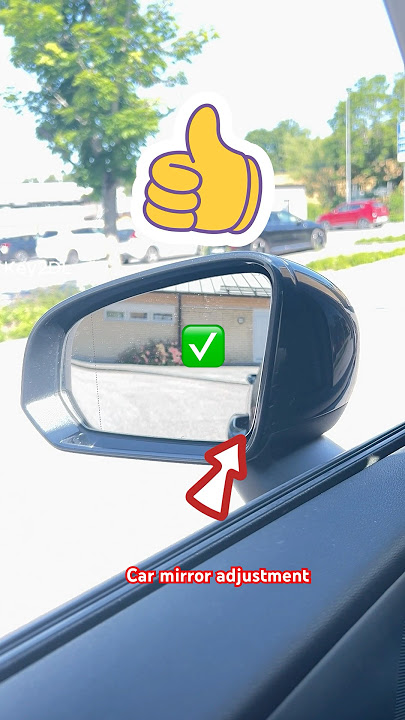
Are your car’s side view mirrors set just right? If not, you could be missing out on a safer, smoother driving experience.
Adjusting your side view mirrors properly isn’t complicated, but it can make a huge difference in how well you see the road and avoid blind spots. In this guide, you’ll learn simple steps to get your mirrors perfectly aligned. By the time you finish reading, you’ll feel more confident behind the wheel and ready to drive with better awareness.
Let’s make sure your mirrors are working for you, not against you.

Credit: www.youtube.com
Importance Of Proper Mirror Adjustment
Properly adjusting your car side view mirrors helps you see the road better. It makes driving safer and easier.
Good mirror settings reduce blind spots and increase your awareness of other vehicles. This lowers the chance of accidents.
Reducing Blind Spots
Blind spots are areas you cannot see with your mirrors. Adjusting side mirrors correctly can shrink these areas.
- Position the mirror so you barely see the side of your car.
- Adjust the mirror outward to cover more road beside you.
- Check blind spots by turning your head before changing lanes.
Enhancing Road Awareness
Proper mirror adjustment helps you track other vehicles and objects around you. This improves your reaction time.
| Mirror | Best Angle | Purpose |
| Left Side | Outward | See cars on left side |
| Right Side | Outward | Cover right lane and traffic |
| Rear View | Straight | See directly behind the car |
Preventing Accidents
Mirrors help you avoid crashes by showing other cars, pedestrians, and obstacles. Proper use lowers risk.
Tips for safe mirror use:
- Check mirrors often while driving.
- Adjust mirrors before starting your trip.
- Use mirrors along with turning your head.
- Keep mirrors clean for clear vision.
Types Of Side View Mirrors
Side view mirrors help drivers see areas beside and behind their cars. They improve safety by reducing blind spots.
There are different types of side view mirrors. Each type offers specific features for better driving.
Manual Vs. Power Mirrors
Manual mirrors require you to adjust them by hand. You move the mirror glass directly to get the right angle.
Power mirrors use electric controls inside the car. You can adjust them with buttons or a joystick.
- Manual mirrors are simple and cost less.
- Power mirrors are easier to adjust while driving.
- Power mirrors often have memory settings for different drivers.
Heated And Auto-dimming Mirrors
Heated mirrors have built-in heating elements. They melt ice and clear fog in cold weather.
Auto-dimming mirrors reduce glare from headlights. They darken automatically to protect your eyes at night.
- Heated mirrors improve visibility in winter.
- Auto-dimming mirrors increase night driving comfort.
- Some mirrors combine both features for extra convenience.
Preparing To Adjust Mirrors
Adjusting your car’s side view mirrors helps you see better while driving. Proper mirror settings reduce blind spots and keep you safe.
Before you change the mirrors, prepare your seating and lighting. These steps make sure your adjustments are correct and useful.
Setting Your Seat Position
Your seat must be in the right position before adjusting mirrors. This helps you see clearly and reach controls easily.
Make sure your back is straight and you can press pedals without stretching. Adjust the seat height and distance from the steering wheel.
- Sit upright with your back against the seat
- Adjust seat forward or backward for pedal reach
- Set seat height for a clear view through windows
- Position headrest to support your head comfortably
Ensuring Proper Lighting Conditions
Good lighting helps you see the mirrors clearly. Adjust your mirrors in daylight or bright conditions for best results.
Avoid adjusting mirrors in dark or dim light. Shadows and glare can affect your view and lead to wrong settings.
- Adjust mirrors during the day if possible
- Use garage lights if outside light is low
- Avoid sun glare that can blind your eyes
- Clean mirrors before adjusting for a clear view
Credit: www.cardekho.com
Step-by-step Mirror Adjustment
Adjusting your car’s side view mirrors is important for safe driving. Properly set mirrors help you see other vehicles and obstacles.
Follow the steps below to adjust both mirrors correctly. This guide makes the process easy and clear.
Adjusting The Driver’s Side Mirror
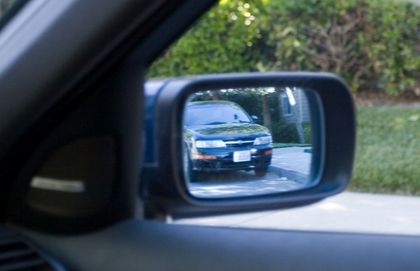
Sit in the driver’s seat and lean your head towards the window. Adjust the mirror so you can just see the side of your car. This helps reduce blind spots.
- Lean your head to the left window.
- Move the mirror until you see a small part of your car’s side.
- Check that you have a wide view of the road behind.
Adjusting The Passenger’s Side Mirror
Shift your head to the center of the car. Adjust the passenger side mirror until the side of the car just appears on the inner edge of the mirror.
| Head Position | Mirror Adjustment |
| Center of Car | Side of car visible on mirror edge |
| Driver’s Side | Side of car visible on mirror edge |
| Normal Sitting | Wide view of road behind |
Fine-tuning For Optimal View
After basic adjustment, check your mirrors while sitting normally. Use small movements to improve your view.
- Adjust mirrors so you can see cars in the next lane.
- Make sure mirrors show the horizon line.
- Reduce glare by tilting mirrors slightly downward at night.
- Test mirror view by asking someone to walk behind the car.
Common Mistakes To Avoid
Adjusting car side view mirrors is important for safe driving. Many drivers make simple mistakes that reduce mirror effectiveness.
Knowing which errors to avoid helps you set your mirrors correctly. This guide covers common mistakes and how to fix them.
Overlapping Mirror Views
One mistake is setting mirrors so their views overlap a lot. This means you see the same area in both mirrors.
Overlapping limits your total field of view. You miss seeing cars in other lanes because the mirrors cover the same spot.
- Adjust each mirror outward to reduce overlap.
- Side mirrors should just barely show the side of your car.
- This increases your view of adjacent lanes and reduces blind spots.
Ignoring Blind Spots
Many drivers do not check or adjust mirrors to cover blind spots. Blind spots are areas not visible in your mirrors.
Ignoring blind spots increases the risk of accidents when changing lanes or merging.
- Adjust mirrors to cover as much side area as possible.
- Use quick head checks to spot vehicles in blind spots.
- Consider additional blind spot mirrors if needed.
Adjusting Mirrors While Driving
Adjusting mirrors while driving is unsafe and can cause distractions. It is a common but dangerous mistake.
Make mirror adjustments before you start driving or when your car is parked.
- Stop your car in a safe place before adjusting mirrors.
- Adjust mirrors gradually for the best view.
- Check mirror positions regularly but only when the car is still.
Additional Tips For Mirror Use
Side view mirrors help drivers see the road behind and beside them. Using mirrors correctly improves safety. Here are some extra tips to get the best use from your mirrors.
Proper mirror use reduces blind spots and helps you make safe driving decisions. Learn how to use and maintain mirrors well.
Using Mirrors With Head Checks
Mirrors show most of the area around your car but not everything. Always look over your shoulder before changing lanes or turning. This is called a head check.
Head checks help catch vehicles in blind spots. Use your mirrors first, then quickly glance beside you to be sure the lane is clear.
- Check mirrors before signaling
- Turn your head to check blind spots
- Use both mirrors and head checks together
- Practice head checks until they become a habit
Regular Mirror Maintenance
Keep your mirrors clean and in good condition. Dirty or damaged mirrors reduce visibility and safety. Check mirrors often and fix any issues right away.
Cleaning mirrors is simple. Use a soft cloth and glass cleaner to wipe them. Check for cracks or loose parts that need repair or replacement.
- Clean mirrors weekly or more often in bad weather
- Remove water spots and dirt for clear views
- Check mirror adjustments regularly
- Fix or replace broken mirrors quickly
Adjusting Mirrors For Different Drivers
Different drivers need different mirror settings. Adjust mirrors before driving. This helps each driver see clearly and stay safe on the road.
Make small changes to the mirror angles for your height and seating position. Check all mirrors after adjusting the seat.
- Adjust side mirrors to show the side of your car
- Set the rearview mirror to see straight behind
- Re-check mirrors after any seat changes
- Teach passengers to adjust mirrors before driving

Credit: www.youtube.com
Frequently Asked Questions
How Do I Properly Adjust Car Side View Mirrors?
To adjust side mirrors, sit in the driver’s seat and align the mirror so you see the side of your car. Tilt the mirror outward to cover blind spots, ensuring minimal overlap with the rearview mirror’s view.
Why Is Adjusting Side View Mirrors Important?
Properly adjusted mirrors reduce blind spots, improving safety while driving. They help you see approaching vehicles and obstacles, preventing accidents during lane changes and parking.
When Should I Adjust My Car Side Mirrors?
Adjust mirrors before driving each time, especially if others have used your car. Also, readjust after seat position changes to maintain optimal visibility and safety.
Can Incorrect Mirror Adjustment Cause Accidents?
Yes, poorly adjusted mirrors increase blind spots, limiting your view. This raises the risk of collisions when changing lanes or merging in traffic.
Conclusion
Adjusting your car’s side view mirrors is essential for safe driving. Proper alignment reduces blind spots and enhances visibility. Always ensure mirrors provide a clear view of lanes and road. Adjust them while seated in your usual driving position. Regularly check mirror settings for changes over time.
This simple task can prevent accidents and improve road awareness. Remember to adjust mirrors before starting your journey. Safe driving starts with proper preparation. Stay alert and focused on the road. Your mirrors are your allies. Use them wisely for a safer driving experience.