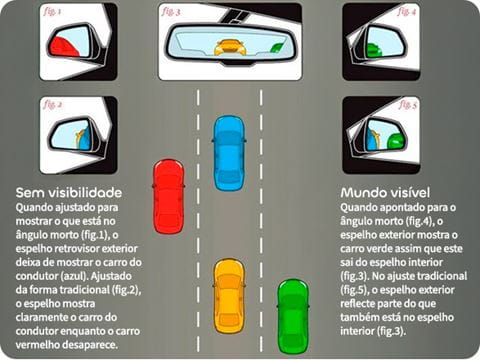
Are your car mirrors really set up to keep you safe on the road? Many drivers overlook this simple step, but adjusting your mirrors correctly can make a huge difference in what you see—and what you don’t.
Imagine cutting down your blind spots and driving with confidence every time you get behind the wheel. You’ll discover easy, step-by-step tips to adjust your car mirrors perfectly. Keep reading, because a few quick changes could protect you from accidents and give you peace of mind on every drive.
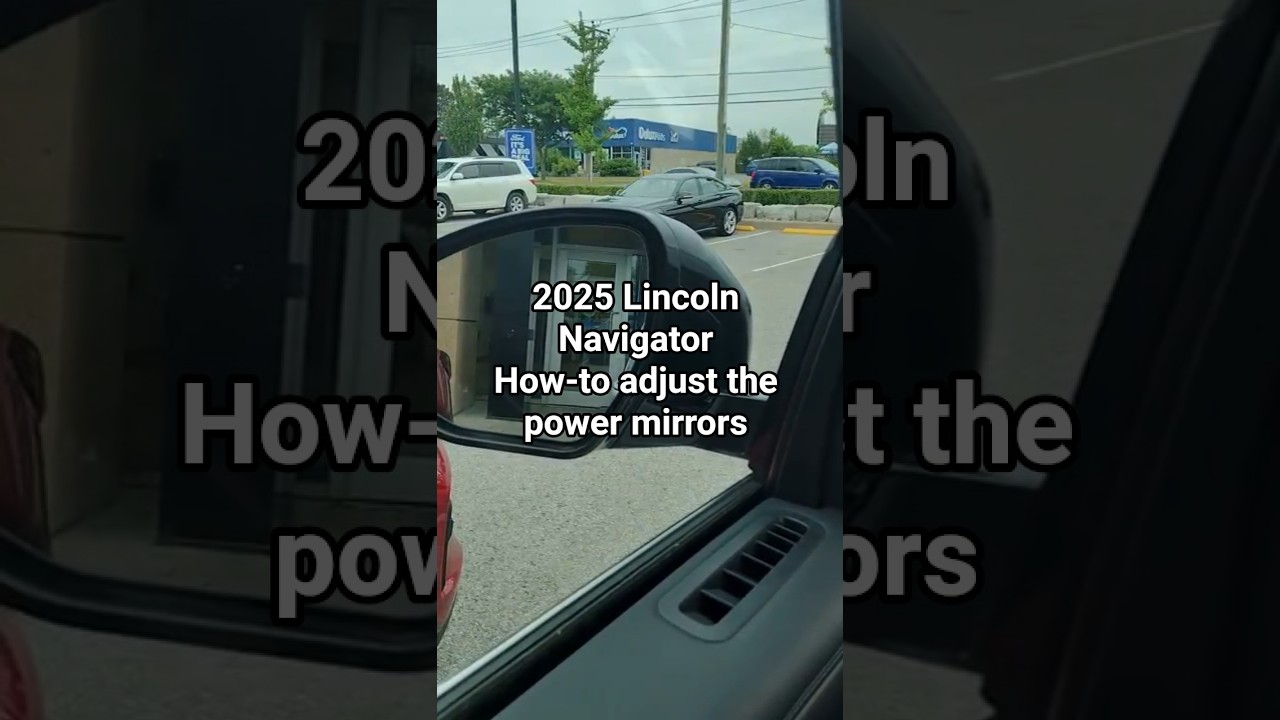
Credit: www.youtube.com
Mirror Types In Cars
Mirrors in cars help drivers see areas around the vehicle. They improve safety by showing what is behind and beside you.
There are different mirror types with specific uses. Knowing these types helps you adjust them properly.
Side Mirrors
Side mirrors are on the left and right sides of the car. They show the lanes next to you and help in changing lanes safely.
- Usually adjustable from inside the car
- Help see cars in adjacent lanes
- Reduce blind spots when set correctly
Rearview Mirror
The rearview mirror is inside the car, mounted on the windshield. It shows the view directly behind your vehicle.
| Feature | Description |
| Position | Center of the windshield |
| Purpose | View traffic behind the car |
| Adjustment | Move until you see the entire rear window |
Blind Spot Mirrors
Blind spot mirrors are small mirrors added to side mirrors. They help see areas not covered by regular mirrors.
- Place them on the outer edge of side mirrors
- Adjust to cover areas you cannot see
- Check them before changing lanes

Credit: www.reddit.com
Importance Of Proper Mirror Adjustment
Adjusting your car mirrors correctly is very important. It helps you see the road and other vehicles clearly.
Proper mirror settings reduce accidents and make driving safer for you and others.
Enhancing Road Safety
Correct mirror adjustment lets you spot cars and obstacles quickly. This helps you react faster and avoid crashes.
Mirrors show what is behind and beside your car. This helps you change lanes or stop safely.
Reducing Blind Spots
Proper mirror setup lowers blind spots around your car. Blind spots are areas you cannot see in your direct view.
Reducing blind spots helps you avoid hitting other vehicles or pedestrians when turning or changing lanes.
- Adjust side mirrors outward slightly
- Check blind spots by glancing over your shoulder
- Use mirrors and head checks together
Improving Driving Confidence
When you can see clearly, you feel more confident driving. You trust your views and make better decisions.
Good mirror adjustment reduces stress. You can focus on driving safely without guessing what is around you.
Preparing To Adjust Mirrors
Adjusting your car mirrors correctly helps you see the road better. It makes driving safer for you and others.
Before you move the mirrors, you need to prepare your seating and check the mirror controls. This setup helps you adjust with ease.
Seating Position Setup
Set your seat so you can reach the pedals and steering wheel comfortably. Your back should be supported and your headrest in place.
- Sit upright with your back against the seat
- Adjust seat height to see outside clearly
- Move seat forward or backward to reach pedals easily
- Set headrest to the middle of your head
- Keep your arms slightly bent on the steering wheel
Checking Mirror Controls
Find the controls for your side mirrors inside the car. These controls let you move the mirrors up, down, left, or right.
| Control Type | Location | Function |
|---|---|---|
| Joystick | Driver’s door panel | Move mirror in all directions |
| Buttons | Center console | Select left or right mirror and adjust |
| Manual Lever | Near side mirror | Adjust mirror by hand |
Adjusting Side Mirrors
Side mirrors help you see the road beside your car. Properly adjusted mirrors reduce accidents. Learn how to set them for the best view.
Adjusting side mirrors is easy. It improves safety by showing cars in your blind spots and beside you.
Positioning For Optimal Side View
Place your head close to the window on the side you want to adjust. Move the mirror until you see the side of your car just barely in the mirror’s inner edge.
- Lean your head to the left window for the left mirror.
- Lean your head to the center of the car for the right mirror.
- Adjust mirror so the car’s side shows a small part in the mirror.
- Make sure the road and lanes behind are clear in the mirror.
Minimizing Blind Spots
Blind spots are areas you cannot see in your mirrors. Proper mirror adjustment helps to reduce these hidden zones around your car.
| Mirror | Blind Spot Coverage | Adjustment Tip |
| Left Side | Left rear lane | See just a sliver of your car’s side |
| Right Side | Right rear lane | See just a sliver of your car’s side |
Using The ‘lean Test’ Method
The ‘Lean Test’ helps you check if the mirrors are set right. Lean your head and watch what the mirror shows.
- Lean your head to the left window and adjust the left mirror.
- Lean your head to the center and adjust the right mirror.
- Sit back in the normal driving position and check both mirrors.
- Make small adjustments if any blind spots remain.
Setting The Rearview Mirror
The rearview mirror helps you see what is behind your car. Setting it right is key for safe driving.
Adjust your mirror before you start driving. This way, you can check traffic easily and avoid accidents.
Centering The Rear View
Sit in your normal driving position. Look straight ahead and move the mirror to see the rear window center.
The mirror should show as much of the rear window as possible. This helps you watch traffic behind your car.
- Keep your head straight and eyes forward
- Adjust the mirror until the rear window fills the view
- Check that you can see directly behind the car clearly
Adjusting For Night Driving
Use the night mode feature to reduce glare from headlights behind you. Most rearview mirrors have a small tab to flip.
Flip the tab to change the mirror angle slightly. This cuts down the bright light and helps you see better at night.
- Flip the tab on the bottom of the mirror
- Check that headlights behind you are less bright
- Return to normal position during the day for a clear view

Credit: www.youtube.com
Using Blind Spot Mirrors
Blind spot mirrors help drivers see areas not covered by regular side mirrors. They reduce the risk of accidents during lane changes. Adjusting these mirrors correctly is important for safety on the road.
These small mirrors attach to your existing side mirrors. They give a wider view of the sides and rear of your vehicle. Knowing how to place and angle them improves their effectiveness.
Placement And Angle Tips
Place blind spot mirrors on the outer edge of your side mirrors. The exact spot depends on your vehicle’s mirror size and shape.
- Clean the side mirror surface before attaching the blind spot mirror.
- Stick the blind spot mirror firmly to avoid it falling off.
- Adjust the angle so you can see the lane next to your car clearly.
- Position it to cover the area that your side mirror misses.
- Check the view from the driver’s seat to ensure no blind spots remain.
When To Use Blind Spot Mirrors
Use blind spot mirrors in busy traffic or on highways. They help detect vehicles in lanes beside you. These mirrors are also useful when towing or driving larger vehicles.
| Situation | Benefit of Blind Spot Mirrors |
| Heavy traffic | See vehicles in adjacent lanes easily |
| Highway driving | Spot fast-moving cars in blind spots |
| Towing trailers | Monitor trailer sides and surrounding traffic |
| Changing lanes | Reduce risk of collisions with unseen cars |
Common Mistakes To Avoid
Adjusting car mirrors properly is important for safe driving. Many drivers make simple mistakes.
These mistakes reduce visibility and increase the risk of accidents. Learn what to avoid.
Overlapping Mirror Views
One common mistake is setting mirrors so their views overlap too much. This creates blind spots.
Each mirror should show a different part of the road. Overlapping views waste mirror space.
- Adjust side mirrors to just show the edge of your car
- Make sure side mirrors cover lanes next to your car
- Rearview mirror should show the full rear window
Ignoring Mirror Cleaning
Dirty mirrors reduce how well you can see behind you. Dust, rain, and smudges block your view.
Always clean your mirrors before driving. Clear mirrors improve safety and confidence.
- Use a soft cloth and glass cleaner
- Clean mirrors often, especially after bad weather
- Check mirrors for spots and streaks
Neglecting Regular Adjustments
Many drivers adjust mirrors once and forget about them. This can cause problems if others drive your car.
Mirrors should be checked and adjusted regularly to fit the current driver’s needs.
- Adjust mirrors every time you start driving
- Check mirror positions after someone else drives your car
- Make small changes to cover any blind spots
Maintaining Mirror Effectiveness
Car mirrors help drivers see around their vehicle. Keeping mirrors clear and well set is very important.
Proper mirror care improves safety and reduces blind spots on the road.
Cleaning Techniques
Clean mirrors regularly to remove dust, dirt, and water spots. Use a soft cloth to avoid scratches.
Use mild soap and water or a glass cleaner made for mirrors. Avoid harsh chemicals that can damage the surface.
- Wipe gently with a microfiber cloth
- Spray cleaner on the cloth, not on the mirror
- Dry the mirror completely to prevent streaks
Inspecting For Damage
Check mirrors for cracks, chips, or loose parts. Damaged mirrors can reduce visibility and cause accidents.
Look closely at the edges and mounting points. Replace mirrors if you see any serious damage.
- Look for cracks or scratches on the glass
- Check if mirrors move smoothly and stay in place
- Ensure mirror housings are secure and not broken
Upgrading Mirror Features
Modern mirrors can include features like heating, automatic dimming, and blind spot detection. Upgrading helps improve safety.
Consider adding these features if your car does not have them. They make driving easier in different conditions.
- Heated mirrors prevent fog and ice buildup
- Auto-dimming reduces glare from headlights
- Blind spot monitors alert you to nearby vehicles
Frequently Asked Questions
How Do I Properly Adjust Side Mirrors?
To adjust side mirrors, sit in your normal driving position. Tilt the mirror outward until you see just the edge of your car. This minimizes blind spots and maximizes visibility. Ensure both mirrors provide a clear view of the lanes beside you.
What Is The Correct Position For The Rearview Mirror?
The rearview mirror should reflect the entire rear window. Adjust it so you have a clear, unobstructed view of the road behind. Sit comfortably and ensure you can see the traffic clearly without moving your head.
How Can I Reduce Blind Spots While Driving?
Adjust side mirrors outward to barely see your car’s sides. This widens your field of vision and reduces blind spots. Regularly check mirrors and glance over your shoulder when changing lanes to ensure complete awareness of your surroundings.
Why Is Mirror Adjustment Important For Safety?
Proper mirror adjustment enhances visibility, reducing blind spots and the risk of accidents. It ensures you can monitor surrounding traffic effectively. By having a clear view, you can make safer driving decisions and react promptly to potential hazards.
Conclusion
Adjusting your car mirrors helps you see better and drive safer. Check each mirror before you start driving. Small changes can make a big difference in your view. Keep your mirrors clean and free from obstructions. Practice adjusting mirrors until it feels natural.
Safe driving starts with good visibility all around. Remember, clear mirrors help avoid accidents and surprises. Stay alert and keep your eyes on the road. Simple steps like these improve your driving experience every day.