Are your car mirrors set just right? If they aren’t, you might be missing crucial views while driving, putting your safety at risk.
Knowing how to adjust mirrors on your car isn’t just a simple task—it’s a skill that can keep you alert and aware on the road. In this guide, you’ll learn easy, step-by-step tips to position your mirrors perfectly. By the end, you’ll feel more confident and in control every time you get behind the wheel.
Ready to see the difference? Let’s dive in.
Mirror Types In Cars
Car mirrors help drivers see what is around them. They improve safety on the road. There are different types of mirrors in a car.
Each mirror type has a special job. Knowing about them helps you adjust them correctly.
Side Mirrors
Side mirrors are on the left and right sides of the car. They show the areas beside and behind your car. These mirrors help you see cars in the next lanes.
Adjust side mirrors so you can see a small part of your car. This helps judge distance and reduces blind spots.
- Place your head near the window when adjusting
- Move the mirror outward until you see just a little of your car
- Check that you can see cars in the lanes next to you
Rearview Mirror
The rearview mirror is inside the car on the windshield. It shows what is directly behind your car. This mirror helps you see traffic behind you.
Adjust the rearview mirror so you see the full rear window. Keep your head centered to get a clear view.
- Sit in your normal driving position
- Move the mirror until you see the entire back window
- Use the night mode to reduce glare from headlights
Blind Spot Mirrors
Blind spot mirrors are small mirrors added to side mirrors. They show areas you cannot see with regular mirrors. They help spot cars in blind spots.
Adjust blind spot mirrors to cover the side areas that side mirrors miss. They give extra safety when changing lanes.
- Attach blind spot mirrors to the outer edge of side mirrors
- Angle them to show areas beside and slightly behind your car
- Check their view by watching cars in the next lane
Signs Of Poor Mirror Adjustment
Properly adjusted mirrors are key for safe driving. Poor adjustment can lead to dangerous situations on the road.
Understanding the signs of improper mirror setup helps you make necessary adjustments for better safety.
Frequent Blind Spots
Blind spots occur when your mirrors don’t cover all angles. This can lead to collisions if you don’t see other vehicles in time.
- Cars disappear when passing
- Hard to see bicycles and motorcycles
- Larger vehicles block entire lanes
Limited Rear Visibility
Limited rear visibility means you can’t see clearly behind your car. This can cause problems when changing lanes or reversing.
Proper mirror adjustment helps you see vehicles and objects behind you. It ensures better awareness of your surroundings.
Excessive Neck Movement
Excessive neck movement is a sign your mirrors aren’t set right. This can be tiring and unsafe while driving.
With well-adjusted mirrors, you should not need to turn your head much. It provides comfort and keeps your focus on the road.
Preparing To Adjust Mirrors
Adjusting your car mirrors properly helps you see better and drive safely. Before you start, some preparation is important.
This guide covers key steps to get ready for mirror adjustment. Follow each part carefully for the best results.
Seating Position Setup
Set your seat so you can reach all pedals comfortably. Your back should rest against the seat with arms slightly bent.
- Adjust seat height for clear view through windows
- Move seat forward or backward to reach pedals easily
- Set seat back angle for good posture and comfort
- Make sure headrest is at eye level
Clearing Obstructions
Remove items that block your view from inside the car. Check both side and rear windows for clear sightlines.
| Common Obstructions | How to Fix |
| Hanging objects | Take them down |
| Dirty windows | Clean thoroughly |
| Heavy bags or boxes | Rearrange or remove |
| Window tinting | Use appropriate legal tint |
Adjusting In Daylight
Adjust your mirrors during daylight for better visibility. Low light can hide blind spots and distort colors.
Tips for adjusting mirrors in daylight:
- Park your car in a safe, well-lit area
- Use natural light to see mirror reflections clearly
- Double-check adjustments by looking at the edges of your car in mirrors
- Make small changes and test by moving your head slightly
Adjusting Side Mirrors
Side mirrors help drivers see areas beside and behind the car. Proper adjustment improves safety. It reduces blind spots and helps with lane changes.
This guide explains how to adjust side mirrors for better visibility and safer driving.
Minimizing Blind Spots
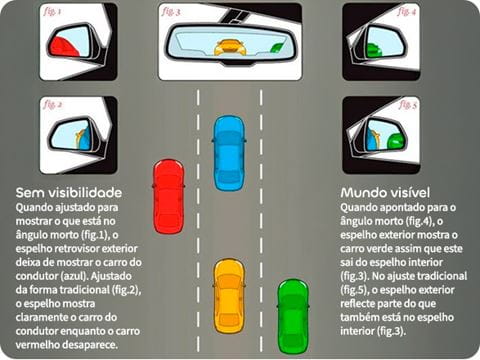
Blind spots are areas not visible in your mirrors. Adjust side mirrors to cover these spots. This helps avoid crashes when changing lanes.
- Lean your head against the driver’s side window.
- Adjust the left mirror until you can barely see the side of your car.
- Lean your head to the center of the car.
- Adjust the right mirror the same way.
- Check if you can see cars in the next lane without turning your head.
Aligning With Vehicle Sides
Proper alignment shows the car’s sides to give a reference point. This helps judge distances from other vehicles and objects.
| Mirror | What to See |
| Driver Side | Just a small part of your car’s side |
| Passenger Side | Small part of your car’s side and road behind |
Using Reference Points
Reference points help check mirror positions quickly. Use objects around you to confirm correct angles.
Here are common reference points for side mirrors:
- Side of the car visible at the edge of the mirror.
- Road lane markings to track nearby vehicles.
- Parked cars to judge distance when parking.
Adjusting Rearview Mirror
The rearview mirror helps you see cars behind you. Adjusting it correctly improves safety.
Proper mirror adjustment reduces blind spots and keeps your view clear while driving.
Centering Rear Window View
Look straight ahead and sit comfortably in the driver’s seat. Adjust the mirror until you see the entire rear window.
The mirror should show as much of the rear window as possible. This gives a full view of the road behind you.
Reducing Glare
Glare from headlights can hurt your eyes and reduce visibility at night. Adjust the mirror to cut glare.
Most rearview mirrors have a small tab below. Flip this tab to change the mirror angle and reduce glare.
- Flip tab forward for daytime use
- Flip tab backward to reduce glare at night
Using Night Mode
Night mode helps you see better when driving in the dark. It lowers the mirror’s brightness and glare.
To use night mode, flip the small lever on the mirror. This changes the mirror to a dimmer setting.
- Flip lever to activate night mode
- Flip lever back to return to normal mode
- Use night mode only when needed

Credit: www.youtube.com
Fine-tuning For Safety
Proper mirror adjustment is key for safe driving. It helps you see other cars and obstacles clearly.
Small changes to your mirrors can reduce blind spots and improve your awareness on the road.
Test Driving Checks
After adjusting mirrors, take your car for a short drive. Check if you see the sides and rear well.
- Look for areas you cannot see in your mirrors.
- Adjust the mirrors to cover those blind spots.
- Make sure the mirrors do not show too much of your car.
- Test again until you feel confident with your view.
Adjusting For Multiple Drivers
Each driver is different. Adjust mirrors to fit your height and seating position.
| Driver | Mirror Adjustment Tips |
| Shorter Driver | Lower side mirrors slightly to see the road better. |
| Taller Driver | Raise side mirrors to reduce blind spots at rear sides. |
| Different Seat Position | Re-check mirror angles each time you change seat position. |
Periodic Mirror Maintenance
Clean and check your mirrors regularly. Dirty mirrors reduce visibility.
Here are simple mirror care tips:
- Use a soft cloth to wipe mirrors clean.
- Check for cracks or damage often.
- Fix loose mirror mounts immediately.
Common Mistakes To Avoid
Adjusting your car mirrors is important for safe driving. Many drivers make simple mistakes when setting them.
These mistakes reduce your view and increase risks on the road. Avoid these common errors to stay safer.
Overlapping Views
One common mistake is setting mirrors so their views overlap too much. This reduces the overall field of vision.
When mirrors overlap, you see the same area twice but miss other important spots beside your car.
- Adjust side mirrors outward to reduce overlap
- Check that you see a small part of your car in side mirrors
- Make sure side mirrors cover areas not seen in the rearview mirror
Ignoring Blind Spots
Many drivers do not adjust mirrors to cover blind spots. Blind spots are areas you cannot see directly.
Ignoring blind spots leads to accidents when changing lanes or merging. Proper mirror angles help reduce blind spots.
- Move side mirrors outward to cover blind spots
- Check blind spots by turning your head before lane changes
- Use mirrors and head checks together for safety
Neglecting Regular Adjustments
Mirrors need regular adjustment as different drivers use the car. Settings can shift after bumps or cleaning.
Neglecting to adjust mirrors before driving reduces safety. Always check mirrors before starting your trip.
- Adjust mirrors after someone else has driven your car
- Check mirror position if you feel limited view
- Make small adjustments when you change your seating position

Credit: www.reddit.com

Credit: www.youtube.com
Frequently Asked Questions
How Do I Properly Adjust Car Side Mirrors?
Sit in your driving position and adjust each side mirror outward. Ensure you see a small part of your car’s side and maximize the road view. This reduces blind spots and improves safety while driving.
What Is The Best Angle For Rearview Mirror?
Position your rearview mirror to show the entire rear window. Adjust it so you can see directly behind your car without moving your head. This helps you monitor traffic and enhances overall driving awareness.
When Should I Adjust My Car Mirrors?
Adjust your mirrors before starting to drive, especially after someone else has driven your car. Proper mirror adjustment is crucial for safe lane changes and reversing, preventing accidents.
Can Mirror Adjustment Reduce Blind Spots?
Yes, correct mirror positioning minimizes blind spots. Adjust side mirrors to slightly overlap with the rearview mirror view. This setup helps detect vehicles in adjacent lanes more effectively.
Conclusion
Adjusting your car mirrors properly keeps you safe on the road. Clear side and rear views help avoid accidents. Take a few minutes before driving to set each mirror. Small changes make a big difference in your visibility. Always check mirrors again after someone else drives your car.
Good mirror adjustment means better awareness of your surroundings. Drive with confidence knowing you see what matters most. Remember, safe driving starts with clear sightlines.