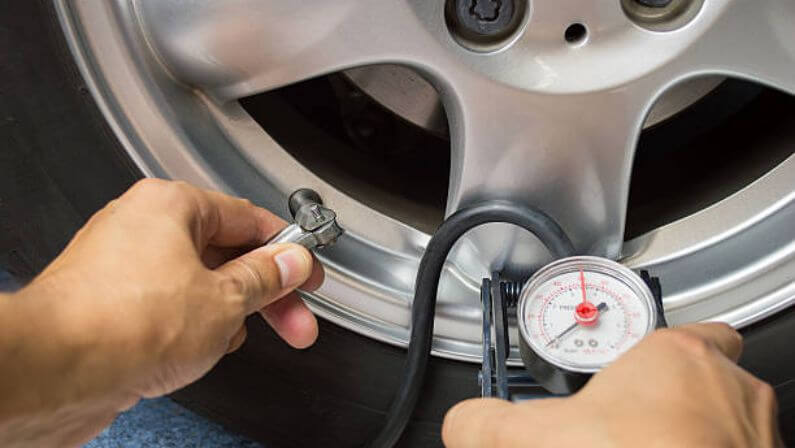
Have you ever noticed your car doesn’t feel as smooth on the road? Or maybe your gas mileage isn’t what it used to be?
The secret could be in your tires—and how well they are inflated. Knowing how to air car tires properly can save you money, improve safety, and make your driving experience much better. You’ll discover simple steps to check and fill your tires like a pro.
Keep reading, because mastering this easy skill puts control back in your hands and keeps your car running at its best.

Credit: baterihub.com
Importance Of Correct Tire Pressure
Keeping your car tires at the right pressure is very important. It helps your car drive safely and saves money on fuel.
Many drivers forget to check their tire pressure. This can cause problems on the road and wear out tires faster.
Effects On Safety
Wrong tire pressure can make your car harder to control. It may increase the chance of accidents. Proper pressure helps your tires grip the road well.
- Underinflated tires can overheat and burst.
- Overinflated tires reduce contact with the road.
- Correct pressure improves braking and steering.
Impact On Fuel Efficiency
Proper tire pressure helps your car use less fuel. Low pressure makes tires roll harder. This wastes fuel and costs more money.
| Tire Pressure | Fuel Efficiency |
| Too Low | Decreases by 10% |
| Correct | Optimal fuel use |
| Too High | May cause uneven wear |
Tire Longevity
Keeping the right pressure makes tires last longer. Wrong pressure causes uneven wear and damage. This means you must buy new tires sooner.
Tips to keep tires healthy:
- Check pressure monthly with a gauge.
- Adjust pressure to the car maker’s recommendation.
- Inspect tires for cuts or cracks.
Tools Needed To Air Tires
Airing your car tires is important for safe driving and good fuel efficiency. To do this job, you need the right tools. These tools help you check and add air to your tires easily.
Below are the main tools you need to air your car tires. Knowing about these tools makes the task simple and quick.
Types Of Tire Pressure Gauges
Tire pressure gauges measure the air pressure inside your tires. They help you know if your tires have the right amount of air. There are different types of gauges you can use.
The most common types include dial, digital, and stick gauges. Each type shows the pressure in a different way, but all help keep your tires safe.
- Dial Gauges:Have a round dial with a needle. Easy to read but can be less precise.
- Digital Gauges:Show pressure on a screen. Very easy to read and accurate.
- Stick Gauges:Use a sliding scale. Simple and small but may be harder to read.
Air Compressors And Pumps
Air compressors and pumps add air to your tires. They push air into the tire through the valve stem. These tools come in many sizes and types.
You can use manual pumps or electric air compressors. Compressors are faster and easier for many tires. Pumps need more effort but do not need power.
- Manual Pumps:Use hand or foot power to add air.
- Electric Compressors:Plug into your car or outlet for quick inflation.
- Battery-Powered Compressors:Portable and easy to use anywhere.
Portable Vs. Stationary Options
Portable and stationary tools both help air tires. Portable tools are small and easy to carry. Stationary tools are larger and stay in one place.
Choose portable if you want to air tires on the go. Stationary options work well in garages or workshops. Each has benefits depending on your needs.
- Portable Tools:Light, compact, run on batteries or car power.
- Stationary Tools:Larger, stronger, need electrical outlets.
- Use Portable:For emergencies and travel.
- Use Stationary:For regular tire maintenance at home.
Checking Tire Pressure
Keeping your car tires at the right pressure is important. It helps your car run smoothly and saves fuel.
Checking tire pressure is easy. You just need a pressure gauge and some knowledge about your tires.
When To Check Tires
Check tire pressure at least once a month. Tires lose air naturally over time.
Always check tire pressure before long trips. Cold tires give the most accurate reading.
- Check tires in the morning before driving
- Check after the car has been parked for a few hours
- Check more often in cold or hot weather
How To Read Pressure Gauges
Pressure gauges show the air pressure inside your tire. The number is usually in PSI (pounds per square inch).
Use a digital or analog gauge. Press it firmly on the tire valve stem to get a clear reading.
- Digital gauges show numbers on a screen
- Analog gauges have a needle that points to the pressure
- Remove the gauge quickly to avoid air loss
Interpreting Manufacturer Recommendations
Find the recommended tire pressure in your car’s manual or on a sticker inside the driver’s door.
Do not use the pressure listed on the tire sidewall. Always follow the car maker’s advice.
| Location | Recommended Pressure (PSI) |
|---|---|
| Front Tires | Usually 30-35 PSI |
| Rear Tires | Usually 30-35 PSI |
Step-by-step Airing Process
Keeping your car tires properly inflated is important for safety and fuel efficiency. This guide helps you air your tires correctly.
Follow these steps to check and adjust your tire pressure easily at home or at a gas station.
Removing Valve Caps
Start by finding the valve stem on your tire. It is a small tube sticking out from the wheel.
Unscrew the valve cap by turning it counterclockwise. Keep the cap safe so you can put it back later.
Attaching The Air Hose
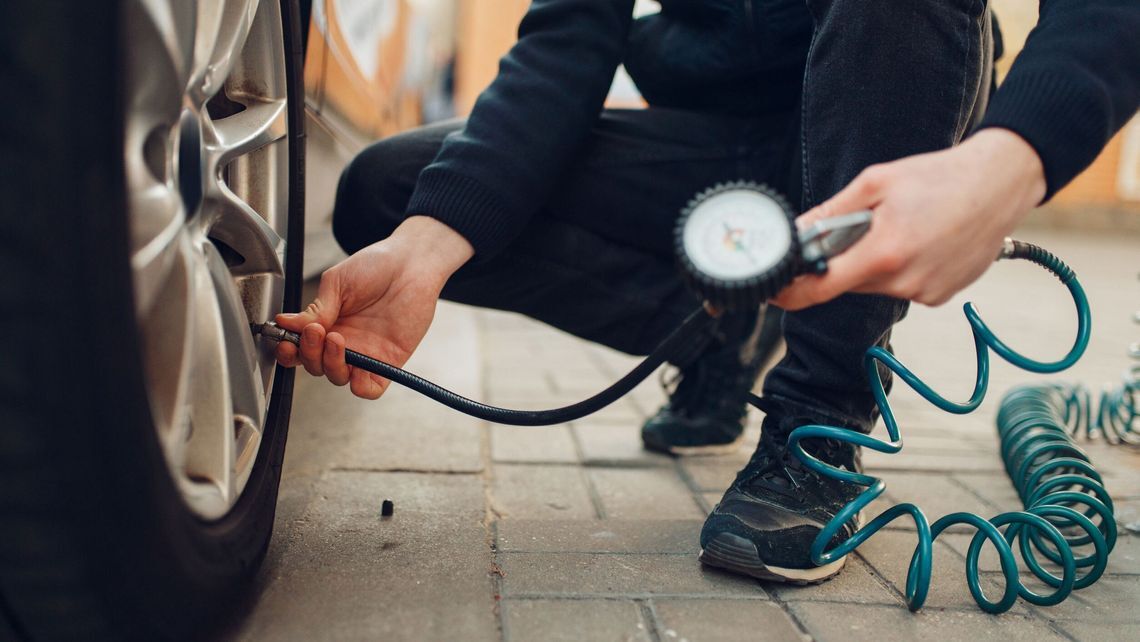
Take the air hose nozzle and press it firmly onto the valve stem. Make sure it fits tightly to avoid air leaks.
Hold the nozzle in place while you add air. You may hear air moving as you pump.
Adjusting Pressure Accurately
Use a tire pressure gauge to check the pressure often. Compare the reading to your car’s recommended pressure.
Add air in short bursts, then check again. Remove some air if the pressure is too high.
- Recommended pressure is usually on the driver’s side door or manual
- Check pressure when tires are cold for best accuracy
- Replace valve caps after finishing to keep dirt out
Common Mistakes To Avoid
Keeping your car tires properly inflated is important for safety and tire life. Many drivers make mistakes when airing up their tires.
Knowing what to avoid helps you keep your tires in good shape and drives safely.
Overinflation Risks
Adding too much air can make tires too hard. This reduces the tire’s contact with the road.
Overinflated tires wear out faster in the center and can cause a rough ride.
- Less grip on the road
- Faster center tread wear
- Increased risk of tire damage
- Uncomfortable driving experience
Underinflation Dangers
Not adding enough air causes tires to be soft and squishy. This makes the tire sides bend more.
Underinflated tires heat up quickly and wear unevenly. This can lead to tire failure.
- Higher fuel consumption
- Uneven tire wear on edges
- Possible tire blowouts
- Poor vehicle handling
Ignoring Temperature Effects
Tire pressure changes with temperature. Cold air makes pressure drop, hot air makes it rise.
Ignoring this can cause you to drive with wrong tire pressure during weather changes.
- Check tire pressure when tires are cold
- Adjust pressure if temperature changes a lot
- Use a reliable pressure gauge every time
Credit: www.michelin.ca
Tips For Maintaining Tire Pressure
Keeping your car tires properly inflated helps your car run well. It also keeps you safe on the road.
Checking and adjusting tire pressure is easy. These tips will help you keep your tires in good shape.
Regular Pressure Checks
Check your tire pressure at least once a month. Do it when tires are cold for the best results.
Use a reliable tire pressure gauge. Check all four tires and the spare if you have one.
- Remove the valve cap
- Press the gauge on the valve stem
- Read the pressure level
- Add air if below the recommended level
- Replace the valve cap
Seasonal Adjustments
Tire pressure changes with the weather. Cold air makes pressure drop, warm air raises it.
Check tire pressure more often in winter and summer. Adjust it to match the car maker’s guide.
- In cold weather, add air to keep pressure stable
- In hot weather, avoid over-inflation by releasing air if needed
- Check pressure before long trips in any season
Using Tire Pressure Monitoring Systems
Many cars have tire pressure monitoring systems (TPMS). These warn you if pressure is too low.
TPMS helps keep tires safe but does not replace manual checks. Always check pressure regularly.
- Know your TPMS warning light meaning
- Check tires soon after the light comes on
- Use a gauge to confirm pressure levels
- Fix any leaks or add air promptly

Credit: www.amazon.ca
Frequently Asked Questions
How Often Should I Air Car Tires?
You should air car tires at least once a month. Check tire pressure before long trips. Proper inflation improves safety and fuel efficiency.
What Is The Correct Tire Pressure For My Car?
Check your car’s manual or the sticker inside the driver’s door. It shows the recommended tire pressure for front and rear tires.
Can I Use A Regular Air Pump For Car Tires?
Yes, a regular air pump works if it fits the valve stem. However, a tire-specific pump or compressor is more efficient and accurate.
How Do I Know If My Tires Need More Air?
If tires look flat, feel soft, or your car pulls to one side, check the pressure. Low tire pressure affects handling and fuel consumption.
Conclusion
Keeping your car tires properly aired improves safety and saves fuel. Check tire pressure regularly with a reliable gauge. Fill tires to the recommended level found in your car manual or door sticker. Avoid overinflating or underinflating to prevent wear and damage.
Airing tires correctly helps your car drive smoothly and last longer. Taking a few minutes for this simple task protects your vehicle and your wallet. Stay safe on the road by giving your tires the care they need.