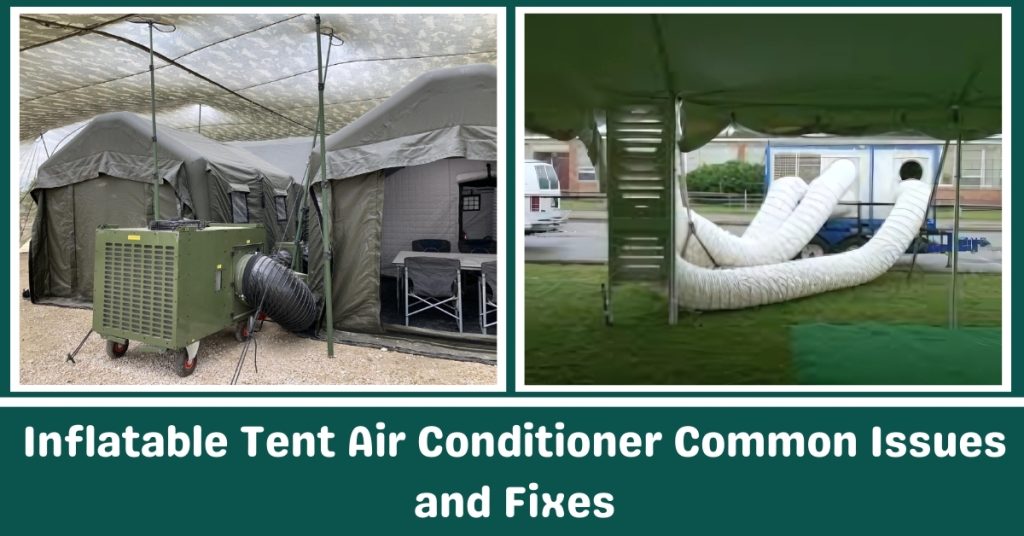
Are you tired of sweating through your camping trips? Imagine stepping into your tent and feeling a cool, refreshing breeze instead of hot, sticky air.
Knowing how to air condition a tent can transform your outdoor experience, making it much more comfortable and enjoyable. In this guide, you’ll discover simple, effective ways to keep your tent cool—even on the hottest days. Keep reading, and you’ll learn how to create the perfect cool retreat wherever you camp.
Choosing The Right Air Conditioner
Cooling a tent can make your outdoor experience much better. Picking the right air conditioner is key to staying comfortable.
There are many types and sizes of air conditioners. You need one that fits your tent and power source well.
Portable Vs Window Units
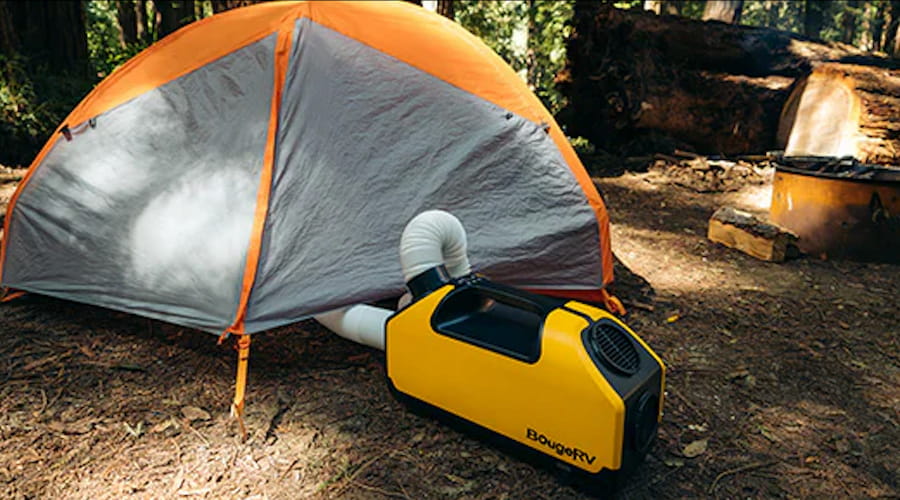
Portable air conditioners are easy to move and set up. You can place them anywhere inside the tent.
Window units need a fixed spot, usually at a tent window or vent. They stay in place and cool steadily.
- Portable units need venting through a window or flap
- Window units require a secure opening in the tent wall
- Portable units are lighter but can be noisier
- Window units often cool more quietly and efficiently
Size And Cooling Capacity
Choose an air conditioner size based on your tent’s space. Bigger tents need units with higher cooling power.
Cooling capacity is measured in BTUs. More BTUs mean stronger cooling but higher power use.
- Small tents: 5,000-8,000 BTU units
- Medium tents: 8,000-12,000 BTU units
- Large tents: 12,000 BTU or more
- Match BTU rating to tent size for best comfort
Power Requirements
Check your power source before picking an air conditioner. Some need more electricity than others.
Portable units usually run on standard outlets or generators. Window units might need stable power for long use.
- Confirm voltage and wattage needs of the unit
- Use generators or battery packs if no outlet is nearby
- Consider power use to avoid running out of energy
- Smaller units use less power but cool less area

Credit: www.vevor.com
Preparing Your Tent
Preparing your tent for air conditioning makes camping comfortable. You need the right setup for efficient cooling.
Follow these guidelines to ensure your tent stays cool and cozy during your trip.
Selecting A Suitable Tent
Choose a tent that supports air conditioning. Look for features like large windows and mesh panels.
- Opt for a tent with a vestibule
- Check if the tent has an AC flap
- Consider the tent’s size for adequate airflow
Setting Up Ventilation
Ventilation is key to keeping your tent cool. Proper air circulation aids in reducing heat.
- Open all windows during the day
- Use battery-operated fans inside
- Ensure vents are not blocked
Insulating For Better Cooling
Insulation helps maintain a cooler temperature inside your tent. Use materials that prevent heat from entering.
| Material | Benefit |
| Reflective tarp | Blocks sunlight |
| Foam mats | Reduces ground heat |
| Thermal blankets | Maintains cool air |
Installing The Air Conditioner
Installing an air conditioner in your tent keeps you cool and comfortable. It needs careful planning to work well and safely.
This guide explains key steps for placing the unit, sealing air leaks, and managing power sources.
Placement Strategies
Choose a spot with good airflow and easy access for installation. Avoid blocking exits or tent supports.
- Place the unit near a window or vent opening
- Keep the air intake and exhaust clear of obstructions
- Ensure the unit is level to avoid water leaks
- Allow space around the unit for maintenance
- Consider noise levels when selecting the location
Sealing Air Leaks
Seal gaps around the air conditioner to keep cool air inside. Use weatherproof materials to block outside air and dust.
| Sealant Type | Best Use |
|---|---|
| Foam Tape | Gaps between unit and tent fabric |
| Silicone Caulk | Small cracks and holes |
| Plastic Sheeting | Cover large openings |
| Weather Stripping | Doors and window edges |
Managing Power Sources
Check your power options before installing. Use safe wiring and avoid overloading circuits to prevent hazards.
- Use a generator or campsite power supply with enough wattage
- Connect the air conditioner with a heavy-duty extension cord
- Keep cords dry and away from foot traffic
- Turn off the unit before unplugging or moving it
- Test power setup before full use
Maintaining Cool Airflow
Keeping a tent cool is important for comfort during hot weather. Good airflow helps lower the temperature inside. This guide covers simple ways to improve air movement and reduce heat.
Using the right tools and methods can make your tent feel fresh and cool. Let’s explore how fans, air circulation, and humidity control work together.
Using Fans And Vent Fans
Fans help move air inside the tent, pushing hot air out and bringing cooler air in. Vent fans are small, portable fans that fit into tent vents. They increase airflow without letting bugs inside.
- Place a fan near the tent entrance to pull in cooler outside air.
- Use vent fans to push warm air out through tent vents.
- Choose battery-powered or rechargeable fans for easy use.
- Position fans to avoid blowing air directly on sleeping areas for comfort.
Optimizing Air Circulation
Good air circulation stops hot air pockets from forming inside the tent. Open windows and doors on opposite sides to create a natural breeze. Keep gear and bags away from vents to avoid blocking airflow.
| Tip | How It Helps |
| Open tent doors and windows | Creates cross-ventilation |
| Keep vents clear | Allows air to flow freely |
| Elevate tent floor with a mesh groundsheet | Improves air movement under tent |
| Arrange sleeping bags away from airflow | Prevents heat buildup around sleepers |
Handling Humidity
Humidity adds to heat discomfort inside a tent. Moisture can come from sweat, cooking, or wet clothes. Managing humidity keeps the air feeling cooler and fresher.
Try these tips to reduce humidity:
- Use a small dehumidifier or moisture absorber.
- Hang wet clothes outside the tent to dry.
- Ventilate the tent after cooking or sweating.
- Keep the tent door open when safe to do so.
Energy Efficiency Tips
Cooling a tent uses energy, so saving energy is smart. You can keep your tent cool without wasting power.
Small changes help lower energy use and keep your space comfortable. Here are tips to help you.
Using Timers And Thermostats
Timers turn the air conditioner on and off at set times. This stops it from running all day and night.
Thermostats control the temperature. They keep the tent cool without extra energy use.
- Set timers to run AC only when needed
- Use thermostats to keep steady temperatures
- Save energy by avoiding overcooling
Reducing Heat Gain
Heat gain makes your AC work harder. Lower heat from sunlight to cool more easily.
Use shade and reflective materials to block sun rays. Keep the tent doors and windows closed when possible.
- Set up the tent in shaded areas
- Use light-colored or reflective tent covers
- Keep openings closed during hot hours
- Use ventilation fans to remove hot air
Choosing Energy-saving Models
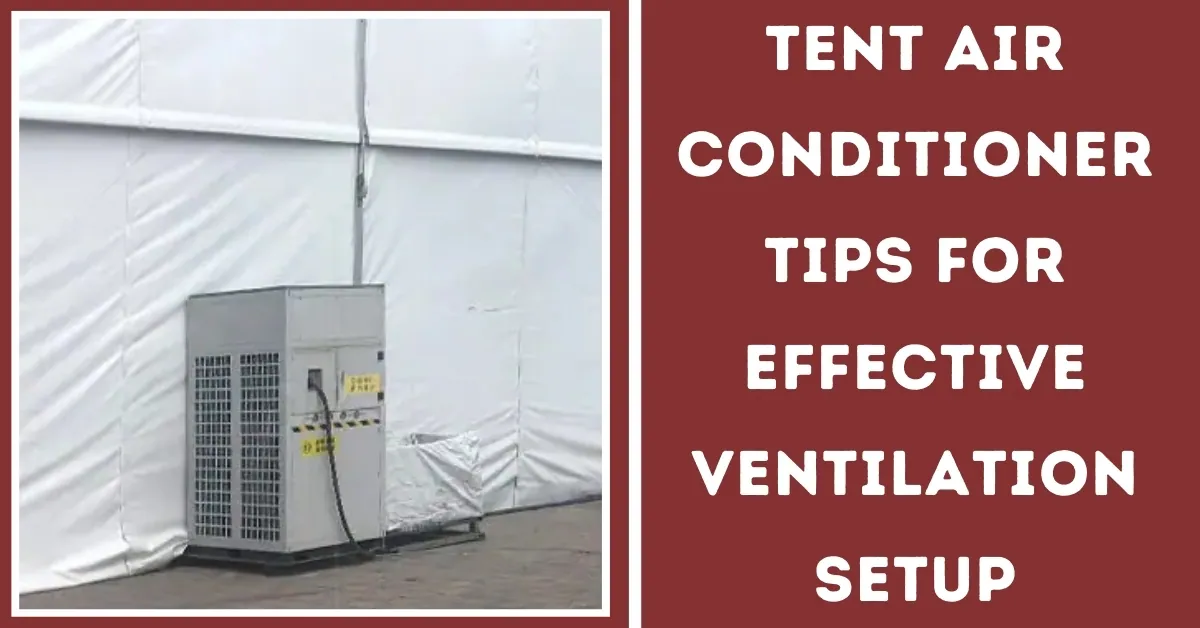
Pick air conditioners made to use less power. These models help reduce electricity bills.
Look for units with good energy ratings and features like inverter technology. They cool faster and use less energy.
- Check energy efficiency ratings before buying
- Choose inverter AC units for better savings
- Consider portable units sized for your tent
Credit: www.drezaircon.com
Safety Considerations
Air conditioning a tent needs careful safety planning. Using coolers or air conditioners outdoors can cause risks. You must keep safety in mind to avoid accidents.
Understanding electrical safety, avoiding carbon monoxide, and handling equipment right keeps you safe. These tips help make your tent cooling safe and effective.
Electrical Safety In Outdoor Settings
Electric power outdoors needs extra caution. Use outdoor-rated extension cords and plugs. Keep cords dry and away from water to prevent shocks.
Check all wires and devices for damage before use. Always turn off power when plugging or unplugging equipment to avoid sparks.
- Use weatherproof outlets and covers
- Keep cords off the ground and dry
- Do not overload circuits or outlets
- Use ground fault circuit interrupters (GFCIs)
Avoiding Carbon Monoxide Risks
Some air conditioners or coolers use fuel or gas. These can produce carbon monoxide, which is harmful and deadly. Never use fuel-powered devices inside your tent.
Always place fuel-powered equipment far from your tent. Ensure good airflow around the device. Use carbon monoxide detectors near your tent if possible.
- Never run fuel-powered coolers inside a tent
- Keep devices at least 20 feet from the tent
- Use detectors to monitor air quality
- Ventilate your tent well if using any gas devices nearby
Proper Equipment Handling
Handle all air conditioning equipment with care. Read the instruction manual before use. Follow all safety rules to avoid damage or injury.
Turn off equipment before moving or cleaning. Store devices in dry, cool places when not in use. Keep children and pets away from the equipment.
- Read and follow all safety instructions
- Turn off and unplug before adjusting or cleaning
- Store equipment in safe, dry areas
- Keep away from children and pets
Alternative Cooling Methods
Keeping a tent cool can be a challenge on hot days. Air conditioning is not always possible or practical. You can use other cooling methods that work well in tents.
These alternatives help lower the temperature and keep the air moving. They often use less energy and are easy to set up.
Evaporative Coolers
Evaporative coolers use water to cool the air. They pull warm air through a wet pad. The water absorbs heat and cools the air before it enters the tent.
These coolers work best in dry climates. They add moisture to the air, which helps reduce heat inside the tent.
- Use clean water to keep the cooler fresh
- Place the cooler near an opening for airflow
- Regularly change the water to avoid bad smells
Battery-powered Fans
Battery-powered fans are easy to use inside tents. They move air around and help sweat evaporate from your skin. This makes you feel cooler.
These fans do not cool the air but improve comfort by increasing air flow. They are great for camping trips where power is limited.
- Choose fans with adjustable speeds
- Bring extra batteries for long use
- Use small clip-on fans for tight spaces
Natural Shade And Cooling
Setting up your tent in natural shade can lower the temperature inside. Trees, bushes, or hills block direct sunlight and keep the tent cooler.
Cool breezes flow better in open areas with shade. Choose a spot that lets air move around your tent freely.
- Pick a shaded spot to pitch your tent
- Face the tent door toward the wind
- Use reflective tarps to block sun heat
Credit: www.ecoflow.com
Frequently Asked Questions
How Can I Cool A Tent Without Electricity?
Use battery-powered fans, evaporative coolers, or ice packs inside the tent. Set up in shaded areas and ensure good airflow.
What Size Air Conditioner Is Best For A Tent?
Choose a portable AC unit sized for the tent’s square footage. Small tents need compact units with 5,000–8,000 BTU capacity.
Can A Tent Be Air-conditioned Safely?
Yes, with proper ventilation and power setup. Use units designed for outdoor or portable use to avoid hazards.
How To Prevent Humidity When Air Conditioning A Tent?
Use a dehumidifier or moisture-absorbing products inside the tent. Keep ventilation open to reduce condensation and dampness.
Conclusion
Cooling your tent makes camping much more comfortable. Small steps, like choosing the right air conditioner, help a lot. Keep your tent sealed to keep cool air inside. Use fans to spread the cool air well. Always check power sources before setting up.
Enjoy your time outdoors without feeling too hot. A cool tent means better rest and more fun. Simple care can make your camping stay great. Try these tips on your next trip. Stay cool and enjoy nature’s beauty.