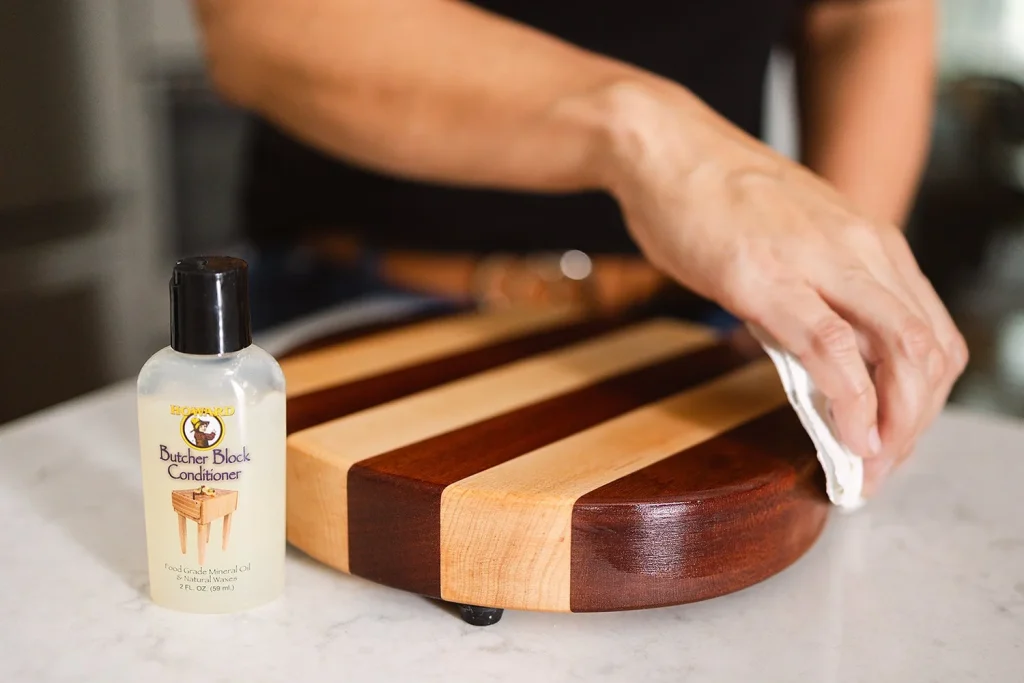
Your cutting board works hard every day, chopping, slicing, and dicing your favorite meals. But have you ever thought about how to keep it in top shape?
Applying cutting board oil is a simple step that can protect your board from cracks, stains, and bacteria. If you want your cutting board to last longer and stay looking fresh, you’re in the right place. Keep reading to learn exactly how to apply cutting board oil the right way—your kitchen will thank you!

Credit: www.amazon.com.au
Choosing The Right Oil
Applying oil to your cutting board helps protect the wood and keep it in good shape. Picking the right oil is key for safety and effectiveness.
Some oils are safe to use with food, while others can be harmful. Learn which oils to use and which to avoid.
Food-safe Oils To Consider
Use oils that do not go bad or turn sticky over time. These oils keep your cutting board smooth and safe for food.
- Mineral oil: A popular choice that does not spoil or smell.
- Coconut oil: Natural and resists bacteria growth.
- Walnut oil: Good for wooden boards but may cause allergies.
- Beeswax blends: Often mixed with oils for extra protection.
Avoiding Harmful Chemicals
Some oils and finishes contain chemicals that can harm your health or damage your board. Avoid these to keep your kitchen safe.
| Type of Oil | Why to Avoid |
| Vegetable oils (e.g., olive, canola) | They can go rancid and smell bad. |
| Non-food grade oils | May contain toxic additives or solvents. |
| Oils with synthetic fragrances | Could cause allergic reactions or contamination. |
| Linseed oil (unless food grade) | Often contains drying agents that are unsafe. |
Preparing Your Cutting Board
Applying cutting board oil starts with proper preparation. Clean and smooth the board well before oiling.
This helps the oil soak in evenly and protects your board from damage.
Cleaning Techniques
Clean your cutting board to remove food and bacteria. Use warm water and mild soap.
- Scrub gently with a soft sponge or brush
- Rinse thoroughly with clean water
- Dry the board with a clean towel
- Let it air dry completely before oiling
Sanding For Smoothness
Sanding removes rough spots and old oil layers. It prepares the surface for better oil absorption.
| Sandpaper Grit | Use |
| 120 grit | Remove deep scratches and stains |
| 220 grit | Smooth the surface evenly |
| 320 grit | Final fine sanding before oiling |
Applying The Oil
Applying oil to your cutting board keeps it strong and safe to use. The oil stops the wood from drying out and cracking.
Regular oiling also makes your cutting board look fresh and clean. Here is how to apply the oil properly.
Tools You’ll Need
Before you start, gather the right tools to make the process easy and effective. Having these items ready helps you apply the oil evenly.
- Food-grade cutting board oil
- Clean, dry cloths or paper towels
- Small brush or sponge (optional)
- Gloves (to protect your hands)
- Sandpaper (for rough boards)
Step-by-step Application Process
Start by cleaning your cutting board with warm water and mild soap. Let it dry completely before oiling.
Use sandpaper if the surface feels rough. This makes the oil soak in better.
- Pour a small amount of oil on the board’s surface.
- Use a clean cloth or brush to spread the oil evenly.
- Apply oil in the direction of the wood grain.
- Cover all sides, including edges.
- Let the oil soak in for at least 20 minutes.
- If the board absorbs the oil quickly, apply a second coat.
- Wipe off any extra oil with a dry cloth.
- Let the board dry completely before use.

Credit: crownpointwood.co
Drying And Absorption
Applying cutting board oil helps protect wood from drying out. Drying and absorption are key to a lasting finish.
Proper drying lets the oil soak deep into the wood fibers. This strengthens the board and stops cracking.
Optimal Drying Time
Let the oil dry for at least several hours. This gives the wood time to absorb the oil fully.
A drying time of 8 to 12 hours is ideal. Avoid using the board during this time.
- Place the board in a dry, well-ventilated area
- Keep it flat to prevent pooling of oil
- Do not rush the drying process
Signs Of Proper Absorption
The wood should look darker but not oily or sticky. A dry, smooth surface means good absorption.
If the oil soaks in evenly and no wet spots remain, the board is ready to use again.
- Wood has a rich, natural shine
- No oily residue on the surface
- Board feels smooth and dry to touch
Maintaining Your Board
Keeping your cutting board in good shape is important. Oiling it helps protect the wood and keeps it looking fresh.
This guide will show you how often to oil your board and extra care tips to make it last longer.
How Often To Oil
Oiling your cutting board regularly stops it from drying out. Dry wood can crack and get damaged.
For best results, oil your board once a month. If you use it often, oil it every two weeks.
- Use food-safe mineral oil or cutting board oil
- Apply oil evenly over the entire surface
- Let the oil soak in for a few hours or overnight
- Wipe off any extra oil with a clean cloth
Additional Care Tips
Besides oiling, clean your board properly to keep it safe and in good condition.
Avoid soaking the board in water or putting it in the dishwasher. This can cause warping and cracks.
- Wash with warm, soapy water after each use
- Dry the board completely before storing it
- Use both sides to prevent uneven wear
- Sanitize with vinegar or diluted bleach if needed
- Sand lightly if the surface gets rough or stained
Common Mistakes To Avoid
Applying cutting board oil helps protect wood and keeps it looking good. Many people make mistakes that reduce its benefits. Avoiding these errors will help your cutting board last longer.
Learn about common problems when oiling your cutting board. Fixing these stops damage and saves time.
Over-oiling Issues
Putting too much oil on your cutting board can cause problems. The wood may stay sticky and never dry. This leaves a surface that attracts dust and dirt.
Over-oiling also wastes product and makes cleaning harder. It can soften the wood too much, leading to damage and cracking.
- Use a small amount of oil each time.
- Let the oil soak in for several hours.
- Wipe off any extra oil after application.
- Repeat oiling only when the board looks dry.
Using The Wrong Products
Not all oils are safe for cutting boards. Some oils can go bad or harm the wood. Avoid oils that dry sticky or smell bad.
Choose food-safe oils made for wood, like mineral oil. Avoid vegetable oils like olive or sunflower. These can turn rancid and ruin your board.
- Do not use cooking oils that can spoil.
- Pick mineral oil or special cutting board oil.
- Avoid oils with additives or scents.
- Check labels to confirm the oil is food-safe.

Credit: www.youtube.com
Frequently Asked Questions
What Is Cutting Board Oil Used For?
Cutting board oil is used to nourish and protect wooden boards. It helps prevent cracking and warping. Regular application maintains the board’s appearance and prolongs its lifespan. The oil creates a barrier that repels moisture and bacteria, keeping your cutting board hygienic.
How Often Should You Oil A Cutting Board?
Oil your cutting board once a month for best results. However, if used frequently, consider oiling it every two weeks. Regular oiling keeps the wood hydrated and prevents cracking. It also helps maintain the board’s appearance and longevity, ensuring it remains in top condition.
Can You Use Any Oil On Cutting Boards?
Not all oils are suitable for cutting boards. Use food-grade mineral oil or specialized cutting board oil. These oils are safe for contact with food and won’t spoil. Avoid using cooking oils like olive or vegetable oil, as they can turn rancid over time.
How Do You Apply Cutting Board Oil?
To apply cutting board oil, clean the board thoroughly. Dry it completely before applying a generous amount of oil. Use a clean cloth to spread the oil evenly across the surface. Let the oil soak in for a few hours or overnight before wiping off any excess.
Conclusion
Applying cutting board oil keeps your board strong and safe. It stops wood from drying and cracking. Regular oiling helps your board last longer. Use a clean cloth to spread oil evenly. Let the oil soak in well before wiping off extra.
This simple care step protects your board from stains and damage. Keep your cutting board looking fresh and healthy with oil. A little effort goes a long way. Your kitchen tool will thank you.