Are you ready to make your fishing trips more successful and enjoyable? Knowing how to attach a bobber to your fishing line is a simple skill that can change the way you fish.
A properly attached bobber helps you spot bites quickly and keeps your bait at the right depth. Whether you’re a beginner or just need a refresher, this step-by-step guide will show you exactly how to do it right. Keep reading, and soon you’ll be fishing with confidence and catching more!
Credit: www.theoutdoorsquest.com
Choosing The Right Bobber
Choosing the right bobber helps you catch fish more easily. The bobber holds your bait at the right depth in the water.
Different fishing situations need different types of bobbers. Learn which bobber fits your needs before you start fishing.
Types Of Bobbers
There are many bobber types. Each type works well in certain conditions and for certain fish.
- Round Plastic Bobbers:These are common and easy to use. They float well in calm water.
- Slip Bobbers:These slide up and down the line. They work well for deep water fishing.
- Cork Bobbers:Made from natural cork, they are light and sensitive to bites.
- Stick Bobbers:Long and narrow, good for fast-moving water.
Selecting Based On Fishing Conditions
Choose a bobber based on water type, weather, and fish size. The right bobber helps you see bites clearly.
| Condition | Best Bobber Type | Reason |
|---|---|---|
| Calm water | Round Plastic | Easy to see and floats steadily |
| Deep water | Slip Bobber | Adjusts depth easily |
| Fast current | Stick Bobber | Stable and less drift |
| Light bites | Cork Bobber | Very sensitive to movement |
Preparing Your Fishing Line
Getting your fishing line ready is important. A good setup helps catch fish easier.
Learn how to check your line strength and remove line twists. This ensures your fishing trip goes smoothly.
Checking Line Strength
Make sure your fishing line is strong enough. It needs to handle the weight of the fish.
Inspect the line for any weak spots or frays. A damaged line can break easily.
- Hold the line between your fingers
- Feel for rough or thin areas
- Replace weak lines immediately
Removing Line Twists
Line twists can cause problems when fishing. They make casting difficult.
Untwist the line before attaching the bobber. This helps the line run smoothly.
- Lay the line on a flat surface
- Run your fingers along the line
- Gently untwist any loops or kinks
Attaching A Slip Bobber
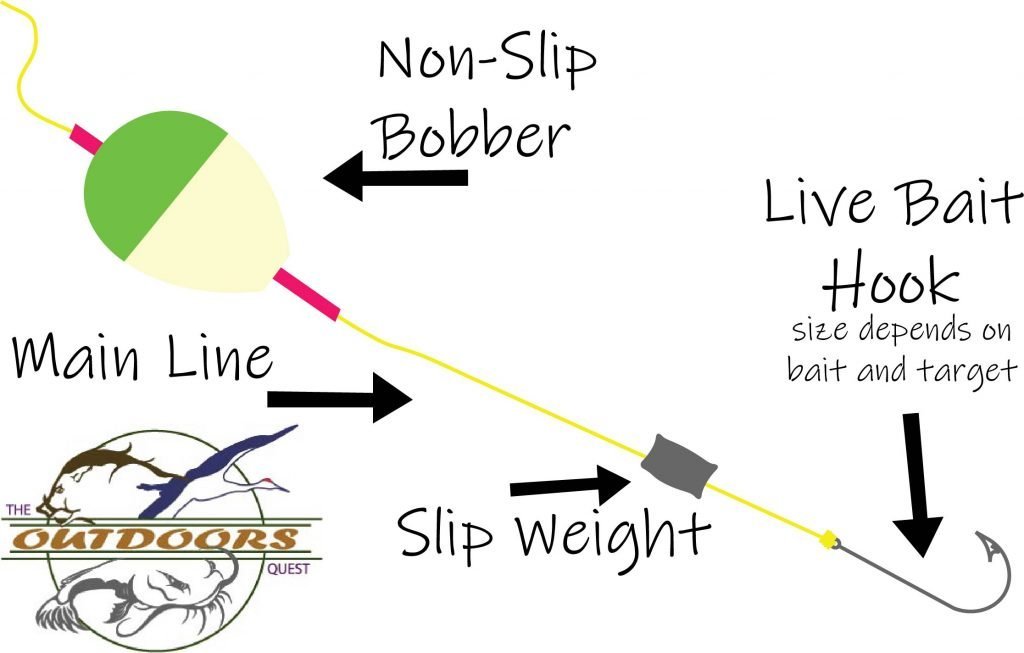
A slip bobber lets your bait move freely on the line. It slides up and down easily. This helps when fishing at different depths.
To use a slip bobber, you must attach a bobber stop. This controls how far the bobber slides. Follow these steps to attach it correctly.
Threading The Bobber Stop
Start by threading the bobber stop onto your fishing line. This small knot or bead stops the bobber from sliding too far up. Use a needle or thin tool to help thread the line through.
- Hold the fishing line tight.
- Push the needle through the bobber stop.
- Pull the line through the bobber stop.
- Make sure it moves smoothly but stays on the line.
Adding The Bobber
After the bobber stop is on the line, slide the slip bobber onto your fishing line. The bobber will move freely between the stop and the hook. Make sure the bobber’s hole fits your line size.
Push the bobber down the line until it rests against the bobber stop. This sets how deep your bait will go in the water.
Securing The Bobber Stop
After threading and adding the bobber, secure the bobber stop on the line. This stops the bobber from sliding past your set depth.
| Method | Description |
| Sliding Knot | Tie a small knot that slides but holds tight under tension. |
| Bead Stop | Use a bead with friction to hold the stop in place. |
| Rubber Stop | Push a rubber stop on the line for firm holding. |
Attaching A Fixed Bobber
Using a fixed bobber helps keep your bait at a set depth. It is important to attach it properly to the fishing line.
This guide explains how to attach a fixed bobber in three simple parts. Follow these steps to secure your bobber correctly.
Pinching The Bobber Clip
First, hold the bobber clip gently between your fingers. Pinch the clip to open its jaws. This action makes space for the fishing line.
Sliding The Bobber Onto The Line
While pinching the clip open, place the fishing line inside. Slide the bobber along the line to the desired position. Make sure the line sits flat inside the clip.
- Keep the clip pinched open
- Insert the fishing line carefully
- Move the bobber to where you want it
- Check that the line is inside the clip jaws
Locking The Bobber In Place
Release the clip slowly to close its jaws around the line. The clip must hold the line firmly without slipping. Test by gently pulling the bobber to ensure it stays put.
| Action | Tip |
| Pinch Clip | Use thumb and forefinger |
| Slide Bobber | Place at correct depth |
| Release Clip | Check for firm hold |
| Test Bobber | Pull gently on line |
Adjusting Bobber Depth
Setting the right depth for your bobber is key to catching fish. It controls how deep your bait swims in the water.
Adjusting the bobber depth helps you reach fish at different levels. It makes fishing more effective.
Calculating Desired Depth
Think about where the fish are in the water. This will help you decide how deep to set your bobber.
Use the water depth and fish habits to find the right spot for your bait.
- Measure water depth with a weight or depth finder
- Observe fish activity near the surface or bottom
- Choose a depth between the surface and where fish swim
- Adjust based on water temperature and season
Setting Bobber Position
Move the bobber up or down your fishing line to match the depth you want. This controls how deep your bait goes.
Secure the bobber firmly so it does not slide during casting or when fish bite.
- Pinch or clip the bobber on the fishing line
- Slide it to the chosen depth distance from the hook
- Test by lowering the bait in water before fishing
- Adjust if bait is too close to the surface or bottom
Testing Your Setup
After attaching your bobber to the fishing line, it is important to test the setup. This ensures your bobber works correctly and helps catch fish better.
Testing involves practicing casting and watching how the bobber behaves in the water. These steps help you adjust for better results.
Casting Practice
Practice casting your line to see if the bobber moves smoothly. A good cast sends the bobber to the right spot without tangling the line.
- Hold the rod firmly and release the line gently.
- Watch the bobber fly through the air and land softly on the water.
- Adjust your casting power if the bobber splashes too much.
- Repeat until you can cast comfortably and accurately.
Observing Bobber Behavior
Watch the bobber closely once it is in the water. Its movement tells you if the setup is right or needs change.
| Bobber Behavior | What It Means |
| Stable and floating upright | Setup is correct |
| Sinking or tilting | Bobber weight or attachment is wrong |
| Moving with the current | Line is too loose or heavy |
| Jumping or spinning | Line may be tangled |
Troubleshooting Common Issues
Attaching a bobber to a fishing line can sometimes lead to problems. These issues may affect your fishing experience and catch rate. Knowing how to fix them saves time and frustration.
This guide covers common problems like the bobber sliding too much, sinking unexpectedly, and line tangling. Each section explains the cause and offers simple fixes.
Bobber Sliding Too Much
If your bobber moves up and down the line too easily, it may not be attached tightly. This can change your bait depth and reduce your chances of catching fish.
- Check that the bobber’s stopper or clip is secure on the line.
- Use a small rubber stopper above the bobber to hold it in place.
- Make sure the line is not too slippery or thin for the bobber clip.
- Try a different bobber designed for your fishing line thickness.
Bobber Sinking Unexpectedly
A bobber that sinks may mean it is too heavy or waterlogged. It can also mean the line is pulling down more than the bobber can float.
| Cause | Fix |
| Bobber too heavy | Switch to a lighter bobber |
| Bobber filled with water | Replace with a dry, sealed bobber |
| Too much weight on line | Use smaller sinkers or move them away from bobber |
| Damaged or old bobber | Inspect and replace if cracked or broken |
Line Tangling Problems
Tangled lines cause frustration and lost fishing time. They happen if the bobber or weight spins freely or if the line is not properly secured.
Try these tips to reduce tangling:
- Attach the bobber firmly using the clip or knot method recommended.
- Keep the line tight between the rod tip and the bobber.
- Avoid casting too hard or letting the line slack in the water.
- Check the reel and line for twists before fishing.
- Use swivel connectors if needed to prevent line twisting.

Credit: www.amazon.ca
Tips For Better Casting
Attaching a bobber to your fishing line is easy, but casting well takes practice. Good casting helps you place the bobber where the fish are.
Use the right technique and keep your line tight. These tips will help you cast better and catch more fish.
Using The Right Casting Technique
Hold your rod firmly and point the tip behind you. Bring the rod forward smoothly and release the line at the right time. This helps the bobber fly straight and far.
- Grip the rod handle firmly but not too tight.
- Pull the rod back slowly to load the action.
- Push the rod forward quickly to cast.
- Release the line when the rod is near eye level.
- Follow through with your rod pointing to the target.
Maintaining Line Tension
Tight line tension helps you feel bites and keep control of the bobber. Loose line can cause tangles and poor casting.
| Tip | How to Do It |
| Keep your fingers close to the rod | Hold the line gently with your finger after casting |
| Watch the bobber | Look for small movements to detect fish bites |
| Tighten the line when reeling | Pull the line tight before you set the hook |
| Adjust drag setting | Set drag to prevent line break when fish pull hard |

Credit: www.floridasportsman.com
Frequently Asked Questions
How Do I Attach A Bobber To Fishing Line?
To attach a bobber, pinch the line in the bobber’s clip or hook. Slide the bobber to your desired depth. Ensure it’s secure but able to slide if needed.
What Type Of Bobber Is Best For Beginners?
A round, plastic slip bobber is ideal for beginners. It’s easy to attach and adjust. This bobber works well in various fishing conditions.
Can I Reuse A Fishing Bobber Multiple Times?
Yes, most fishing bobbers can be reused. Rinse off dirt and dry them after use. Store bobbers in a tackle box to keep them safe.
How Do I Adjust The Bobber Depth On My Line?
Slide the bobber up or down the line to change depth. The depth controls how deep your bait goes. Adjust based on fish behavior and water depth.
Conclusion
Attaching a bobber to your fishing line is simple and quick. It helps you see when a fish bites. Use the right knot or clip for a strong hold. Check your bobber’s position to match fishing depth. Practice this skill to fish with more confidence.
Enjoy the calm and fun of fishing with ease. Now, you are ready to catch more fish on your next trip. Keep trying, and happy fishing!