If you want to catch more fish, knowing how to attach a leader to your fishing line is a must. The leader plays a key role in preventing your line from breaking and making your bait look natural in the water.
But if you’re unsure how to tie it correctly, you might be losing bites without even realizing it. Don’t worry—this guide will walk you through simple, step-by-step methods that anyone can master. By the end, you’ll feel confident and ready to improve your fishing game right away.
Keep reading to learn how a strong, well-tied leader can change your fishing experience for the better.
Credit: medium.com
Choosing The Right Leader
Attaching a leader to your fishing line helps you catch more fish. The right leader adds strength and hides your line.
Choosing the correct leader depends on the type of fish and water you fish in. It also depends on how you want to present your bait.
Types Of Leaders
There are many types of fishing leaders. Each type works best in certain fishing conditions.
- Monofilament Leaders: Clear and flexible, good for most fish.
- Fluorocarbon Leaders: Hard to see underwater, strong and abrasion-resistant.
- Wire Leaders: Used for sharp-toothed fish, very tough and durable.
- Shock Leaders: Thick and strong, absorb sudden pulls from big fish.
Material Selection
Choosing the right material helps your leader last longer and perform well. It also depends on the water type and fish species.
Monofilament is soft and easy to tie. Fluorocarbon is invisible underwater but stiffer. Wire is best for toothy fish that can bite through soft leaders.
- Monofilament: Good for clear water and general fishing.
- Fluorocarbon: Best for clear water and cautious fish.
- Wire: Needed for species with sharp teeth like pike or mackerel.
Length And Strength Considerations
The leader length depends on the fishing style and water clarity. Short leaders work well in murky water. Long leaders are better in clear water.
Leader strength should match the fish you want to catch. Strong leaders stop fish from breaking your line. Use a leader strength slightly higher than your main line.
- Short leaders (6-12 inches) for heavy cover or murky water.
- Long leaders (12-36 inches) for clear water and cautious fish.
- Leader strength 10-20% stronger than main line.
Credit: medium.com
Preparing Your Fishing Line
Preparing your fishing line is key for a successful fishing trip. You need to make sure your line is in top condition before you start.
Let’s look at how to trim and clean your line, and check its condition to ensure it is ready for use.
Trimming And Cleaning
Trimming and cleaning your fishing line helps in removing any weak parts. It also ensures that the line is smooth and free from debris.
- Use sharp scissors to trim any frayed ends.
- Wash the line with fresh water to remove salt and dirt.
- Dry the line completely before storing it.
Checking Line Condition
Checking the condition of your fishing line is important to avoid breakage. You should inspect the line closely for any signs of damage.
| Aspect | Action |
| Frays | Trim and replace if necessary |
| Knots | Untangle or cut out |
| Discoloration | Replace the line |
Popular Knots For Attaching Leaders
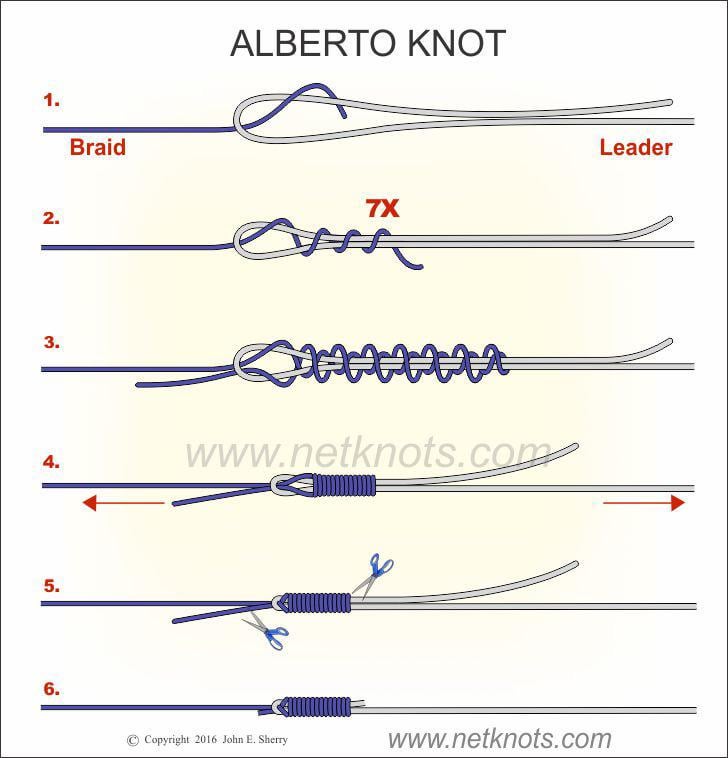
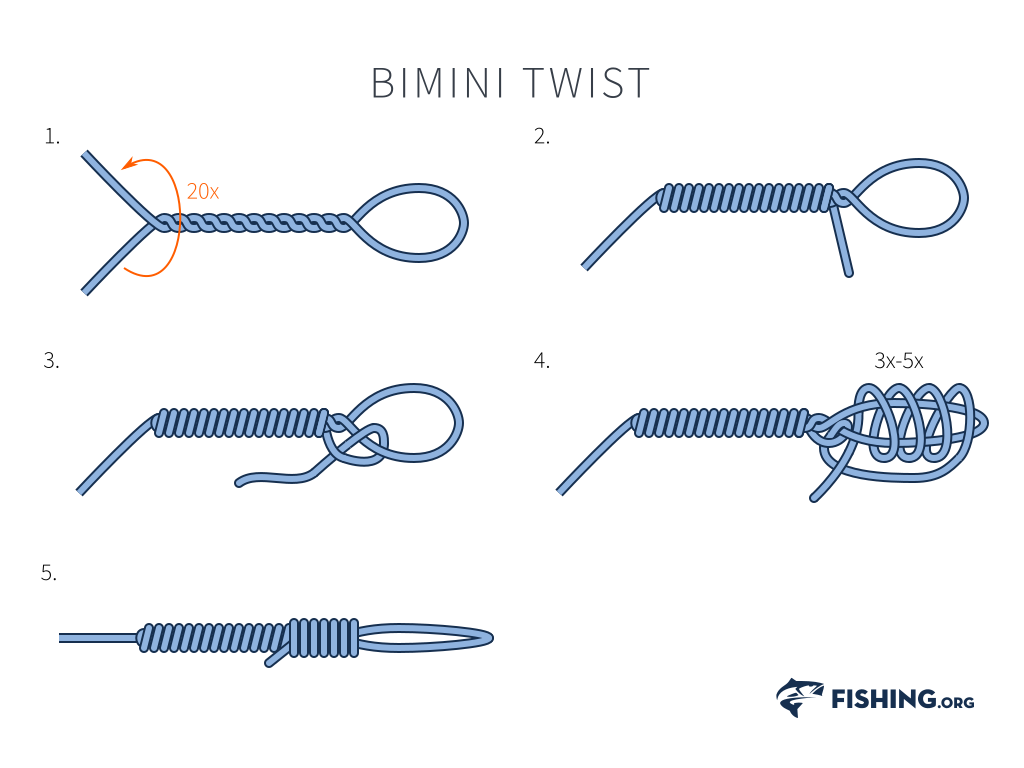
Attaching a leader to your fishing line is important for better fishing results. The right knot keeps your line strong and secure.
Some knots work better with certain types of lines and leaders. Here are three popular knots used by anglers worldwide.
Albright Knot
The Albright Knot joins two lines of different thicknesses. It is strong and works well with monofilament and braided lines.
To tie it, form a loop with the thicker line and pass the thinner leader through it. Wrap the leader around both lines several times, then pass it back through the loop.
- Good for connecting braided line to a monofilament leader
- Strong and reliable under pressure
- Works well for saltwater and freshwater fishing
Uni Knot
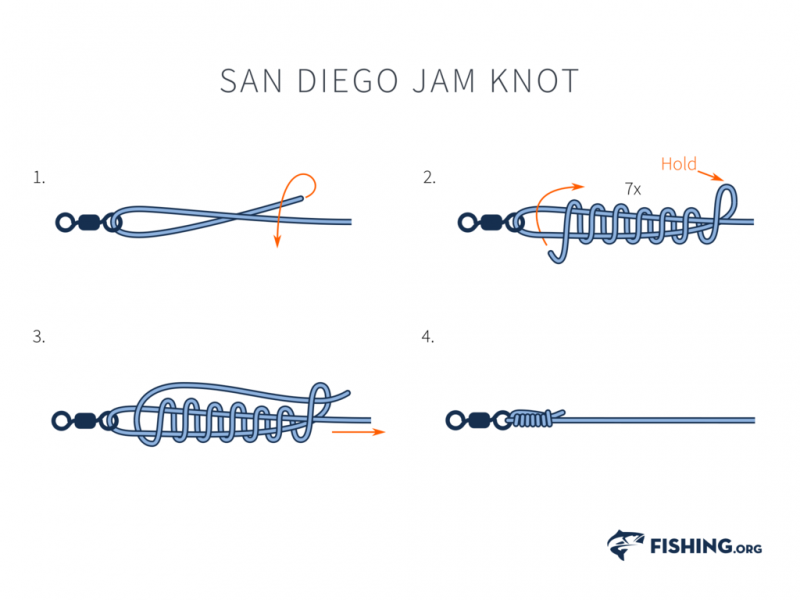
The Uni Knot is simple and versatile. It works well for attaching leaders to lines or hooks.
To tie it, pass the leader through the eye, make a loop, and wrap the tag end around the main line five to six times. Pull tight to secure.
- Easy to learn and tie quickly
- Strong and holds well with various line types
- Useful for many fishing situations
Double Surgeon’s Knot
The Double Surgeon’s Knot joins two lines of similar or different diameters. It is quick to tie and holds firmly.
To tie it, overlap the ends of the two lines. Make two overhand knots around both lines, then pull tight.
- Good for tying leaders to main lines
- Works well with monofilament and fluorocarbon
- Strong and easy to inspect before fishing

Credit: www.reddit.com
Step-by-step Knot Tying Guide
Attaching a leader to a fishing line is key for a strong and reliable connection. This guide shows you how to tie the knot clearly.
Follow each part carefully to make sure your knot holds well during fishing.
Forming The Knot
Start by overlapping the end of the fishing line with the leader. Hold them side by side, leaving enough length to work with.
- Make a loop by folding the leader back toward the main line.
- Wrap the leader around the main line 5 to 7 times.
- Pass the end of the leader through the loop you created.
- Pull both ends gently to shape the knot.
Tightening Properly
Use slow, steady pulls to tighten the knot. Avoid jerking motions that may weaken it.
Tip:Wet the knot with water or saliva before tightening. This reduces friction and keeps the line strong.
Securing The Leader
To finish, trim any extra leader tag end close to the knot. Leave a small tail to prevent slipping.
| Action | Reason |
|---|---|
| Trim excess leader | Prevents snagging and tangles |
| Leave 3-5 mm tail | Keeps knot secure under tension |
| Check knot tightness | Ensures reliability during fishing |
Testing The Connection
After attaching a leader to your fishing line, it is important to test the connection. This step ensures your setup will hold under pressure and prevent losing fish.
Testing the connection helps identify weak spots early. You can then make adjustments or retie knots to improve strength.
Strength Test Methods
There are simple ways to test the strength of your leader and main line connection. Use these methods before fishing to avoid surprises.
- Pull the line firmly by hand to feel for any slipping or give.
- Use a spring scale to measure how much force the knot can hold before breaking.
- Cast the line several times and check the knot for any signs of loosening.
- Tie a test rig with a weight and pull it to simulate a fish’s pull.
Signs Of Weakness To Watch
Knowing what to look for helps catch problems early. Watch for these signs that show your connection may fail.
| Sign | Description | What to Do |
|---|---|---|
| Frayed Lines | Visible damage or rough spots on the line near the knot. | Cut the damaged part and retie the knot. |
| Slipping Knot | Knot moves when pulled or feels loose. | Retie the knot tighter or use a different knot. |
| Uneven Tension | One side of the knot bears more stress, causing imbalance. | Adjust the knot or try a more balanced knot type. |
| Line Breakage | Line breaks easily during testing or fishing. | Check for weak spots and replace the line if needed. |
Tips For Different Fishing Conditions
Attaching a leader to a fishing line is important for success. Different fishing conditions need different approaches.
Using the right leader helps protect your line and catch more fish. This guide shares tips for common conditions.
Saltwater Vs Freshwater
Saltwater fishing requires stronger leaders than freshwater. Saltwater fish are often bigger and fight harder.
Freshwater leaders can be lighter. They should still resist abrasion but focus on flexibility and invisibility.
- Use fluorocarbon leaders for saltwater. They resist salt and are strong.
- Monofilament leaders work well in freshwater. They are soft and easy to tie.
- Check leader length. Saltwater needs longer leaders to keep fish away from the main line.
- In freshwater, shorter leaders help with better lure action.
Handling Abrasive Environments
Abrasive places like rocky shores or areas with sharp coral can damage your line quickly. Use tough leaders here.
Strong, thick leaders prevent breaks and save your gear. Always check your leader for damage after fishing.
- Choose abrasion-resistant materials like braided or heavy fluorocarbon leaders.
- Use tight knots to avoid slipping in rough conditions.
- Replace leaders if you see cuts or frays.
- Keep extra leaders ready to change quickly.
Common Mistakes To Avoid
Attaching a leader to a fishing line is key for a good catch. Many anglers make simple errors. These mistakes can cost you fish and gear.
Knowing what to avoid helps you fish better. Below are common errors in knot tying and leader material choice.
Incorrect Knot Tying
Tying the leader knot wrong weakens your setup. Knots can slip or break if done poorly. This leads to lost fish and frustration.
- Not moistening the knot before tightening causes friction and weakens the line.
- Failing to leave enough tag end results in knots that unravel.
- Using too many wraps can make the knot bulky and prone to catching debris.
- Not pulling the knot tight enough lets it slip under strain.
- Mixing incompatible knots can create weak points in the line.
Using The Wrong Leader Material
Choosing the wrong leader material affects your fishing success. Different fish and water conditions need different leaders.
| Leader Material | Best For | Common Mistakes |
| Monofilament | General use, clear water | Too thick or too thin for target fish |
| Fluorocarbon | Clear water, stealth fishing | Using in rough cover causing quick damage |
| Wire | Sharp-toothed fish | Using wire where flexible leaders are needed |
Frequently Asked Questions
What Is The Best Knot To Attach A Leader?
The best knot for attaching a leader is the Albright knot. It provides strong, reliable connection and resists slipping. This knot works well for different line types, like monofilament to braided lines. It’s simple to tie and commonly used by anglers worldwide.
How Long Should A Fishing Leader Be?
A fishing leader should be 12 to 24 inches long. This length prevents fish from seeing the main line. It also reduces line visibility in clear water. Adjust leader length based on water clarity and target fish species for better results.
Why Use A Leader On A Fishing Line?
A leader protects the main line from abrasion and fish bites. It also reduces line visibility and improves bait presentation. Leaders help prevent break-offs from sharp teeth or rough underwater structures. Using a leader increases your chances of landing a catch.
Can I Attach A Leader To Braided Line?
Yes, attaching a leader to braided line is common practice. Use knots like the Albright or FG knot for strong connections. Leaders help compensate for braided line’s visibility and improve bait movement. Always wet the knot before tightening to avoid damage.
Conclusion
Attaching a leader to your fishing line is simple with the right steps. Practice tying knots slowly to avoid mistakes. Strong knots help keep your catch secure. Using the right leader improves your fishing success. Try different knots to find what works best.
Keep your gear ready and check knots often. Enjoy your time fishing with confidence and skill. Small efforts make a big difference on the water.