Are you tired of struggling with your gear every time you hit the trail? Knowing how to attach a tent to your backpack the right way can save you time, keep your pack balanced, and make your adventure much smoother.
Imagine having your tent securely fastened, easy to carry, and ready to set up whenever you need it. In this guide, you’ll discover simple, effective tips that anyone can follow. Keep reading, and you’ll learn how to make your backpack work for you—not against you.

Credit: www.reddit.com
Choosing The Right Tent
Attaching a tent to your backpack requires picking the right tent first. The tent’s weight and size affect how easy it is to carry. Knowing what to choose helps you stay comfortable on the trail.
This guide covers two key points: the difference between lightweight and heavyweight tents and the importance of compactness and shape.
Lightweight Vs Heavyweight Options
Lightweight tents are easier to carry and save energy. They use less material and weigh less. Heavyweight tents are stronger and better for rough weather but add more weight.
- Lightweight tents weigh less than 3 pounds.
- Heavyweight tents often weigh over 5 pounds.
- Choose lightweight for short trips and good weather.
- Pick heavyweight for long trips with harsh weather.
Compactness And Shape
The tent’s shape and how small it packs matter for backpack space. A compact tent fits better and balances weight well. Some shapes fit backpacks easier than others.
| Tent Shape | Compactness | Backpack Attachment |
| Dome | High | Easy to strap on top or side |
| A-Frame | Medium | Needs careful positioning |
| Tunnel | Low | Bulky, harder to attach |
Selecting A Suitable Backpack
Choosing the right backpack is key when planning to attach a tent. It ensures comfort and ease during your hike.
Not all backpacks are created equal. Some are better suited for carrying extra gear like tents.
Backpack Size And Capacity
The size and capacity of your backpack determine how much gear you can carry. It’s crucial to choose one that fits your needs.
- Daypacks: Best for short trips, typically 20-30 liters.
- Weekend packs: Ideal for 1-3 nights, around 40-50 liters.
- Multi-day packs: Suitable for longer trips, 60 liters or more.
Attachment Points And Straps
Look for backpacks with multiple attachment points. These help secure your tent and other gear.
Attachment points come in various forms:
- Loops: Often found on the top and sides.
- Compression straps: Used to tighten the load.
- Daisy chains: Allow for versatile attachment options.
Preparing The Tent For Attachment
Attaching a tent to your backpack needs careful preparation. This helps keep your gear safe and balanced.
Before you attach the tent, organize and pack it well. This makes carrying easier and more comfortable.
Rolling And Packing Techniques
Roll your tent tightly to save space and avoid damage. Start by folding the tent flat and smooth out air pockets.
Roll the tent from one end to the other firmly. Use straps or cords to keep it from unrolling.
- Lay the tent flat and fold it evenly
- Remove air by pressing gently
- Roll tightly to minimize bulk
- Secure with straps or ties
Securing Loose Components
Gather all loose parts like stakes, poles, and rainfly. Keep them together to prevent loss and damage.
Use small bags or pouches for these parts. Attach these bags to the tent or backpack securely.
- Collect stakes and poles in a pouch
- Check for any detached pieces
- Fasten pouches to the tent or backpack
- Ensure nothing dangles loosely
Credit: systainable.eu
Attachment Methods
Attaching a tent to your backpack keeps your hands free and saves space inside. You need secure and easy methods to hold the tent firmly.
Below are three common ways to attach a tent. Each method uses different gear and offers unique benefits.
Using Compression Straps
Compression straps are built into many backpacks. They tighten around your gear and hold it close to your pack.
- Place the tent at the base or top of your backpack.
- Thread the compression straps over the tent.
- Tighten the straps evenly to avoid shifting.
- Check that the tent does not block access to other pockets.
Employing Bungee Cords
Bungee cords stretch and hold your tent securely. They work well if your backpack lacks built-in straps.
| Bungee Cord Type | Best Use |
|---|---|
| Single Hook | Wrap around tent and attach to backpack loops |
| Double Hook | Secure the tent from two points for better hold |
| Adjustable Cord | Customize tightness for different tent sizes |
Utilizing Carabiners
Carabiners clip easily to loops and straps. They provide quick attachment and removal of the tent.
- Clip the carabiner through tent straps or loops.
- Attach the carabiner to your backpack’s gear loops.
- Use multiple carabiners for better balance.
- Choose lightweight carabiners to avoid extra weight.
Positioning The Tent On The Backpack
Attaching a tent to your backpack saves space inside. It also keeps your gear organized. Proper positioning helps balance your load for comfort.
This guide covers three main ways to attach your tent. Each method suits different backpack styles and hiking needs.
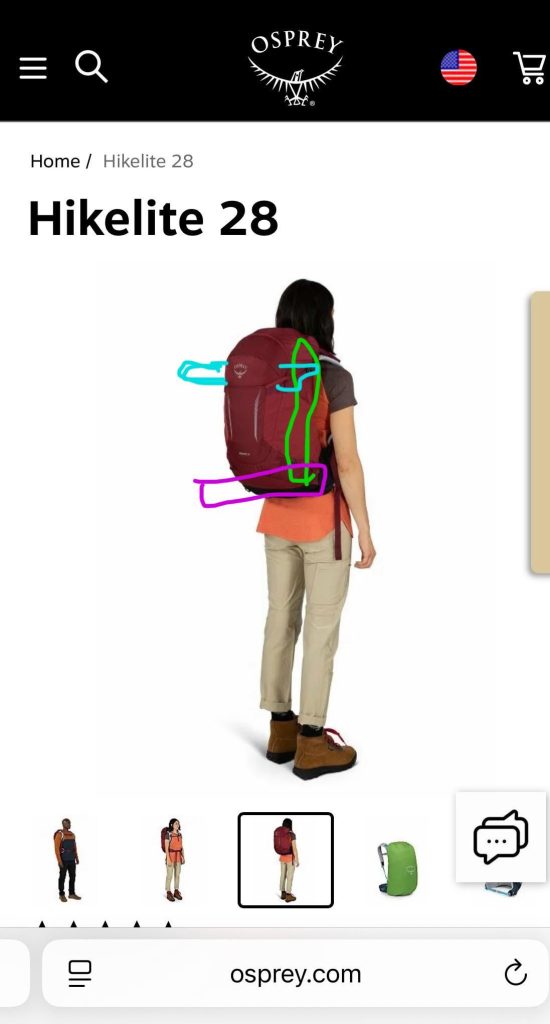
Top Attachment Strategies
Placing your tent on top of the backpack is common. It keeps your tent accessible. This position works well for long trips.
- Use straps or bungee cords to secure the tent.
- Attach the tent so it does not block your view.
- Make sure the tent is stable and won’t shift.
Side Attachment Techniques
Attaching the tent to the side frees up space on top. It also balances the backpack if packed well. Side attachments suit tents with compact shapes.
| Technique | Benefit | Tip |
| Vertical Side Mount | Easy to reach | Use padded straps to avoid damage |
| Horizontal Side Mount | Stable for long hikes | Secure tightly to avoid swinging |
Bottom Attachment Tips
Attaching the tent under the backpack saves top space. It keeps the tent out of the way during walking. This method works best with backpacks that have bottom loops.
Here are tips for bottom attachment:
- Use strong straps to hold the tent firmly.
- Check that the tent does not drag on the ground.
- Balance the load to prevent tipping backward.

Credit: www.reddit.com
Balancing Weight And Stability
Attaching a tent to your backpack needs careful planning. Proper balance keeps you steady while hiking.
Weight and stability affect your comfort and safety on the trail. You want your tent secure and well-balanced.
Distributing Load Evenly
Place the tent so weight spreads across your backpack. Avoid putting too much weight on one side.
Use straps or cords to fix the tent firmly. Keep the tent close to your back to improve balance.
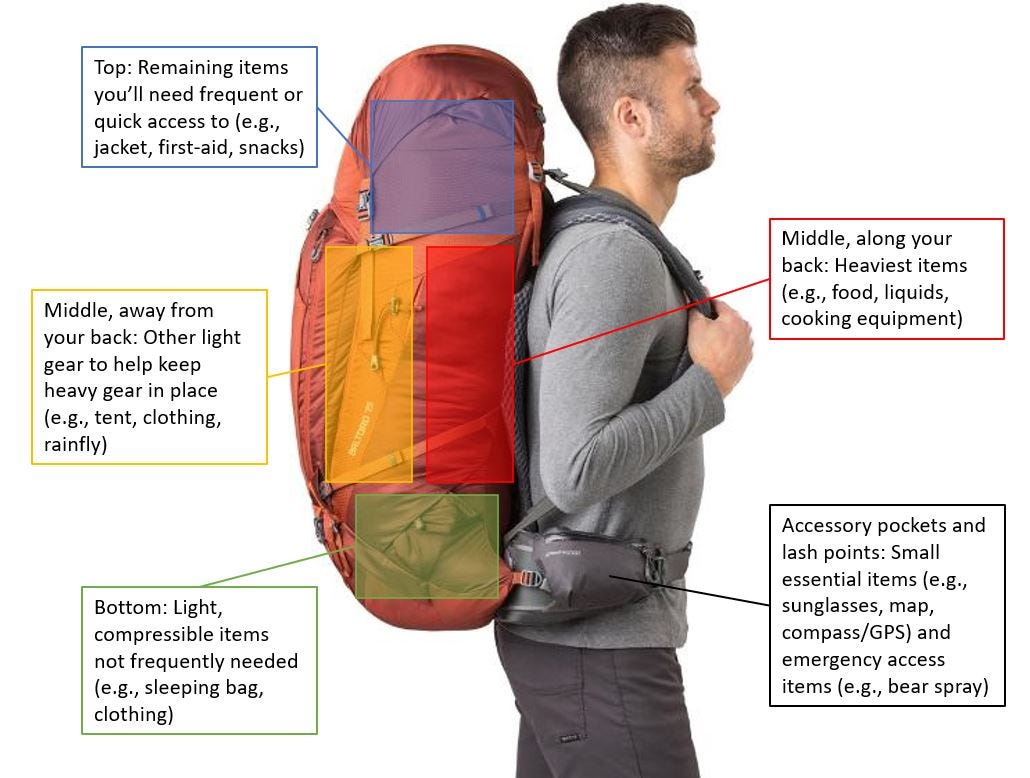
- Attach the tent near the center of the pack
- Use both side straps to hold it in place
- Place heavier parts close to your back
- Keep the load low to avoid top heaviness
Avoiding Movement During Hikes
Stop the tent from shifting while you walk. Movement can make you lose balance or damage your gear.
Tighten all straps and check them before you start hiking. Add padding if needed to reduce slipping.
- Secure straps tightly but not too tight to damage fabric
- Use extra cords or bungee cords for stability
- Place soft material between tent and backpack to prevent slipping
- Check and adjust straps during breaks
Additional Tips For Secure Carrying
Carrying a tent on your backpack needs care to keep it safe and balanced. Secure attachment prevents damage and eases your walk.
These tips help you attach your tent so it stays firm and protected during your trip.
Weather Considerations
Bad weather can affect how you carry your tent. Rain or wind may loosen the straps or soak your gear.
- Use waterproof bags or covers to protect your tent from rain.
- Choose tight knots that will not slip in wind or moisture.
- Place the tent where wind hits less to avoid shaking loose attachments.
- Check for water pooling spots on your backpack where the tent sits.
Regularly Checking Attachments
Check your tent’s fastenings often during your hike. This keeps the tent secure and prevents loss or damage.
| When to Check | What to Look For |
| After starting your hike | Confirm all straps are tight |
| After crossing rough terrain | Look for loosened knots or shifted tent |
| During breaks | Adjust straps if needed |
| Before setting up camp | Ensure tent is ready for unpacking |
Frequently Asked Questions
How Do I Securely Attach A Tent To My Backpack?
Use compression straps or bungee cords to fasten the tent. Ensure the tent is compact and balanced to avoid shifting during hikes.
What Is The Best Part Of A Backpack For Tent Attachment?
Attach the tent to the bottom or side of the backpack. These areas provide stability and keep the tent accessible without unbalancing the load.
Can I Attach A Tent To Any Backpack Size?
Most backpacks have straps or loops for attachments, but larger packs work best. Verify your pack’s design supports external gear before attaching a tent.
Should I Use A Rain Cover When Attaching A Tent?
Yes, use a rain cover to protect the tent from moisture. It keeps the tent dry and prevents damage during wet conditions.
Conclusion
Attaching a tent to your backpack keeps your hands free and gear organized. Choose strong straps or cords to secure the tent tightly. Place the tent in a balanced position to avoid discomfort while hiking. Check the tent’s weight and size before packing.
Practice attaching the tent at home for faster setup outdoors. A well-attached tent makes your trip easier and safer. Keep your backpack ready for any adventure. Simple steps lead to a smooth camping experience.