Are you tired of your fishing line drifting aimlessly, making it hard to reach the perfect spot? Attaching the right weight to your fishing line can change everything.
It helps your bait sink to just the right depth, improves casting distance, and increases your chances of catching fish. But if you’re unsure how to do it properly, don’t worry. In this guide, you’ll learn simple, step-by-step methods to attach weights securely and effectively.
Keep reading, and you’ll be ready to fish smarter and catch more!

Credit: www.walmart.com
Choosing The Right Weight
Attaching the correct weight to your fishing line helps you cast farther. It also keeps the bait at the right depth for fish.
Choosing the right weight depends on the fishing spot, water conditions, and the type of fish you want to catch.
Types Of Fishing Weights
Fishing weights come in many shapes and materials. Each type works best in certain fishing situations.
- Split Shot:Small, round weights that pinch onto the line. Good for light fishing.
- Sinker:Larger weights shaped like a teardrop or egg. Used for deeper water.
- Bank Sinkers:Long and heavy, ideal for strong currents.
- Bullet Weights:Shaped like a bullet to pass through weeds easily.
- Pyramid Sinkers:Pointed bottom to hold in sandy or rocky bottoms.
Matching Weight To Fishing Conditions
Water speed, depth, and weather all affect how much weight you need. Use heavier weights in fast water to keep your bait steady.
In calm water, lighter weights work better. They let your bait move naturally and attract fish.
| Condition | Recommended Weight Type | Reason |
|---|---|---|
| Fast river current | Bank sinker or pyramid sinker | Holds bait in place |
| Shallow lake or pond | Split shot or bullet weight | Allows natural bait movement |
| Weedy areas | Bullet weight | Slides through weeds easily |
| Deep water fishing | Heavy sinker | Keeps bait near bottom |
Weight Sizes And Their Uses
Weights come in sizes from tiny split shots to large sinkers. The size affects casting distance and bait depth.
- Small weights (1/64 to 1/16 oz) work well for small fish and calm water.
- Medium weights (1/8 to 1/2 oz) suit most general fishing needs.
- Large weights (3/4 oz and above) are best for deep water or strong currents.
Preparing Your Fishing Line
Getting your fishing line ready is crucial for a successful fishing trip. Proper preparation ensures the line is strong and reliable.
Before attaching a weight, you need to make sure your line is suitable and prepared correctly.
Selecting The Line Type
Choosing the right type of line is essential. It depends on the kind of fish you are targeting.
- Monofilament lines are great for beginners.
- Braided lines offer more strength for larger fish.
- Fluorocarbon lines are nearly invisible underwater.
Cutting The Line Properly
Cutting the line to the right length is important. Use sharp scissors or a line cutter for clean cuts.
Checking Line Strength
Test the line strength before fishing. Pull it firmly to check if it can handle the weight and stress.
| Line Type | Strength (lbs) |
| Monofilament | 10-20 |
| Braided | 20-50 |
| Fluorocarbon | 15-30 |
Attaching The Weight
Adding weight to your fishing line helps your bait sink to the right depth. It also improves casting distance and control.
There are different ways to attach weights depending on the type you use. Each type works best in certain fishing conditions.
Using Slip Sinkers
Slip sinkers slide freely on the fishing line. They let the fish take the bait without feeling the weight.
To attach, thread the line through the sinker’s hole. Then tie a swivel or hook below it to stop the weight from sliding off.
- Slide sinker onto line
- Add a bead to protect the knot
- Tie a swivel or hook below
Tying With Split Shot Weights
Split shot weights clamp directly onto the fishing line. They are small and easy to move or remove.
Pinch the split shot with pliers around the line, close to the hook or bait. Make sure it is tight but does not damage the line.
- Choose the right size split shot
- Place it 6-12 inches from the hook
- Pinch with pliers until secure
Securing With Egg Sinkers
Egg sinkers have an oval shape with a hole through the center. They slide on the line but stay in place with a stopper.
Thread the line through the egg sinker. Then tie a knot or use a bead stopper below to keep the sinker from moving too far.
- Slide egg sinker on line
- Add a bead or stopper after it
- Tie the hook below the stopper
Knot Techniques For Weight Attachment
Attaching a weight to your fishing line is important for casting and depth control. Using the right knot keeps your weight secure and prevents line damage.
Here are three common knots to attach weights safely and effectively. Each knot offers strength and reliability for different fishing situations.
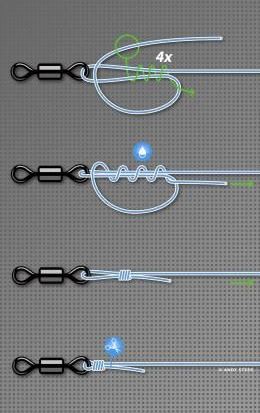
Improved Clinch Knot
The Improved Clinch Knot is popular for its simplicity and strong hold. It works well with monofilament and fluorocarbon lines.
- Pass the line through the eye of the weight.
- Wrap the tag end around the standing line 5 to 7 times.
- Thread the tag end through the small loop near the eye.
- Then pass the tag end through the big loop just created.
- Moisten the knot and pull both ends to tighten.
- Trim the excess tag end close to the knot.
Palomar Knot
The Palomar Knot is very strong and easy to tie. It works well for braided and monofilament lines and keeps the line from slipping.
Follow these steps for the Palomar Knot:
- Double about 6 inches of line and pass the loop through the weight’s eye.
- Tie a loose overhand knot with the doubled line.
- Pass the weight through the large loop.
- Pull the loop and standing line to tighten the knot firmly.
- Cut the tag end close to the knot.
Uni Knot
The Uni Knot is versatile and strong. It allows some adjustment before tightening and works well for attaching weights and hooks.
| Step | Action |
| 1 | Pass the line through the weight’s eye and double back alongside the standing line. |
| 2 | Make a loop by laying the tag end over the doubled line. |
| 3 | Wrap the tag end around both lines 5 times. |
| 4 | Pull the tag end to tighten the coils while holding the loop. |
| 5 | Slide the knot down to the weight’s eye and pull the standing line to secure. |
| 6 | Trim the tag end close to the knot. |
Testing The Setup
After attaching a weight to your fishing line, you need to test the setup. Testing ensures your rig works well before you fish.
Check if the weight stays secure and the line casts smoothly. This helps avoid problems on the water.
Casting Practice Tips
Practice casting your line several times to see how the weight affects it. Aim for smooth, controlled throws.
Watch how the weight moves through the air. This helps you spot any problems early.
- Use a safe, open space for practice
- Start with short casts, then increase distance
- Notice if the weight pulls the line down too fast
- Adjust your casting speed and angle as needed
Adjusting Weight For Balance
Check if the weight feels balanced on your line. Too heavy or too light affects casting and bait presentation.
Move the weight along the line to find the best spot. Balance improves control and casting distance.
- Shift weight closer to the hook for better bait control
- Place weight farther away for longer casts
- Test different weight sizes for your rod and line
- Keep the setup steady while reeling in
Ensuring Secure Attachment
Make sure the weight is tightly attached to your line. Loose weights can fall off and spoil your fishing.
Use strong knots or clips to hold the weight in place. Check the attachment before each cast.
- Try different knots like the improved clinch knot
- Check knots for slipping or loosening
- Use split shot clips for easy adjustment
- Replace worn or damaged weights promptly
Common Mistakes To Avoid
Attaching a weight to your fishing line seems simple. Many anglers make mistakes that affect their fishing success.
Knowing what errors to avoid helps you fish better and keeps your gear safe.
Using Incorrect Weight Size
Choosing the wrong weight size can cause problems. Too heavy a weight sinks too fast and scares fish. Too light a weight does not reach the desired depth.
- Heavy weights may break light lines.
- Light weights can drift away with the current.
- Match the weight to the fishing environment.
- Consider water depth and fish type when picking weight.
Poor Knot Tying
Tying knots incorrectly makes the weight slip off or weakens the line. A strong knot holds the weight firmly in place.
| Knot Type | Use | Common Mistake |
| Improved Clinch Knot | Secures weight to line | Not tightening enough |
| Palomar Knot | Strong and easy to tie | Wrong loop size |
| Uni Knot | Adjustable and reliable | Too few wraps |
Ignoring Line Compatibility
Not all lines work well with every weight. Using incompatible line and weight can cause line breakage or poor casting.
- Use lighter lines with smaller weights for finesse fishing.
- Match heavier weights with stronger lines for deep water.
- Check the line’s breaking strength before adding weight.
- Test the setup before fishing to avoid surprises.
Tips For Better Casting
Attaching weight to your fishing line helps improve casting. Proper weight lets you cast farther and with more accuracy.
Use simple techniques to control the weight and line tension. This guide shares easy tips for better casting results.
Smooth Casting Techniques
Start your cast with a smooth, controlled motion. Avoid jerking the rod to prevent tangles and poor distance.
- Hold the rod firmly but not too tight
- Keep your wrist steady during the cast
- Practice a slow back cast before the forward cast
- Release the line at the right moment for a clean cast
Adjusting Weight For Distance
The right weight helps you cast farther without losing control. Use lighter weights for short casts and heavier ones for long casts.
| Weight Size | Best Casting Distance |
| 1-3 grams | Short (under 20 meters) |
| 4-7 grams | Medium (20 to 40 meters) |
| 8+ grams | Long (over 40 meters) |
Maintaining Line Tension
Keep tension on the line to control the weight and avoid slack. This improves casting accuracy and hook setting.
Tips to maintain line tension:
- Hold the rod tip slightly up
- Keep a steady grip on the line with your fingers
- Adjust line slack quickly if you feel any looseness

Credit: www.youtube.com

Credit: www.reddit.com
Frequently Asked Questions
How Do I Attach A Weight To Fishing Line?
To attach a weight, thread the line through the weight’s hole. Then tie a secure knot like the improved clinch knot. Ensure the knot is tight to prevent slipping during casting or retrieval.
What Type Of Weight Is Best For Fishing Line?
Choose a weight based on fishing conditions. Split shot weights suit light tackle, while egg sinkers work well in currents. Match the weight size to your fishing line strength and target fish species.
Can I Use Any Knot To Tie Fishing Weights?
Not all knots are ideal. The improved clinch knot and Palomar knot are strong and reliable for weights. These knots hold well under pressure and reduce the chance of line breakage.
How Far Should The Weight Be From The Hook?
Position the weight 6-12 inches above the hook. This distance allows natural bait movement and prevents the weight from scaring fish. Adjust based on water depth and fishing technique.
Conclusion
Attaching a weight to your fishing line is simple and helps you fish better. Use the right knot and secure the weight tightly. This keeps your bait at the right depth. Practice a few times to get comfortable. Fishing becomes more fun and effective this way.
Now you are ready to catch more fish with ease. Try these steps next time you go fishing. Enjoy your time by the water!