Are you struggling to keep your bait at the right depth while fishing? Attaching a weight to your fishing line can make all the difference.
It helps your bait sink faster, stay steady, and reach the fish more effectively. But if you’re unsure how to do it the right way, you might lose bites or even your gear. In this guide, you’ll learn simple, step-by-step methods to attach weights quickly and securely.
By the end, you’ll feel confident to improve your fishing game and catch more. Keep reading to master this essential skill!
Choosing The Right Weight
Attaching a weight to your fishing line helps your bait sink to the right depth. Picking the right weight is important for a good fishing experience.
The right weight depends on where you fish and what type of fish you want to catch. It also affects how far and how deep your bait goes.
Types Of Fishing Weights
Fishing weights come in different shapes and sizes. Each type works best in certain fishing situations.
- Split Shot:Small round weights that pinch onto the line. Good for light fishing.
- Egg Sinkers:Oval-shaped weights with a hole for the line. They slide freely and work well in currents.
- Bullet Weights:Shaped like a bullet and used in fishing with soft plastic baits. They help the bait move naturally.
- Bank Sinkers:Long and heavy weights with a loop. Ideal for deep water and strong currents.
- Pyramid Sinkers:Pyramid-shaped weights that stay firm in sandy or rocky bottoms.
Selecting Weight Based On Conditions
Choose your weight by thinking about water depth, current strength, and wind. These factors change how your bait moves.
Light weights work well in calm, shallow water. Heavier weights help in deep water or strong currents.
- Use light weights in still water to avoid spooking fish.
- Pick medium weights for slow-moving rivers or lakes.
- Choose heavy weights for fast rivers or deep fishing spots.
- Increase weight if the wind is strong to cast farther.

Credit: www.reddit.com
Preparing Your Fishing Line
Before attaching a weight to your fishing line, you must prepare the line properly. This ensures that your fishing experience goes smoothly and increases your chances of success. Let’s explore how to prepare your line effectively.
Checking Line Strength
Line strength is crucial for holding the weight and catching fish. Make sure your line can handle the weight you plan to attach. Inspect the line for any damage or weak spots that might cause it to break.
Consider the type of fish you are targeting. Larger fish need stronger lines. A line’s pound test indicates its strength, so choose according to your needs.
- Examine for frays or nicks
- Check line’s pound test
- Match line to fish size
Cutting The Line Properly
Accurate line cutting is essential for attaching the weight securely. Use sharp scissors to cut the line, leaving a clean edge. This helps prevent the line from unraveling.
Ensure the line length is appropriate for your fishing setup. Too long or too short can affect casting and control. Measure and cut carefully.
- Use sharp scissors for clean cuts
- Measure line length before cutting
- Ensure line is straight and untangled
Attaching Weights With Knots
Fishing weights help your bait sink to the right depth. Attaching weights with strong knots keeps your line secure.
Using the right knot makes your fishing setup more reliable. It also helps you change weights quickly.
Using The Palomar Knot
The Palomar knot is strong and easy to tie. It works well for attaching weights to your fishing line.
To tie the Palomar knot, double your line and pass it through the weight’s eye. Tie a loose overhand knot, then pull the loop over the weight. Tighten the knot and trim the excess line.
- Double the line before passing through the weight
- Tie an overhand knot without tightening it fully
- Pass the loop over the weight
- Tighten the knot by pulling both ends
- Trim the extra line close to the knot
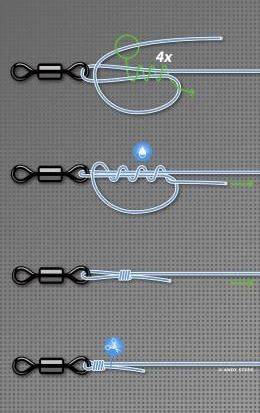
Tying The Improved Clinch Knot
The Improved Clinch knot is popular for securing weights. It holds well and is simple to learn.
Start by threading the line through the weight’s eye. Wrap the tag end around the main line five to seven times. Pass the tag end through the small loop near the eye, then back through the big loop. Pull tight and cut the extra line.
- Thread line through the weight’s eye
- Wrap tag end 5-7 times around main line
- Pass tag end through small loop near eye
- Pass tag end through the big loop
- Tighten the knot firmly
- Trim tag end close to knot
Using Sliding Sinkers
Sliding sinkers are popular for fishing because they let the fish feel less resistance. They move freely on the fishing line until a fish bites.
This guide shows how to attach a sliding sinker to your fishing line. Follow simple steps for best results.
Threading The Line Through Sinkers
Start by choosing the right size sliding sinker for your fishing needs. Then, thread your fishing line through the hole in the sinker. Make sure the sinker slides freely along the line.
- Pick a sliding sinker that fits your fishing line thickness.
- Hold the sinker steady with one hand.
- Pass the fishing line through the sinker’s hole carefully.
- Check that the sinker moves smoothly along the line.
Securing With A Stopper Knot
To keep the sliding sinker in place, use a stopper knot above it. This knot stops the sinker from sliding too far up the line.
| Stopper Knot Type | How to Tie |
|---|---|
| Overhand Knot | Make a simple loop and pull the line end through it twice. |
| Uni Knot | Wrap the line end around the main line 4-5 times and pull tight. |
| Stopper Knot | Create a small loop and tie a knot that tightens on the line. |
Place the stopper knot a few inches above the sinker. Tighten it well to hold the sinker in place during casting and fishing.
Fixing Weights With Split Shot
Attaching weights to your fishing line helps your bait sink to the right depth. Split shot weights are small and easy to use. They clip directly onto the line.
This guide shows how to place and crimp split shot weights properly. These tips will keep your setup secure and effective.
Positioning The Split Shot
Put the split shot weight on the line where it balances your bait well. Usually, this is a few inches above the hook. The weight helps your bait sink without scaring the fish.
- Choose a spot 6 to 12 inches above the hook
- Avoid placing the weight too close to the hook to keep natural bait movement
- Use multiple split shots spaced out for deeper fishing
- Test by dropping your rig in water to check bait position
Crimping Techniques
Crimp the split shot tightly so it stays on the line. Use pliers to press the weight flat. This secures the weight without damaging the line.
| Crimping Step | Description |
| Place Weight | Clip the split shot onto the line at the chosen spot |
| Align Pliers | Hold the weight with flat-nose pliers, lined up with the line |
| Press Firmly | Crimp the weight by squeezing the pliers until it is flat |
| Check Security | Pull gently on the weight to ensure it will not slip |

Credit: www.amazon.com
Testing Your Setup
After attaching a weight to your fishing line, test your setup carefully. This helps ensure your rig works well in the water.
Testing lets you check if the weight stays secure and if your casting feels smooth. Both are important for a good fishing experience.
Checking Weight Stability
Hold your line and shake it gently to see if the weight moves. The weight should stay tight and not slide up or down.
If the weight shifts, try tightening your knot or use a stopper knot. A stable weight helps keep your bait in the right spot.
- Shake the line gently to test movement
- Look for any slipping or sliding of the weight
- Tighten knots if the weight moves
- Use a stopper knot for extra hold
Ensuring Smooth Casting
Cast your line a few times to check if the weight flies smoothly through the guides. Avoid any jerky or rough feels.
Make sure the weight does not get stuck or tangle with the line. Smooth casting helps you reach farther and fish better.
- Cast several times to test smoothness
- Listen for any unusual sounds or catches
- Watch the line for tangles or snags
- Adjust weight size if casting feels rough
Tips For Better Casting
Attaching the right weight to your fishing line can improve your casting distance and accuracy. Using the proper weight also helps you control the bait better in the water.
This guide covers how to adjust weight size and balance your fishing line and rod for better casting results.
Adjusting Weight Size
Choosing the correct weight size depends on the fishing conditions and the type of fish you want to catch. Too heavy a weight makes casting harder and may scare fish.
- Use lighter weights for calm water and small fish.
- Choose heavier weights for windy days or strong currents.
- Match weight size to your rod’s casting ability.
- Start small and increase weight if casting distance is short.
Balancing Line And Rod
Balancing your fishing line and rod creates smooth casts and reduces fatigue. The right balance helps the line flow easily through guides and improves control.
| Factor | Ideal Setup |
| Rod Power | Match line weight range on rod label |
| Line Strength | Use line rated for target fish size |
| Weight Size | Choose weight that suits rod and line tension |
| Line Type | Monofilament offers stretch, braided has less stretch |

Credit: www.walmart.com
Frequently Asked Questions
How Do I Attach A Weight To Fishing Line Correctly?
To attach a weight, thread the line through the weight’s hole. Then, tie a secure knot like the improved clinch knot. This ensures the weight stays in place and improves casting accuracy.
What Type Of Weight Is Best For Fishing Line?
Split shot weights are ideal for most fishing lines. They are easy to attach and adjust. Choose the weight size based on fishing conditions and target fish species.
Can I Use A Swivel When Attaching Weights?
Yes, using a swivel helps prevent line twist. Attach the swivel between the weight and the hook. This setup improves line durability and bait presentation.
How Far Should The Weight Be From The Hook?
Place the weight 6 to 12 inches above the hook. This distance allows natural bait movement. It also helps in detecting bites more effectively.
Conclusion
Attaching a weight to your fishing line is simple and useful. It helps your bait sink to the right spot. Use the right knot and secure the weight firmly. Check your line often to avoid losing the weight. Practice a few times to get comfortable.
This skill improves your fishing experience and catch chances. Keep your gear ready and enjoy your time by the water.