If you want to catch more fish on your next trip, knowing how to attach bait to your fishing rod the right way is key. It might seem simple, but the way you hook your bait can make all the difference between a great catch and going home empty-handed.
You’ll learn easy steps to secure your bait properly, so it stays on longer and looks natural to fish. Keep reading, and you’ll be ready to fish smarter and improve your chances of success every time you cast your line.

Credit: www.chromecatchers.com
Choosing The Right Bait
Choosing the right bait is key to catching fish. The bait should attract the fish you want to catch.
Different fish prefer different types of bait. Knowing your options helps you fish better.
Live Bait Options
Live bait is natural and moves in the water. This movement can attract fish more easily.
Common live baits include worms, minnows, and crickets. Each works well for certain fish.
- Worms are good for bass and trout.
- Minnows attract larger fish like bass and walleye.
- Crickets work well for panfish and bluegill.
- Leeches can attract northern pike and muskies.
Artificial Bait Types
Artificial bait is made from plastic or other materials. It can mimic live bait or have bright colors.
Artificial bait lasts longer and is easy to use. Different types work for various fishing styles.
- Soft plastic worms and grubs imitate real worms or small fish.
- Spinnerbaits create flashes and vibrations to attract fish.
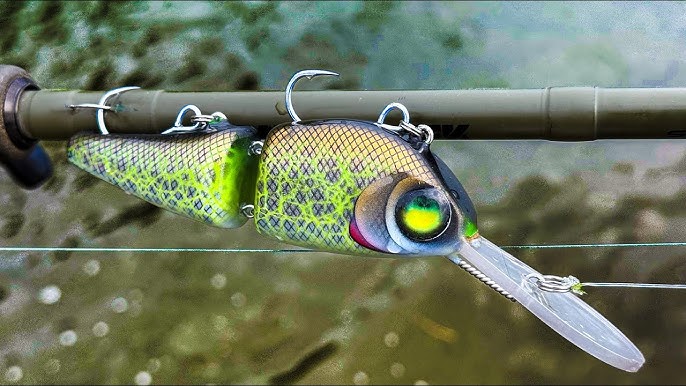
- Crankbaits dive and wiggle to mimic swimming fish.
- Jigs have weighted heads and can hold live bait or soft plastics.
Matching Bait To Fish Species
Different fish prefer different baits. Using the right bait increases your chance to catch fish.
Know the habits and food of the fish you want. Pick bait that looks or smells like their food.
| Fish Species | Best Bait |
|---|---|
| Bass | Live worms, minnows, soft plastic worms |
| Trout | Live worms, crickets, small artificial flies |
| Catfish | Stink bait, chicken liver, cut bait |
| Bluegill | Live crickets, worms, small jigs |
| Pike | Live minnows, large spinnerbaits, spoons |
Selecting The Proper Hook
Attaching bait to your fishing rod starts with choosing the right hook. The hook’s size and shape matter a lot. This choice can affect how well you catch fish.
There are different hooks for different fish. Learn about their sizes, shapes, and types to make the best choice.
Hook Sizes And Shapes
Hooks come in various sizes and shapes. The size depends on the fish you want to catch. Bigger fish need bigger hooks, while smaller fish need smaller hooks.
Common hook shapes include J-hooks and circle hooks. J-hooks are versatile and easy to use. Circle hooks are good for catch-and-release fishing.
- J-hooks: Good for many types of bait
- Circle hooks: Help keep fish alive for release
- Treble hooks: Often used with lures
Barbed Vs Barbless Hooks
Barbed hooks have a small point that sticks out. This point helps keep the fish on the line. Barbless hooks do not have this point. They are easier to remove from the fish.
Barbless hooks are better for the fish’s health. They cause less damage and make catch-and-release easier. Barbed hooks are better for beginners because they hold the fish more securely.
- Barbed hooks: Secure hold on fish
- Barbless hooks: Easier to remove
- Barbless hooks: Better for fish’s safety
Preparing The Bait
Preparing the bait correctly helps catch more fish. It makes the bait stay on the hook longer.
Good bait preparation also attracts fish better. This guide explains how to cut and secure bait.
Cutting And Shaping Bait
Cut bait into small pieces that fit your hook. Shape it to cover the hook well.
Use a sharp knife or scissors to cut clean edges. Remove any parts that may fall off easily.
- Cut bait into 1 to 2 inch pieces
- Shape bait to cover hook point and shank
- Trim off soft or loose parts
- Keep pieces firm but natural looking
Securing Soft Bait
Soft bait can slip off the hook if not secured well. Thread the bait carefully to hold it tight.
Push the hook through thick parts of the bait. Avoid piercing all the way through thin sections.
- Insert hook point into thick bait areas
- Thread bait along the hook shank
- Leave some bait covering the hook point
- Check bait stability before casting

Credit: calflyfisher.com
Attaching Bait To The Hook
Attaching bait correctly improves your chances of catching fish. The bait must stay on the hook through casting and water movement.
Different baits require different methods. This guide explains how to attach live and artificial bait and avoid common problems.
Threading Live Bait
Threading live bait like worms or minnows keeps them lively and attractive to fish. Insert the hook carefully to avoid killing the bait too soon.
- Insert the hook near the bait’s head or lips for minnows.
- Thread worms gently from one end through the body.
- Leave part of the bait moving freely to appear natural.
- Use a small hook to reduce damage.
Piercing Techniques For Artificial Bait
Artificial baits like soft plastics need proper piercing for a secure fit. The hook position affects how the bait moves in water.
| Technique | Description | Benefit |
| Texas Rig | Hook pierces head of bait, point buried. | Prevents snags in weeds. |
| Carolina Rig | Hook pierces bait body, allowing free movement. | More natural bait action. |
| Jig Head | Hook fixed through bait head. | Good sinking action and control. |
Avoiding Bait Slippage
Bait slipping off the hook wastes time and reduces catches. Use these tips to keep your bait in place.
- Choose the right hook size for your bait.
- Push the hook point through thick parts of the bait.
- Use bait holders or barbed hooks for extra grip.
- Check bait often and reattach if loose.
Adjusting Bait For Casting
Attaching bait correctly helps improve your casting distance and accuracy. Adjusting the bait’s weight and shape can make your cast smoother.
Two main points to focus on are balancing weight and buoyancy and minimizing drag. Both affect how the bait moves through the water and air.
Balancing Weight And Buoyancy
Finding the right balance between weight and buoyancy helps your bait cast farther and land softly. Too heavy bait can shorten the cast, while too light bait may not sink properly.
- Choose bait weight that matches your rod and reel setup.
- Use floaters or sinkers to adjust how the bait sits in water.
- Test the bait in water to check if it floats or sinks as needed.
- Attach bait securely to avoid slipping during the cast.
Minimizing Drag
Drag slows down your cast and reduces the distance. It also affects how the bait moves underwater. Reducing drag makes casting easier and more natural for fish.
| Method | How It Helps |
| Streamlined bait shape | Reduces air resistance for longer casts |
| Use of small hooks | Less water resistance during the cast |
| Proper bait placement | Keeps line straight to avoid tangles |
| Lightweight line | Improves casting speed and control |
Testing Your Setup
After attaching bait to your fishing rod, testing your setup is very important. It helps ensure the bait stays secure and casts well.
Testing lets you avoid problems before you start fishing. You can fix issues early and fish with confidence.
Casting Practice Tips
Practice casting in an open area before fishing. This helps you learn how your bait moves in the air.
Use smooth, steady motions to avoid bait falling off. Check how far and straight your cast goes.
- Start with short casts and increase distance slowly
- Watch the bait during the cast to see if it stays on
- Adjust your grip and speed if bait drops off
Checking Bait Stability In Water
Once you cast, watch how the bait behaves in the water. It should stay on the hook without drifting away.
If the bait moves too much or falls off, try reattaching it more securely. Check that the hook holds it well.
- Look for bait movement caused by water currents
- Make sure bait does not slip off the hook easily
- Test with gentle pulls to see if bait stays attached

Credit: www.youtube.com
Frequently Asked Questions
How Do I Securely Attach Bait To A Fishing Rod?
To attach bait securely, thread the fishing line through the hook eye. Then, tie a strong knot like the improved clinch knot. Ensure the bait covers the hook properly for better fish attraction and to prevent slipping during casting.
What Is The Best Knot For Bait Attachment?
The improved clinch knot is the best for bait attachment. It is strong, simple, and reliable. This knot keeps the bait firmly in place and reduces the chance of line slipping or breaking, making it ideal for fishing beginners and experts alike.
Can I Use Live Bait On A Fishing Rod?
Yes, live bait can be used on a fishing rod. Attach the hook carefully through the bait’s body or lips. This keeps the bait lively and attractive to fish, improving your chances of a successful catch.
How Much Bait Should I Use On My Fishing Rod?
Use enough bait to fully cover the hook without weighing it down. Too much bait can cause casting issues. Proper bait size enhances fish attraction and ensures the bait stays on during fishing.
Conclusion
Attaching bait to your fishing rod is simple and quick. Choose the right bait and hook for the fish you want. Make sure the bait stays secure but looks natural. Practice tying knots to keep bait from falling off. Check your setup before casting into the water.
A well-attached bait helps catch more fish and enjoy fishing more. Keep trying and learn what works best for your fishing style. Fishing becomes easier and more fun with the right bait on your rod.