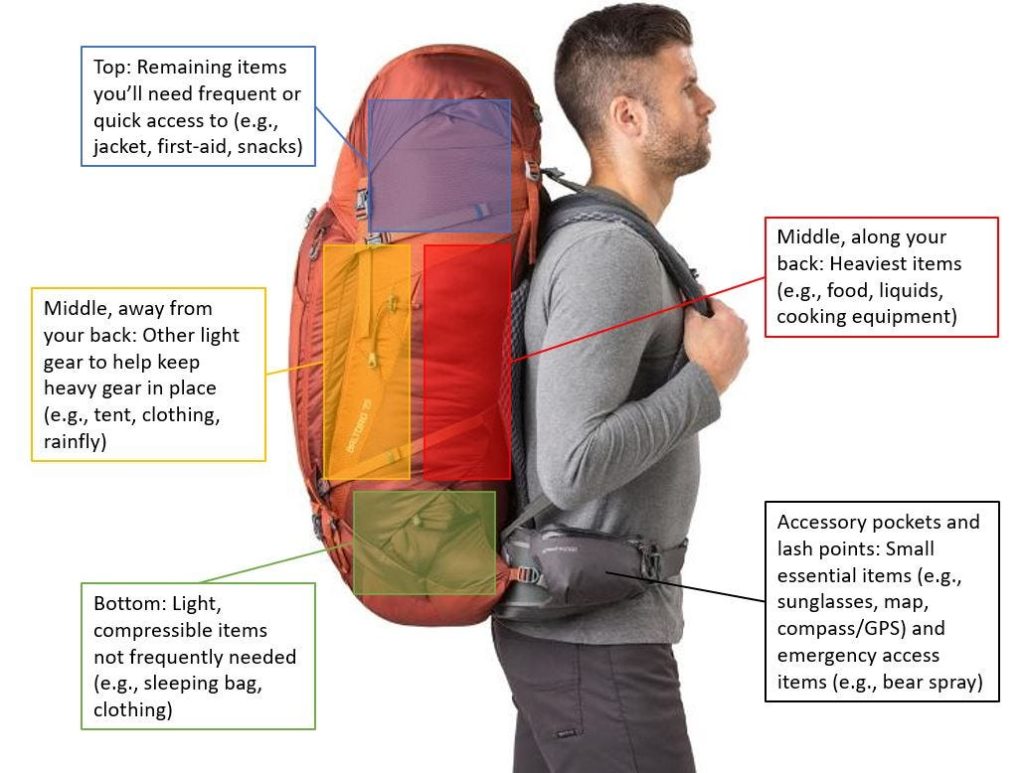
Packing your sleeping bag the right way can make a huge difference on your hike or camping trip. If you’re wondering how to attach your sleeping bag to your backpack without it getting in the way or causing discomfort, you’re in the right place.
In this guide, you’ll learn simple, effective methods to secure your sleeping bag so it stays safe, dry, and easy to carry. Keep reading, and you’ll discover tips that save you time and make your outdoor adventures more enjoyable.
Choosing The Right Sleeping Bag
Choosing the right sleeping bag is important for a good night’s sleep outdoors. It helps you stay warm and fits well with your backpack.
This guide covers types of sleeping bags, size and weight, and materials to consider before you attach your sleeping bag to your backpack.
Types Of Sleeping Bags
There are three main types of sleeping bags. Each type fits different weather and comfort needs.
- Mummy bags: Tight fit, good for cold weather.
- Rectangular bags: Roomy and good for warm weather.
- Semi-rectangular bags: A mix of both shapes for moderate climates.
Size And Weight Considerations
Size and weight affect how easy it is to carry your sleeping bag on your backpack. A smaller, lighter bag is easier to attach and carry.
| Size | Weight | Use |
| Compact | Light (1-2 lbs) | Backpacking and hiking |
| Medium | Medium (2-4 lbs) | Car camping |
| Large | Heavy (4+ lbs) | Cold weather or base camping |
Material And Durability
Materials affect warmth and how long your sleeping bag lasts. Look for durable shells and warm fillings.
- Down: Lightweight and warm but loses insulation when wet.
- Synthetic: Heavier but works well in wet conditions.
- Shell fabric: Ripstop nylon or polyester for durability.
- Water-resistant coatings protect your bag from rain and moisture.

Credit: www.reddit.com
Selecting A Suitable Backpack
Choosing the right backpack is key for a comfortable hiking experience. It ensures your sleeping bag is attached securely.
Consider features that enhance attachment and balance. Here’s how to find a backpack that works well for carrying your gear.
Backpack Features For Attachment
Backpacks come with various features that aid in attaching a sleeping bag. Look for models with loops, daisy chains, or compression straps.
- Loops provide easy points for hooking your bag.
- Daisy chains offer versatile attachment options.
- Compression straps help secure the load tightly.
Weight Capacity And Balance
Balance is crucial to avoid strain during your hike. Choose a backpack with a weight capacity that matches your load.
| Backpack Capacity | Recommended Load |
| 30-40 liters | Light day hikes |
| 40-60 liters | Weekend trips |
| 60+ liters | Extended journeys |
Attachment Points And Straps
Check for multiple attachment points on your backpack. This will allow flexible arrangement of your sleeping bag and other gear.
Methods To Attach Sleeping Bag
Attaching a sleeping bag to your backpack can save space inside and keep your gear organized. Different methods work best depending on your bag and hiking style.
This guide explains four common ways to attach a sleeping bag securely to your backpack.
Using Compression Straps
Compression straps on your backpack help hold bulky items like sleeping bags tightly. Wrap the sleeping bag with its own straps or a compression sack first.
Then fasten the bag under the compression straps on your backpack to keep it secure and stable during your hike.
Employing External Loops
Many backpacks have external loops designed for attaching gear. Use these loops to tie your sleeping bag using durable cords or straps.
- Thread straps through the loops
- Wrap around the sleeping bag
- Tighten the straps to hold the bag firmly
- Check that the bag does not sway
Utilizing Carabiners And Clips
Carabiners and clips offer a quick way to attach a sleeping bag to your backpack. Use them with loops or straps on both the bag and pack.
| Clip Type | Best Use |
| Standard Carabiner | Quick clip and release |
| Locking Carabiner | Extra security for rough terrain |
| Plastic Clip | Lightweight option for short hikes |
Packing Inside The Backpack
Packing the sleeping bag inside the backpack protects it from rain and dirt. Use the main compartment or dedicated sleeping bag section if available.
- Compress the sleeping bag tightly
- Place it at the bottom or in the compartment
- Distribute weight evenly
- Close the pack securely
Securing The Sleeping Bag
Attaching your sleeping bag to your backpack keeps it safe and easy to carry. Secure it well to avoid damage and noise during your hike.
Use the right methods to tighten straps, stop movement, and protect your bag from weather. This guide helps you keep your sleeping bag stable and dry.
Tightening Straps Properly
Straps hold your sleeping bag tightly on your backpack. Tighten them evenly to avoid slipping or damage. Check all buckles and straps before starting your trip.
- Place the sleeping bag at the bottom or side of your backpack.
- Use adjustable straps to wrap around the bag firmly.
- Pull the straps slowly to avoid tearing the fabric.
- Lock the buckles securely after tightening.
- Test by gently shaking the backpack to ensure the bag does not move.
Preventing Movement And Noise
Movement of the sleeping bag causes noise and wear. Use padding or covers to reduce friction. Wrap extra straps around the bag for added stability.
- Use a sleeping bag stuff sack or compression sack.
- Add foam or soft cloth between the bag and straps.
- Secure loose strap ends to avoid flapping.
- Check for any rattling parts before walking.
Weatherproofing Tips
Protect your sleeping bag from rain and dirt by using waterproof covers. Cover the bag fully and secure the cover with straps or cords.
| Method | Benefit |
| Waterproof Stuff Sack | Keeps bag dry in wet weather |
| Plastic Bag Liner | Simple and cheap weather protection |
| Dry Bag | Highly water-resistant and durable |
| Rain Cover | Protects whole backpack including sleeping bag |
Common Mistakes To Avoid
Attaching a sleeping bag to a backpack seems simple. Many people make mistakes that affect comfort and safety.
Knowing what to avoid helps you carry your gear better on your trips.
Overloading The Backpack
Putting too much weight on your backpack causes strain on your back and shoulders. Overloading also makes walking harder.
Keep your load light by attaching only what is necessary. A heavy sleeping bag can slow you down and tire you quickly.
- Do not attach extra gear with the sleeping bag
- Check backpack weight before starting your hike
- Choose a lightweight sleeping bag when possible
Ignoring Balance And Weight Distribution
Attaching the sleeping bag unevenly causes your backpack to lean or sway. This leads to discomfort and possible injury.
Place the sleeping bag where it keeps your pack balanced. A well-balanced load helps you walk steadily and saves energy.
- Attach the sleeping bag centered at the bottom or top of the pack
- Use straps to keep it snug and close to the pack
- Check your balance before starting your hike
Using Inadequate Straps
Weak or short straps can cause your sleeping bag to fall off. Using the wrong straps also damages your gear or backpack.
Use strong, adjustable straps designed for securing bulky items. Secure straps keep your sleeping bag safe and stable.
- Choose wide and durable straps for better grip
- Adjust straps tightly without crushing the sleeping bag
- Check straps for wear before each trip

Credit: www.reddit.com
Additional Tips For Comfort
Attaching your sleeping bag to your backpack the right way helps you stay comfortable on your trip. Small details make a big difference for your rest and ease while hiking.
This guide shares helpful tips on quick access, protecting your sleeping bag, and keeping your backpack in good shape.
Quick Access Setup
Keep your sleeping bag easy to reach. This saves time and hassle when you want to rest or set up camp.
- Attach the bag to the bottom or side of your backpack using straps or clips.
- Use quick-release buckles for fast removal.
- Choose a spot that does not block access to other gear.
- Consider a waterproof sack to protect from rain.
- Test the setup before your trip to ensure smooth handling.
Protecting The Sleeping Bag From Damage
Sleeping bags can get dirty or torn if not secured well. Protecting them extends their life and keeps you warm.
| Tip | Reason |
| Use a compression sack | Prevents dirt and moisture from reaching the bag |
| Attach under a rain cover | Keeps the bag dry during bad weather |
| Avoid sharp edges | Prevents tears and punctures |
| Store loosely when not hiking | Maintains insulation and shape |
Maintaining Backpack Longevity
Proper care for your backpack keeps it strong and comfortable. This helps you carry your sleeping bag safely for many trips.
Follow these simple rules:
- Clean your backpack regularly to remove dirt and sweat.
- Check and tighten all straps and buckles before each use.
- Store your backpack in a cool, dry place away from sunlight.
- Repair small tears or broken parts quickly to avoid bigger damage.
- Do not overload your backpack beyond its weight limit.

Credit: www.reddit.com
Frequently Asked Questions
How Do You Attach A Sleeping Bag To A Backpack?
Use compression straps or dedicated loops on your backpack. Roll the sleeping bag tightly. Secure it under the straps or in the loops. This method keeps your bag stable and saves space inside your pack.
What Is The Best Position For A Sleeping Bag On A Backpack?
Attach the sleeping bag at the bottom or outside of the pack. This placement balances weight and frees internal space. It also protects the bag from moisture and dirt during your hike.
Can I Use Bungee Cords To Secure A Sleeping Bag?
Yes, bungee cords work well for securing a sleeping bag. They provide flexibility and strong hold. Wrap the cords around your bag and backpack straps tightly to keep it in place.
Should I Waterproof My Sleeping Bag Before Attaching It?
Yes, waterproofing is essential if rain is expected. Use a dry sack or waterproof cover. This protects your sleeping bag from moisture and keeps it dry during outdoor adventures.
Conclusion
Attaching your sleeping bag to a backpack saves space inside. It keeps your gear organized and easy to reach. Use straps or a stuff sack with loops for best results. Make sure it’s tight and secure to avoid swinging. Check the attachment before you start walking.
This simple step makes your hike more comfortable and safe. Practice a few times to find what works best. Enjoy your outdoor adventure with less hassle and more freedom.