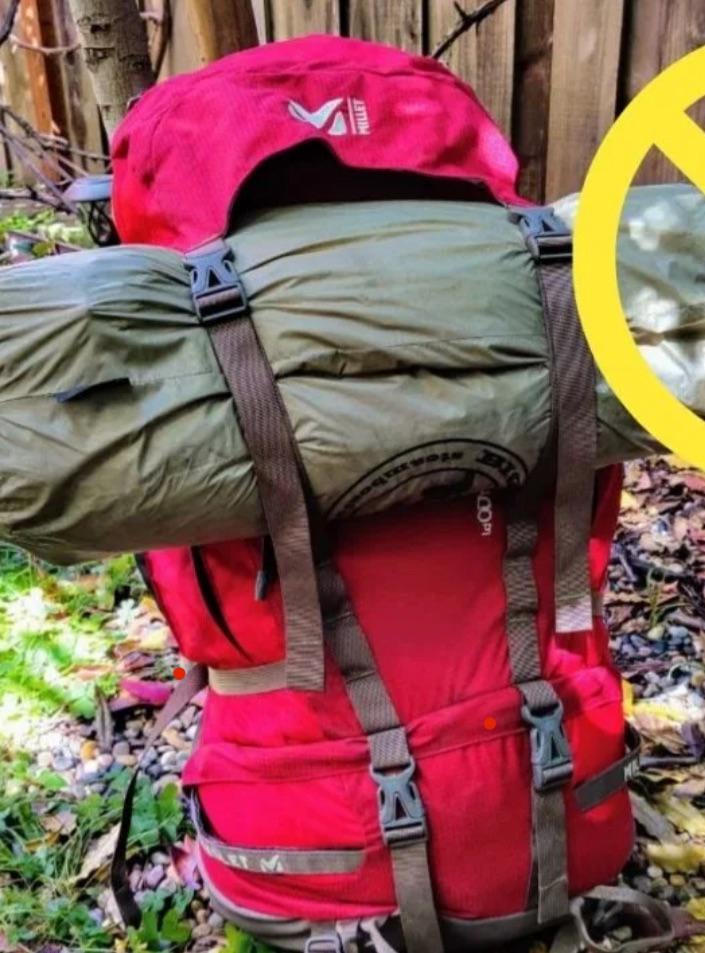
Are you tired of struggling to fit your sleeping bag inside your backpack? Attaching it to the bottom can save you space and keep your gear organized.
But how do you do it securely so it doesn’t bounce around or get wet? You’ll learn simple, effective ways to attach your sleeping bag to the bottom of your backpack. By the end, you’ll feel confident packing your gear like a pro and ready for your next adventure.
Keep reading to discover easy tips that make a big difference.

Credit: www.reddit.com
Choosing The Right Sleeping Bag
Picking the right sleeping bag is key for a comfortable outdoor trip. It affects how well you sleep and how easy it is to carry your gear.
Focus on the material and weight first. Then check the size and how well it compresses for packing.
Material And Weight Considerations
Sleeping bags come in different materials like down and synthetic. Each has pros and cons for weight and warmth.
- Down:Light and compressible but can lose warmth if wet.
- Synthetic:Heavier but keeps warmth when damp.
- Shell Fabric:Look for water-resistant and durable materials.
- Weight:Choose a sleeping bag that fits your backpack weight limit.
Compression And Size Factors
Size and how much your sleeping bag compresses affects how you attach it to your backpack bottom.
| Feature | Benefit |
| Compression Sack | Reduces bulk for easier packing |
| Bag Size | Smaller bags fit better under backpacks |
| Shape | Mummy shapes compress more than rectangular ones |
| Attachment Points | Use straps or bungee cords for secure fitting |

Credit: www.reddit.com
Types Of Backpack Attachment Points
Attaching a sleeping bag to the bottom of a backpack helps save space inside. Different backpacks have various points designed for this purpose. Knowing these types makes packing easier and safer.
Below are common attachment points found on backpacks. Each type offers unique ways to secure your sleeping bag.
Loops And Straps
Loops and straps are the most common attachment points. They allow you to tie or clip your sleeping bag firmly to the bottom.
- Loops are small fabric rings near the base of the backpack.
- Straps are adjustable bands that wrap around the sleeping bag.
- Use strong knots or buckles to keep the bag from sliding.
External Pockets
Some backpacks have external pockets at the bottom made for extra gear. These pockets can hold a sleeping bag if it fits.
| Type of Pocket | Use for Sleeping Bag |
| Mesh Pocket | Good for compressible bags |
| Zip Pocket | Protects from rain and dirt |
| Stretch Pocket | Holds bulky but soft bags |
Gear Loops And Daisy Chains
Gear loops and daisy chains are rows of fabric loops sewn onto the backpack. They offer flexible points to clip your sleeping bag.
Tips for using gear loops and daisy chains:
- Use carabiners or straps to attach the sleeping bag.
- Distribute weight evenly for balance.
- Check loops for wear and strength before use.
Selecting The Best Attachment Method
Attaching a sleeping bag to the bottom of a backpack keeps it handy and saves space inside. Picking the right way to attach it matters for comfort and safety.
Choose an attachment method that fits your backpack and sleeping bag size. It should hold the bag tightly and be easy to use.
Using Compression Straps
Compression straps are common on many backpacks. They are strong and wrap around the sleeping bag well. Tightening them keeps the bag secure.
Make sure the straps are long enough to go around the sleeping bag. Fasten the buckles firmly but not too tight to avoid damage.
- Wrap straps around the sleeping bag
- Clip the buckles and pull tight
- Check the bag does not move
Employing Bungee Cords
Bungee cords stretch to fit different sizes of sleeping bags. They are quick to use and provide good hold. Use cords with hooks for easy attachment.
Loop the cords through backpack loops and around the sleeping bag. Secure the hooks firmly so the bag stays in place during movement.
- Choose bungee cords with strong hooks
- Stretch cords around the bag and backpack loops
- Attach hooks securely
- Test for stability by shaking the pack
Utilizing Carabiners And Clips
Carabiners and clips are helpful for quick attachment and removal. Use them with straps or loops on your sleeping bag and backpack.
Clip the carabiners through the bag’s loops and backpack straps. Make sure they lock properly to avoid accidental opening.
- Find loops on both sleeping bag and backpack
- Use locking carabiners for safety
- Attach clips through the loops
- Check each clip is secure before hiking
Step-by-step Attachment Process
Attaching your sleeping bag to the bottom of your backpack saves space inside. It also keeps your gear organized and easy to access.
Follow these steps to secure your sleeping bag safely and keep your load balanced during your hike.
Preparing The Sleeping Bag
Start by rolling or stuffing your sleeping bag tightly. A compact shape makes it easier to attach and prevents movement.
- Lay the sleeping bag flat and smooth out wrinkles.
- Roll tightly from the foot end towards the head end.
- Use straps or compression sacks to hold it firm.
- Check that no loose fabric sticks out.
Securing To The Backpack Bottom
Most backpacks have straps or loops at the bottom. Use these to attach your sleeping bag securely.
- Place the rolled sleeping bag under the backpack’s bottom panel.
- Thread the straps through the loops or around the bag.
- Tighten the straps firmly but avoid crushing the bag.
- Secure any loose ends to prevent flapping while walking.
Ensuring Stability And Balance
Keeping your sleeping bag stable prevents it from shifting and unbalancing your pack.
| Tip | Reason |
| Center the bag under the pack | Maintains even weight distribution |
| Double-check strap tightness | Prevents slipping during movement |
| Attach additional gear evenly | Keeps backpack balanced |
| Test by lifting and shaking gently | Ensures secure attachment |
Tips For Maintaining Comfort And Safety
Attaching your sleeping bag to the bottom of your backpack can save space inside. It also keeps bulky items out of the way. Doing this correctly helps you stay comfortable and safe on the trail.
Use smart methods to avoid extra weight, keep your bag dry, and access it quickly. These tips will make your hike easier and more enjoyable.
Avoiding Excess Weight On Bottom
Placing too much weight at the bottom can make your backpack unstable. Keep the sleeping bag light and compress it well. This prevents strain on your back and shoulders.
- Choose a lightweight sleeping bag suited for your trip.
- Use compression straps to reduce bulk.
- Attach only what you need, leaving heavy items inside the pack.
- Distribute heavier gear closer to your back and higher up.
Protecting From Moisture And Dirt
Sleeping bags can get wet or dirty on the bottom of your pack. Use a waterproof stuff sack or cover to keep your bag dry. This prevents damage and keeps you warm at night.
| Item | Protection Tip |
| Waterproof Cover | Wrap your sleeping bag before attaching |
| Stuff Sack | Choose water-resistant or waterproof material |
| Ground Cloth | Place under sleeping bag when resting |
| Backpack Rain Cover | Use to shield entire pack in rain |
Quick Access Strategies
Sometimes you need your sleeping bag fast. Attach it so you can reach it without unpacking. This saves time and keeps you warm sooner.
- Use quick-release buckles for easy detachment.
- Place the sleeping bag at the back bottom center for balanced access.
- Keep straps loose enough to undo quickly but secure enough not to slip.
- Practice attaching and detaching before your trip.

Credit: www.reddit.com
Common Mistakes To Avoid
Attaching your sleeping bag to the bottom of your backpack saves space inside. Doing it wrong can cause discomfort and damage your gear. Avoid these common mistakes to keep your packing safe and easy.
Understanding the right way helps you carry your load better. Pay attention to straps, weight limits, and placement to avoid problems on your trip.
Overtightening Straps
Pulling the straps too tight can harm your sleeping bag and backpack. It may crush the insulation inside the bag and wear out the straps quickly.
- Don’t use excessive force when tightening straps
- Keep straps snug but not tight enough to damage fabric
- Check straps regularly for signs of wear or damage
- Allow some slack for easy adjustment on the trail
Ignoring Backpack Load Limits
Backpacks have weight limits for a reason. Adding too much weight at the bottom can make the pack unstable. This can cause back pain or injury during your hike.
| Backpack Size | Recommended Max Load |
| Small (20-30L) | 15 lbs (7 kg) |
| Medium (30-50L) | 25 lbs (11 kg) |
| Large (50+ L) | 35 lbs (16 kg) |
Check your backpack’s manual for load limits. Spread weight evenly and do not rely only on the bottom straps.
Neglecting Proper Placement
Where you attach your sleeping bag matters. Placing it wrong can affect your balance and comfort. Make sure the bag is centered and secured low on the pack.
- Attach the sleeping bag horizontally under the backpack base
- Keep it close to your back to maintain stability
- Use side compression straps to prevent swinging
- Ensure no straps block your movement or access to other gear
Frequently Asked Questions
How To Secure A Sleeping Bag To A Backpack?
To secure a sleeping bag, use compression straps or bungee cords. Loop them through the backpack’s bottom loops. Ensure the sleeping bag is tightly fastened to prevent movement during your hike. Properly securing your gear helps maintain balance and comfort on the trail.
What Are The Best Straps For Sleeping Bags?
Compression straps or bungee cords are ideal for attaching sleeping bags. They are durable, adjustable, and provide a secure hold. Look for weather-resistant materials to ensure longevity. Using the right straps helps in maintaining stability and ease of carrying your backpack.
Can I Attach A Sleeping Bag Without Straps?
Yes, you can use ropes or cords as an alternative. Ensure they are securely tied to prevent slipping. However, straps are recommended for better stability and security. If using cords, ensure they are strong and weather-resistant for durability.
How Do I Prevent A Sleeping Bag From Getting Wet?
Use a waterproof stuff sack for your sleeping bag. Attach it to your backpack using waterproof straps. This protects it from rain and moisture. Ensuring your sleeping bag stays dry is crucial for maintaining warmth and comfort during outdoor adventures.
Conclusion
Attaching your sleeping bag to the bottom of your backpack saves space inside. Use straps or cords to secure it tightly. Make sure it does not swing while walking. Check the weight balance for comfortable carrying. Practice a few times to find the best method.
This simple step helps keep your gear organized and easy to reach. Enjoy your trip with less hassle and more comfort.