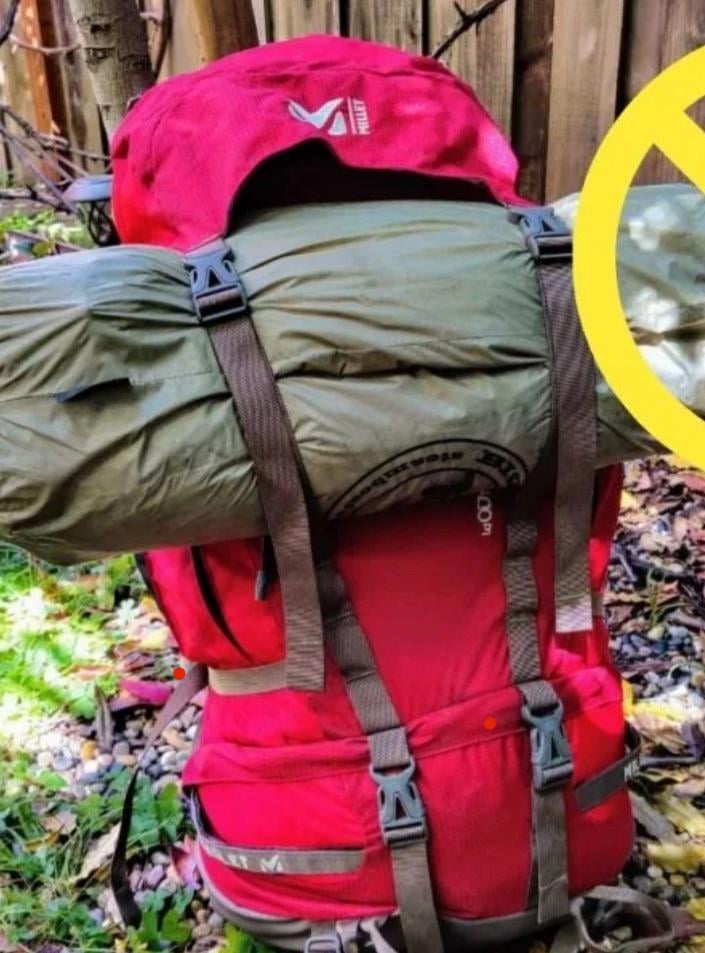
You’ve packed your rucksack, but now comes the tricky part—attaching your sleeping bag securely. If it’s not done right, your sleeping bag can slip off, get dirty, or take up too much space.
You want a simple, reliable way to carry it so you can focus on your adventure without worry. In this guide, you’ll discover easy steps and clever tips to fasten your sleeping bag to your rucksack like a pro. Keep reading to learn how to make your pack comfortable, balanced, and ready for any trip.
Choosing The Right Sleeping Bag
Choosing the right sleeping bag is important for a comfortable night outdoors. It affects how well you sleep and how easy it is to carry.
Think about the weather, your body size, and how much space you have in your rucksack before buying.
Types Of Sleeping Bags
Sleeping bags come in many styles to fit different needs. Pick one that suits your trip and climate.
There are mummy, rectangular, and hybrid sleeping bags with unique shapes and uses.
- Mummy bags:Tight fit, keep heat well, good for cold weather.
- Rectangular bags:More room to move, best for warm weather or car camping.
- Hybrid bags:Mix of mummy and rectangular, balance warmth and space.
Size And Weight Considerations
Choose a sleeping bag that fits your body size but is not too heavy. Weight matters when you carry it on your back.
Smaller bags are lighter but may feel tight. Larger bags give space but add weight and bulk.
- Check length to fit your height plus extra room.
- Look for bags with compressible features for easy packing.
- Lighter bags are best for long hikes.
Material And Durability
Sleeping bags use different materials for insulation and outer fabric. These affect warmth and lifespan.
Choose durable fabrics if you camp often. Insulation types include down or synthetic fills.
- Down insulation:Lightweight and warm but loses heat when wet.
- Synthetic insulation:Heavier but dries quickly and works well in damp conditions.
- Outer fabric:Look for water-resistant and tear-proof materials.

Credit: www.reddit.com
Selecting A Suitable Rucksack
Choosing the right rucksack is important for attaching a sleeping bag. It ensures comfort and balance during your adventures.
Consider rucksack features that support external attachments. They make packing easier and more efficient.
Rucksack Features For External Attachments
Look for rucksacks with features that allow you to secure extra gear. These features make it simple to attach a sleeping bag externally.
- Compression straps for securing gear tightly
- Loops or daisy chains for additional attachment points
- Side pockets for extra storage options
Load Capacity And Balance
The load capacity of your rucksack affects how much you can carry. It also impacts your balance while hiking.
| Rucksack Size | Load Capacity |
| Small | Up to 30 liters |
| Medium | 30-50 liters |
| Large | Over 50 liters |
Attachment Points And Straps
Attachment points and straps are vital for securing your sleeping bag. They help distribute weight evenly across the rucksack.
Preparing The Sleeping Bag
Attaching a sleeping bag to your rucksack starts with proper preparation. A well-prepared sleeping bag saves space and keeps your gear organized.
Focus on compressing the sleeping bag and protecting it from weather. This makes carrying easier and keeps your bag dry.
Compressing And Rolling Techniques
Rolling the sleeping bag tightly reduces its size. Lay it flat, fold it evenly, and roll from the foot end to the top.
Compressing by hand can also help. Press out air while rolling to make the bag smaller.
- Lay the sleeping bag flat on a clean surface
- Fold it lengthwise if it is wide
- Roll tightly from the foot to the head
- Press air out as you roll
Using Compression Sacks
Compression sacks reduce the sleeping bag size further. Place the rolled bag inside the sack and tighten the straps.
Tightening straps squeezes the bag and removes air, making it easy to attach to your rucksack.
- Put the rolled sleeping bag inside the sack
- Close the sack securely
- Tighten the compression straps evenly
- Check that the bag is firm and compact
Protecting From Moisture
Keep your sleeping bag dry by using a waterproof cover or bag. Moisture can damage insulation and reduce warmth.
Wrap the sleeping bag in a dry sack or plastic liner before placing it on your rucksack.
- Use a waterproof stuff sack or dry bag
- Seal the bag tightly to block water
- Check for holes or leaks before packing
- Keep the sleeping bag off wet ground

Credit: www.reddit.com
Methods To Attach Sleeping Bag
Attaching a sleeping bag to a rucksack keeps your gear compact and easy to carry. There are simple ways to secure it outside your pack.
Choosing the right method depends on your rucksack design and the gear you carry. Let’s explore common ways to attach a sleeping bag.
Using Straps And Buckles
Many rucksacks have straps and buckles for attaching extra gear. You can use these to fasten your sleeping bag outside the pack.
Roll your sleeping bag tightly, then place it under the straps. Tighten the buckles to keep the bag secure while you walk.
- Use compression straps to keep the bag tight
- Make sure the bag does not block access to pockets
- Check the buckles before each hike to avoid loosening
Attaching With Carabiners
Carabiners are metal clips that help attach gear quickly. Use them to clip your sleeping bag to loops or straps on your rucksack.
This method is fast and works well if your sleeping bag has loops or straps. It keeps the bag secure but easy to remove when needed.
- Clip carabiners through sleeping bag straps and rucksack loops
- Use strong, locking carabiners for safety
- Check clips often to prevent accidental drops
Utilizing External Pockets
Some rucksacks have large external pockets designed for bulky gear like sleeping bags. Use these pockets to carry your bag safely.
Place the sleeping bag inside the pocket and secure it with any zippers or straps. This keeps the bag protected and balanced on your pack.
- Check the pocket size before packing your sleeping bag
- Use pockets with secure closures for better protection
- This method reduces gear swinging during walks
Securing The Load
Attaching your sleeping bag to your rucksack properly helps keep your gear balanced. A secure load makes hiking easier and safer.
Using the right techniques to fasten the sleeping bag reduces movement and prevents damage. It also improves your comfort on the trail.
Adjusting Straps For Stability
Start by tightening the straps that hold the sleeping bag to your rucksack. Loose straps can cause the bag to shift while you walk.
Make small adjustments until the sleeping bag feels firm and steady. Check all straps regularly during your hike.
- Use the compression straps on your rucksack
- Tighten straps evenly on both sides
- Secure any extra straps to avoid flapping
Checking Weight Distribution
Place the sleeping bag low and close to your back. This helps keep your center of gravity balanced.
Avoid putting too much weight on one side. Uneven weight can cause strain and reduce stability.
- Attach the sleeping bag at the bottom of the rucksack
- Keep heavier items near your back and center
- Adjust the load if you feel off balance
Avoiding Movement During Hiking
Secure loose ends of the sleeping bag with extra straps or cords. This prevents the bag from bouncing or swaying.
Check that the sleeping bag does not block your view or steps. A steady load helps you hike safely on rough trails.
- Use additional straps to hold the bag tight
- Cover the sleeping bag with a rain cover to prevent slipping
- Recheck your load every hour or so on long hikes

Credit: www.reddit.com
Tips For Efficient Packing
Attaching your sleeping bag to your rucksack needs planning. Organizing gear well makes your hike easier.
Good packing helps balance weight and keeps items easy to reach. This guide shares key tips.
Packing Order Inside The Rucksack
Place heavy items close to your back and in the middle. This keeps your center of gravity steady.
- Put your sleeping bag at the bottom or outside, depending on space.
- Keep clothes and lighter gear above heavier items.
- Use compression sacks for bulky items to save space.
- Fill gaps with small items to avoid shifting.
Balancing Weight For Comfort
Balance weight evenly between both sides of your rucksack. Uneven loads cause pain and fatigue.
| Weight Location | Purpose |
| Close to the back | Stability and posture |
| Middle of the pack | Center of gravity |
| Bottom of the pack | Heavy but less used items |
| Outer straps | Light and bulky items like sleeping bags |
Quick Access Considerations
Keep items you need often easy to reach. Avoid unpacking everything to get essentials.
- Attach your sleeping bag outside with secure straps for quick use.
- Place snacks and maps in top pockets.
- Keep rain gear in side pockets for fast access.
- Use pouches for small items like headlamps and first aid kits.
Common Mistakes To Avoid
Attaching a sleeping bag to a rucksack is easy if done right. Many people make simple mistakes that cause problems on the trail. Avoiding these mistakes keeps your gear safe and comfortable.
Learn about common errors to stop your sleeping bag from falling or getting wet. Fixing these helps your trip go smoothly.
Overloading The Rucksack
Putting too much weight on your rucksack makes it hard to carry. Overloading can damage the straps and frame. It also makes you tired faster.
When you add a sleeping bag, do not add heavy items on top. Spread out the weight to balance the load.
- Keep heavy items close to your back
- Do not put too many things on the outside
- Check weight limits of your rucksack
- Use compression straps to tighten the load
Improper Strap Tightening
Loose straps let your sleeping bag swing or fall off. Tight straps stop movement and keep your bag secure. Both are important for safe carrying.
Check all straps before starting your hike. Make sure the sleeping bag is snug but not crushed.
- Use all the straps designed for the sleeping bag
- Tighten straps evenly on both sides
- Adjust straps during the hike if needed
- Do not overtighten and damage the bag
Ignoring Weather Protection
Leaving your sleeping bag uncovered exposes it to rain and dirt. Wet sleeping bags take longer to dry and lose warmth. Protect your bag from weather damage.
Use waterproof covers or dry bags to keep the sleeping bag safe. Always check the weather forecast before you pack.
- Use a rain cover for your rucksack
- Wrap the sleeping bag in a waterproof sack
- Keep the bag off the ground when resting
- Check for holes or weak spots in covers
Frequently Asked Questions
How Do I Securely Attach A Sleeping Bag To A Rucksack?
Use compression straps or dedicated loops on your rucksack to fasten the sleeping bag. Ensure it’s tight to avoid movement. Position it at the bottom or outside, depending on your pack design. This method keeps your bag balanced and easy to carry.
What Is The Best Position To Attach A Sleeping Bag?
Attach your sleeping bag at the bottom of your rucksack. This position keeps the center of gravity low and stabilizes your load. Some rucksacks have external straps or compartments designed specifically for this purpose, making it easier to carry bulky sleeping bags.
Can I Attach A Sleeping Bag Without Compression Straps?
Yes, you can use carabiners or bungee cords to attach your sleeping bag. Wrap the cords around the bag and secure them to the rucksack’s loops or frame. Ensure the bag is snug to prevent swaying and maintain balance during your hike.
Should The Sleeping Bag Be Inside Or Outside The Rucksack?
It depends on space and weather conditions. Inside protects from rain and dirt but may reduce internal space. Outside attachment saves space but exposes the bag to elements. Use waterproof covers if attaching outside to keep your sleeping bag dry.
Conclusion
Attaching your sleeping bag to your rucksack saves space inside. It keeps your gear organized and easy to reach. Use straps or cords to secure it tightly. Make sure it does not swing or get loose while walking. This method helps balance your load for better comfort.
Try it on your next trip for a lighter pack. Small steps like these improve your outdoor experience. Simple, smart packing makes hiking more enjoyable and less tiring.