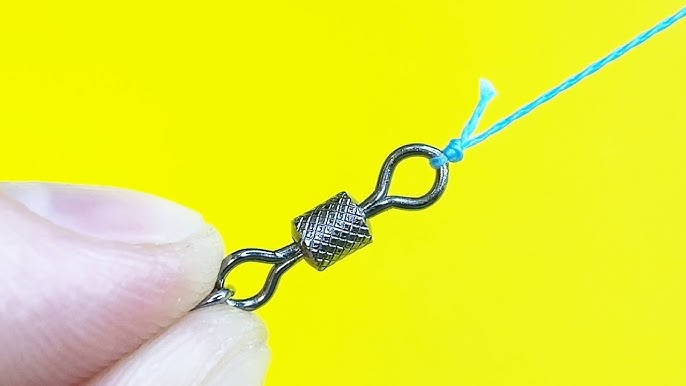
If you’ve ever struggled with tangled fishing lines or lost a big catch because your gear didn’t hold up, attaching a swivel correctly can change everything. You might think it’s a small step, but how you connect your swivel to your fishing line can make your fishing experience smoother and more successful.
You’ll learn simple, step-by-step tips that even beginners can follow. By the end, you’ll know exactly how to attach a swivel so your line stays strong and your bait moves naturally in the water. Ready to improve your fishing skills and catch more?
Let’s dive in!

Credit: www.youtube.com
Choosing The Right Swivel
Attaching a swivel to a fishing line helps prevent line twists. Picking the right swivel is important for a successful fishing trip.
Different swivels work better for certain fish and fishing conditions. This guide helps you select the best one.
Types Of Swivels
There are several common types of swivels used in fishing. Each type has a special design and use.
- Barrel swivels: Simple and strong, good for most fishing lines.
- Ball bearing swivels: Rotate smoothly, best for heavy lines and large fish.
- Three-way swivels: Allow multiple lines or lures to be attached.
- Snap swivels: Combine a swivel with a quick-clip for easy lure changes.
Material Considerations
Swivels come in different materials. The material affects strength and resistance to water damage.
- Brass swivels: Affordable but may corrode in saltwater.
- Stainless steel swivels: Strong and rust-resistant, good for all waters.
- Nickel-plated swivels: Offer extra protection against corrosion.
- Plastic swivels: Lightweight but less durable, best for light fishing.
Size And Strength Factors
Choose swivel size based on the type and size of fish you want to catch. Strength must match your fishing line.
Too small a swivel can break. Too large a swivel may scare fish or add extra weight.
| Swivel Size | Line Strength (Pounds) | Best Use |
|---|---|---|
| Small | 2-10 | Light freshwater fishing |
| Medium | 10-30 | General freshwater and light saltwater |
| Large | 30-80 | Heavy saltwater and big fish |

Credit: www.youtube.com
Preparing The Fishing Line
Before attaching a swivel to your fishing line, it is important to prepare the line correctly. Proper preparation helps prevent tangling and improves your fishing experience.
This guide covers how to select the right line type and how to cut and inspect your fishing line before adding a swivel.
Selecting The Line Type
Choosing the right fishing line depends on the fish you want to catch and the fishing conditions. Different lines have different strengths and stretch levels.
Monofilament, fluorocarbon, and braided lines are the most common types. Each type works better for certain situations.
- Monofilament is flexible and easy to handle
- Fluorocarbon is less visible underwater and sinks faster
- Braided line is very strong and has little stretch
Cutting And Inspecting The Line
Cut a clean piece of fishing line using sharp scissors or a line cutter. Avoid using dull tools that can fray the line.
Look closely at the line for any damage like nicks or weak spots. Damaged lines can break easily when fishing.
- Cut the line to the length you need
- Check the line for cracks or thin areas
- Replace the line if you find any damage
Knot Techniques For Attaching Swivels
Attaching a swivel to your fishing line helps reduce twists and tangles. Using the right knot makes the connection strong and reliable.
Here are three simple knots to attach swivels securely to your fishing line.
Improved Clinch Knot
The Improved Clinch Knot is a popular choice for attaching swivels. It is easy to tie and holds well on monofilament line.
To tie this knot, pass the line through the swivel eye, then wrap the tag end around the main line five to seven times. Pass the tag end through the small loop near the swivel eye and then back through the big loop. Tighten the knot by pulling the tag end and main line.
- Pass line through swivel eye
- Wrap tag end 5-7 times around main line
- Thread tag end through small loop
- Then pass tag end through big loop
- Pull tight and trim excess
Palomar Knot
The Palomar Knot is very strong and works well with braided or monofilament lines. It keeps the swivel from slipping.
Double about six inches of line and pass it through the swivel eye. Tie a loose overhand knot with the doubled line. Pass the swivel through the loop. Pull both ends of the line to tighten the knot securely.
- Double 6 inches of line
- Pass loop through swivel eye
- Tie loose overhand knot
- Pass swivel through loop
- Pull ends tight and trim
Uni Knot
The Uni Knot is versatile and easy to adjust before tightening. It works well on different line types and swivel sizes.
Pass the line through the swivel eye and double back alongside the main line. Make a loop and wrap the tag end around both lines five to seven times. Pull the tag end to tighten the coils, then slide the knot down to the swivel eye. Pull the main line to secure.
- Pass line through swivel eye
- Double back alongside main line
- Make a loop and wrap tag end 5-7 times
- Tighten coils by pulling tag end
- Slide knot to swivel and pull main line
Step-by-step Attachment Process
Attaching a swivel to your fishing line helps prevent line twist. It also makes changing lures faster and easier. Follow these simple steps to attach a swivel securely.
Use care during each step to ensure your swivel stays in place. Proper attachment improves your fishing experience.
Threading The Line Through The Swivel
First, take the end of your fishing line. Pass it through the eye of the swivel. Pull enough line through to tie a strong knot.
Make sure the line moves freely through the swivel eye. This helps the swivel work properly and reduces line twists.
Tying And Securing The Knot
Use a strong knot like the improved clinch knot or Palomar knot. Wrap the line around itself and the swivel eye. Pull the knot tight to secure it.
- Pass the line through the swivel eye twice
- Wrap the tag end around the main line 5-7 times
- Thread the tag end through the loop near the swivel
- Wet the knot before pulling tight
- Pull both ends firmly to secure the knot
Trim the excess line close to the knot. Leave a small tag to avoid slippage.
Testing Knot Strength
After tying, test the knot strength by pulling the line hard. The knot should not slip or come undone. Repeat the knot if it fails.
Check the swivel attachment before fishing. A strong knot keeps your gear secure and reduces lost catches.
Common Mistakes To Avoid
Attaching a swivel to a fishing line seems simple. Still, many anglers make errors that weaken their gear.
Avoiding common mistakes can help you keep your line strong and improve your fishing experience.
Overtightening The Knot
Pulling the knot too tight can damage the fishing line. This weakens the connection and can cause breakage.
Use steady pressure when tightening. Stop once the knot is firm but not crushed.
- Overtight knots cut line fibers
- Damaged fibers reduce line strength
- Keep tension even and gentle
Using The Wrong Knot
Not all knots work well for attaching swivels. Some knots slip or weaken the line under pressure.
Choose knots designed for swivels, like the improved clinch knot or Palomar knot.
- Wrong knots may slip off the swivel
- Some knots reduce line strength by 40%
- Use tested knots for secure attachment
Ignoring Line Condition
Old or damaged fishing line weakens the knot. This can cause the swivel to come loose or the line to break.
Check the line for frays, cuts, or stiffness before tying the swivel.
- Replace line if it shows wear
- Damaged line lowers knot strength
- Good line condition ensures better fishing
Maintenance And Care Tips
Attaching a swivel to your fishing line helps reduce line twist and improves casting. Keeping the swivel in good shape is important for a smooth fishing experience. Regular maintenance keeps your gear working well and lasts longer.
Simple care steps can prevent problems and save you time on the water. Check your knots and swivel often to avoid losing fish or gear.
Regular Knot Inspection
Check the knots that attach the swivel to your fishing line every time before you fish. Knots can loosen or weaken from use, water, or tension. A weak knot may break and cause you to lose your catch.
Look for signs like frayed line, slipping knots, or stiffness. Retie knots if you see any damage or if the knot feels loose. Use strong knots like the improved clinch knot or Palomar knot for best results.
Swivel Lubrication
Swivels have moving parts that can get rusty or stuck. Applying a little lubricant helps them spin smoothly. Use a light oil made for fishing gear to keep the swivel working well.
Apply the lubricant sparingly and wipe off the excess. Avoid heavy oils that attract dirt or clog the swivel. Lubricate swivels after fishing in saltwater to prevent corrosion.
- Use light fishing reel oil
- Apply a small drop on the swivel joint
- Spin the swivel to spread the oil
- Wipe off extra oil to avoid dirt build-up
Replacing Worn Swivels
Swivels wear out over time. They may lose their smooth spin or show rust and cracks. Using a damaged swivel can cause line twists and breakage.
Check your swivels regularly and replace them if they look worn or do not spin freely. Having spare swivels in your tackle box helps you fix problems quickly on the water.
- Look for rust, cracks, or stiffness
- Test if the swivel spins easily
- Replace if damaged or sticky
- Keep several types and sizes handy

Credit: www.youtube.com
Frequently Asked Questions
How Do I Attach A Swivel To Fishing Line?
To attach a swivel, thread the line through the swivel eye. Tie a secure knot like the improved clinch knot. Pull tight and trim excess line. This prevents line twisting and improves bait movement.
Which Knot Is Best For Tying A Swivel?
The improved clinch knot is best for tying a swivel. It’s strong, easy to tie, and holds well under pressure. Properly tied, it secures the swivel firmly to the fishing line without slipping.
Can I Use Any Swivel Type For Fishing Lines?
Yes, but choose swivels based on fishing style and line strength. Barrel swivels suit most applications; ball bearing swivels offer better rotation for heavy-duty fishing. Match swivel size to line thickness for optimal performance.
Why Should I Use A Swivel In Fishing Line Setup?
Swivels prevent line twisting and tangling when bait or lure spins. They improve casting distance and lure action. Using a swivel extends the life of your fishing line by reducing stress and knots.
Conclusion
Attaching a swivel to your fishing line is simple and quick. It helps prevent line twists and keeps your setup strong. Use the right knot, like the improved clinch knot, to secure it well. Practice a few times to get comfortable.
This small step can make your fishing experience better. Keep your gear ready and enjoy more time catching fish. Remember, a good connection means fewer problems on the water. Try it today and see the difference yourself.