Are you struggling to get your bait to the right depth while fishing? Knowing how to attach weight to your fishing line can make all the difference between a slow day and a great catch.
The right weight helps your bait sink quickly and stay steady, giving you better control and more chances to reel in fish. In this guide, you’ll learn simple, effective ways to add weight to your line, so you can fish smarter and catch more.
Keep reading to master this essential skill and boost your fishing success.
Choosing The Right Weight
Attaching the right weight to your fishing line helps your bait sink properly. It improves casting distance and control.
Choosing the correct weight depends on several factors. These include the type of fishing and water conditions.
Types Of Fishing Weights
Fishing weights come in many shapes and sizes. Each type works best for different fishing styles and environments.
- Split shot: Small round weights that pinch onto the line.
- Egg sinkers: Oval-shaped weights that slide on the line.
- Bullet weights: Pointed weights used for casting and fishing in weeds.
- Bank sinkers: Heavier, flat weights that hold bottom position.
- Pyramid sinkers: Shaped like a pyramid, good for rocky bottoms.
Factors Influencing Weight Selection
The right weight depends on the fishing line strength and bait size. Strong lines and large baits need heavier weights.
Water current speed and depth also affect your choice. Strong currents require heavier weights to keep the bait in place.
- Line strength: Heavier line handles heavier weights.
- Bait size: Larger bait needs more weight to sink.
- Water current: Faster current needs heavier weights.
- Fishing depth: Deeper water may require heavier sinkers.
Matching Weight To Fishing Conditions
Choose light weights for calm water and shallow fishing. This keeps your bait natural and easy to move.
Use heavier weights in deep water or when fishing strong currents. They help your bait stay where fish are.
| Condition | Recommended Weight |
|---|---|
| Calm water, shallow depth | Light sinkers (1/16 to 1/4 oz) |
| Moderate current, medium depth | Medium sinkers (1/4 to 1/2 oz) |
| Strong current, deep water | Heavy sinkers (1/2 oz and above) |

Credit: www.reddit.com
Preparing Your Fishing Line
Attaching weight to your fishing line begins with proper preparation. The right setup helps your bait reach the right depth. It also improves your chances of a successful catch.
Before adding weights, check your line to make sure it is ready. This includes picking the right material, cutting it to size, and testing its strength.
Selecting The Line Material
Choose a line material that fits your fishing style. Common types are monofilament, fluorocarbon, and braided lines. Each type has unique strengths and uses.
- Monofilament: Easy to handle and stretches well.
- Fluorocarbon: Nearly invisible underwater and sinks faster.
- Braided: Very strong and thin but floats on water.
Cutting The Line To Length
Cut your fishing line to the proper length before attaching weights. The line should be long enough to reach your fishing spot and allow for casting. Use sharp scissors or line cutters for a clean cut.
| Type of Fishing | Recommended Line Length |
| Freshwater fishing | 50 to 100 feet |
| Saltwater shore fishing | 100 to 200 feet |
| Boat fishing | 30 to 50 feet |
Checking Line Strength
Check your line’s strength to avoid breaks when fishing. The strength is shown as “pound test” on the line packaging. Match the strength to the fish size you expect to catch.
Follow these tips to check line strength:
- Pull the line gently by hand to feel its tension.
- Look for any frays or weak spots.
- Replace the line if it shows damage or feels weak.
Attaching The Weight
Attaching weight to your fishing line is important. It helps your bait reach the right depth. There are different ways to attach weights.
Each method has its benefits. Choose the one that fits your fishing style.
Using Slip Sinkers
Slip sinkers are easy to use. They slide up and down the fishing line. This allows your bait to move naturally in the water.
First, thread the slip sinker onto your line. Then, attach a small bead. Finally, tie on your hook. The bead protects the knot from the sinker.
- Thread the slip sinker on the line
- Add a bead after the sinker
- Tie your hook to the line
Tying Fixed Weights
Fixed weights stay in one place on the line. They are good for still water fishing. This method keeps your bait at a constant depth.
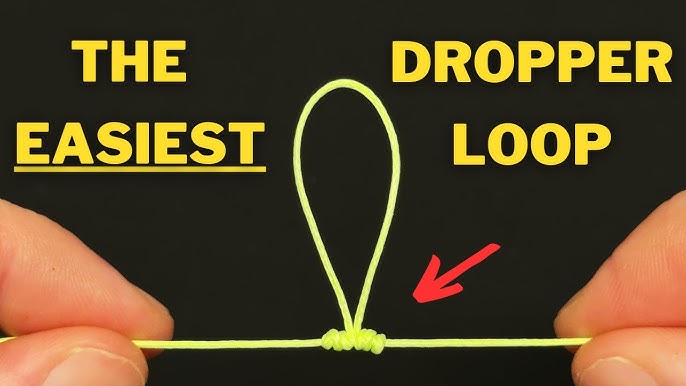
Use a loop knot to tie the weight onto your line. Place the weight a few inches above the hook. This keeps your bait off the bottom.
- Use a loop knot for the weight
- Position the weight above the hook
- Ensure the bait hangs just off the bottom
Inserting Split Shot Weights
Split shot weights are small and easy to attach. They are great for light tackle fishing. You can add or remove them as needed.
Pinch the split shot onto the line with pliers. Place them a few inches from the hook. Adjust the number of weights to change the depth.
- Pinch split shot with pliers
- Position them near the hook
- Add or remove to adjust depth

Credit: www.reddit.com
Securing The Knot
Attaching weight to your fishing line needs a strong knot. A secure knot keeps the weight in place while fishing.
Choosing the right knot and tying it correctly helps avoid losing your weight or fish.
Best Knots For Weight Attachment
Some knots hold better when attaching weights. Use knots that do not slip or weaken the line.
- Improved Clinch Knot – simple and strong for most lines
- Palomar Knot – easy to tie and very reliable
- Uni Knot – good for different line types and weights
- Loop Knot – allows some movement but keeps the weight secure
Tips For Tightening Knots
To keep knots tight, wet the line before pulling it. This reduces friction and prevents damage.
Pull the knot slowly and evenly. Avoid sudden tugs that can weaken the line or knot.
- Wet the line with water or saliva before tightening
- Pull the knot slowly and steadily
- Check that the coils are neat and close together
- Trim extra tag ends close to the knot
Testing Knot Strength
After tying, test the knot by pulling firmly. The knot should hold without slipping or breaking.
If the knot slips or the line breaks, retie it or try a different knot. Always test before fishing.
- Pull the line hard to check knot security
- Look for any slipping or loosening
- Retie if the knot feels weak
- Test knots with new line before use
Adjusting For Perfect Casting
Adding weight to your fishing line helps control the cast distance and bait presentation. Adjusting the weight correctly improves your chances of catching fish.
Balance between the weight and bait affects how the line moves in water. Using the right casting techniques also makes your fishing more effective.
Balancing Weight And Bait
Weight should match the size and type of your bait. Too much weight pulls the bait down too fast. Too little weight causes weak casts and poor bait control.
- Use lighter weights for small or floating baits
- Heavier weights work better with larger or sinking baits
- Test different weight sizes for your fishing spot
- Adjust weight to control bait depth and movement
Casting Techniques With Weights
Proper casting helps place the bait where fish are likely to bite. Weight affects how far and accurately you can cast your line.
| Technique | Weight Effect | Tip |
| Overhead Cast | Good for medium to heavy weights | Keep a smooth, steady motion |
| Sidearm Cast | Works well with light to medium weights | Use a quick wrist snap |
| Roll Cast | Best for light weights in tight spots | Keep the line tight |
Troubleshooting Common Issues
Problems with casting often come from wrong weight or poor technique. Fixing these helps improve your fishing experience.
- Line tangles: Use the right weight and keep line tension
- Short casts: Increase weight or improve casting motion
- Bait sinking too fast: Choose lighter weights or floating baits
- Weight slipping: Secure knots and check the rig setup

Credit: www.walmart.com
Frequently Asked Questions
How Do I Attach A Weight To Fishing Line?
To attach a weight, thread the line through the weight’s hole or clip it on. Then, tie a secure knot below it to keep the weight in place. This helps the bait sink properly and improves casting distance.
What Types Of Weights Work Best For Fishing Lines?
Split shot, egg sinkers, and bullet weights are popular. Choose based on fishing conditions and target species. Each weight type offers different sinking speeds and casting control, helping you fish effectively in varied environments.
Can I Use Knots To Secure Weights On Line?
Yes, knots like the clinch knot or improved clinch knot work well. They keep the weight firmly attached without slipping. Proper knot tying ensures the weight stays in place during casting and retrieval.
Why Is Weight Placement Important On Fishing Line?
Proper weight placement controls bait depth and casting accuracy. Placing weights too close or far from the hook affects lure action and bite detection. Adjust weights to suit fishing style and water conditions.
Conclusion
Attaching weight to your fishing line helps cast farther and stay steady. Choose the right weight for your fishing spot and fish type. Tie knots tightly to avoid losing your gear. Practice makes it easier and faster each time. With patience, you will improve your fishing skills.
Enjoy your time by the water and catch more fish. Simple steps lead to better fishing results every time. Keep trying and have fun with your fishing trips.