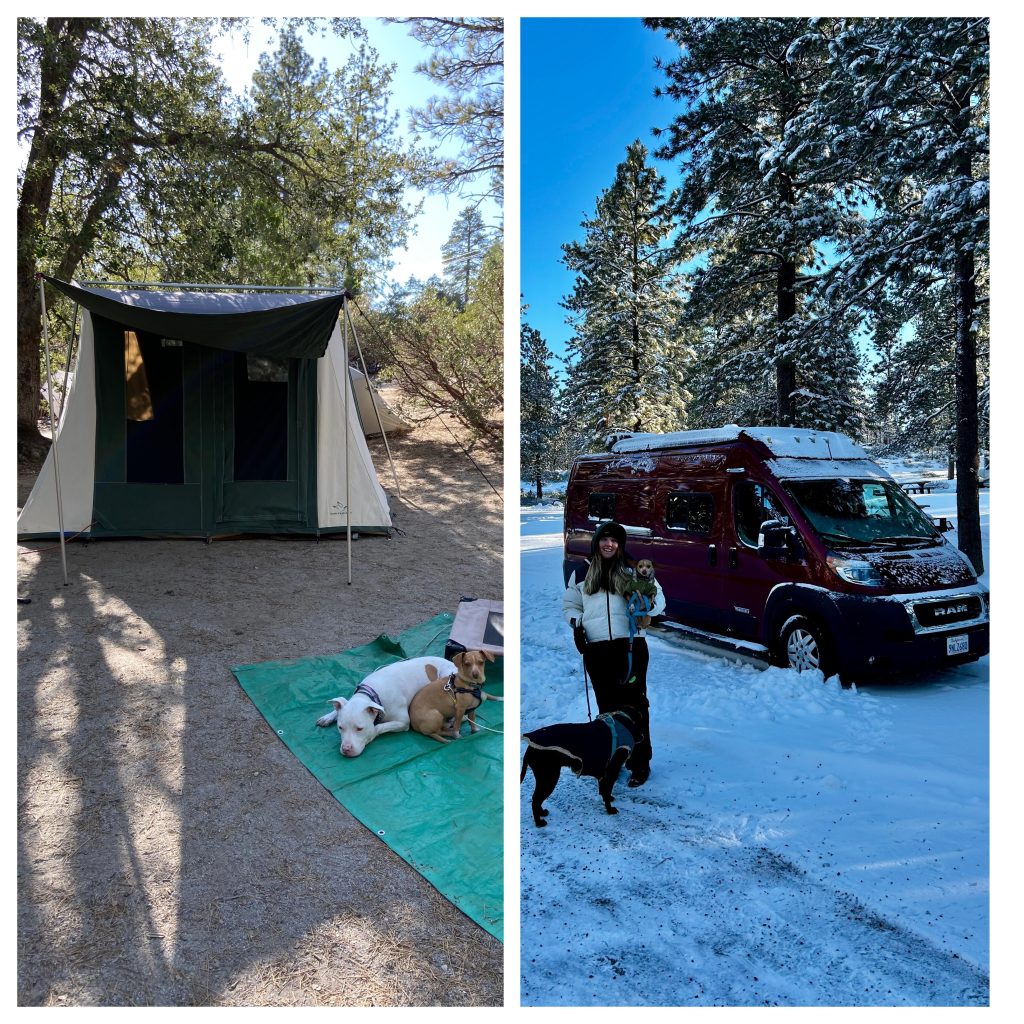
Picture yourself setting up your tent in a peaceful spot, ready to enjoy nature’s calm. But then, loud engines roar, and huge RVs roll right next to your quiet space.
Frustrating, isn’t it? If you want to keep your camping experience peaceful and avoid crowded spots filled with big vehicles, this guide is for you. You’ll learn simple, smart ways to find the best tent-only spots and keep those noisy RVs at bay.
Ready to make your next camping trip truly relaxing? Keep reading to discover how.
Credit: www.jackery.com
Choosing The Right Campsite
Finding the perfect campsite helps you avoid RVs while tent camping. A good spot gives you quiet and space.
Pick areas that fit your camping style. This makes your trip more relaxing and safe.
Research Popular Rv Spots
Look up campsites known for RV parking. These places often have large sites made for big vehicles.
Avoid these popular RV areas if you want peace and quiet. You can use maps or camping apps to check.
- Check campsite websites for RV site locations
- Read reviews to learn about traffic and noise
- Use satellite view to spot RV parking areas
Opt For Tent-only Areas
Many campgrounds have sections just for tents. These spots keep RVs away and offer quiet surroundings.
Choose these tent-only zones to enjoy nature without big vehicles nearby. Ask the park staff for help.
- Tent-only areas reduce noise and light pollution
- Sites are usually smaller and closer to nature
- These areas often have fire pits and picnic tables
Scout For Quiet Corners
Look for less crowded spots away from main roads and RV clusters. Quiet corners give you peace.
Arrive early to find these hidden gems. Pay attention to natural barriers like trees or hills that block noise.
- Check campground maps for remote tent sites
- Choose sites near woods or away from parking lots
- Use natural features to shield from RV noise

Credit: www.reddit.com
Packing Light And Compact
Packing light helps you move easily around your campsite. It also keeps your gear organized and ready.
Carrying compact gear means less space is taken in your backpack. This helps you avoid clutter while tent camping.
Essential Gear Only
Bring only the gear you really need. Extra items add weight and take space.
- Choose a lightweight tent with easy setup.
- Bring a sleeping bag suited for the weather.
- Carry a small cooking stove and fuel.
- Pack just enough food and water.
- Include a first aid kit with basics only.
Multi-use Items
Pick items that serve more than one purpose. This reduces what you carry.
- A bandana can be a towel, sun protection, or a pot holder.
- A knife with tools can cut food and fix gear.
- Wear clothing that works for day and night.
- Use a pot that also acts as a bowl.
- A headlamp with red light saves batteries and night vision.
Space-saving Storage Solutions
Store gear efficiently to save room. Use containers and packing tricks.
| Storage Method | Benefits |
| Compression sacks | Reduce volume of sleeping bags and clothes |
| Stuff sacks | Keep items organized and easy to find |
| Roll packing | Maximizes space and reduces wrinkles |
| Stackable containers | Allow neat packing inside tents or cars |
| Reusable zip bags | Protect gear from moisture and dirt |
Tent Setup Strategies
Camping near RVs can be noisy and crowded. Setting up your tent wisely helps avoid these issues. Good tent setup keeps your campsite peaceful and private.
Smart placement and design reduce problems with RV traffic and noise. Use these strategies to keep your tent area calm and safe.
Low-profile Tent Designs
Choose tents with low profiles to stay less visible to RV drivers. Low tents blend better with the landscape and reduce wind impact.
These tents often use less space and keep a low center of gravity. This makes them stable and less likely to catch attention.
- Look for tents under 4 feet tall
- Use dome or tunnel shapes
- Pick colors that match natural surroundings
Efficient Tent Layout
Plan your tent layout to keep distance from RV paths. Place your tent away from roads and busy areas in the campground.
Arrange your gear inside the tent to save space. Clear paths around your tent help avoid accidental bumps from RVs or other campers.
- Set tent at least 10 feet from RV parking
- Keep entrances facing away from roads
- Use ropes and stakes to secure the tent tightly
Using Natural Cover
Use trees, bushes, or hills to shield your tent from view. Natural cover blocks noise and wind from nearby RVs.
Choose spots with natural barriers to create a quiet space. Avoid open areas where RVs can see and hear your tent easily.
- Pick shaded areas with trees or shrubs
- Set up near small hills or rocks
- Avoid clearings or wide open spaces
Managing Campsite Space
Keeping your campsite well-organized helps avoid conflicts with RVs nearby. Managing space carefully gives everyone more room to enjoy.
Using your campsite efficiently lowers the chance of crowding and keeps your tent area safe and comfortable.
Organizing Your Gear
Keep your gear tidy and packed close to your tent. This frees up space and stops your equipment from spreading out too much.
- Store bags and supplies in one corner
- Use shelves or containers to stack items
- Keep pathways clear for easy movement
- Set up cooking and eating areas separately
Minimizing Footprint
Reduce your campsite’s impact by using only the space you need. This helps keep areas open for other campers and RVs.
| Action | Benefit |
| Pitch tent on flat ground | Prevents extra space use |
| Limit campfire size | Protects surrounding area |
| Use compact gear | Saves space and weight |
| Pack out all trash | Keeps site clean |
Shared Communal Areas
Respect shared spaces by keeping noise and clutter low. This keeps the campsite friendly for tents and RVs alike.
Follow these tips in communal areas:
- Use picnic tables only for eating and resting
- Keep gear away from walkways
- Lower voices and avoid loud music
- Clean up after using common fire pits
Timing Your Arrival And Departure
Planning when to arrive and leave your campsite helps avoid busy RV traffic. It makes your tent camping more peaceful and safe.
Choosing the right time reduces noise and crowding near your tent. It also helps you find a good spot easily.
Avoiding Peak Rv Hours
RV traffic is busiest in the late morning and late afternoon. Try to avoid these times to keep your campsite calm.
- Arrive early before most RVs show up.
- Leave late after most RVs have left.
- Check local campground peak times online.
- Plan your travel on weekdays if possible.
Early Setup Benefits
Setting up your tent early lets you choose a quiet spot. It also gives you time to relax before the campground fills up.
| Benefit | Details |
| Better Spot | More options for tent placement |
| Less Stress | Time to organize gear calmly |
| Peaceful | Quiet surroundings before crowds arrive |
Flexible Camping Schedules
Changing your arrival or departure times can help you avoid RV traffic. Flexibility gives you a smoother camping experience.
Try these tips for flexible scheduling:
- Check weather and traffic updates before you leave.
- Shift your trip by a few hours if RV traffic is high.
- Consider staying extra nights to avoid busy check-in days.
Engaging With Campground Staff
Talking to campground staff helps you find the best tent camping spots. They know the layout well and can guide you away from RV areas.
Staff can share tips to make your camping stay quiet and enjoyable. Good communication helps avoid crowded or noisy spots.
Asking For Tent-only Recommendations
Campground staff often know which sites are for tents only. Ask them to suggest spots far from RVs and trailers.
These tent-only areas tend to be quieter and better for a natural camping experience.
- Request sites marked for tents only
- Avoid spots near RV hookups
- Choose shaded, natural sites if possible
Learning About Quiet Zones
Many campgrounds have quiet zones where noise is kept low. Staff can tell you where these zones are located.
Camping in quiet zones helps you avoid loud RV engines and generators.
- Ask if quiet zones exist at the campground
- Pick a site inside these zones
- Follow quiet hours rules for best experience
Getting Insider Tips
Campground staff know hidden spots and best times to camp. They can share advice to avoid busy RV areas.
Ask about less popular trails, parking, or check-in times for tent campers.
- Check for less crowded tent sites
- Learn the best time to arrive
- Ask about nearby quiet trails and activities
Alternative Camping Locations
Avoiding crowded RV spots can make your tent camping more peaceful. Choosing the right location helps you enjoy nature quietly.
There are many alternatives to busy campgrounds. These spots give you space and a better outdoor experience.
Backcountry Camping Options
Backcountry camping lets you camp far from roads and RVs. It offers quiet and solitude in nature.
- Check local rules before you go
- Pack light and carry all gear
- Use established fire rings if allowed
- Leave no trace behind
State And National Parks
State and national parks often have tent-only camp sites. These spots keep you away from RV areas.
| Park Type | Tent Camping Features |
| State Parks | Designated tent sites, quiet zones |
| National Parks | Backcountry permits, remote sites |
| National Forests | Dispersed camping, no RV access |
Private Land Permits
Camping on private land can avoid busy public areas. Many landowners rent spots for quiet tent camping.
Benefits of Private Land Camping:
- Privacy and quiet
- Unique locations away from RVs
- Often closer to nature trails
- Support local landowners

Credit: www.reddit.com
Frequently Asked Questions
How Can I Find Rv-free Tent Camping Spots?
Look for tent-only campgrounds or sections designated for tents. Use camping apps and websites to filter sites without RVs. Call park offices to confirm tent-only areas. Early arrival improves your chances of securing a quiet, RV-free spot.
What Are The Best Times To Camp Away From Rvs?
Camping on weekdays or during off-peak seasons reduces RV presence. Early spring and late fall often have fewer RV campers. Avoid holiday weekends when RV traffic peaks. Planning trips during these times enhances a peaceful tent camping experience.
How Do I Set Up My Tent To Avoid Rv Noise?
Choose a site far from main roads and RV parking areas. Use natural barriers like trees or bushes to block noise. Orient your tent entrance away from noisy spots. Bring earplugs or white noise machines for added comfort.
Can I Request Rv-free Zones When Booking Campsites?
Yes, many campgrounds allow special requests for tent-only zones. Specify your preference when reserving. Contact campground staff to confirm and ensure your site is RV-free. Clear communication helps secure a quieter camping environment.
Conclusion
Tent camping offers peace away from RVs. Choose quieter, secluded spots. Plan ahead to avoid crowded areas. Use online resources for campsite reviews. Arrive early to secure your preferred spot. Respect nature and fellow campers for a pleasant experience. Keep noise levels low and enjoy the natural sounds.
Practice setting up your tent efficiently. The right preparation enhances your camping adventure. Enjoy the tranquility and simplicity of tent camping. Embrace the beauty of the great outdoors.