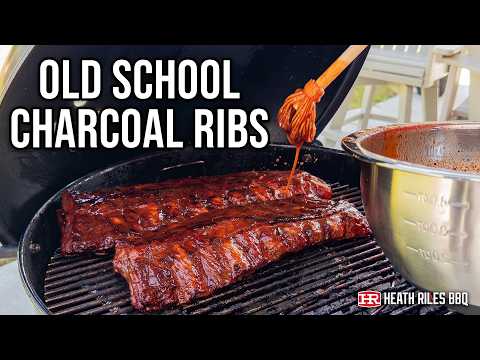
If you want to master the art of barbecuing spare ribs on a charcoal grill, you’re in the right place. Imagine biting into tender, smoky ribs with a perfect balance of flavors that make your mouth water.
It’s easier to achieve than you think, and this guide will walk you through every step. Whether you’re a beginner or just looking to improve your grilling skills, you’ll discover simple tips and tricks that will make your ribs the star of any cookout.
Ready to impress your friends and family with juicy, fall-off-the-bone ribs? Let’s get started.

Credit: cheflolaskitchen.com
Choosing Spare Ribs
Picking the right spare ribs is key for a tasty barbecue. Good ribs cook evenly and taste great on a charcoal grill.
Learn about types of spare ribs and how to select quality meat for your grill.
Types Of Spare Ribs
Spare ribs come from the lower part of the pig’s rib cage. They are larger and meatier than baby back ribs.
There are a few common types to know before you buy.
- St. Louis Style:Trimmed spare ribs with a rectangular shape. Easy to cook and eat.
- Country Style:Cut from the shoulder end. More meat and less bone.
- Baby Back Ribs:From the upper rib cage near the spine. Smaller and leaner.
Selecting Quality Meat
Look for ribs with fresh color and firm texture. Avoid ribs that look dry or slimy.
Good ribs have a nice layer of fat. The fat adds flavor and keeps meat moist during cooking.
- Choose ribs with even thickness for even cooking.
- Check for minimal bone damage or broken bones.
- Look for a pinkish-red color with white fat.
- Avoid ribs with dark spots or bad smell.

Credit: www.heathrilesbbq.com
Preparing The Ribs
Preparing spare ribs properly makes a big difference in taste and texture. Start by cleaning and trimming the ribs before grilling. This helps the smoke and heat cook the ribs evenly.
Two important steps are removing the membrane and trimming excess fat. These steps let the flavors soak in and prevent greasy bites.
Removing The Membrane
The membrane is a thin layer on the back of the ribs. Removing it helps the ribs become tender and allows smoke to flavor the meat better.
- Use a knife to lift the membrane at one end of the ribs.
- Grab the membrane with a paper towel for a better grip.
- Pull the membrane off slowly and carefully.
- If it tears, lift and pull again until fully removed.
Trimming Excess Fat
Fat adds flavor but too much can cause flare-ups on the grill. Trim thick fat pockets to avoid greasy ribs and fire issues.
| Fat Area | Why Trim | How to Trim |
|---|---|---|
| Thick fat layers on top | Prevent flare-ups and greasy bites | Use a sharp knife to cut away thick patches |
| Fat between bones | Leave thin fat for moisture and flavor | Trim only large chunks carefully |
| Edges of the ribs | Remove uneven fat for even cooking | Trim excess fat close to edges |
Creating The Perfect Rub
Making the perfect rub is key for tasty barbecue spare ribs. The rub adds flavor and enhances the meat.
A good rub balances spices, herbs, sweetness, and savory notes. Let’s explore how to create the perfect blend.
Essential Spices And Herbs
Spices and herbs are the heart of a barbecue rub. They add depth and complexity to the flavor of ribs.
- Paprika: Adds a smoky and sweet touch.
- Garlic Powder: Enhances the savory taste.
- Onion Powder: Complements garlic for a rich flavor.
- Black Pepper: Adds a mild heat.
- Cayenne Pepper: Provides a spicy kick.
Balancing Sweet And Savory
Balancing sweet and savory flavors is crucial for a delicious rub. The right mix makes the ribs tasty and satisfying.
Sweetness can come from brown sugar or honey powder. Savory flavors are enhanced by salt and spices.
- Brown Sugar: Adds sweetness and helps caramelize.
- Honey Powder: Provides sweetness without moisture.
- Salt: Enhances all flavors.
- Worcestershire Powder: Adds umami and depth.

Credit: www.thepioneerwoman.com
Setting Up The Charcoal Grill
Setting up your charcoal grill properly is key to cooking spare ribs well. You want steady heat that cooks ribs slowly and evenly.
This guide explains how to arrange charcoal for indirect heat and how to control the grill temperature.
Arranging Charcoal For Indirect Heat
Indirect heat means the charcoal is not directly under the ribs. This keeps the ribs from burning and cooks them slowly.
Push the hot coals to one side of the grill. Place a drip pan on the empty side to catch fat and juices. Put the ribs on the grill grate over the empty side.
- Light charcoal until covered with gray ash
- Move coals to one side of the grill
- Place a drip pan on the opposite side
- Put ribs over the drip pan, not above coals
Controlling Temperature
Keep the grill temperature between 225°F and 275°F. This low heat cooks ribs slowly and makes them tender.
Use the grill vents to control airflow and temperature. Open vents raise the heat. Close vents lower the heat.
- Adjust bottom vents to control air flow
- Open vents for higher heat
- Close vents slightly to lower heat
- Use a grill thermometer to check temperature
- Add charcoal if heat drops too low
Smoking And Cooking Techniques
Barbecuing spare ribs on a charcoal grill needs patience and skill. Smoking and cooking techniques help make ribs tender and full of flavor.
Using the right methods lets smoke soak into the meat. Controlling heat keeps ribs cooking evenly without burning.
Using Wood Chips For Flavor
Wood chips add a smoky taste to spare ribs. Different woods create different flavors. Soaking chips before use slows burning and gives steady smoke.
- Choose mild woods like apple or cherry for sweet smoke.
- Use stronger woods like hickory or mesquite for bold flavor.
- Soak wood chips in water for 30 minutes before grilling.
- Place soaked chips directly on hot charcoal or in a smoker box.
- Add more chips every 30 to 45 minutes for continuous smoke.
Maintaining Consistent Heat
Even heat is key to cooking ribs well. Too hot and ribs burn. Too cool and ribs take too long to cook. Control airflow and coal placement carefully.
| Heat Control Tip | How to Do It | Effect |
| Use Two-Zone Fire | Place coals on one side of grill only | Cook ribs indirect, avoid flare-ups |
| Adjust Air Vents | Open vents to increase heat, close to reduce | Regulate temperature inside grill |
| Add Charcoal Gradually | Add small amounts every hour | Keep steady heat without spikes |
| Use a Grill Thermometer | Monitor grill temperature constantly | Maintain ideal cooking range (225°F to 250°F) |
Applying Sauces And Glazes
Applying sauces and glazes is a key step for flavorful spare ribs. It adds moisture and taste during grilling.
Knowing when to apply sauce and which sauce to use helps you get the best results on a charcoal grill.
When To Sauce The Ribs
Apply sauce carefully to avoid burning sugar in the sauce. Most people add sauce near the end of cooking.
- Cook ribs over low heat for tenderness.
- Start saucing when ribs are almost done, about 10-15 minutes before removing from grill.
- Brush sauce on both sides of the ribs.
- Repeat saucing 2 to 3 times, letting each layer set for a few minutes.
- Finish with a final glaze for a shiny coating.
Popular Barbecue Sauces
Different barbecue sauces bring unique flavors to spare ribs. Choose one that fits your taste.
| Type of Sauce | Flavor Profile | Main Ingredients |
|---|---|---|
| Sweet and Tangy | Sweet with a mild tang | Tomato, vinegar, brown sugar, molasses |
| Spicy | Hot and bold | Chili peppers, garlic, tomato, vinegar |
| Mustard-Based | Tangy and sharp | Mustard, vinegar, sugar, spices |
| Vinegar-Based | Sharp and light | Vinegar, red pepper flakes, sugar |
| Sweet and Smoky | Sweet with smoky notes | Molasses, smoked paprika, tomato, brown sugar |
Testing For Doneness
Checking if your spare ribs are done is key for great barbecue. You want ribs that are tender and juicy.
There are two main ways to test ribs: looking at them and using a thermometer. Both methods help ensure perfect results.
Visual And Texture Cues
Look for these signs to know if ribs are ready. They show the ribs are cooked through and tender.
- The meat pulls back from the ends of the bones by about a quarter inch.
- The surface has a nice dark color and a slight crust from the smoke.
- When you bend the ribs, they should crack slightly but not break apart.
- The meat feels soft and tender when you press it with tongs or a finger.
- Juices run clear, not red or pink, when you cut between the bones.
Using A Meat Thermometer
A meat thermometer gives the most accurate check for doneness. Insert it into the thickest part of the meat, away from bones.
| Temperature | What It Means |
| 190°F to 203°F (88°C to 95°C) | Ribs are tender and fully cooked |
| Below 190°F (88°C) | Meat is firm and may need more cooking |
| Above 203°F (95°C) | Meat may start to dry out |
Resting And Serving
After grilling spare ribs on a charcoal grill, resting the meat is important. It helps keep the juices inside. Serving the ribs the right way makes the meal more enjoyable.
This section explains how to rest the meat and offers ideas for serving your ribs.
Allowing The Meat To Rest
Let the ribs rest for 10 to 15 minutes after cooking. This step allows the juices to settle inside the meat. Wrap the ribs loosely in aluminum foil to keep them warm while resting.
- Remove ribs from the grill carefully.
- Place them on a clean cutting board or tray.
- Cover with foil without sealing tightly.
- Wait 10 to 15 minutes before cutting.
Serving Suggestions
Serve your spare ribs with sides and sauces that match the smoky flavor. You can offer different options so everyone finds something they like.
| Side Dish | Description |
|---|---|
| Coleslaw | Crisp, tangy cabbage salad that balances rich ribs. |
| Baked Beans | Sweet and smoky beans cooked slowly for depth. |
| Cornbread | Soft, slightly sweet bread that complements smoky meat. |
| Pickles | Sharp, acidic flavor that cuts through fat. |
| BBQ Sauce | Offer mild, spicy, and sweet varieties. |
Troubleshooting Common Issues
Grilling spare ribs on a charcoal grill can be tricky. Some common problems can affect your results.
Knowing how to fix these issues helps you get tender, tasty ribs every time.
Dry Or Tough Ribs
Dry or tough ribs usually mean they cooked too long or at too high heat. This removes moisture and makes the meat hard.
Using a low, steady temperature and wrapping ribs in foil can keep them moist and tender.
- Cook ribs slowly over indirect heat (225°F to 250°F).
- Use a water pan in the grill to add moisture.
- Wrap ribs in foil after 2-3 hours to keep juices in.
- Check ribs often to avoid overcooking.
Flare-ups And Temperature Spikes
Flare-ups happen when fat drips on hot coals. This causes sudden flames and heat spikes. It can burn your ribs.
Controlling flare-ups helps keep the grill temperature steady and prevents burnt spots on ribs.
- Trim excess fat from ribs before grilling.
- Move ribs away from flare-up areas quickly.
- Keep a spray bottle of water nearby to control flames.
- Adjust charcoal or vents to lower temperature spikes.
- Use indirect heat to avoid constant fat drips on coals.
Frequently Asked Questions
How Long To Cook Spare Ribs On Charcoal Grill?
Cook spare ribs for 3 to 4 hours on a charcoal grill. Use indirect heat and maintain 225-250°F. Turn ribs occasionally for even cooking and tenderness.
Should I Soak Spare Ribs Before Grilling?
Soaking spare ribs is optional. Some soak in water or marinade for 30 minutes to enhance moisture and flavor. However, seasoning and slow cooking are more critical for taste.
What Charcoal Is Best For Grilling Spare Ribs?
Use natural lump charcoal or briquettes for steady, long-lasting heat. Lump charcoal adds smoky flavor, while briquettes provide consistent temperature control during slow cooking.
How To Maintain Temperature On A Charcoal Grill?
Control airflow by adjusting vents to regulate oxygen. Add charcoal gradually to maintain 225-250°F. Use a grill thermometer to monitor and keep temperature steady for perfect ribs.
Conclusion
Barbecuing spare ribs on a charcoal grill takes patience and care. Keep the heat steady and use indirect cooking for best results. Don’t rush the process; slow cooking makes ribs tender and juicy. Use your favorite rub and sauce to add flavor.
Enjoy the smoky taste that charcoal grilling gives. Now, you can impress friends with your delicious ribs. Try these steps and enjoy great homemade barbecue anytime. Simple, tasty, and satisfying.