Are you ready to start a career that keeps the world cool—literally? Becoming a refrigeration technician opens doors to exciting job opportunities and steady income.
But how do you get started? What skills do you need, and where should you learn them? You’ll discover clear, simple steps to become a skilled refrigeration technician. Keep reading, and you’ll find out exactly how to turn your interest into a rewarding profession.
Your future in this essential trade begins here.

Credit: www.uh.edu
Career Pathways
The career pathways for refrigeration technicians offer diverse opportunities. This field covers many roles and industries. It suits those who enjoy hands-on work and problem-solving. Advancement depends on skills, experience, and certifications. The industry continues to grow, providing stable job prospects.
Job Roles In Refrigeration
- Service Technician: Repair and maintain refrigeration systems.
- Installation Technician: Set up new cooling equipment.
- Maintenance Technician: Perform regular system checks and upkeep.
- System Designer: Plan refrigeration layouts for buildings.
- Sales Engineer: Advise customers on refrigeration solutions.
Industry Sectors
- Commercial Refrigeration: Work with supermarkets and restaurants.
- Industrial Refrigeration: Serve factories and large cold storage.
- Residential Refrigeration: Install and repair home cooling units.
- HVAC Companies: Combine heating, ventilation, and refrigeration services.
- Food Processing: Maintain cold chains for food safety.
Growth Prospects
The refrigeration field is growing steadily worldwide. Demand rises with expanding food and medical industries. Energy-efficient systems create new job roles. Skilled technicians can progress to supervisory or specialist positions. Continuous learning improves career advancement chances.
Required Skills
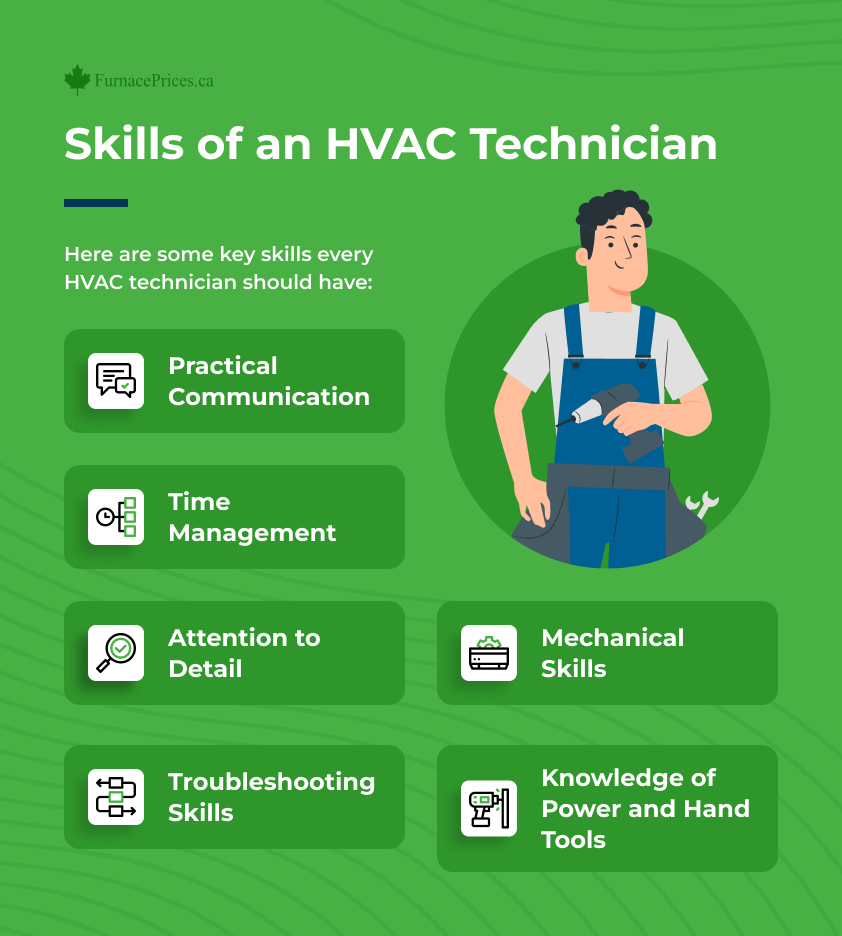
Hands-on experience with refrigeration systems is essential. Strong problem-solving skills and attention to detail are crucial. Knowledge of safety regulations and technical manuals is important for troubleshooting and repair.
To thrive as a refrigeration technician, you need a solid set of skills. This career demands more than just a knack for fixing things; it requires a blend of technical expertise, problem-solving abilities, and a strong commitment to safety. Understanding these skills will not only help you excel but also ensure a long and successful career in this field.Technical Abilities
Mastering technical skills is crucial. As a refrigeration technician, you’ll work with complex systems that require a deep understanding of how each component functions. You need to know how to install, repair, and maintain refrigeration units. Hands-on experience is invaluable. Consider internships or apprenticeships to build your technical skills. Working alongside experienced professionals can provide insights that textbooks can’t. Technology is always evolving. Staying updated with the latest tools and techniques is necessary. Continuous learning through workshops or online courses will keep you ahead in the industry.Problem-solving Skills
Every refrigeration system is unique. You’ll often face unexpected issues that require quick thinking and effective solutions. The ability to analyze problems and identify the root cause is essential. Think about past experiences where you solved a tricky problem. What strategies did you use? Applying similar methods can often lead to efficient solutions in refrigeration tasks. Don’t be afraid to ask questions. Sometimes collaborating with peers can offer new perspectives and solutions. Sharing experiences can also help refine your problem-solving skills.Safety Knowledge
Safety is non-negotiable in refrigeration work. You’ll deal with potentially hazardous materials and high-pressure systems. Knowledge of safety protocols and regulations is critical to protect yourself and others. Understand the importance of personal protective equipment (PPE). Wearing the right gear can prevent accidents and injuries. Ensure your PPE is always in good condition. Regularly review safety procedures. Many accidents occur due to complacency. Keeping safety at the forefront of your work routine is key to maintaining a safe working environment. By honing these skills, you’ll be well-equipped to tackle the challenges of a refrigeration technician. Which of these skills do you feel most confident in, and which ones do you think you need to work on?Education And Training
Education and training form the foundation of a career as a refrigeration technician. Gaining the right knowledge and skills helps in understanding complex systems and handling equipment safely. The journey begins with basic education and moves towards specialized training and hands-on experience.
High School Courses
Focus on science and math classes like physics and algebra. These subjects teach problem-solving and technical thinking. Some schools offer classes in electronics or mechanical drawing, which provide useful skills. Good communication and computer basics also help in this field.
Vocational Programs
Vocational schools offer specific training for refrigeration technology. These programs cover system design, repair, and maintenance. Students learn about electrical circuits, refrigeration cycles, and safety rules. Programs usually last from six months to two years. Many include certificates or diplomas that improve job chances.
Apprenticeships
Apprenticeships combine learning with real work experience. Trainees work under skilled technicians and learn daily tasks. This hands-on training builds confidence and practical skills. Apprenticeships often last 3 to 5 years. They may also include classroom instruction and lead to industry certification.
Certification And Licensing
Certification and licensing are essential for becoming a skilled refrigeration technician. They prove your knowledge and ability to work safely with cooling systems. These credentials help employers trust your skills and meet legal requirements. Understanding certification and licensing steps is crucial for career growth in refrigeration.
Key Certifications
Several certifications validate a technician’s expertise in refrigeration. The most recognized is the EPA Section 608 Certification. This certifies handling refrigerants safely and legally. Other valuable certifications include:
- HVAC Excellence Certification
- North American Technician Excellence (NATE)
- Refrigeration Service Engineers Society (RSES) Certification
These certifications improve job prospects and demonstrate professional knowledge. They often require passing an exam and practical tests.
License Requirements
Licensing rules vary by state and country. Some places require a special license to install or repair refrigeration systems. Requirements often include:
- Proof of work experience
- Completion of training programs
- Passing a licensing exam
Check local regulations before starting your work. Holding a license ensures you meet safety and industry standards.
Renewal And Continuing Education
Licenses and certifications do not last forever. Technicians must renew them regularly to stay current. Renewal often requires continuing education courses. These courses cover new technologies, safety rules, and industry updates. Staying updated helps maintain skills and comply with laws. Many employers prefer technicians who keep learning.
Gaining Practical Experience
Gaining practical experience is essential to becoming a skilled refrigeration technician. Theory alone is not enough. Hands-on work builds confidence and expertise. It helps you understand real-world challenges and solutions. Practical experience also improves your problem-solving skills. It prepares you for daily tasks in the field.
Internship Opportunities
Internships offer valuable on-site learning with experienced technicians. They provide a safe environment to practice skills. You get to observe and assist on actual projects. Internships often lead to job offers after completion. Seek programs at local HVAC companies or technical schools. Some internships may pay while others offer credit towards certification.
On-the-job Training
Many employers provide on-the-job training for new technicians. This training involves working under supervision on real equipment. It allows gradual increase of responsibilities as skills improve. You learn to use tools, read blueprints, and diagnose problems. This experience is crucial for understanding workplace safety and efficiency. Stay eager to learn and ask questions during training.
Building A Portfolio
A portfolio showcases your work and skills to future employers. Include photos of projects you worked on and descriptions of your role. Add certificates from training or completed internships. Keep records of tools and equipment you can operate. A well-organized portfolio makes you stand out in job applications. It proves your practical experience and dedication to the trade.
Credit: nevadastate.edu
Job Search Strategies
Searching for a job as a refrigeration technician requires more than just technical skills. You need a clear strategy to stand out in a competitive market. Focusing on your resume, interview skills, and networking can significantly boost your chances of landing the right role.
Resume Tips
Your resume is often the first impression you make on an employer. Make sure it highlights specific refrigeration skills, certifications, and hands-on experience clearly.
- Use action words like installed, repaired, and maintainedto describe your tasks.
- List relevant certifications such as EPA Section 608 or HVAC licenses prominently.
- Include measurable achievements, like “Reduced equipment downtime by 20% through proactive maintenance.”
Have you ever thought about tailoring your resume for each job? Small tweaks to match the job description can make a big difference.
Interview Preparation
Interviews test your technical knowledge and how well you solve problems on the spot. Prepare to explain complex systems in simple terms and share examples from your experience.
- Practice answering questions about troubleshooting common refrigeration issues.
- Be ready to discuss safety protocols and how you handle emergencies.
- Bring a portfolio of past work or references if possible.
Imagine being asked how you fixed a challenging leak or improved energy efficiency. How would you explain it clearly and confidently?
Networking Techniques
Connecting with other professionals in the refrigeration field can open doors to job opportunities you won’t find online. Attend trade shows, join local HVAC groups, or participate in online forums.
- Reach out to former instructors or colleagues for advice and job leads.
- Use LinkedIn to follow companies and engage with industry posts.
- Consider volunteering for small projects to build your reputation.
Have you tried asking a seasoned technician about their career path? Sometimes, a simple conversation can lead to unexpected job offers.
Career Advancement
Career advancement offers refrigeration technicians many opportunities for growth. Gaining new skills and knowledge leads to better jobs and higher pay. Exploring different paths helps shape a rewarding career.
Specialization Areas
Technicians can focus on specific fields within refrigeration. Common areas include commercial, industrial, and residential systems. Others specialize in HVAC or refrigeration controls. Specializing builds expertise and opens unique job options.
Advanced Certifications
Certifications show a technician’s skill and dedication. Examples include EPA Section 608 and HVAC Excellence. Advanced certificates improve job prospects and earning potential. Continuous learning keeps skills current and relevant.
Leadership Roles
Technicians may move into supervisory or management roles. Leading a team or managing projects increases responsibility. These roles develop communication and problem-solving skills. Leadership positions often come with higher wages and benefits.
Tools And Technology
Understanding the tools and technology is crucial for anyone aiming to become a refrigeration technician. Your ability to work effectively depends on mastering both the physical equipment and the software that supports modern refrigeration systems. Staying updated with emerging technologies can set you apart and keep your skills relevant in a fast-changing field.
Essential Equipment
Every refrigeration technician needs a reliable toolkit. This usually includes:
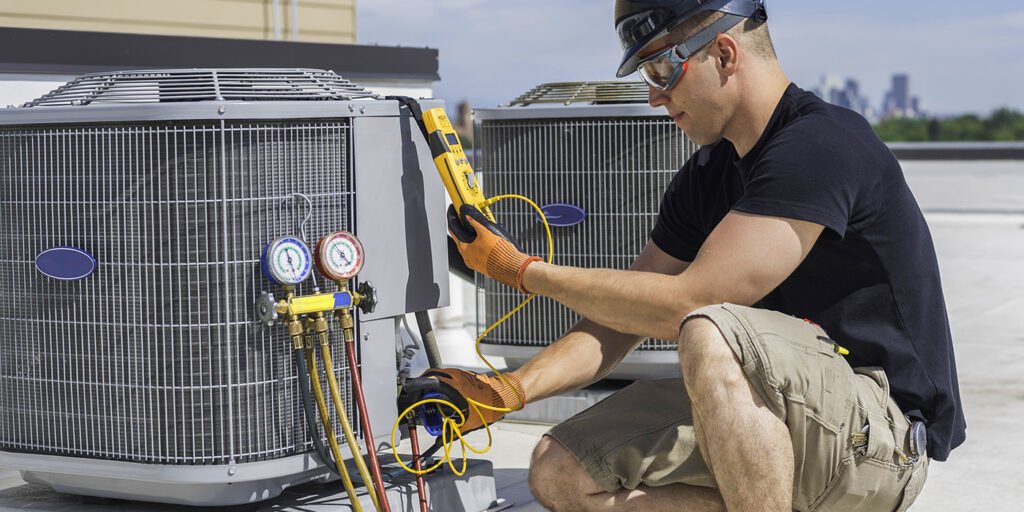
- Manifold gauge setsto measure pressure in refrigeration systems.
- Vacuum pumpsto remove air and moisture from the system.
- Refrigerant recovery machinesfor safe handling and recycling of refrigerants.
- Leak detectorsto quickly identify system leaks.
- Multimetersfor electrical testing and diagnostics.
Having the right tools not only makes your work easier but also more precise. Do you have a favorite tool that you rely on daily? Sharing your experiences can help others understand their importance.
Software Skills
Modern refrigeration systems often include digital controls and monitoring. You’ll need to be comfortable with software that diagnoses system performance and controls operations.
- Learn to use diagnostic software that interfaces with HVAC/R equipment.
- Understand how to read system data and adjust settings for optimal performance.
- Familiarize yourself with mobile apps that help track maintenance schedules and refrigerant logs.
These software skills can make troubleshooting faster and more accurate. How confident are you in using digital tools to solve complex refrigeration issues?
Emerging Technologies
The refrigeration industry is adopting new technologies that you should watch closely. These include:
- Smart sensorsthat provide real-time system data for better efficiency.
- Eco-friendly refrigerantsdesigned to reduce environmental impact.
- IoT integrationallowing remote monitoring and control of refrigeration units.
Keeping up with these trends can give you a competitive edge. Are you ready to embrace these innovations and future-proof your career?
Work Environment
The work environment for a refrigeration technician varies widely. It includes different locations and conditions. Understanding these settings helps prepare for the job and its demands.
Typical Job Settings
Refrigeration technicians work in many places. These include homes, offices, factories, and stores. Sometimes, they visit construction sites or large industrial plants. The work may be indoors or outdoors depending on the job. Travel to different job sites is common. Work hours can be regular or may include nights and weekends.
Workplace Challenges
Technicians face several challenges daily. They often work in tight or awkward spaces. Exposure to loud noises and strong smells happens often. Weather conditions can affect outdoor jobs. Sometimes, they handle heavy equipment and tools. Quick problem-solving is needed to fix urgent breakdowns. Physical strength and endurance help to complete tasks effectively.
Health And Safety
Safety is very important for refrigeration technicians. They must follow strict safety rules. Protective gear like gloves and goggles is necessary. Handling chemicals and refrigerants requires care. Proper ventilation prevents breathing problems. Regular training on safety helps reduce accidents. Keeping tools and work areas clean avoids injuries.

Credit: sucoyclc.com
Frequently Asked Questions
What Qualifications Are Needed To Become A Refrigeration Technician?
A high school diploma or GED is essential. Technical training or certification in HVAC or refrigeration enhances job prospects. Practical experience through apprenticeships is highly valuable. Strong mechanical skills and knowledge of electrical systems are also important.
How Long Does It Take To Become A Refrigeration Technician?
Typically, it takes 6 months to 2 years. Formal training programs or apprenticeships vary in length. Certification preparation adds extra time. Hands-on experience accelerates learning and skill development.
What Skills Are Essential For Refrigeration Technicians?
Key skills include mechanical aptitude, electrical knowledge, and problem-solving. Attention to detail and safety awareness are critical. Good communication helps when dealing with clients. Physical stamina is necessary for hands-on tasks.
Is Certification Necessary For Refrigeration Technicians?
Certification is often preferred or required by employers. It validates your skills and knowledge. Common certifications include EPA Section 608 and HVAC Excellence. Certification improves job opportunities and earning potential.
Conclusion
Becoming a refrigeration technician takes time and effort. Start with basic training and learn the key skills. Practice regularly to gain confidence and experience. Stay patient and keep improving your knowledge. This job offers steady work and good pay. You can work in many places like homes, stores, or factories.
Remember, hard work and dedication bring success in this field. Keep your goals clear and take one step at a time. Your career as a refrigeration technician can grow with the right attitude.