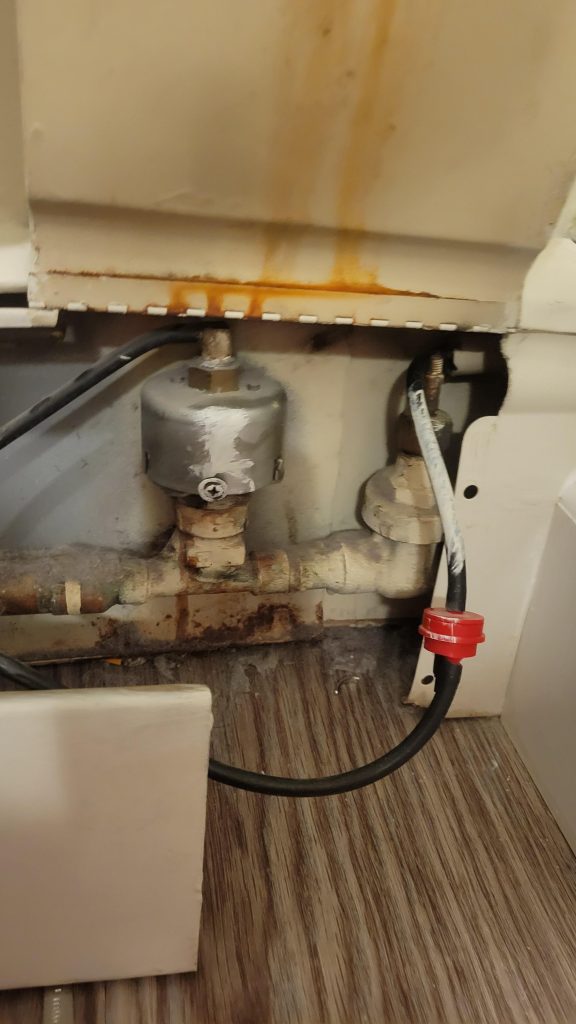
Is your baseboard heating system not warming your home like it used to? You might have trapped air inside the pipes, causing cold spots and uneven heat.
Learning how to bleed your baseboard heating system can fix this quickly and save you from uncomfortable chills. In this guide, you’ll discover simple, step-by-step instructions to get your heating working efficiently again. Keep reading—you’re just minutes away from a warmer, cozier home.
Signs Of Air In Baseboard Heating
Air trapped inside a baseboard heating system can stop it from working well. It lowers the heat and causes noises.
Knowing the signs helps you fix the problem by bleeding the system. This keeps your home warm and comfortable.
Cold Spots On The Baseboard
If parts of the baseboard are cold while others are hot, air may be inside. Air blocks the hot water from flowing properly.
Check the entire length of the baseboard for uneven heat. Cold spots usually show where air is trapped.
Gurgling Or Banging Noises
Unusual noises like gurgling or banging come from air bubbles moving in the pipes. These sounds mean air is trapped.
Listen carefully near the baseboards or radiator valves. These noises often happen when the heating first starts.
Reduced Heat Output
When air is in the system, less heat reaches your rooms. The baseboards feel cooler than usual.
This happens because air stops hot water from flowing through the pipes. The heating system works less efficiently.
Uneven Heating In Rooms
Some rooms may be warm while others stay cold. Air in the pipes can cause this uneven heat distribution.
Check if the cold rooms have baseboards with air trapped inside. Bleeding the system can fix this problem.
Visible Air Bubbles In Bleed Valves
When you open the bleed valve, you may see air bubbles escaping. This is a clear sign of trapped air.
Air bubbles come out before water flows steadily. This shows the system needs bleeding to remove the air.

Credit: www.reddit.com
Tools Needed For Bleeding
Bleeding a baseboard heating system removes trapped air. This helps the system work better and heat your home evenly.
You need some basic tools before you start bleeding. These tools make the job easier and safer.
Bleed Key Or Radiator Key
This tool opens the bleed valve on the baseboard heater. It lets the air escape from the system.
Bleed keys are small and easy to use. Some valves may need a flathead screwdriver instead.
Container Or Bowl
Use a container to catch water that comes out during bleeding. This keeps your floor dry and clean.
A small bowl or bucket works well. Make sure it is large enough to hold water from all the valves.
Cloth Or Towel
Keep a cloth or towel handy to wipe any water spills. It also helps protect surfaces around the valve.
The cloth can prevent slipping and keep the area clean during the bleeding process.
Adjustable Wrench (optional)
An adjustable wrench may be needed if the bleed valve is tight or stuck. It helps you turn the valve safely.
Use the wrench carefully to avoid damaging the valve or pipes.
Gloves
Wear gloves to protect your hands from hot water and sharp edges. This keeps you safe during the process.
Heat-resistant gloves are best if the system is still warm.
Preparing The Heating System
Bleeding a baseboard heating system removes trapped air that blocks heat. Proper preparation ensures safety and efficiency.
Follow simple steps to get your heating system ready before bleeding. This helps avoid damage and keeps the process smooth.
Turn Off The Heating System
Switch off the heating system to stop hot water flow. Let the system cool down to prevent burns during bleeding.
Turning off the system also helps trapped air to rise, making it easier to release later.
Gather Necessary Tools
Prepare tools such as a radiator key, a container, and a cloth. These help safely catch water and open air vents.
- Radiator key or flat screwdriver
- Small container or bowl
- Clean cloth or rag
- Towel to protect the floor
Locate The Bleed Valves
Find the bleed valves on your baseboard heaters. They are usually small screws or knobs near the end of each unit.
Knowing the valve location helps you release air properly without causing leaks or damage.
Protect Surrounding Areas
Place towels or cloths under the valves to catch any water. This keeps your floor and walls dry during bleeding.
Prepare the area well to avoid water damage and make cleanup easier after the process.

Credit: www.youtube.com
Step-by-step Bleeding Process
Bleeding your baseboard heating system removes trapped air. This helps your heating work better and last longer.
The process is simple if you follow each step carefully. Use the right tools and be patient.
Locate The Bleed Valve
Look for the bleed valve on each baseboard unit. It is usually a small valve with a square or round knob.
You may need a flashlight to see it clearly, especially in dark or tight spaces.
Turn Off The Heating System
Switch off your heating system before bleeding. This stops hot water from circulating while you work.
Wait for the system to cool down to avoid burns during bleeding.
Open The Bleed Valve
Use a radiator key or a flathead screwdriver to open the bleed valve slowly. Turn it counterclockwise.
- Place a container or cloth under the valve to catch water.
- Turn the valve just enough to hear air escaping.
- Do not open it too wide to avoid water spills.
Release Trapped Air
Listen for a hissing sound. This is the air escaping from the system.
| Sound | Meaning |
| Hissing | Air is being released |
| Steady water flow | All air is out |
| Dripping water | Valve is open too much |
Close The Bleed Valve
When water flows steadily without air, close the valve. Turn it clockwise until tight.
Check for leaks around the valve. Wipe any water to prevent damage.
Checking System Pressure
Checking the pressure in your baseboard heating system is important. It helps keep your heating working well and safely.
Low or high pressure can cause problems. You should check the pressure before you bleed the system.
Locate The Pressure Gauge
The pressure gauge is usually near the boiler or heating unit. It shows the current pressure inside the system.
Understand Normal Pressure Range
Most baseboard heating systems work best between 12 and 25 psi. Too low or too high pressure can cause damage.
| Pressure Level | Action Needed |
|---|---|
| Below 12 psi | Add water to the system |
| 12 to 25 psi | Pressure is normal |
| Above 25 psi | Release pressure or call a professional |
Check Pressure When System Is Cold
Measure the pressure when the system is off and cold. This gives the most accurate reading.
Adjust Pressure If Needed
- If pressure is low, open the water supply valve to add water.
- Close the valve once pressure reaches normal range.
- If pressure is high, release some water from a drain valve.
- Repeat checking until pressure stays stable.
Credit: forum.ih8mud.com
Common Issues And Troubleshooting
Bleeding a baseboard heating system helps remove trapped air that stops heat flow. Sometimes, problems arise during or after bleeding. Knowing common issues helps fix them fast.
This guide covers common problems like valve leaks, persistent air bubbles, and no heat after bleeding. Each section explains causes and ways to troubleshoot.
Bleed Valve Leaks
Leaks around the bleed valve can waste water and reduce system pressure. They happen if the valve is old or not tightened properly.
- Check if the valve is fully closed after bleeding.
- Replace worn or damaged washers inside the valve.
- Use plumber’s tape on the threads to seal leaks.
- Replace the bleed valve if leaks continue.
Persistent Air Bubbles
Air bubbles can stay trapped even after bleeding. This reduces heat efficiency and causes noise in the system.
| Cause | Solution |
| Incomplete bleeding | Repeat bleeding process carefully, open valve fully |
| Blockage in pipes | Flush system to clear blockages |
| Faulty automatic air vents | Inspect and replace vents if needed |
| Incorrect system pressure | Check and adjust pressure to recommended level |
No Heat After Bleeding
Sometimes, bleeding does not restore heat. This can mean other problems in the system.
- Check the boiler to ensure it is running properly.
- Make sure the thermostat is set correctly.
- Look for closed valves blocking water flow.
- Inspect the pump to confirm it is working.
- Check for leaks causing pressure drops.
Maintenance Tips To Prevent Air Build-up
Air trapped in a baseboard heating system can reduce heat output. It can also cause noisy pipes. Regular maintenance helps keep your system working well.
Bleeding the system removes trapped air. This guide shares easy tips to avoid air build-up and keep your home warm.
Check The System Pressure Regularly
Low pressure can let air enter the heating system. Check the pressure gauge on your boiler. Keep it within the recommended range.
If the pressure is too low, add water slowly. This stops air from building inside the pipes and baseboards.
Bleed The Baseboard Radiators Often
Air can get trapped in the radiators over time. Bleeding them removes this air. It improves heat flow and stops noises.
Use a radiator key or screwdriver to open the bleed valve. Let the air out until water starts to flow. Close the valve tightly.
Keep Water Clean In The System
Dirty water causes corrosion and air pockets. Flush the system once a year to remove debris and sludge. This reduces air build-up.
Use clean water or special heating system fluid to protect pipes and radiators. This helps your baseboard system work longer and better.
Inspect And Replace Worn Parts
Old or damaged valves can let air enter the system. Check valves, seals, and pipes for leaks or wear. Replace any faulty parts quickly.
Regular inspection keeps the system sealed tight. This prevents new air from getting inside and causing problems.
Use Automatic Air Vents
Automatic air vents help remove air without manual bleeding. Install them on high points in the system. They release trapped air continuously.
This device lowers air build-up and reduces the need for frequent bleeding. It keeps your heating running quietly and efficiently.
Frequently Asked Questions
How Do I Know If My Baseboard Heater Needs Bleeding?
You may notice uneven heating or cold spots along the baseboard. Gurgling sounds or reduced heat output also indicate trapped air. Bleeding releases air, restoring efficient heat flow and comfort in your home.
What Tools Are Required To Bleed A Baseboard Heating System?
You need a radiator key or flathead screwdriver, a cloth to catch drips, and a container for water. These simple tools help safely release trapped air from your baseboard heaters.
How Often Should I Bleed My Baseboard Heating System?
Bleeding is typically needed once a year before the heating season. If you notice cold spots or noise during operation, bleed the system immediately to maintain efficiency.
Can I Bleed The Baseboard Heater While The System Is Hot?
It’s safer to bleed when the system is off and cool. Hot water can cause burns, and bleeding cold reduces pressure risks. Always ensure safety first.
Conclusion
Bleeding your baseboard heating system is essential. It improves efficiency and comfort. Regular maintenance prevents unwanted air pockets. This ensures even heat distribution throughout your home. Always remember to turn off the heater first. Use a radiator key or screwdriver carefully.
Collect any water spillage with a cloth. Safety is a priority. Wear gloves and goggles if needed. With these steps, your heating system will function optimally. Enjoy a warm and cozy home all winter long. Keep an eye on your system’s performance for future needs.
Happy heating!