
Ever found yourself craving a quick, boiled egg but short on time? You’re not alone.
Many people, just like you, are looking for faster ways to whip up their meals without sacrificing quality. Imagine popping an egg in the microwave and having it perfectly boiled in just minutes. Sounds too good to be true, right?
Well, it’s not only possible but incredibly simple once you know the steps. In this guide, you’ll discover the secrets to boiling an egg in a microwave oven safely and efficiently. Stick around, because you won’t want to miss these tips that could revolutionize your kitchen routine!
Choosing The Right Egg
Choosing the right egg is important for a perfect microwave boil. Not all eggs behave the same under microwave heat. Picking the best egg can help avoid cracking or uneven cooking. The freshness and size of the egg affect the cooking time and texture.
Fresh Vs. Older Eggs
Fresh eggs are harder to peel after boiling. Older eggs peel easier and often work better for boiling. Fresh eggs have a tighter membrane around the yolk. This can cause more steam pressure inside during microwaving. Older eggs lose some moisture, making peeling smoother.
For microwave boiling, slightly older eggs are safer and easier to handle. They reduce the chance of bursting during cooking. Store eggs in the fridge for a few days before boiling in the microwave.
Egg Size Considerations
Egg size changes the cooking time. Small eggs cook faster than large eggs. Medium eggs are the most common and usually the safest choice. Large eggs need more time to cook through.
Adjust the microwave time based on egg size to avoid undercooking or overcooking. Using eggs of uniform size helps get consistent results.
Preparing The Egg
Preparing the egg is a key step before boiling it in a microwave oven. This process helps prevent the egg from cracking or exploding during cooking. Proper preparation ensures even cooking and better results.
Piercing The Shell
Piercing the shell lets steam escape while the egg cooks. Use a pin or needle to make a small hole at the rounded end. Be gentle to avoid cracking the shell. This simple step prevents pressure buildup inside the egg.
Using A Microwave-safe Container
Choose a microwave-safe container that fits the egg comfortably. Fill it with enough water to cover the egg completely. Water helps the egg cook evenly and stops it from overheating. Avoid plastic containers not labeled microwave-safe. Glass or ceramic bowls work best.
Microwave Settings
Setting the right microwave power and timing is key to boiling an egg perfectly. Microwaves differ, so understanding these settings helps avoid overcooking or undercooking. Small adjustments can make a big difference in how the egg turns out.
Power Levels
Use medium power to cook the egg evenly without bursting. High power heats too fast and can cause the egg to explode. Low power may not cook the egg fully. Most microwaves have power levels from 1 to 10:
- Level 5 or 50% power works well for boiling eggs.
- Adjust slightly based on your microwave’s strength.
- Some models have a “defrost” or “medium” setting suitable for eggs.
Timing Guidelines
Timing depends on egg size and microwave wattage. Start with short intervals and check the egg’s firmness. Typical times for a large egg at 50% power are:
| Egg Type | Time |
|---|---|
| Soft-boiled | 45 to 60 seconds |
| Medium-boiled | 60 to 90 seconds |
| Hard-boiled | 90 to 120 seconds |
Let the egg rest for a minute after microwaving to finish cooking. This step improves texture and safety.

Credit: m.youtube.com
Step-by-step Boiling Process
Boiling an egg in the microwave is quick and simple. Follow these clear steps for the best results. This process saves time and energy compared to traditional methods. Keep safety in mind to avoid any accidents. Each step helps you achieve a perfectly boiled egg in minutes.
Filling Water
Use a microwave-safe bowl. Fill it with enough water to cover the egg completely. Add a pinch of salt to the water. This helps prevent the egg from cracking. Place the egg gently in the bowl. Make sure the egg is fully submerged.
Cooking The Egg
Cover the bowl with a microwave-safe plate. Set the microwave power to medium. Cook the egg for about 4 minutes. Cooking time may vary depending on your microwave. Watch the egg carefully to avoid overheating. Let the egg sit in hot water for 1 minute after cooking.
Checking Doneness
Remove the egg carefully from the water. Use a spoon or tongs to avoid burns. Tap the egg gently to check firmness. If it feels soft, cook for 30 seconds more. Repeat until the egg is fully cooked. Cool the egg under cold running water before peeling.
Safety Tips
Boiling an egg in a microwave can be quick and convenient, but it requires careful attention to safety. Without the right precautions, you risk burns or even a messy explosion. Let’s look at some essential safety tips to keep your cooking experience smooth and safe.
Avoiding Explosions
Eggs have a natural shell that traps steam inside when heated. In a microwave, this steam builds up fast and can cause the egg to explode.
- Never microwave an egg in its shellwithout puncturing it or using water to cushion the heat.
- Prick the yolk or white with a fork or toothpick if you’re microwaving a peeled egg to let steam escape.
- Place the egg in a microwave-safe bowl filled with water to evenly distribute heat and prevent sudden bursts.
Have you ever seen an egg explode in your microwave? It’s loud and messy, but also dangerous. Taking these simple steps can save your kitchen and your nerves.
Handling Hot Eggs
Microwaved eggs can heat unevenly, with some parts scorching while others remain cooler. This can cause unexpected burns.
- Use oven mitts or a thick towel to remove eggs from the microwave to protect your hands.
- Let the egg sit for a minute after cooking; the heat distributes evenly and reduces the risk of burns.
- Be cautious when biting into a microwaved egg—steam trapped inside can cause a sudden burst of hot liquid.
Once, I grabbed a microwaved egg too quickly and got a painful steam burn. Now, I always wait and handle with care. Would you want to risk that for a few seconds saved?

Credit: keeshaskitchen.com
Troubleshooting Common Issues
Boiling an egg in a microwave can sometimes lead to unexpected results. Understanding common issues helps fix these problems quickly. This section explains how to handle overcooked and undercooked eggs.
Overcooked Eggs
Overcooked eggs often become rubbery and develop a strong smell. This happens when the cooking time is too long or the power setting is too high.
- Reduce the cooking time in small steps.
- Use medium or low power settings for even cooking.
- Place a microwave-safe cover or vented lid to keep moisture.
- Let the egg rest for a minute after cooking to finish gently.
Undercooked Eggs
Undercooked eggs have runny yolks or whites that are not firm. This means the egg did not cook long enough or the microwave power was too low.
- Increase cooking time by 10-15 seconds.
- Check the egg after each short interval to avoid overcooking.
- Stir or shake if cooking scrambled eggs to distribute heat.
- Use a microwave-safe container with a lid to trap steam.
Creative Uses For Microwave-boiled Eggs
Microwave-boiled eggs open up a world of quick and versatile options for your meals. They save time and give you a protein boost without the hassle of traditional boiling. Once you master this simple technique, you’ll find plenty of creative ways to enjoy these eggs beyond just eating them plain.
Quick Snacks
Need a fast snack that won’t leave you hungry in 10 minutes? Microwave-boiled eggs are perfect. You can slice them up and sprinkle some salt, pepper, or your favorite spices for an instant protein-rich bite.
Try making deviled eggs using microwave-boiled eggs. Mash the yolks with a bit of mayo and mustard, then spoon the mixture back into the egg whites. It’s a quick, satisfying snack that tastes homemade but takes less than 5 minutes to prepare.
Another idea is to create egg salad. Chop the eggs finely and mix with a little yogurt or mayonnaise, celery, and a pinch of paprika. Spread it on whole-grain crackers or bread for a crunchy, filling snack.
Meal Prep Ideas
Microwave-boiled eggs are a game-changer for meal prep. They store well in the fridge, making them a handy ingredient for quick meals during busy days.
Add sliced eggs to salads for an easy protein boost. They pair well with greens, cherry tomatoes, and a light vinaigrette. You can prepare several eggs at once and keep them ready for the week.
Hard-boiled eggs also work great in grain bowls. Combine quinoa, roasted vegetables, and chopped microwave-boiled eggs for a balanced, colorful lunch. It’s a nutritious meal that you can assemble in minutes.
Have you tried layering sliced eggs in sandwiches or wraps? They add creaminess and protein without extra cooking. Experiment with different herbs or sauces to keep your meals exciting and tasty.
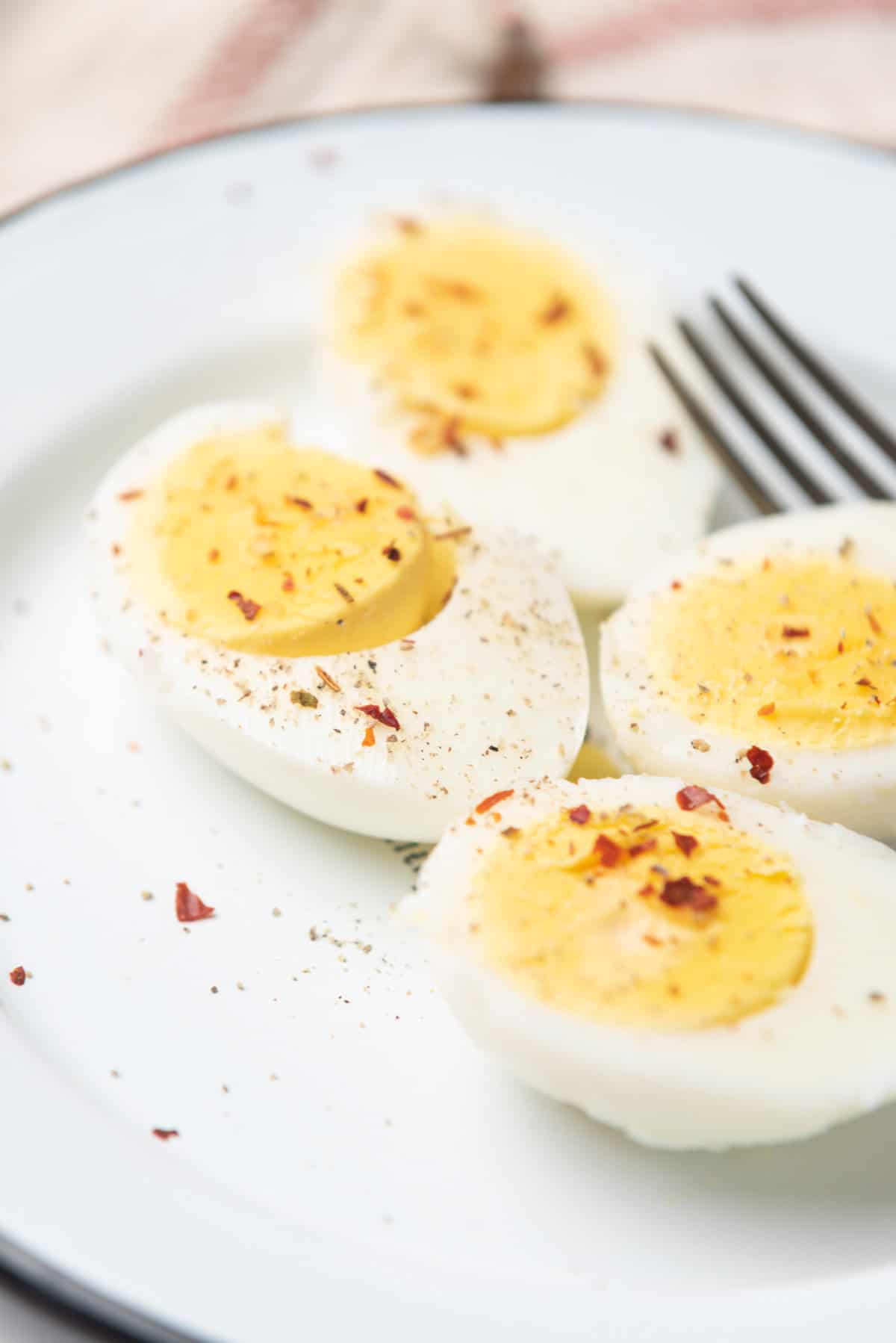
Credit: urbanfarmie.com
Frequently Asked Questions
How Long To Boil An Egg In Microwave?
Boil a microwave-safe bowl with water and place the egg inside. Microwave on high for 4 to 6 minutes. Cooking time depends on egg size and microwave power. Let the egg cool before peeling.
Can You Boil An Egg Without Shell In Microwave?
Yes, you can boil peeled eggs in the microwave. Use a microwave-safe container with water covering the egg. Heat for 3 to 5 minutes on medium power. Be cautious as eggs can explode without the shell.
Is It Safe To Boil Eggs In Microwave?
Boiling eggs in a microwave is safe if done correctly. Always use a microwave-safe container filled with water. Avoid overheating to prevent eggs from exploding. Use medium power settings and monitor cooking time closely.
How To Prevent Eggs From Exploding In Microwave?
Pierce the egg yolk or boil eggs in water to avoid explosions. Use a microwave-safe container with enough water to cover the eggs. Heat on medium power and stop cooking if you hear popping sounds.
Conclusion
Boiling an egg in a microwave is quick and simple. Just follow the steps carefully for the best results. Remember to use a microwave-safe container and add water. Watch the cooking time to avoid overcooking or cracking. This method saves time and energy in the kitchen.
Now, you can enjoy a perfectly boiled egg anytime you want. Give it a try and see how easy it is!