
Ever found yourself craving a quick and easy snack, only to realize you don’t have the time to boil eggs on the stovetop? You’re not alone.
Imagine being able to enjoy perfectly boiled eggs in just a few minutes, using nothing but your trusty microwave oven. Sounds too good to be true? It’s not! In this guide, you’ll discover the simple steps to boil eggs in a microwave oven, saving you time and effort.
Plus, you’ll learn tips to prevent those annoying egg explosions! Ready to revolutionize your snack game? Let’s dive in and explore how you can master this nifty kitchen hack.
Choosing The Right Eggs
Choosing the right eggs is important for boiling them in a microwave oven. The egg’s freshness and size affect cooking time and texture. Picking suitable eggs helps prevent cracking and uneven cooking.
Fresh Vs. Older Eggs
Fresh eggs have a firmer white and a rounder yolk. They can be harder to peel after boiling. Older eggs are easier to peel due to changes inside the shell. For microwave boiling, slightly older eggs reduce peeling problems.
Egg Size Considerations
Egg size changes the cooking time. Small eggs cook faster than large eggs. Use medium or large eggs for consistent results. Adjust the microwave time based on egg size to avoid undercooking or overcooking.
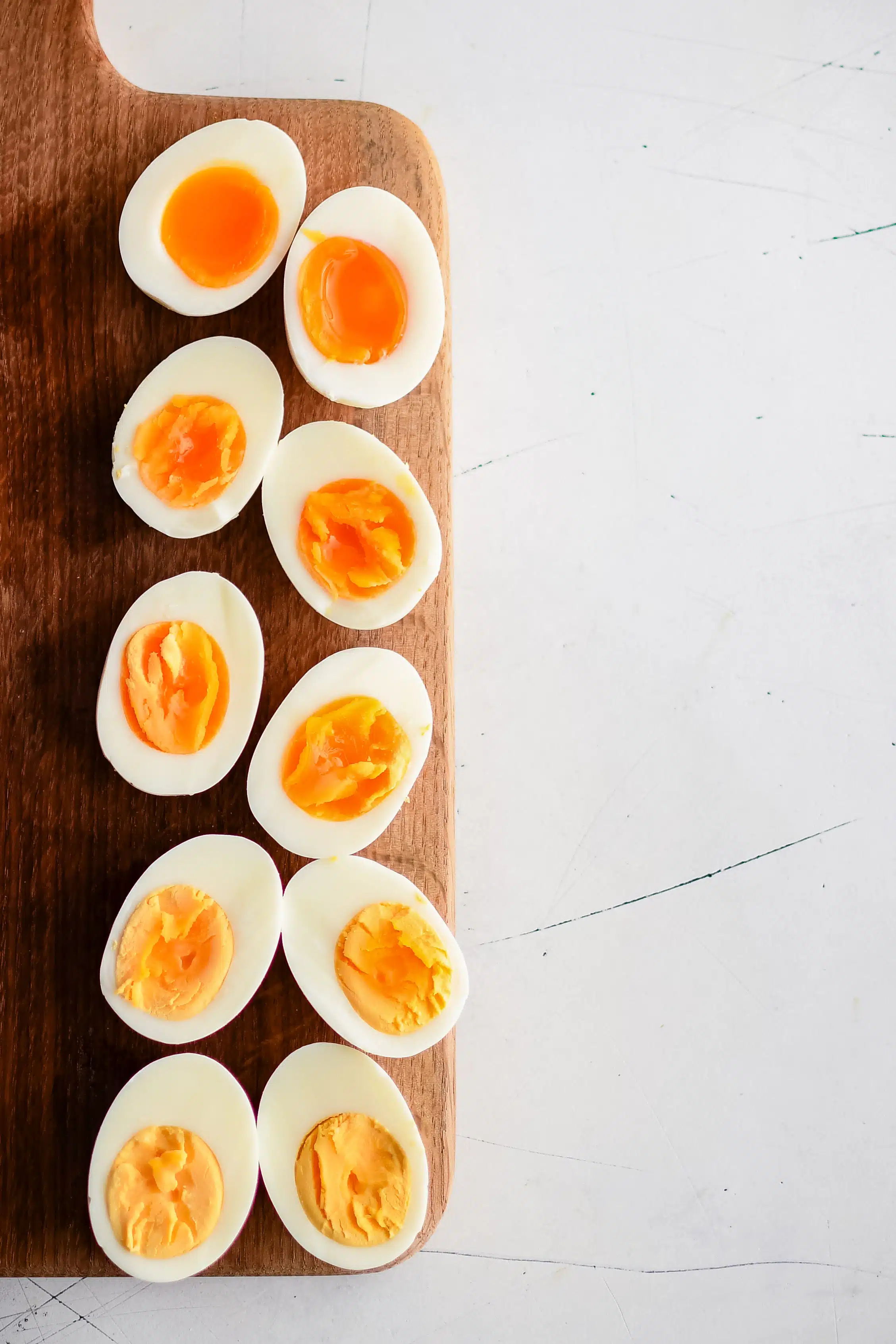
Credit: theforkedspoon.com
Preparing Eggs For Microwaving
Preparing your eggs correctly before microwaving is crucial for a safe and tasty outcome. Each step in this preparation helps prevent accidents like eggs exploding or cooking unevenly. Let’s break down how to get your eggs ready for the microwave.
Piercing The Shell
Eggshells are naturally sealed, which traps steam inside when heated. If you microwave an unpierced egg, pressure builds up and can cause a messy explosion. To avoid this, gently pierce the shell with a pin or needle in a few spots.
This simple step lets steam escape safely. Be careful not to crack the egg completely—just create small holes. Have you ever tried microwaving an unpierced egg? The cleanup is definitely not worth it.
Using A Microwave-safe Container
Choosing the right container matters for both safety and cooking quality. Use a microwave-safe bowl or cup that can hold the egg and water comfortably. Glass or ceramic containers are great because they withstand heat without melting or leaching chemicals.
Avoid plastic containers unless they are labeled microwave-safe. This reduces the risk of harmful fumes or melting. Do you have a favorite microwave-safe dish? It might be your best tool for perfectly boiled eggs.
Adding Water
Water plays a key role in microwaving eggs. Submerge the egg completely in water inside your container. This helps distribute heat evenly and prevents the egg from drying out or overheating.
Add a pinch of salt to the water to help reduce the chance of the egg cracking. If you don’t have salt, plain water will still work, but salt adds a little extra safety. Have you noticed how eggs cook differently when water is involved?
Microwave Settings And Timing
Getting the microwave settings and timing right is crucial for perfectly boiled eggs without cracks or explosions. Your microwave’s power level and wattage dramatically affect how long you should cook the eggs. Understanding these factors helps you avoid undercooked or overcooked results every time.
Power Levels To Use
Microwaving eggs at full power often leads to uneven cooking or bursting. Using a medium power level, such as 50% to 70%, provides gentler heat that cooks eggs more evenly.
Try setting your microwave to “Medium” or around 600-700 watts if your model allows adjusting power levels. This reduces the risk of hot spots and prevents the egg yolks from overheating while still cooking through the whites.
Recommended Cooking Times
Cooking time varies depending on the size of the eggs and the number you cook at once. Generally, cook one large egg for about 40 to 60 seconds on medium power.
If you’re boiling multiple eggs, increase the time by 30 seconds per additional egg, but avoid overcrowding the dish. Always let the eggs rest for at least a minute after microwaving to complete the cooking process through residual heat.
Adjusting For Microwave Wattage
Microwave wattage ranges widely, from 600 watts to over 1200 watts. Higher wattage microwaves cook faster and may require shorter cooking times.
| Microwave Wattage | Time per Large Egg (Medium Power) |
|---|---|
| 600-700 watts | 50-60 seconds |
| 800-900 watts | 40-50 seconds |
| 1000+ watts | 30-40 seconds |
Have you checked your microwave’s wattage before? It’s often listed inside the door or in the manual. Adjust your timing accordingly to avoid overcooking or undercooking your eggs.

Credit: keeshaskitchen.com
Step-by-step Cooking Process
Boiling eggs in the microwave saves time and effort. The process requires careful steps to avoid mess or cracks. Follow these easy instructions to cook eggs perfectly every time. Safety is key when using the microwave for boiling eggs.
Placing Eggs In The Microwave
Use a microwave-safe bowl or container. Fill it with enough water to cover the eggs completely. Gently place the eggs in the water. Add a pinch of salt to prevent cracking. Cover the bowl with a microwave-safe plate or lid to trap steam.
Cooking In Intervals
Set the microwave to medium power. Cook the eggs for short intervals of 30 seconds. After each interval, check the eggs carefully. Repeat until the eggs reach the desired firmness. This method prevents overheating and bursting.
Resting Time After Cooking
Let the eggs sit in the hot water for 2-3 minutes. This allows the heat to finish cooking the eggs evenly. Remove the eggs carefully using a spoon. Cool them under running cold water to stop cooking and make peeling easier.
Safety Tips
Boiling eggs in the microwave can save time, but it requires careful attention to safety. Without the right precautions, you risk burns or even explosions. These safety tips will help you cook your eggs perfectly while keeping you safe.
Preventing Explosions
Microwaving eggs in their shells can cause a dangerous build-up of steam inside. This pressure can make eggs explode unexpectedly. To avoid this, always pierce the shell with a pin or use a microwave-safe container filled with water to help evenly distribute heat.
Have you ever heard a loud pop from your microwave? That’s a clear sign of an egg explosion. Don’t rush the process—slow and steady heating reduces the risk.
Handling Hot Eggs
Eggs heat very quickly and can become extremely hot inside, even if they feel cool outside. Use tongs or a spoon to remove eggs from the microwave. Never try to peel or cut them right away; let them cool down for a few minutes.
Try this: after microwaving, place eggs in a bowl of cold water. This stops the cooking and makes handling safer. How often do you get burned because you grabbed something too soon?
Avoiding Cracks
Cracks let steam escape too quickly, causing uneven cooking or messes. To prevent cracks, avoid sudden temperature changes—don’t put cold eggs directly into hot water or the microwave. Instead, bring eggs to room temperature before cooking.
Also, use a microwave-safe container filled with water to cushion the eggs. This simple step helps eggs cook gently and stay intact. Have you ever ended up with a cracked egg disaster? This tip can save your breakfast.
Peeling And Serving
Peeling and serving microwave-boiled eggs is simple and quick. Proper cooling helps make peeling easier and prevents burns. Serving ideas turn plain eggs into tasty snacks or meals.
Cooling Techniques
After microwaving, place eggs in cold water immediately. This stops cooking and cools eggs fast. Ice water works best to cool eggs thoroughly. Let eggs sit in cold water for at least 5 minutes. This helps separate the shell from the egg white. Avoid peeling eggs while they are hot to prevent damage.
Easy Peeling Tricks
- Tap the egg gently on a hard surface to crack the shell.
- Roll the egg under your hand to loosen the shell.
- Peel from the wider end where the air pocket is.
- Peel under running water to remove small shell pieces easily.
- Use a spoon to slide between shell and egg for quick peeling.
Serving Suggestions
Serve boiled eggs plain with a pinch of salt and pepper. Slice eggs over salads for added protein and texture. Make deviled eggs by mixing yolks with mayo and mustard. Chop eggs for sandwiches or wraps. Add boiled eggs to breakfast bowls for energy and flavor.
Troubleshooting Common Issues
Boiling eggs in a microwave can be quick and easy. Yet, some common issues may occur during cooking. Knowing how to fix these problems will help get perfect eggs every time.
Eggs may be undercooked, overcooked, or crack while cooking. Each problem has simple solutions. Adjusting cooking time and technique often solves these issues.
Undercooked Eggs
Undercooked eggs are often soft or runny inside. This happens when cooking time is too short. Try these tips to fix it:
- Increase cooking time by 10-15 seconds.
- Use medium power instead of high to cook evenly.
- Cover the egg with a microwave-safe lid or plate.
- Let eggs sit for 1-2 minutes after cooking to finish.
Overcooked Eggs
Overcooked eggs become rubbery and dry. This happens with too much heat or time. Follow these steps to avoid overcooking:
- Reduce cooking time by 10-20 seconds.
- Cook at medium or low power settings.
- Check eggs every 30 seconds near the end of cooking.
- Cool eggs quickly by placing them in cold water.
Eggs Cracking During Cooking
Eggs may crack in the microwave due to pressure build-up inside. Prevent cracks using these methods:
- Pierce the eggshell with a pin or needle before cooking.
- Place eggs in water to reduce pressure.
- Do not use high power settings.
- Use a microwave-safe container with a lid to avoid splatters.
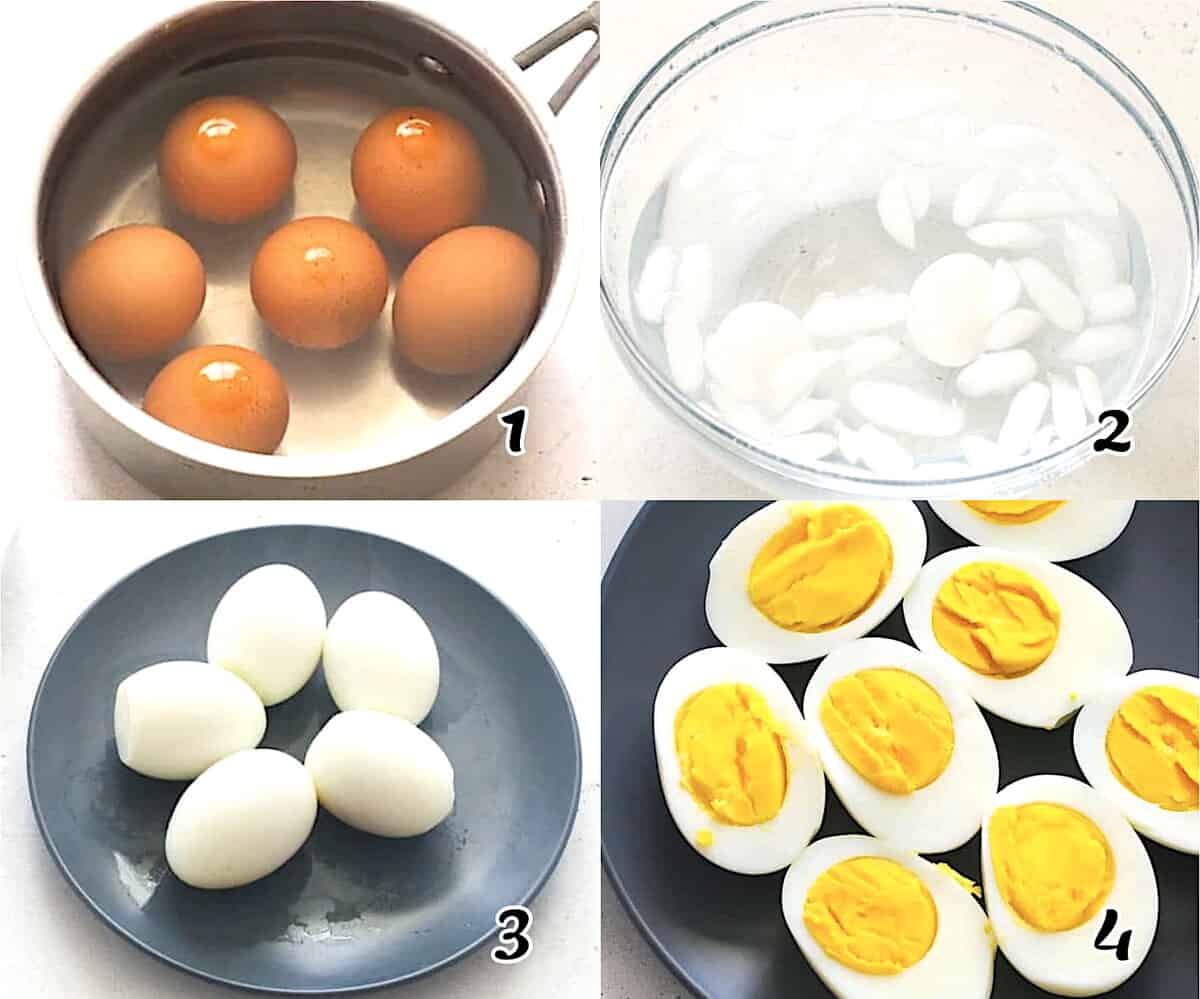
Credit: www.africanbites.com
Frequently Asked Questions
How Long To Boil Eggs In Microwave Oven?
Boil eggs in the microwave for about 4 to 6 minutes. Use a microwave-safe container with water covering the eggs. Adjust time based on microwave wattage and egg size for perfect doneness.
Can I Boil Eggs Without Piercing The Shell?
No, always pierce the eggshell slightly before microwaving. This prevents pressure buildup and explosion inside the microwave. Use a pin or needle to make a small hole.
Is It Safe To Boil Eggs In Microwave?
Yes, boiling eggs in the microwave is safe when done properly. Use enough water to cover eggs and pierce shells to avoid accidents. Follow recommended timing to prevent overheating.
What Container Is Best For Microwaving Eggs?
Use a microwave-safe glass or ceramic bowl filled with water. Avoid plastic containers as they may melt or release chemicals. The container should be large enough to fully submerge eggs.
Conclusion
Boiling eggs in a microwave saves time and effort. It requires just a few simple steps. Use water and a microwave-safe bowl for safety. Watch the cooking time closely to avoid overcooking. This method works well for quick snacks or meals.
Try it today to enjoy soft or hard-boiled eggs fast. Easy, quick, and convenient. Perfect for busy days or when you want a fast protein boost. Give it a try and see how simple it can be.