
If you’ve just bought a new pair of climbing shoes, you might be feeling a bit uncomfortable. That tight squeeze and stiffness can make your first climbs tricky.
But don’t worry—breaking in your climbing shoes the right way can turn that pain into perfect comfort. You’ll discover simple, proven steps to soften your shoes, shape them to your feet, and boost your climbing performance. Keep reading, and soon your shoes will feel like they were made just for you.
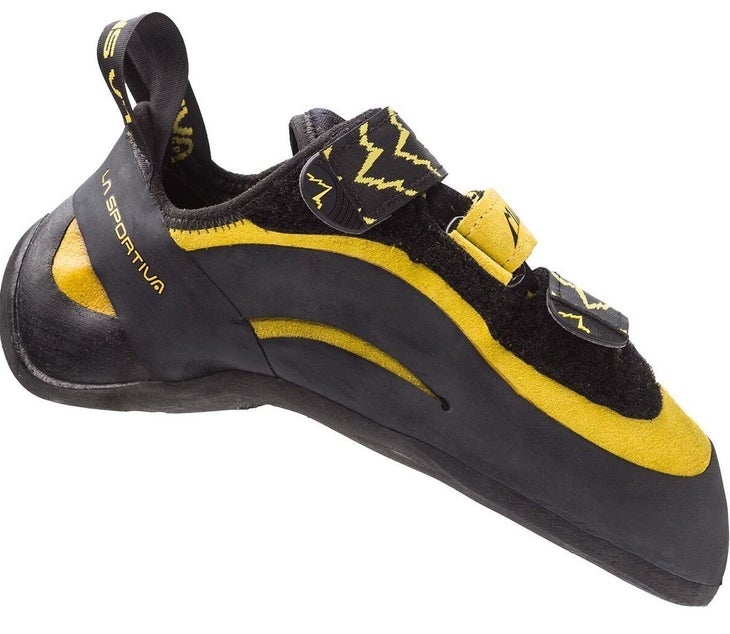
Credit: www.climbing.com
Choosing The Right Size
Picking the correct size is the first step to breaking in climbing shoes. Shoes that fit well will be easier to wear and perform better.
Climbing shoes should feel snug but not painfully tight. The right size helps protect your feet and improves your grip on the rock.
Try Shoes On At The End Of The Day
Your feet swell during the day. Trying shoes in the evening helps find a size that fits all day long.
Wearing climbing socks or the type of socks you plan to climb in gives a better fit test.
Check Toe Fit Carefully
Your toes should be slightly curled but not crushed. They need to touch the end of the shoe without pain.
If toes feel cramped or overlap, the shoes are too small. If toes slide forward, the shoes are too big.
Feel The Heel Fit
The heel should fit snugly without slipping. A loose heel can cause blisters and reduce control.
- Shoes that slip at the heel waste energy
- A tight heel improves precision on footholds
- Try walking and heel hooking in the shoes
Consider The Shoe Shape And Closure
Shoe shape affects comfort and fit. Some shapes fit wide feet, others fit narrow feet better.
Closures like laces, Velcro, or slip-ons also change how the shoe fits and feels during climbing.
- Laces allow precise fit adjustment
- Velcro is quick to put on and take off
- Slip-ons fit snugly but can be harder to adjust

Credit: chalkrebels.com
Wearing Shoes Around The House
Breaking in climbing shoes takes time and patience. Wearing them around the house helps stretch and shape the shoes gently.
This method is safe and comfortable. It lets your feet adjust to the shoes without harsh pressure from climbing.
Start With Clean Feet And Socks
Wear thin socks or no socks when breaking in climbing shoes. Clean feet reduce odors and keep shoes fresh.
Socks can help if the shoes feel too tight at first. They add a small layer between your skin and the shoe.
Wear Shoes For Short Periods
Put your climbing shoes on for 20 to 30 minutes. Walk around the house slowly to let the shoes stretch.
Do not wear shoes for too long at first. Gradually increase time as the shoes become more comfortable.
Move Your Feet And Toes Often
Flex your feet and wiggle your toes while wearing the shoes. This helps soften tight spots and molds the shoes.
Try standing on tiptoes and rotating your ankles slowly. These movements improve shoe fit before climbing.
Check For Discomfort And Adjust
Pay attention to any pain or pressure points. If the shoes hurt, take them off and rest your feet.
Adjust how tightly you lace or strap the shoes. Loosen them if the fit feels too tight during wear.
Use Socks To Stretch Tight Areas
Wear thick socks with your climbing shoes around the house. This helps stretch tight areas slowly.
- Put on thick socks
- Wear shoes over socks
- Walk gently for 20 minutes
- Remove shoes and socks
- Repeat if needed
Using Heat For Stretching
Climbing shoes often feel tight at first. Using heat helps soften the materials. This makes them stretch easier and fit better.
Heat can come from warm water or a hair dryer. Both methods make the shoe more flexible. This helps reduce discomfort while climbing.
Warm Water Soak
Soaking climbing shoes in warm water softens the leather or synthetic parts. This allows the shoes to stretch gently.
Use warm water, not hot, to avoid damage. Soak the shoes for about 5 to 10 minutes. Wear them wet to help them shape to your feet.
- Fill a basin with warm water (around 100°F or 38°C)
- Submerge shoes for 5 to 10 minutes
- Take shoes out and shake off excess water
- Wear shoes until dry to stretch them
Hair Dryer Technique
The hair dryer technique uses heat to soften shoe material in specific spots. This helps stretch tight areas more precisely.
Heat the tight parts for 20 to 30 seconds. Then, put on the shoes while warm and move your feet. This helps the shoe fit better.
- Put on thick socks for protection
- Use a hair dryer on medium heat
- Move the dryer around tight areas for 20-30 seconds
- Wear shoes while warm and flex your feet
- Repeat if needed for better comfort
Walking On Different Surfaces
Breaking in climbing shoes means getting used to how they feel on many surfaces. Walking on different grounds helps soften the shoe and improve comfort.
Each surface tests your shoes in a new way. This helps the material stretch and adapt to your foot shape faster.
Hard Floors
Start by walking on hard floors like wood or tile. These surfaces do not damage the shoes but help the soles flex gently.
Walk slowly and take short steps. This action warms the shoe material and begins to loosen it around your foot.
Carpeted Areas
Carpet is a soft surface that adds comfort while breaking in. It lets you walk longer without hurting your feet.
- Walk back and forth on carpet
- Try bending your feet to flex the shoe
- Wear the shoes for short periods indoors
Outdoor Pavement
Walking on pavement helps toughen the soles and shape the toe box. It is a firmer test than indoor surfaces.
Be careful not to overdo it. Start with short walks to avoid hurting your feet or damaging the shoe.
Rock And Gravel
Rock and gravel simulate real climbing conditions. This surface helps the shoes fit tightly and feel natural.
| Surface Type | Effect on Shoe | Tip |
| Hard Floors | Flexes sole gently | Walk slowly |
| Carpet | Softens interior | Wear indoors |
| Pavement | Toughens sole | Start with short walks |
| Rock and Gravel | Shapes fit closely | Use for short periods |
Climbing In Short Sessions
Breaking in climbing shoes takes time. Short climbing sessions help your feet adjust comfortably.
Wearing shoes for a long time at once can cause pain. Short sessions reduce discomfort and prevent injury.
Start With Light Use
Wear your climbing shoes for 15-20 minutes at first. This helps your feet get used to the tight fit.
Use this time to move around gently on easy routes. Avoid pushing too hard to prevent pain.
Increase Time Gradually
Add 5-10 minutes to each session as your shoes soften. Your feet will feel more comfortable over time.
Do not rush. If you feel pain, reduce the session length or take a break.
Use Shoes For Walking And Climbing
Wear your shoes not just for climbing but also for walking around. This helps soften the material evenly.
Walk carefully to avoid damage. This method shapes the shoes to your feet naturally.
Take Breaks Between Sessions
Rest your feet between short sessions. Let your skin recover to avoid blisters or soreness.
Use these breaks to check how your shoes feel. Adjust your session length if needed.
Listen To Your Feet
Pay attention to any pain or discomfort. Mild pressure is okay, but sharp pain means stop.
Breaking in shoes should not cause injury. Stop if you feel any damage or strong pain.
Utilizing Shoe Stretchers
Climbing shoes need to fit well but feel comfortable. Breaking them in with shoe stretchers helps make them fit better.
Shoe stretchers gently widen or lengthen shoes. This process reduces tight spots and improves comfort.
Selecting The Right Shoe Stretcher
Choose a shoe stretcher that fits climbing shoes. Some stretchers adjust width and length.
Wooden stretchers work well for leather shoes. Plastic ones suit synthetic materials.
- Pick stretchers sized for your shoe size
- Use stretchers with adjustable knobs
- Match material type to your shoe
Preparing Shoes Before Stretching
Clean your shoes before using stretchers. Remove dirt and moisture to avoid damage.
Slightly damp shoes stretch better. Use a spray bottle to moisten the tight areas.
- Clean shoes with a soft cloth
- Lightly spray areas to stretch
- Do not soak shoes fully
Using The Shoe Stretcher Properly
Insert the shoe stretcher carefully into the shoe. Turn the knobs slowly to expand it.
Stretch only a little each time. Overstretching can damage the shoe.
- Place the stretcher inside the shoe
- Turn knobs to widen or lengthen
- Leave stretcher in place for 6-8 hours
- Check the fit and repeat if needed
Caring For Shoes After Stretching
Remove the stretcher and try on your shoes. Walk around to test comfort and fit.
Apply shoe conditioner to keep leather soft. Store shoes in a dry place to maintain shape.
- Take out stretcher carefully
- Test shoe fit after stretching
- Use conditioner on leather shoes
- Keep shoes dry and clean
Moisture Application Methods
Breaking in climbing shoes can be easier with moisture. Moisture softens the material. This helps the shoes fit better.
Two common ways add moisture to shoes. Using a damp cloth and applying rubbing alcohol are safe options. These methods help stretch the shoes gently.
Using A Damp Cloth
A damp cloth adds light moisture to your climbing shoes. This makes the leather or fabric soft. It helps the shoes stretch in tight areas.
Wipe the inside and outside of the shoes gently. Do not soak the cloth too much. Too much water can damage the shoes.
- Use warm water for the cloth
- Wring out excess water before wiping
- Focus on tight or stiff spots
- Let shoes dry partially before wearing
Applying Rubbing Alcohol
Rubbing alcohol helps dry the shoes while softening material. It evaporates fast and opens shoe fibers. This allows the shoes to stretch more easily.
Use a spray bottle or cloth to apply rubbing alcohol. Avoid soaking the shoes. Apply a thin, even layer inside the shoes.
- Use 70% isopropyl rubbing alcohol
- Spray lightly or wipe with a cloth
- Focus on tight areas inside the shoe
- Wear the shoes after application for best fit
Frequent Use And Break-in Time
Climbing shoes need time to fit comfortably. New shoes often feel tight or stiff at first.
Using your shoes often helps them soften and mold to your feet. This process is called break-in.
Frequent Use
Wearing your climbing shoes regularly speeds up break-in. Try to use them for every climbing session.
Start with short climbs to avoid pain. The more you wear them, the more comfortable they become.
- Wear shoes during warm-ups and easy climbs
- Use them indoors and outdoors for variety
- Avoid wearing them too long at first
Break-in Time
Break-in time varies by shoe material and design. Leather shoes usually take longer to soften than synthetic ones.
Expect your shoes to take a few weeks of climbing to feel fully comfortable. Patience is key during this period.
- Leather shoes: 2-4 weeks break-in time
- Synthetic shoes: 1-2 weeks break-in time
- Shoes with thick rubber soles may feel stiff longer
Common Mistakes To Avoid
Breaking in climbing shoes is important for comfort and performance. Many climbers make errors that cause pain or damage the shoes.
This guide shows common mistakes to avoid during the break-in process. Avoid these to keep your feet happy and your shoes lasting longer.
Wearing Shoes Too Tight From The Start
Many climbers buy climbing shoes that feel very tight. This causes pain and slows the break-in. Shoes should fit snug but not hurt.
Skipping Short Indoor Sessions
Trying to break in shoes only during long climbs tires your feet. Short indoor sessions help shoes mold to your feet safely.
Ignoring Different Shoe Materials
Shoe materials stretch and soften at different rates. Leather stretches more than synthetic fabrics. Knowing your material helps set correct expectations.
- Leather shoes stretch up to 1 full size after use
- Synthetic shoes stretch less and keep shape longer
- Rubber parts rarely stretch but can soften slightly
Forcing Shoes With Heat Or Water
Some climbers use heat or soak shoes in water to speed break-in. This can ruin glue and damage shoe shape, reducing life span.
Not Using Socks Or Using Thick Socks
Wearing shoes without socks can cause blisters early on. Thick socks make shoes too tight. Use thin socks or special climbing socks.
Neglecting Proper Shoe Care
Failing to clean and dry shoes properly slows break-in and damages materials. Store shoes in a cool, dry place after use.
| Mistake | Effect | How to Avoid |
| Wearing shoes too tight | Foot pain and slow break-in | Choose snug but comfortable fit |
| Skipping short sessions | Foot fatigue and poor fit | Use short indoor climbs to break in |
| Forcing heat or water | Damage to glue and shape | Break in shoes naturally over time |
| Ignoring material differences | Wrong fit expectations | Know your shoe’s material type |
| Wrong sock use | Blisters or tightness | Wear thin or climbing-specific socks |
| Poor shoe care | Material damage | Clean and dry shoes after use |
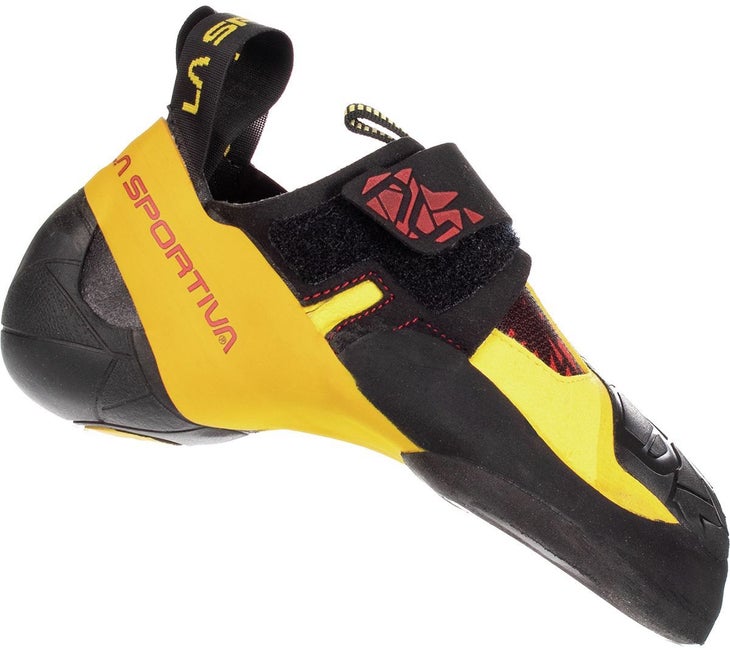
Credit: www.climbing.com
Frequently Asked Questions
How Long Does It Take To Break In Climbing Shoes?
Breaking in climbing shoes usually takes 1 to 2 weeks of regular use. The material softens and molds to your feet for better comfort and performance.
What Methods Speed Up Climbing Shoe Break-in?
Wearing shoes during light indoor climbs, using thick socks initially, and stretching them gently can speed up the break-in process safely.
Should Climbing Shoes Feel Tight When New?
Yes, climbing shoes often feel snug or tight at first. This ensures a precise fit that loosens as the shoes conform to your feet.
Can I Break In Climbing Shoes Without Climbing?
Yes, you can break in shoes by wearing them around the house or using a shoe stretcher to soften the material gradually.
Conclusion
Breaking in climbing shoes takes time and patience. Wear them a little each day to soften the material. Try climbing indoors or on easy routes first. Avoid forcing the shoes; comfort matters most. Stretch your feet gently to help adjust the fit.
Keep your shoes dry and clean to maintain them longer. Remember, well-fitted shoes improve your climbing experience. Enjoy the process and soon your shoes will feel just right. Keep practicing, and your feet will thank you.