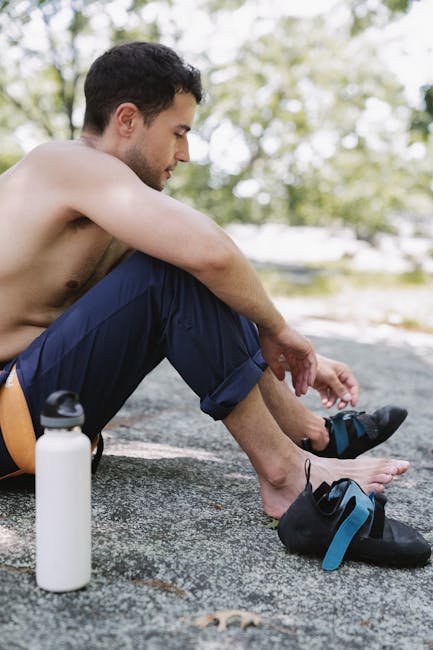
If you’ve just bought a new pair of climbing shoes, you probably know they don’t always feel perfect right away. Those tight spots and uncomfortable pressure can make you wonder if breaking them in is even worth the effort.
But here’s the thing: when you learn how to break in climbing shoes the right way, you unlock better grip, more comfort, and longer climbing sessions without pain. You’ll discover simple, effective tips that will help your shoes fit like a second skin.
Keep reading to make your climbing experience smoother and more enjoyable from your very first step.
Choosing The Right Fit
Picking climbing shoes that fit well is very important. Shoes that fit right help you climb better and stay comfortable.
Good fit means you can use your feet well without pain or slipping. Let’s look at how to find the right size and material.
Sizing For Performance And Comfort
Climbing shoes should be snug but not too tight. Shoes that are too loose will make climbing hard.
Choose a size that fits your foot shape. Your toes should feel curled but not hurt. Comfort is key for long climbs.
- Try shoes at the end of the day when feet are swollen
- Wear thin socks or no socks to test fit
- Check toe box space for slight toe curl
- Make sure heel fits tightly without pain
Material Types And Stretch Factors
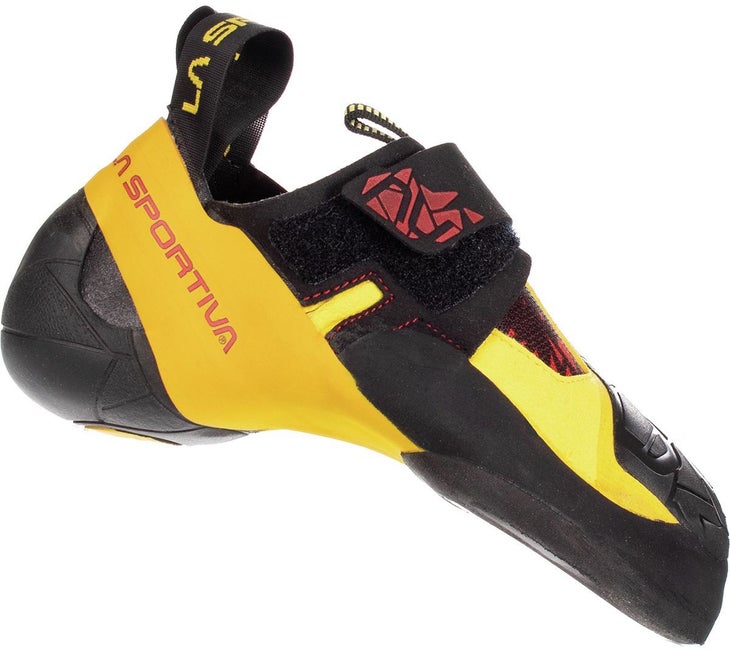
Climbing shoes come in leather and synthetic materials. Leather stretches more over time, synthetic less.
Knowing how much a material stretches helps you pick the right size. Leather shoes may feel tight at first but soften later.
- Leather:Stretches 5-10%, fits better after break-in
- Synthetic:Minimal stretch, choose a size closer to your foot
- Mixed materials:Stretch depends on leather amount
Credit: www.climbing.com
Initial Wearing Techniques
Breaking in climbing shoes is important for comfort and performance. New shoes are often stiff and tight.
Using the right techniques helps your feet adjust to the shoes. This reduces pain and improves fit.
Wearing Shoes At Home
Wear your climbing shoes at home for short periods. This lets the shoes start to mold to your feet.
Try wearing them while doing simple tasks. Avoid wearing shoes for too long to prevent soreness.
- Put on shoes for 15-30 minutes daily
- Walk around your house slowly
- Remove shoes if you feel strong pain
- Repeat for several days before climbing
Short Climbing Sessions
Start with short climbing sessions to break in shoes safely. Use easier routes to avoid extra pressure.
Keep sessions short, about 30 to 60 minutes. This helps your feet get used to the shoe shape and tightness.
- Choose easy routes or boulders
- Climb gently without forcing your feet
- Take breaks to check shoe comfort
- Increase climbing time slowly over days
Stretching Methods
Climbing shoes often feel tight at first. Stretching helps make them more comfortable.
There are simple ways to stretch your shoes safely. These methods help the shoes fit better.
Using Heat To Soften Materials
Heat can make shoe materials softer and easier to stretch. Warm shoes mold better to your feet.
Use a hairdryer to warm tight areas gently. Wear the shoes while warm to shape them to your foot.
- Set hairdryer to low or medium heat
- Warm shoes evenly, avoid high heat spots
- Wear shoes immediately after heating for best fit
- Repeat carefully to avoid damage
Targeted Stretching Tricks
Focus on tight spots by stretching only those areas. Use small tools or your hands for control.
Stuff shoes with soft materials to expand specific parts. This method avoids stretching the whole shoe.
- Use thick socks and wear shoes indoors
- Insert shoe stretchers for toe or width areas
- Fill shoes with wet newspaper to stretch tight spots
- Stretch gradually to prevent shoe damage
Preventing Common Issues
Breaking in climbing shoes can be uncomfortable at first. You might face problems like blisters or misshaped shoes.
Taking care of your shoes while breaking them in helps avoid these issues. It makes your climbing experience better.
Avoiding Blisters And Pain
Blisters and pain happen when shoes rub against your skin too much. Wearing thick socks can help reduce friction.
Try wearing your climbing shoes for short times at first. This helps your feet get used to the fit slowly.
- Wear clean, thin or padded socks while breaking in
- Use blister pads on spots that feel sore
- Loosen laces or straps if feet feel too tight
- Take breaks to rest your feet during use
Maintaining Shoe Shape
Keep your climbing shoes in good shape by storing them properly. Avoid leaving them in hot or wet places.
Use shoe trees or stuff shoes with paper to keep their shape when not in use. This stops them from bending or shrinking.
- Store shoes in a cool, dry place
- Use shoe trees or stuff with paper inside
- Keep shoes away from direct sunlight
- Clean shoes regularly to avoid damage
Advanced Break-in Strategies
Breaking in climbing shoes takes time and patience. Advanced climbers use specific methods to speed up comfort. These strategies focus on how you climb and adjust your shoes.
Properly broken-in shoes fit better and improve your climbing performance. Use these tips to make your shoes feel right sooner without damage.
Climbing Specific Routes
Choose routes that help stretch and shape your shoes gently. Use easier climbs with varied holds to flex your shoes evenly. Avoid sharp edges that can damage soft shoes.
- Start on slab or vertical walls with smooth holds.
- Use routes that require heel hooks and toe edges.
- Focus on climbs with different moves to flex all shoe parts.
- Spend extra time on tricky foot placements to mold fit.
Adjusting Lacing And Closure
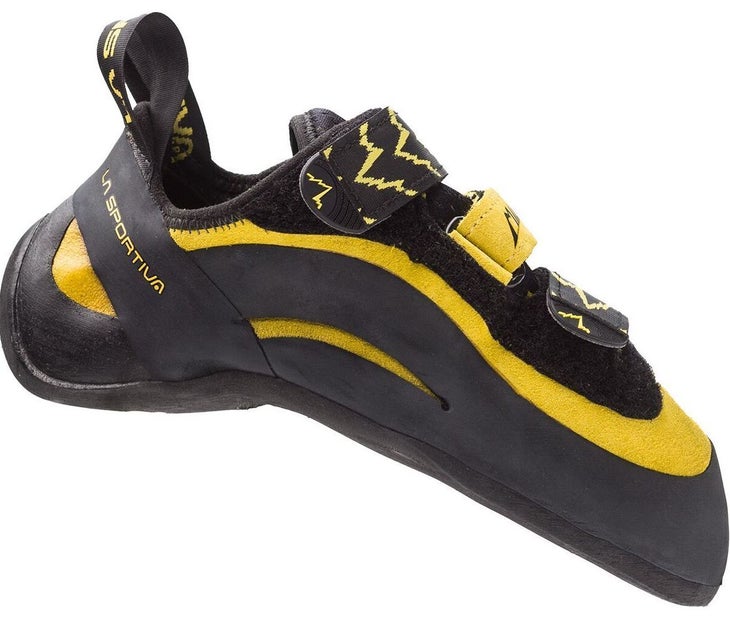
Fine-tuning laces or closures shapes the shoe to your foot. Adjust tightness in stages to avoid pain and allow gradual stretching.
| Closure Type | Adjustment Tips |
| Velcro Straps | Loosen straps during warm-up, tighten for technical moves. |
| Laces | Start loose at toes, tighten midfoot and ankle for support. |
| Slip-On | Wear thin socks first, then switch to barefoot for fit. |

Credit: www.reddit.com
Care And Maintenance Tips
Breaking in climbing shoes needs patience and care. Proper maintenance keeps shoes comfortable and long-lasting.
Clean and store your shoes right to avoid damage. This helps keep their shape and grip strong.
Cleaning Without Damage
Clean climbing shoes after each use. Dirt and sweat can weaken the material if left on.
Use a soft brush or cloth to remove dirt. Avoid harsh chemicals that can ruin the shoes.
- Wipe inside with a damp cloth to remove sweat.
- Use mild soap and water for stubborn dirt.
- Never soak shoes in water.
- Air dry away from direct sunlight or heat.
Storing For Longevity
Store climbing shoes in a cool, dry place. Avoid damp or hot areas that can harm materials.
Keep shoes away from sharp objects and heavy items. This helps keep their shape and prevents damage.
- Use a shoe bag or box for protection.
- Remove insoles to air out after use.
- Do not crush or fold shoes during storage.
- Check shoes regularly for wear or damage.
Credit: www.climbing.com
Frequently Asked Questions
How Long Does It Take To Break In Climbing Shoes?
Breaking in climbing shoes typically takes 1 to 2 weeks of regular use. The duration depends on shoe material and fit. Leather shoes usually stretch more, while synthetic ones take longer. Consistent climbing helps mold the shoes to your feet for comfort and performance.
What Are The Best Methods To Soften Climbing Shoes?
To soften climbing shoes, wear them around the house and during easy climbs. You can also use a shoe stretcher or gently heat them to loosen materials. Avoid harsh methods like soaking or microwaving, as they can damage the shoes.
How Tight Should Climbing Shoes Be When Breaking In?
Climbing shoes should fit snugly but not cause severe pain. A tight fit improves precision but must allow some comfort to avoid injury. During break-in, expect minor discomfort that reduces as the shoes mold to your feet.
Can Breaking In Climbing Shoes Improve Climbing Performance?
Yes, well-broken-in shoes enhance foot sensitivity and grip. They conform to your foot shape, allowing better control on holds. Comfortable shoes reduce distractions, letting you focus fully on climbing technique and improving overall performance.
Conclusion
Breaking in climbing shoes takes patience and care. Wear them for short periods first. Stretch and flex your feet gently inside the shoes. Avoid forcing them to fit right away. Over time, the shoes will shape to your feet. This makes climbing more comfortable and safe.
Remember, a good fit helps improve your grip and control. Keep practicing with your shoes to build confidence. Soon, you will enjoy climbing without pain or blisters. Stay consistent and listen to your feet’s signals. Comfortable shoes lead to better climbs and more fun.