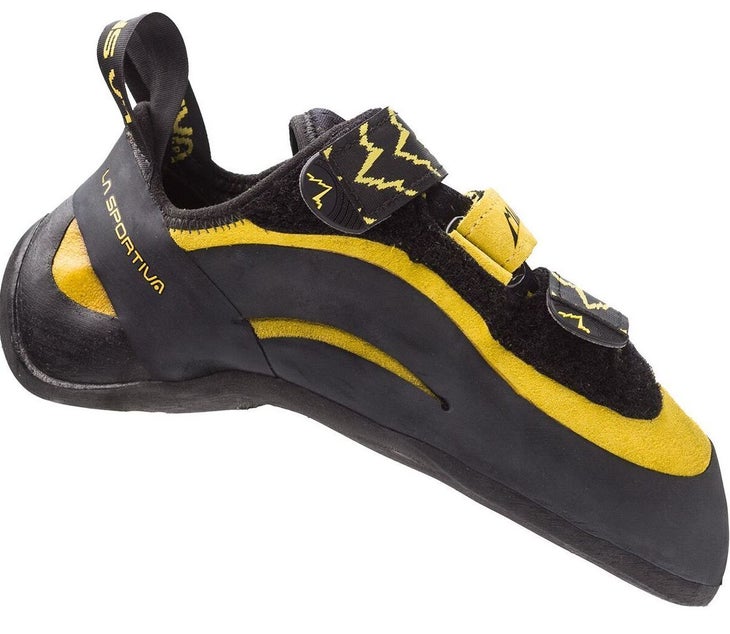
Getting your climbing shoes to feel just right can make a huge difference in your climbing experience. If your shoes feel tight, stiff, or uncomfortable, don’t worry—you’re not alone.
You want your shoes to fit snugly but not hurt, giving you the perfect balance of support and flexibility. In this guide, you’ll discover simple, effective ways to break in your climbing shoes quickly and safely. By the end, you’ll know exactly how to turn those stiff shoes into a second skin that helps you climb better and enjoy every move.
Ready to step up your climbing game? Let’s dive in.

Credit: gearjunkie.com
Choosing The Right Shoes
Picking the right climbing shoes is key to a good climbing experience. Shoes that fit well help you climb better and feel comfortable.
This guide will help you find shoes that match your feet and climbing style. Start by knowing what to look for in size, type, and material.
Sizing Tips
Climbing shoes should fit snugly but not hurt your feet. Your toes may feel slightly curled, but not painful.
Try shoes on at the end of the day when your feet are bigger. Wear thin socks or go barefoot to get a true fit.
- Measure your foot length and width before trying shoes
- Test shoes with your climbing socks or barefoot
- Walk around to check for tight spots or pain
- Remember that shoes stretch a little after use
Types Of Climbing Shoes
There are three main types of climbing shoes: neutral, moderate, and aggressive. Each type suits different climbing styles.
Neutral shoes have a relaxed fit and are good for beginners. Moderate shoes have some curve for better grip. Aggressive shoes are very curved for difficult climbs.
- Neutral:Comfortable for long climbs and beginners
- Moderate:Balanced for sport and trad climbing
- Aggressive:Tight and curved for steep climbs
Materials And Fit
Climbing shoes come in leather or synthetic materials. Leather stretches more and molds to your feet over time.
Synthetic shoes keep their shape but may feel tighter. Consider your foot shape and how much stretch you want.
- Leather:Soft, stretches with wear
- Synthetic:Stiff, keeps original fit
- Lacing:Adjusts fit well for uneven feet
- Velcro:Easy to put on and take off
- Slip-on:Light but less adjustable

Credit: www.reddit.com
Initial Wearing Techniques
Breaking into climbing shoes is important for comfort and performance. New shoes feel tight at first. Taking time to wear them right helps shape the shoes to your feet.
This guide covers the best ways to start wearing climbing shoes. It focuses on two main ideas: wearing shoes at home and a gradual break-in process.
Wearing Shoes At Home
Wearing climbing shoes at home is a safe way to get used to their fit. It helps soften the material without stress from climbing. Wear them for short periods while doing light activities.
- Put the shoes on for 20 to 30 minutes each day.
- Wear them while walking around or standing.
- Avoid long periods to prevent foot pain or blisters.
- Take the shoes off if you feel discomfort or numbness.
- Use clean socks if the shoes allow for it.
Gradual Break-in Process
The break-in process helps your shoes fit better over time. Start slow and increase wear as the shoes stretch and soften.
| Time Wearing | Effect on Shoes | Recommended Action |
| First 3 days | Material stiff, tight fit | Wear at home, short periods |
| 4 to 7 days | Shoes start to soften | Increase wear time, try light climbing |
| After 1 week | More comfortable fit | Wear during climbing, adjust as needed |
Stretching And Softening
Breaking into climbing shoes can feel tight and uncomfortable. Stretching and softening them makes a big difference.
Here, you’ll learn how to use heat and manual methods to help your shoes fit better.
Using Heat To Soften
Heat can help soften climbing shoes. Use a hairdryer to warm them up.
Make sure the heat is not too high. Move the dryer around to avoid damage.
- Wear thick socks
- Warm shoes with a dryer for a few minutes
- Walk around to stretch them
Manual Stretching Methods
Manual stretching can help loosen tight spots. Use your hands to bend and flex the shoe.
Focus on the areas that pinch. Be gentle to avoid tearing the material.
- Bend the toe area gently
- Press the heel to loosen it
- Flex the sides to widen them
Dealing With Discomfort
Climbing shoes often feel tight and uncomfortable at first. Breaking them in takes time and care. You must learn how to handle pain and avoid injury.
This guide helps you spot problem areas and fix the fit safely. Use these tips to ease discomfort and enjoy climbing more.
Identifying Pain Points
Know where your climbing shoes cause pain. This helps you adjust them correctly. Common pain points include toes, heels, and sides of the foot.
- Toes: Sharp pain or numbness shows tight toe box.
- Heels: Slipping or bruising means poor heel cup fit.
- Sides: Pressure or blisters suggest narrow width.
- Top foot: Pain means laces or straps are too tight.
Adjusting Fit Without Damage
Fix the fit carefully. Do not force shoes or stretch them with heat. Follow gentle steps to ease tight spots and avoid damage.
| Method | How to Do It | Notes |
| Wear with thick socks | Put on shoes with thick socks for 30 minutes | Softens material |
| Use shoe stretchers | Insert stretchers in tight areas for a few hours | Gently widens shoes |
| Walk indoors | Wear shoes inside for short periods | Helps shape to feet |
| Adjust laces | Loosen laces where pain occurs | Reduces pressure |
| Consult a specialist | Visit a shoe fitter for custom advice | Best for severe fit issues |
Maintaining Shoe Performance
Climbing shoes need regular care to stay effective. Proper maintenance helps keep their fit and grip strong.
Cleaning and timely replacement are key to keeping your shoes reliable on every climb.
Cleaning And Care
Keep climbing shoes clean to extend their life. Dirt and sweat can damage the material and reduce grip.
- Remove dirt with a soft brush after each use.
- Wipe inside with a damp cloth to reduce odor.
- Air dry shoes away from direct sunlight or heat sources.
- Avoid machine washing or soaking the shoes.
- Use shoe deodorizers or baking soda to keep them fresh.
When To Replace Shoes
Climbing shoes lose performance over time. Knowing when to replace them keeps your climbing safe and efficient.
| Sign | Reason to Replace |
| Worn-out rubber soles | Reduces grip and control |
| Loose or torn uppers | Causes poor fit and discomfort |
| Stretched or damaged closure system | Leads to unstable foot positioning |
| Persistent bad odor or mold | Hygiene and material breakdown |
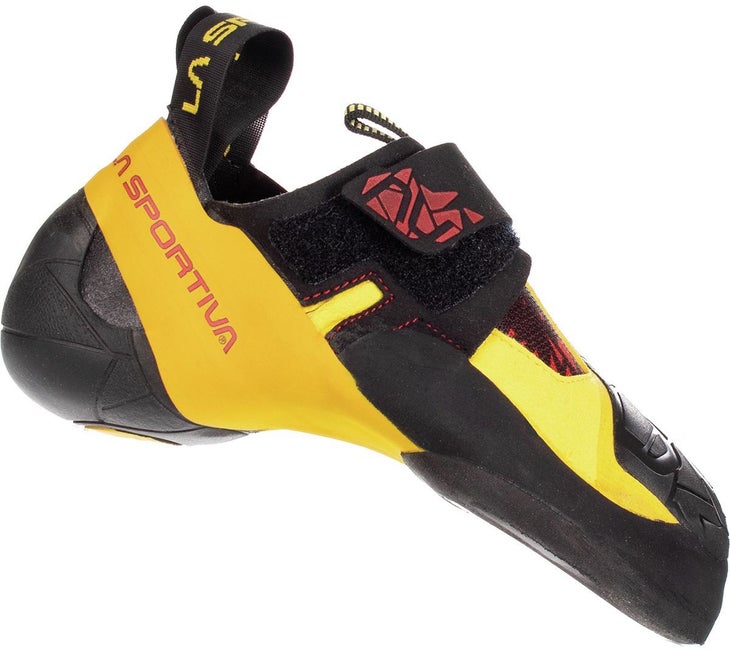
Credit: www.climbing.com
Frequently Asked Questions
How Long Does It Take To Break In Climbing Shoes?
Breaking in climbing shoes usually takes 1 to 2 weeks of regular use. This period allows the material to soften and mold to your feet. Consistent wear during climbing sessions speeds up comfort and performance improvements.
What Are The Best Methods To Break In Climbing Shoes?
Wear your climbing shoes around the house and during easy climbs. Using socks initially can reduce discomfort. Gradually increase climbing intensity to help the shoe conform to your foot shape.
Should Climbing Shoes Feel Tight When New?
Yes, climbing shoes should feel snug but not painfully tight. A close fit improves precision and control. Avoid shoes that cause sharp pain or restrict blood flow to prevent injury.
Can Soaking Climbing Shoes Help Break Them In Faster?
Soaking climbing shoes in water is generally not recommended. It can damage shoe materials and affect performance. Instead, break them in naturally with regular use for better durability.
Conclusion
Breaking into climbing shoes takes time and patience. Wear them at home first. Move around to soften the material. Avoid rushing to climb in new shoes. A good fit feels snug, not painful. Small steps make your shoes comfortable. Soon, you’ll enjoy better grip and support.
Keep caring for your shoes well. Happy climbing starts with happy feet!