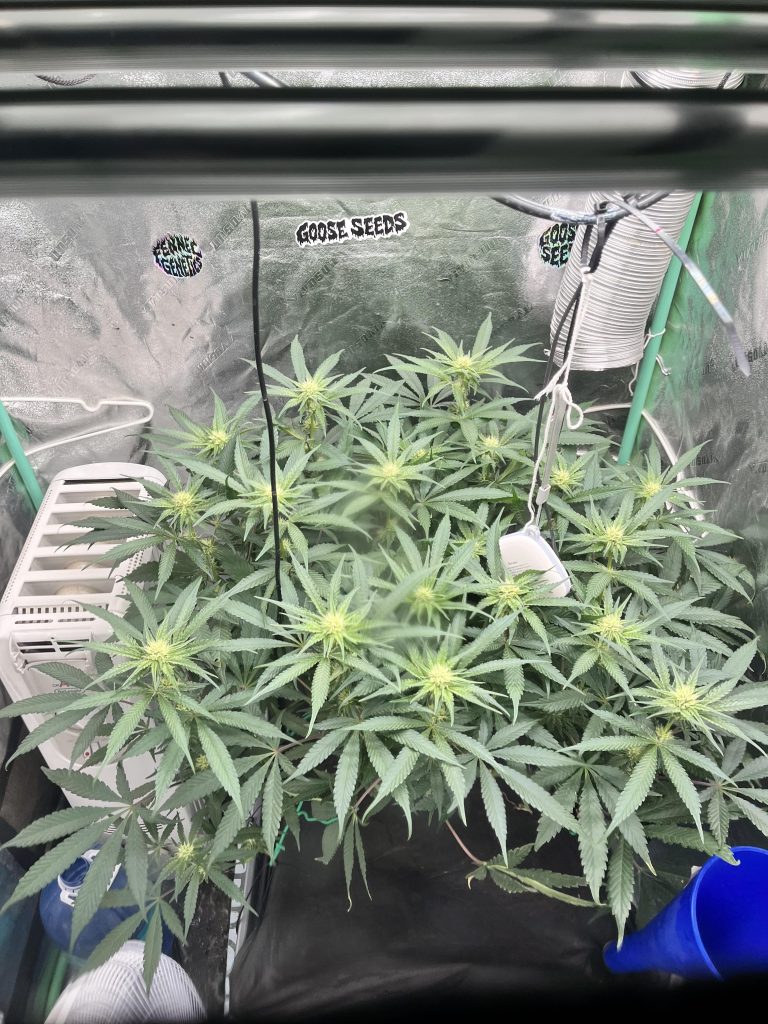
Is your grow tent feeling too damp? High humidity can slow down your plants’ growth and invite unwanted mold or pests.
You want a healthy, thriving garden, but managing moisture inside a small space can be tricky. Don’t worry—this guide will show you simple, effective ways to bring humidity down in your grow tent. By the end, you’ll have the tools to keep your plants happy and your environment just right.
Keep reading to discover how easy it can be to control humidity and boost your garden’s success.
Causes Of High Humidity
High humidity in a grow tent can harm your plants. It makes the environment wet and sticky.
Knowing what causes high humidity helps you fix it quickly. This keeps plants healthy and growing well.
Watering Practices
Overwatering adds too much moisture to the tent. Water left on soil or pots raises humidity.
Water spills and wet surfaces evaporate water into the air. This makes the tent very humid.
- Water plants only when needed
- Avoid water pooling on the floor
- Use well-draining soil to reduce excess moisture
Plant Transpiration
Plants release water vapor through leaves. This natural process adds moisture to the air.
Larger or many plants create more humidity by transpiring water. This raises humidity levels.
- Keep fewer plants in a small tent
- Choose plants with lower water needs
- Monitor humidity during peak transpiration times
Ventilation Issues
Poor airflow traps moist air inside the tent. This causes humidity to build up over time.
Blocked or no fans reduce fresh air exchange. This lets humidity levels rise quickly.
- Use intake and exhaust fans for airflow
- Keep vents open to allow air exchange
- Check fans regularly to ensure they work well
Environmental Factors
External weather affects humidity inside the tent. Hot and wet weather raises indoor moisture.
Indoor temperature and humidity also impact the tent’s air. Warm air holds more moisture.
- Place the tent in a dry, cool room
- Avoid tents near water sources or damp walls
- Use a dehumidifier if the room is very humid

Credit: www.reddit.com
Monitoring Humidity Levels
Keeping the humidity at the right level is key in a grow tent. Too much moisture can harm your plants. You must watch humidity closely to keep plants healthy.
Good monitoring tools help you know when to act. This guide covers how to pick the right tools and set the best humidity range.
Choosing The Right Hygrometer
A hygrometer measures the moisture in the air. Picking the right one helps you track humidity well. Look for accuracy and ease of use.
- Digital hygrometers give quick, clear readings.
- Analog types do not need batteries but can be less precise.
- Some models show both temperature and humidity.
- Wireless options let you check levels from outside the tent.
Setting Ideal Humidity Range
Plants need different humidity levels at each growth stage. Too low or too high can slow growth or cause disease.
| Growth Stage | Ideal Humidity Range (%) |
| Seedling | 65 – 70 |
| Vegetative | 40 – 60 |
| Flowering | 40 – 50 |
Improving Air Circulation
High humidity in a grow tent can harm plants. Good air circulation helps reduce moisture.
Moving air removes dampness and keeps the environment healthy for plants.
Using Exhaust Fans
Exhaust fans pull humid air out of the grow tent. This lowers the moisture level quickly.
Place the fan near the top because warm, moist air rises. This helps remove humidity efficiently.
- Choose a fan size that fits your tent.
- Run the fan continuously for best results.
- Check and clean fan filters regularly.
Adding Oscillating Fans
Oscillating fans move air inside the tent. This prevents moisture from settling on plants and walls.
They help dry wet spots and improve evaporation. This keeps humidity levels steady.
- Place fans at plant level for best air flow.
- Use multiple fans to cover larger tents.
- Avoid pointing fans directly at plants to prevent damage.
Positioning Air Vents
Air vents allow fresh air to enter and moist air to leave. Correct vent placement improves air flow.
Put intake vents low and exhaust vents high. This uses natural air movement to reduce humidity.
- Keep vents clear of blockages.
- Adjust vents based on outdoor weather.
- Use mesh screens to keep pests out.
Dehumidification Methods
High humidity in a grow tent can harm your plants. It can cause mold, mildew, and slow growth. Controlling moisture is very important.
There are several ways to reduce humidity. You can use tools or natural materials to keep the air dry. Here are some common methods.
Portable Dehumidifiers
Portable dehumidifiers are small machines that remove moisture from the air. They work well inside grow tents to keep humidity low.
These devices use a fan to pull air in. The air passes over cold coils, which cause water to condense and collect in a tank. The dry air then flows back out.
- Easy to use and move around
- Have a water tank to empty regularly
- Require electricity to run
- Work best in medium to large tents
Desiccant Packs
Desiccant packs absorb moisture from the air. They are small bags filled with materials like silica gel or clay.
Place these packs inside the grow tent to lower humidity naturally. They do not need power and are quiet.
- Good for small tents or closets
- Need replacement after they get full
- Safe and easy to handle
- Cost-effective for small spaces
Diy Dehumidifiers
You can make simple dehumidifiers at home with common materials. These DIY options can help reduce moisture without machines.
For example, use charcoal briquettes or rock salt in a container with holes. These materials absorb water from the air naturally.
- Use a container with holes for airflow
- Replace the absorbing material when wet
- Cheap and easy to set up
- Works best in small spaces
Adjusting Watering Techniques
High humidity in a grow tent can cause plant problems. Changing how you water can help lower humidity.
Careful watering controls moisture levels in the tent air. This keeps plants healthy and prevents mold.
Watering Frequency
Water plants less often to reduce humidity. Overwatering adds extra moisture to the air.
Check soil before watering. Only water when soil feels dry about an inch deep.
- Water early in the day to let plants dry
- Avoid daily watering unless soil dries quickly
- Use a moisture meter to know when to water
Drainage And Runoff Control
Good drainage stops water from pooling. Pooled water raises humidity inside the tent.
Use pots with holes and trays to catch runoff. Empty trays often to prevent water buildup.
- Choose pots with proper drainage holes
- Place trays under pots to catch excess water
- Remove standing water from trays quickly
- Use well-draining soil to avoid soggy roots

Credit: www.reddit.com
Temperature Control
Controlling temperature is key to lowering humidity in a grow tent. Warm air holds more moisture, so managing heat helps reduce humidity levels. Proper temperature control keeps plants healthy and prevents mold growth.
You can adjust temperature with tools like heaters and coolers. This lets you create a balanced environment for your plants to thrive.
Maintaining Optimal Temperatures
Keep the grow tent temperature between 70°F and 80°F during the day. At night, aim for a drop of 5°F to 10°F. This range helps control humidity naturally.
- Use a reliable thermometer to monitor temperatures.
- Ventilate the tent well to remove warm, moist air.
- Avoid letting temperatures rise above 85°F as this raises humidity.
- Keep temperatures steady to avoid stress on plants.
Using Heaters And Coolers
Heaters raise the temperature and reduce humidity by warming the air. Coolers do the opposite by lowering heat and removing moisture.
| Device | Effect on Temperature | Effect on Humidity |
| Heater | Increases | Decreases |
| Air Conditioner | Decreases | Decreases |
| Evaporative Cooler | Decreases | Increases |
| Dehumidifier | Neutral | Decreases |
Plant Management
Managing your plants well helps control humidity in a grow tent. Plants release moisture through transpiration. Reducing this moisture lowers humidity levels.
Good plant care also improves airflow and keeps your tent environment healthy for growth.
Choosing Low-transpiration Plants
Some plants release less water vapor than others. Choosing these plants keeps humidity lower in your grow tent.
Succulents and cacti are examples of low-transpiration plants. They use less water and add less moisture to the air.
- Succulents
- Cacti
- Snake plants
- Aloe vera
- Zamioculcas (ZZ plant)
Pruning For Better Airflow
Pruning removes extra leaves and branches that block air movement. This helps air flow better around your plants.
Good airflow reduces moisture buildup and lowers humidity. It also prevents mold and fungus growth.
- Remove dead or yellow leaves
- Trim dense growth areas
- Keep plants spaced apart
- Cut lower leaves near the soil
- Thin out crowded branches
Sealing And Insulation Tips
Controlling humidity inside a grow tent is very important. Sealing and insulating the tent helps keep moisture levels low. This guide explains how to fix leaks and use vapor barriers effectively.
Proper sealing stops humid air from entering or escaping. Insulation slows down temperature changes that cause condensation. Both reduce excess humidity inside your grow tent.
Fixing Leaks
Leaks are common sources of unwanted humidity. They allow moist air to enter the grow tent or let dry air escape. Finding and sealing leaks will improve your tent’s humidity control.
- Inspect all seams and corners for holes or gaps.
- Check zippers and windows for proper closure.
- Use waterproof tape to cover small holes.
- Replace damaged parts like torn fabric or broken seals.
- Seal cable or duct entry points tightly.
Regularly check these areas to keep your grow tent airtight. A well-sealed tent stops humid air from entering and lowers overall moisture.
Using Vapor Barriers
Vapor barriers block moisture from passing through walls or floors. Installing them inside your grow tent can reduce humidity caused by condensation or soil evaporation.
| Type of Vapor Barrier | Best Use | Material |
| Plastic Sheeting | Floor covering | Polyethylene |
| Foil Insulation | Wall lining | Aluminum foil laminated |
| Reflective Barriers | Combined insulation and vapor control | Foil with foam or bubble wrap |
Place the vapor barrier on the warm side of insulation. This prevents moisture from reaching cold surfaces where it can condense. Seal edges with tape for best results.

Credit: www.reddit.com
Frequently Asked Questions
How Can I Reduce Humidity In My Grow Tent?
To reduce humidity, ensure proper ventilation by using exhaust fans. Consider using a dehumidifier for more control. Keep the tent clean and avoid overwatering your plants. Using silica gel packets can also help absorb excess moisture.
What Is The Ideal Humidity Level For A Grow Tent?
The ideal humidity level varies by plant stage. Generally, aim for 40-60% during the vegetative stage. For flowering plants, maintain humidity around 40-50%. Monitoring and adjusting humidity levels ensure healthy plant growth and prevents mold.
Can Too Much Humidity Harm Plants In A Grow Tent?
Yes, excessive humidity can lead to mold, mildew, and plant diseases. High humidity can also slow plant growth and affect yields. Ensure proper airflow and monitor humidity levels regularly to prevent these issues and maintain plant health.
What Equipment Helps Control Humidity In A Grow Tent?
To control humidity, use exhaust fans, dehumidifiers, and hygrometers. Exhaust fans improve airflow and reduce moisture. Dehumidifiers actively remove excess moisture, while hygrometers help monitor humidity levels. Combining these tools ensures optimal humidity for plant growth.
Conclusion
Controlling humidity in your grow tent keeps plants healthy and strong. Use fans and dehumidifiers to lower moisture levels. Check your tent often to catch problems early. Proper ventilation helps fresh air flow inside. Avoid overwatering to reduce extra humidity.
These steps create a better space for plant growth. Small changes make a big difference. Stay consistent and watch your plants thrive.