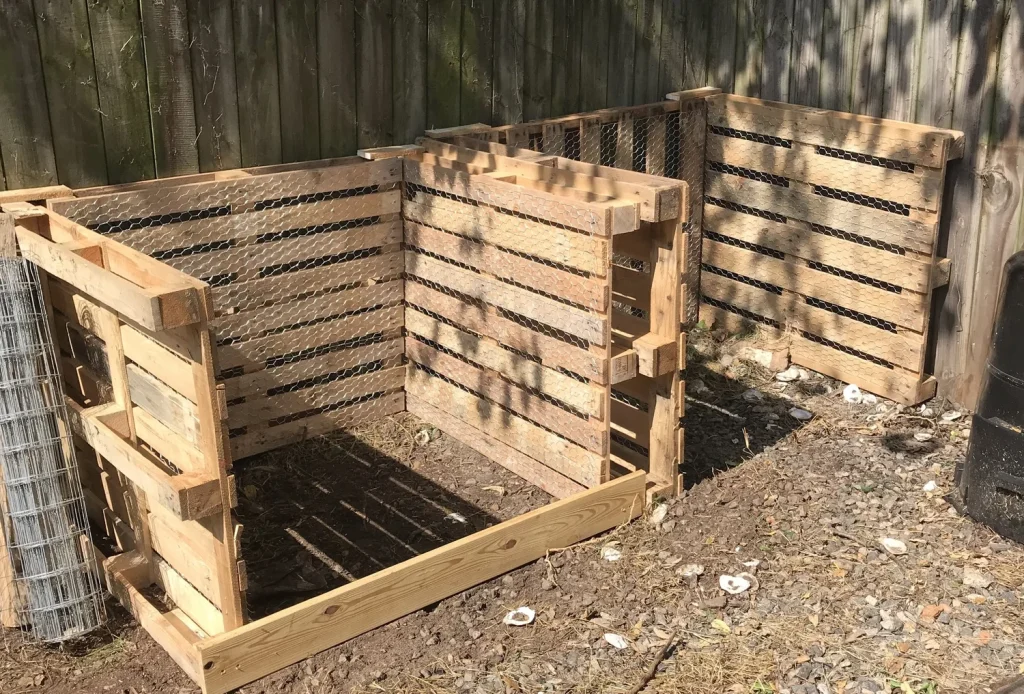
Are you ready to turn your kitchen scraps and yard waste into rich, healthy soil? Building a compost bin out of pallets is one of the easiest and most affordable ways to do just that.
Imagine reducing your trash, helping your garden grow, and saving money—all with a simple DIY project you can finish in a few hours. In this guide, you’ll discover step-by-step how to create your own sturdy compost bin using pallets. Keep reading, and you’ll be surprised how simple it is to make a powerful tool that benefits both your garden and the planet.
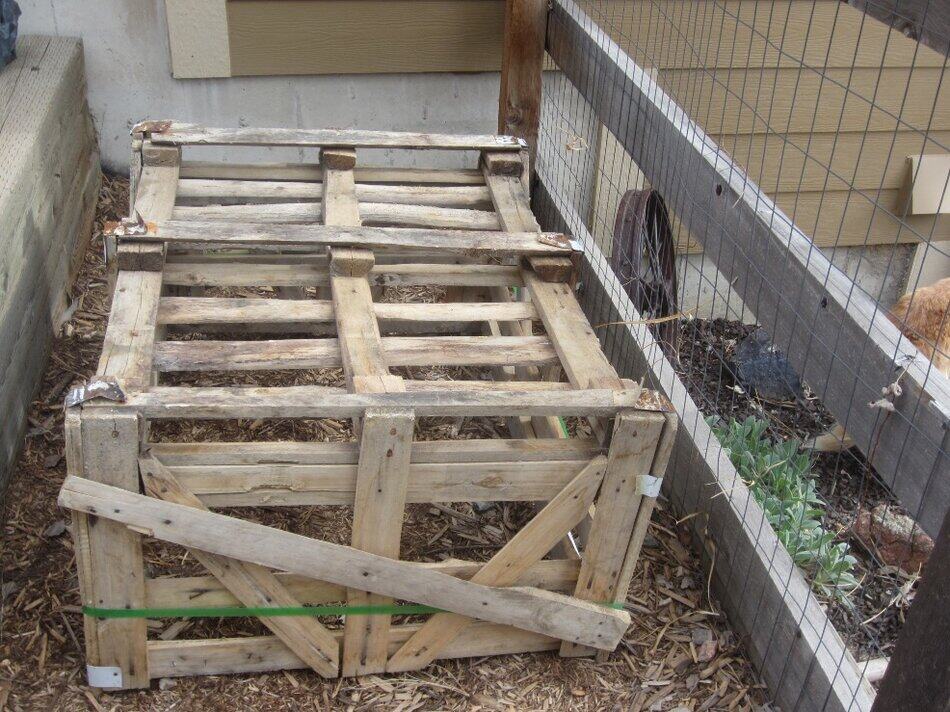
Credit: homefixated.com
Choosing The Right Pallets
Building a compost bin with pallets is a smart way to recycle wood. Choosing the right pallets makes your bin strong and safe.
Not all pallets work well for compost bins. You need to pick ones that are clean and sturdy.
Types Of Pallets To Use
Wood pallets are the best choice for compost bins. They let air flow and hold up well outside.
Avoid pallets made from plastic or metal. These do not break down and can trap moisture.
- Heat-treated wooden pallets are safe and strong
- Untreated wood pallets work but may have bugs
- Plastic pallets do not breathe well
- Metal pallets can rust and are hard to handle
Checking Pallet Safety
Check pallets for chemicals or damage before using them. Some pallets carry harmful substances.
Look for stamps or marks on the pallets. They tell you if the pallet is safe for gardening.
- HT means heat-treated and safe to use
- MB means treated with methyl bromide, avoid these
- Avoid pallets with paint, stains, or smells
- Check for broken boards or loose nails
Where To Find Free Pallets
You can find free pallets at local stores or warehouses. Many places give them away to recycle.
Ask permission before taking pallets. Some businesses keep them for shipping.
- Home improvement stores often have extra pallets
- Furniture shops may have sturdy wooden pallets
- Factories and warehouses usually recycle pallets
- Check online marketplaces for free pallet listings
Tools And Materials Needed
Building a compost bin from pallets is a simple way to recycle wood and create rich soil. You need some basic tools and materials to start the project. This guide explains what you need before you begin.
Having the right equipment helps you work faster and safer. Prepare your tools and materials carefully for best results.
Basic Tools For Assembly
You will need common tools to take apart the pallets and put the compost bin together. These tools help you cut, join, and secure the wood pieces.
- Hammer or mallet to remove nails and join wood
- Hand saw or circular saw to cut pallets to size
- Screwdriver or drill for driving screws
- Measuring tape to measure wood pieces accurately
- Level to keep the bin even and straight
- Pliers to pull out nails or hold small parts
Additional Materials
Besides pallets, you need a few extra items to make the compost bin strong and functional. These materials help hold the bin together and allow air flow.
- Wood screws or nails to fasten pallet boards
- Hinges if you want a door on the bin
- Wire mesh or chicken wire to cover gaps and keep pests out
- Sandpaper to smooth rough pallet edges
- Wood sealant or paint to protect the wood from weather
Safety Gear
Safety gear protects you from injuries while working with wood and tools. Always wear the right gear to stay safe.
- Work gloves to protect your hands from splinters and nails
- Safety glasses to shield your eyes from dust and flying debris
- Dust mask to avoid inhaling sawdust
- Closed-toe shoes to protect your feet
Preparing The Pallets
Building a compost bin from pallets needs careful preparation. This step helps your bin last longer and work better.
Start by cleaning, cutting, and removing parts you don’t need. This makes the pallets safe and ready for use.
Cleaning And Sanding
Remove dirt, dust, and any old paint from the pallets. Clean pallets help keep your compost healthy.
After cleaning, sand rough spots to avoid splinters. Smooth surfaces are safer to handle and look better.
- Use a brush to remove loose dirt
- Wash pallets with water and mild soap
- Let pallets dry completely before sanding
- Use medium-grit sandpaper to smooth wood
- Wear gloves and a mask while sanding
Cutting To Size
Measure your compost bin space before cutting pallets. Cut pallets to the right size for your design.
Use a saw to make clean cuts. Proper size helps your bin fit well and stay stable.
- Mark the wood where you want to cut
- Use a hand saw or power saw carefully
- Cut slowly to avoid splintering
- Check all pieces fit together before assembly
Removing Unwanted Parts
Take off nails, staples, and broken wood from pallets. These parts can be unsafe or stop your bin from closing well.
Check for any chemicals or paint that might harm your compost. Remove or avoid pallets with harmful substances.
- Pull out nails and staples with pliers
- Remove loose or damaged boards
- Inspect pallets for chemical stamps or paint
- Choose clean, untreated pallets for compost bins
Assembling The Compost Bin
Building a compost bin from pallets is easy and eco-friendly. Follow these steps to assemble your own bin.
This guide will help you create a sturdy compost bin using readily available pallets. Let’s start with the base and work our way up.
Setting Up The Base
The base is crucial for stability. Choose a flat, well-drained spot in your yard.
Lay two pallets on the ground. They should be parallel to each other, forming a solid foundation.
- Make sure the pallets are level.
- Remove any protruding nails.
- Position the pallets close together.
Joining The Sides
Now, attach the sides. You’ll need two more pallets for this step.
Stand each pallet on its edge at the ends of the base. Secure them with nails or screws.
- Align the pallets vertically.
- Use a hammer or drill for fastening.
- Check that the sides are steady.
Securing The Structure
For a sturdy compost bin, the structure must be secure. Add the final pallet as the back of the bin.
Attach the back pallet to the sides, ensuring all corners are tight. Use extra nails or screws for strength.
- Check each corner for stability.
- Reinforce weak spots with more nails.
- Ensure the bin is upright and square.
Choosing The Bin Location
Picking the right place for your compost bin is key for success. The location affects how well the compost breaks down. It also makes your work easier.
Think about sunlight, ground type, and how easy it is to reach. These factors help your compost stay healthy and active.
Ideal Sunlight And Shade
Your compost bin needs some sunlight but not too much. Too much sun can dry out the compost. Too little sun slows the process.
- Choose a spot with morning sun and afternoon shade
- Avoid full sun all day long
- Partial shade helps keep moisture balanced
- Keep the bin away from very shady spots
Ground Preparation
Prepare the ground before placing the bin. Good ground helps drainage and air flow. It also stops pests and weeds.
| Ground Type | Benefits |
| Soil | Allows good drainage and worms to enter |
| Gravel | Prevents water buildup but less worm access |
| Concrete | Easy to clean but poor drainage, avoid if possible |
Level the ground so the bin sits flat. Remove grass or weeds under the bin to stop growth inside.
Accessibility Considerations
Make sure you can reach the bin easily. You will add material and turn compost often. A good location saves time and effort.
- Place the bin near a water source for moistening
- Keep it close to your garden or kitchen door
- Allow space to use tools like pitchfork or shovel
- Ensure path to bin is clear and firm for carrying materials

Credit: www.familyhandyman.com
Maintaining The Compost Bin
Keeping your compost bin healthy helps break down materials fast. You need to care for it regularly. This includes turning, balancing materials, and checking moisture.
Proper maintenance makes sure your compost stays active and does not smell bad. It also helps create rich soil for your garden.
Turning And Aeration
Turning your compost adds air inside the bin. Air helps bacteria and worms break down the waste. Without air, compost can smell and slow down.
- Use a pitchfork or shovel to turn the compost every 1-2 weeks.
- Mix the outer parts into the center to spread heat and microbes.
- Break up clumps to keep airflow smooth.
Balancing Green And Brown Materials
Your compost needs a mix of green and brown materials. Greens are wet and rich in nitrogen. Browns are dry and full of carbon. Both are important for good compost.
| Material Type | Examples | Role in Compost |
|---|---|---|
| Green Materials | Grass clippings, vegetable scraps, coffee grounds | Provide nitrogen for bacteria growth |
| Brown Materials | Dry leaves, straw, cardboard, paper | Supply carbon for energy and structure |
Keep a balance of about 2 to 3 parts brown to 1 part green. This ratio helps compost break down fast without bad smells.
Moisture Control
Moisture is key for compost microbes to live and work. The pile should feel like a damp sponge—not wet or dry.
Check moisture by squeezing a handful of compost:
- If water drips, it is too wet. Add dry brown materials and turn the pile.
- If it feels dry and crumbly, spray water lightly and mix well.
- Keep moisture consistent for best results.
Troubleshooting Common Issues
Building a compost bin from pallets is easy but can have some problems. Knowing how to fix common issues helps keep your compost healthy.
This guide covers three common problems: odors, pests, and slow decomposition. Follow simple tips to solve each.
Odor Problems
Bad smells come from too much moisture or wrong materials. Fixing odor keeps your bin fresh.
- Add dry brown materials like leaves or straw to balance wet green waste.
- Turn the compost often to add air and reduce smell.
- Make sure your bin drains well to avoid water buildup.
- Cover fresh food scraps with a layer of brown material to trap odors.
Pest Management
Pests like rodents or flies can visit your compost bin. Keeping pests away protects your compost.
| Cause | How to Prevent |
|---|---|
| Open food scraps | Cover scraps with brown materials |
| Bin gaps or holes | Seal holes with mesh or wood |
| Standing water near bin | Keep area dry and well drained |
| Excess fruit or sweet scraps | Limit sugary waste and bury it |
Slow Decomposition
Slow composting happens if materials do not break down fast. Fix this to get compost sooner.
- Cut large pieces into smaller parts.
- Keep compost moist, like a wrung-out sponge.
- Turn the pile regularly to add oxygen.
- Mix green (nitrogen) and brown (carbon) materials well.
- Make sure your pile is big enough, about 3 feet tall.
Benefits Of Pallet Compost Bins
Building a compost bin from pallets is a smart choice for many gardeners. Pallets are easy to find and simple to use. They help create a container where food scraps and yard waste turn into rich soil.
Using pallets for compost bins offers many advantages. These bins save money and support the environment. You can also change their shape and size to fit your space and needs.
Cost-effectiveness
Pallets are often free or very cheap. This makes building a compost bin affordable. You do not need to buy expensive materials.
Using pallets lowers the cost of starting composting. This helps people save money while caring for their garden.
Eco-friendly Recycling
Pallet compost bins help reduce waste. Instead of throwing pallets away, you give them a new life. This cuts down on trash in landfills.
Recycling pallets also saves trees and raw materials. It supports a greener lifestyle by reusing wood that would be wasted.
Customizable Designs
Pallets can be arranged in many ways. You can build a small or large bin. You can add doors or lids to fit your needs.
This flexibility lets you create a compost bin that fits your garden size and style. You control how your compost bin looks and works.

Credit: www.onehundreddollarsamonth.com
Frequently Asked Questions
How Do I Start Building A Pallet Compost Bin?
Begin by selecting clean, untreated pallets. Arrange them in a square or rectangle. Secure them with nails or screws for stability. Make sure there’s enough airflow for composting.
What Materials Do I Need Besides Pallets?
You’ll need nails or screws, a hammer or drill, and optional hinges. These help assemble the bin and allow easy access for turning compost.
Can I Use Any Type Of Pallet For Composting?
Use only untreated wooden pallets. Avoid painted or chemically treated ones, as they can harm soil and plants.
How Do I Maintain My Pallet Compost Bin?
Turn the compost regularly to aerate. Keep it moist but not wet. Add green and brown materials for balanced decomposition.
Conclusion
Building a compost bin from pallets saves money and helps the environment. It is a simple project anyone can do at home. Use sturdy pallets and secure them well for a strong bin. Keep adding kitchen scraps and yard waste regularly.
Turn the pile to speed up composting. Soon, you will have rich soil for your garden. This DIY bin helps reduce waste and grows healthy plants. Start today and enjoy fresh compost all year long. Easy, useful, and good for the planet.