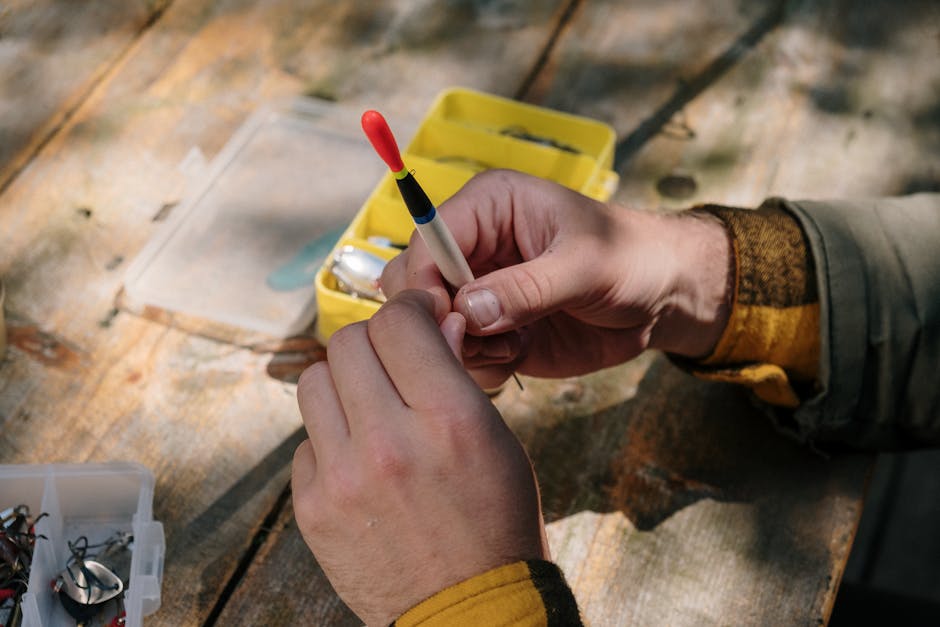
Are you tired of juggling your fishing rod while waiting for a bite? Imagine having a sturdy fishing rod holder that keeps your gear secure and hands-free.
Building your own fishing rod holder is easier than you think, and it can save you money while giving you exactly what you need. In this guide, you’ll discover simple steps to create a reliable holder that fits your style and fishing spot.
Keep reading, and soon you’ll enjoy more comfort and better fishing moments.
Credit: www.windycityfishing.com
Materials Needed
Building a fishing rod holder needs the right materials. Choosing good materials helps make a strong and useful holder.
This guide lists the key materials and tools you will need to start your project.
Choosing The Right Wood
Wood is the main material for a fishing rod holder. Pick wood that is strong and can handle water.
Some woods work better outside because they resist water and decay.
- Cedar: Light and naturally resists water and insects
- Teak: Very strong and water-resistant but more expensive
- Pine: Affordable and easy to find but needs sealing
- Redwood: Durable with good water resistance
Essential Tools
You need some basic tools to cut, shape, and join the wood parts. These tools help you work safely and accurately.
- Handsaw or power saw for cutting wood
- Drill with drill bits for holes
- Screwdriver or power driver for screws
- Measuring tape to measure wood pieces
- Sandpaper or electric sander for smooth edges
- Clamps to hold wood pieces in place
Additional Supplies
Besides wood and tools, you need extra supplies to build a durable fishing rod holder.
- Wood screws to join parts firmly
- Wood glue for extra strength
- Waterproof wood finish or sealant to protect wood
- Rubber or foam padding to protect fishing rods
- Sandpaper of different grits for finishing

Credit: www.youtube.com
Design Ideas
Building a fishing rod holder can keep your rods safe and organized. Different designs fit different needs and spaces. Choosing the right style helps you enjoy fishing more.
Below are some popular ideas for fishing rod holders. They work well for land, boats, or walls. Each design has simple steps to follow.
Simple Ground Holder
A simple ground holder is easy to make and use. It holds rods upright in the soil or sand. This design is great for shore fishing and camping spots.
- Use a wooden stake or PVC pipe
- Push it firmly into the ground
- Make sure the top is wide enough for rods
- Add a foam or rubber grip to protect rods
- Place multiple holders for several rods
Boat Mount Options
Boat mounts keep your rods steady while you move. You can attach holders to rails or walls inside the boat. This saves space and prevents tangling.
| Mount Type | Material | Best Use |
| Clamp Mount | Metal or plastic | Rails or edges |
| Screw-in Mount | Wood or metal | Flat surfaces |
| Flush Mount | Plastic or metal | Built-in deck |
Wall-mounted Solutions
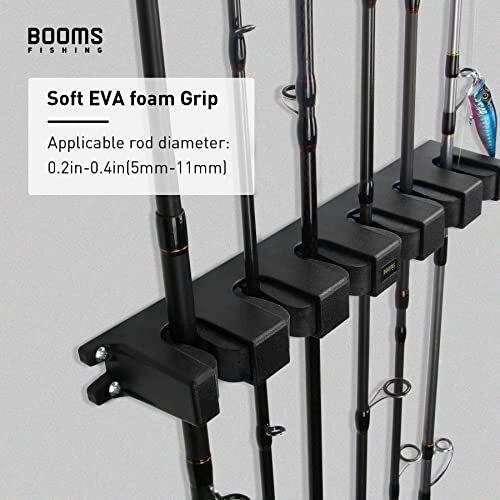
Wall-mounted holders save floor space and keep rods safe. You can build racks or use hooks. These holders work well in garages or sheds.
- Use wooden slats or metal brackets
- Space slots to fit rod handles
- Attach hooks for reels and gear
- Paint or seal for moisture protection
Step-by-step Assembly
Building a fishing rod holder is a useful project for any angler. It keeps rods organized and safe while fishing. Follow these steps carefully to assemble your own holder.
This guide covers measuring and cutting, assembling the frame, and securing the rod slots. Each part is important for a sturdy and reliable holder.
Measuring And Cutting
Start by measuring the wood pieces for your rod holder. Accurate measurements ensure all parts fit well. Use a tape measure and mark the wood clearly.
- Measure the base length to hold all rods.
- Cut vertical supports for rod slots.
- Mark and cut horizontal pieces to connect supports.
- Double-check all pieces for correct size.
Assembling The Frame
Next, join the cut pieces to build the frame. Use wood glue and screws for strong joints. Align parts carefully before securing them.
| Part | Material | Quantity |
| Base | Wood plank | 1 |
| Vertical supports | Wood strips | 2 or more |
| Horizontal connectors | Wood strips | 2 |
| Screws | Metal | 10-15 |
Attach vertical supports to the base. Then fix horizontal connectors between supports. Let glue dry before continuing.
Securing The Rod Slots
Create slots to hold fishing rods firmly. Cut semi-circular notches on the vertical supports at regular intervals. Sand edges smooth for safety.
- Mark slot positions on vertical supports evenly.
- Use a jigsaw or hole saw for clean cuts.
- Sand all slot edges to remove splinters.
- Test fit rods to ensure slots hold them well.
After making slots, reinforce the frame if needed. Your fishing rod holder is now ready to use.
Finishing Touches
After building the fishing rod holder, it is important to focus on the finishing touches. These steps protect the wood and improve the overall look of your project.
Finishing touches include sanding, applying protective coatings, and customizing with paint or stain. Each step helps make the holder stronger and more attractive.
Sanding And Smoothing
Start by sanding all surfaces with medium-grit sandpaper. This removes rough spots and splinters. Then, use fine-grit sandpaper to smooth the wood for a clean finish.
- Sand edges and corners carefully.
- Wipe away dust with a damp cloth.
- Check for any uneven areas and sand again if needed.
Applying Protective Coating
Protect the wood by applying a clear coat. This guards against moisture and damage. Use a brush to apply the coating evenly over all surfaces.
| Type of Coating | Best Use |
| Polyurethane | Strong protection, indoor and outdoor use |
| Linseed Oil | Natural finish, easy to apply |
| Varnish | Glossy finish, water resistant |
Customizing With Paint Or Stain
Choose paint or stain to add color and style to your holder. Paint covers the wood completely, while stain lets the grain show through.
- Apply a primer before painting for better adhesion.
- Use a brush or spray for even coverage.
- Let each coat dry fully before adding another.
- Seal painted or stained surfaces with a clear topcoat.
Mounting And Usage Tips
Building a fishing rod holder is useful for keeping rods steady. Proper mounting helps avoid damage and makes fishing easier.
Knowing how to position and use the holder improves your fishing experience. Care and adjustments keep it working well for a long time.
Positioning For Stability
Place the rod holder on a flat, solid surface to avoid tipping. The holder must stay firm, even with strong fish pulls.
- Mount near the boat’s edge but not too close to the water.
- Use clamps or screws to fix the holder tightly.
- Check that the holder does not wobble before use.
- Angle the holder slightly away from you for easier rod control.
Adjusting For Different Rod Sizes
Fishing rods come in many sizes. Adjust the holder so each rod fits well and stays secure.
| Rod Size | Holder Adjustment | Tip |
|---|---|---|
| Small (6-7 feet) | Tighten clamps fully | Use soft padding to protect rods |
| Medium (7-9 feet) | Loosen clamps slightly | Check balance after mounting |
| Large (9+ feet) | Use extended arms or holders | Secure base with extra fasteners |
Maintenance And Care
Keep your fishing rod holder clean and in good shape. This extends its life and prevents damage to your rods.
- Rinse the holder with fresh water after saltwater use.
- Check screws and clamps regularly for tightness.
- Lubricate moving parts with light oil to prevent rust.
- Store the holder in a dry place when not in use.
Credit: pursuethewild.com
Frequently Asked Questions
What Materials Do I Need To Build A Fishing Rod Holder?
You need PVC pipes, connectors, screws, a drill, and measuring tape. These materials are affordable and easy to find at hardware stores. PVC is lightweight and durable, making it ideal for fishing rod holders.
How Do I Make A Stable Fishing Rod Holder?
Ensure the base is wide and sturdy. Use strong connectors and secure all joints tightly. A stable holder prevents rods from tipping or falling during use.
Can I Customize My Fishing Rod Holder Size?
Yes, customize the length and diameter to fit your rods. Measure your fishing rods before building to ensure a perfect fit. Custom sizing improves convenience and rod protection.
How Do I Attach The Fishing Rod Holder To A Boat?
Use mounting brackets or clamps to secure the holder to the boat. Choose corrosion-resistant hardware for durability in water. Proper attachment keeps the holder stable while boating.
Conclusion
Creating a fishing rod holder is simple and rewarding. You save space and keep gear organized. Gather materials and follow each step carefully. Customize it to fit your needs. Enjoy neat storage and easy access. Share your holder with friends.
Inspire others to build their own. Remember, patience is key. A well-built holder lasts long and serves well. Fish more, worry less about clutter. Happy fishing adventures await you.