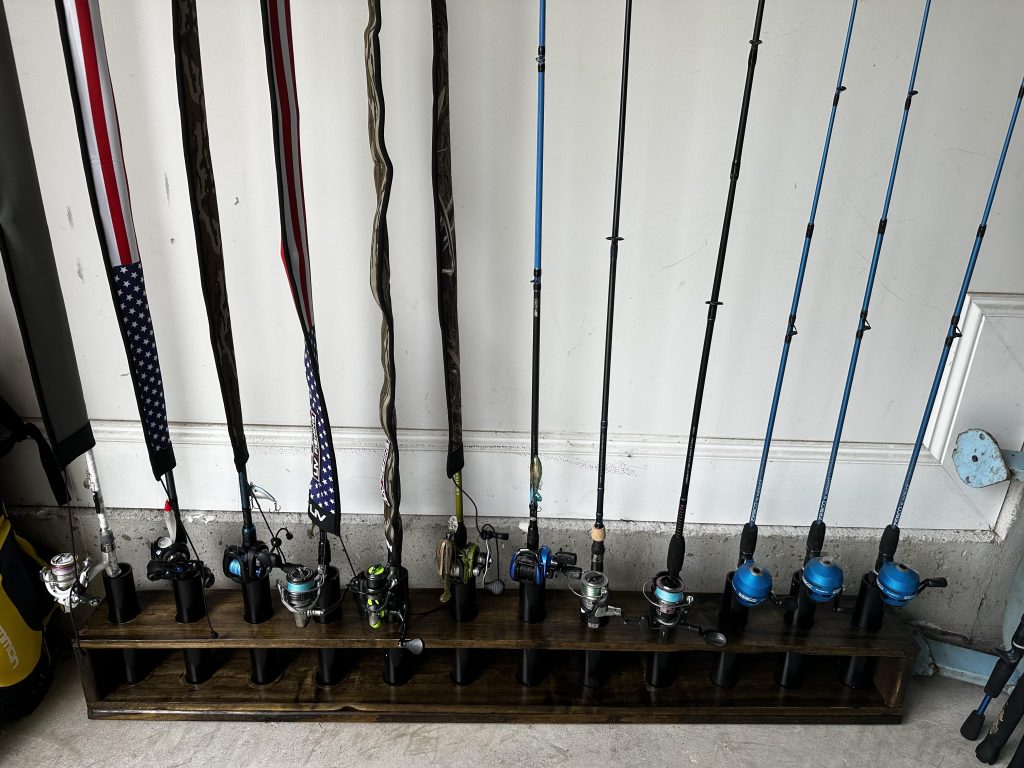
Are you tired of juggling your fishing rods every time you head out to fish? Imagine having a simple, sturdy stand that keeps your rods organized and ready to go.
Building your own fishing rod stand is easier than you think, and it can save you time, space, and frustration. In this guide, you’ll discover step-by-step how to create a stand tailored just for your gear. Keep reading, and soon you’ll have a smart solution that makes your fishing trips smoother and more enjoyable.
Materials Needed
Building a fishing rod stand requires some basic materials. Gathering the right items helps your project go smoothly. This guide covers the main materials needed.
You will need wood, tools, and some extra supplies. Each part is important for a strong and stable stand.
Wood Types
Choosing the right wood is key for durability. Pine is light and easy to work with. Oak is stronger but heavier. Cedar resists moisture well.
| Wood Type | Properties | Best Use |
| Pine | Lightweight, easy to cut | Simple stands, indoor use |
| Oak | Hard, durable | Heavy-duty stands, outdoor use |
| Cedar | Moisture-resistant | Stands exposed to weather |
Tools Required
You need some common tools to build the stand. A saw helps cut wood to size. A drill makes holes for screws. Sandpaper smooths rough edges.
- Handsaw or circular saw
- Electric drill with drill bits
- Screwdriver or drill driver
- Measuring tape
- Pencil for marking
- Sandpaper or sanding block
Additional Supplies
Extra supplies help hold the stand together and finish it. Screws join the wood parts. Wood glue adds strength. Paint or varnish protects the wood.
| Supply | Purpose |
| Screws | Secure wood pieces |
| Wood glue | Strengthen joints |
| Wood filler | Fill gaps or holes |
| Paint or varnish | Protect wood from moisture |
| Clamps | Hold pieces while glue dries |
Credit: www.windycityfishing.com
Choosing The Design
Building a fishing rod stand starts with picking the right design. The design affects how easy it is to use and carry.
Think about where you will keep the stand and how many rods you want to hold. This helps you choose the best style.
Compact Vs. Portable
Compact stands save space and fit in small areas. They are good for tight spots like boats or small decks.
Portable stands are easy to move and carry. You can take them to different fishing spots and store them easily.
- Compact stands are smaller and fixed in place
- Portable stands fold or break down for travel
- Choose compact for limited space
- Choose portable for convenience and mobility
Single Vs. Multiple Rod Holders
Single rod holders hold just one rod. They are simple and take less space. Good for casual anglers.
Multiple rod holders hold several rods at once. They are great for serious fishing trips or groups.
- Single holders fit in small areas and are easy to build
- Multiple holders organize many rods neatly
- Multiple holders may need stronger support
- Pick single for solo fishing trips
- Pick multiple if you have many rods or fish with friends
Preparing The Wood
Preparing the wood is an important part of building a fishing rod stand. Good preparation helps the stand last longer and look better.
You need to measure, cut, and smooth the wood before assembling the stand. This makes the process easier and safer.
Measuring And Cutting
Start by measuring the wood pieces carefully. Use a tape measure and mark the wood with a pencil.
Cut the wood along the marks using a saw. Make sure the cuts are straight and even to fit the stand parts well.
- Measure twice to avoid mistakes
- Use a straight edge for marking
- Cut slowly and follow the lines
- Wear safety glasses and gloves
Sanding And Smoothing
After cutting, sand the wood to remove rough edges and splinters. This makes the wood safe to handle.
Use sandpaper with medium grit first, then a finer grit for a smooth finish. Wipe the dust off after sanding.
- Start with 80-120 grit sandpaper
- Finish with 220 grit sandpaper
- Sand along the grain of the wood
- Clean dust with a dry cloth

Credit: www.reddit.com
Assembling The Stand
Building a fishing rod stand is a great way to keep rods organized. This guide helps you put the pieces together.
Focus on joining the parts firmly and securing the rod holders properly. This makes the stand strong and reliable.
Joining The Pieces
Start by laying out all wood pieces on a flat surface. Check that each piece fits well before attaching.
Use screws or nails to join the base and vertical supports. Make sure the connections are tight to avoid wobbling.
- Align pieces at right angles
- Pre-drill holes to prevent splitting
- Use clamps to hold pieces while fastening
- Check for level before final tightening
Securing The Rod Holders
Attach the rod holders to the vertical supports evenly. Space them to fit the number of rods you have.
Fasten the holders with screws. Test each holder by placing a rod to ensure it stays secure and balanced.
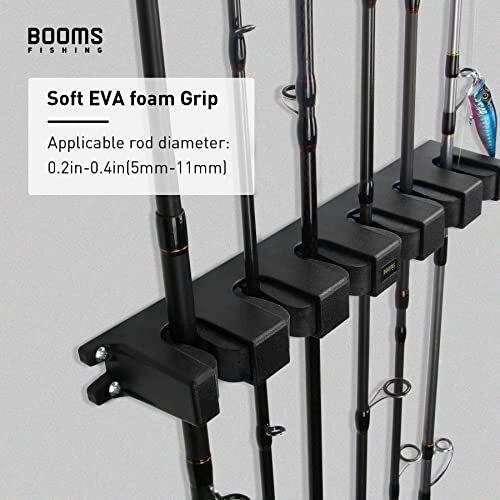
- Choose sturdy wood or plastic holders
- Position holders at comfortable heights
- Double-check screw tightness after assembly
- Sand edges to avoid rod damage
Finishing Touches
After building your fishing rod stand, the final steps make it durable and safe. Finishing touches improve its look and function.
Two key areas to focus on are painting and sealing, plus adding non-slip features to keep the stand steady.
Painting And Sealing
Painting protects the wood from water and weather damage. Sealing helps keep the finish strong for a long time.
- Sand the stand smooth before painting.
- Use outdoor paint for better water resistance.
- Apply at least two coats of paint.
- Let the paint dry fully between coats.
- Seal with a clear waterproof sealant.
- Allow the sealant to cure as per instructions.
Adding Non-slip Features
Non-slip features keep your fishing rod stand stable on wet or uneven surfaces. Adding these is simple but important.
| Non-Slip Feature | Description | Materials Needed |
| Rubber Feet | Attach to the bottom of legs to prevent slipping. | Rubber caps or pads |
| Grip Tape | Stick on surfaces that touch the ground for better hold. | Anti-slip grip tape |
| Foam Padding | Cushions contact points and adds friction. | Foam strips or pads |
Tips For Use And Maintenance
Building a fishing rod stand is only the first step. Proper use and care keep it sturdy and lasting longer. Simple habits help your stand stay safe and clean.
Use the stand correctly and maintain it often. This guide shows how to store and clean your fishing rod stand well.
Storage Suggestions
Store your fishing rod stand in a dry, cool place to avoid damage. Avoid direct sunlight and damp areas that can weaken the materials over time.
- Keep the stand away from moisture to prevent rust or mold.
- Place it in a spot where it won’t be knocked over or stepped on.
- Use a cover if you store it outdoors to block dust and rain.
- Disassemble parts if possible to save space and protect joints.
Cleaning And Upkeep
Regular cleaning keeps your fishing rod stand in top shape. Dirt and grime can cause wear and damage if left too long.
| Cleaning Task | Recommended Method |
| Remove dust | Wipe with a soft dry cloth |
| Wash dirt | Use mild soap and water, then dry fully |
| Check joints | Tighten screws and bolts as needed |
| Prevent rust | Apply light oil to metal parts |
Credit: pursuethewild.com
Frequently Asked Questions
How Do I Choose Materials For A Fishing Rod Stand?
Selecting materials depends on your needs and budget. Wood is sturdy and aesthetically pleasing, while PVC is lightweight and cost-effective. Consider the number of rods you have and the stand’s location. Ensure the materials are durable and weather-resistant if placing outdoors.
What Tools Are Needed To Build A Fishing Rod Stand?
Basic tools like a saw, drill, and measuring tape are essential. A screwdriver and sandpaper are also useful. For PVC stands, a PVC cutter can be handy. Ensure you have all tools on hand before starting the project to avoid interruptions.
Can I Customize My Fishing Rod Stand Design?
Yes, customization is possible. Adjust the dimensions to fit your space and rod collection. Add features like hooks for accessories or a shelf for tackle boxes. Personalize with paint or wood stain for an appealing look. Creativity can enhance both functionality and style.
How Much Does It Cost To Build A Fishing Rod Stand?
Costs vary based on materials and complexity. A basic PVC stand might cost around $20-$30. Wood stands can range from $30 to $100, depending on wood type and finishes. Budget-friendly options are available if you shop for materials wisely and plan carefully.
Conclusion
Building a fishing rod stand is simple and rewarding. You save money by making it yourself. The stand keeps your rods safe and organized. It also makes fishing trips more enjoyable. Use basic tools and materials you can find easily.
Follow the steps carefully for the best results. With patience, you will create a sturdy stand. Enjoy your fishing time with less hassle. Try building one today and see the difference.