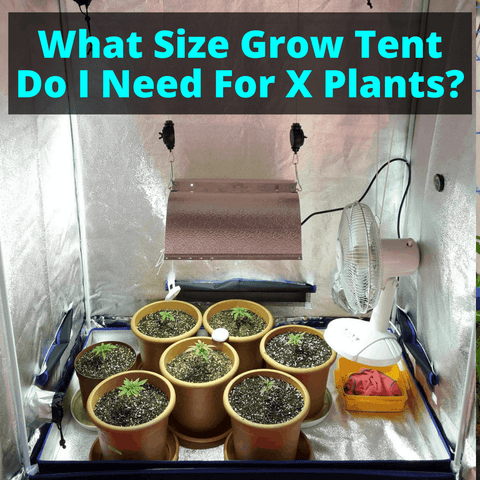
Are you ready to take control of your indoor gardening? Building a grow tent can transform any small space into a thriving plant paradise.
Imagine having fresh herbs, vibrant flowers, or healthy veggies right at your fingertips—all year round. But where do you start? This guide will walk you through every step, making it simple and affordable. By the end, you’ll have the confidence to create your own grow tent that fits your needs perfectly.
Keep reading, and discover how easy it is to grow your dream garden indoors.
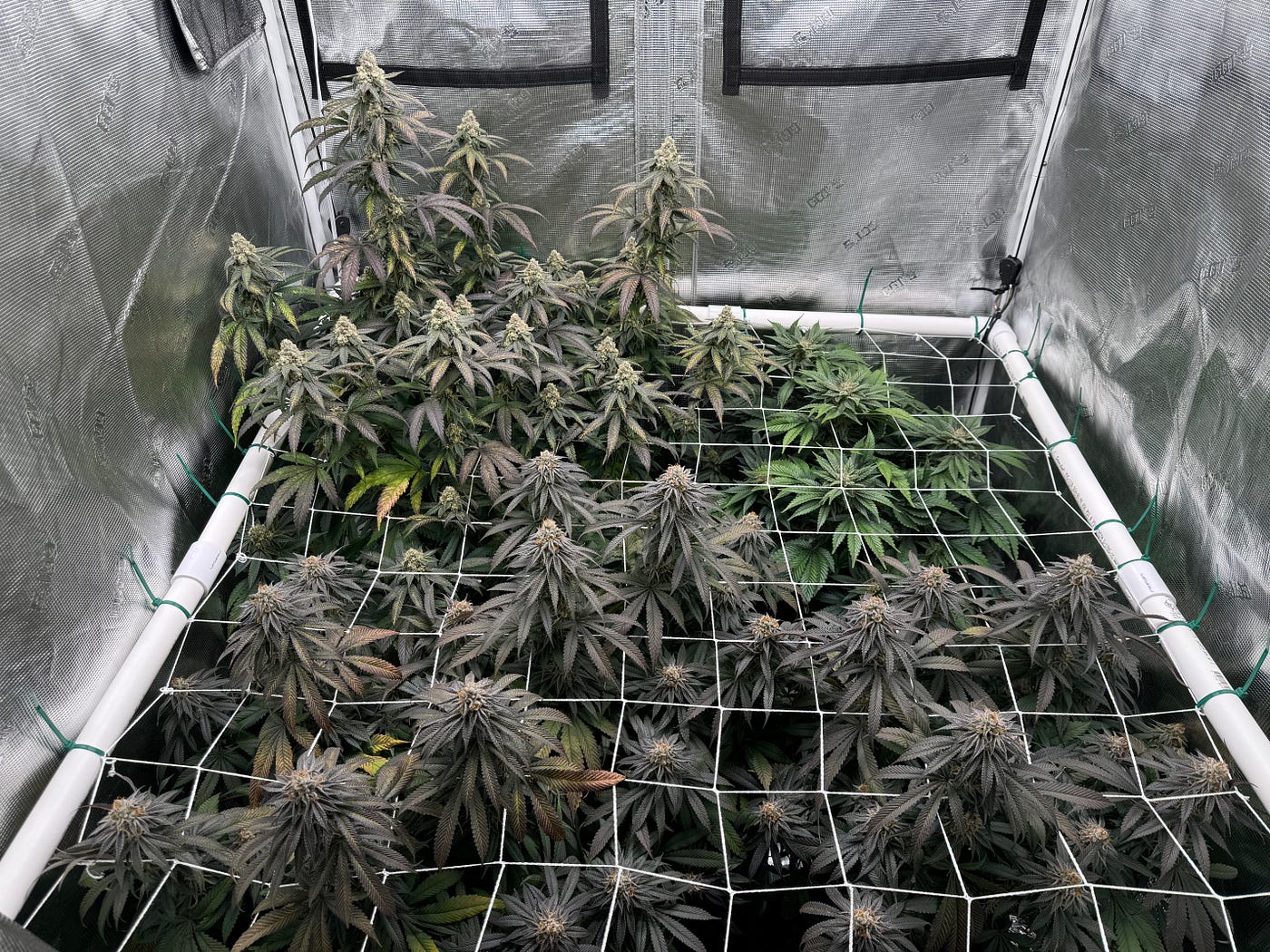
Credit: cannabenoid.medium.com
Choosing The Right Grow Tent
Picking the right grow tent is important for your plants to grow well. The tent gives your plants a good place to grow indoors.
Think about the tent size, material, and air flow. These affect how healthy your plants will be.
Size And Space Considerations
Choose a grow tent size that fits your space and plant needs. Too small tents limit plant growth.
Measure your room before buying a tent. Make sure you have space for lights and tools inside.
- Small tents fit in closets or small rooms
- Medium tents work for several plants
- Large tents support many plants or bigger plants
Material And Durability
Good grow tents use strong materials that last long. The fabric should block light and keep heat inside.
Look for tents with a sturdy frame. Metal poles are better than plastic ones for support.
- Thick fabric stops light leaks
- Water-resistant material helps with spills
- Strong zippers make opening easy
- Frame should hold lights and fans
Ventilation Features
Good air flow keeps plants healthy and stops mold. Choose tents with many vents and openings.
Check if the tent has places to connect fans and filters. This helps control temperature and smell.
- Mesh vents allow fresh air in
- Ports fit ducting for fans
- Easy access vents make maintenance simple

Credit: www.reddit.com
Setting Up The Frame
Building a grow tent requires careful assembly of its frame. The frame is the backbone that holds everything together.
Let’s focus on assembling the poles and connectors, and ensuring stability and support for a strong structure.
Assembling Poles And Connectors
The frame consists of poles and connectors that fit together. This is a crucial step for building your grow tent.
- Start by laying out all your poles and connectors on the floor.
- Identify which poles fit with specific connectors.
- Connect the poles, ensuring each connector is firmly in place.
- Double-check all connections for a secure fit.
Ensuring Stability And Support
Stability is key for a functional grow tent. Without it, your structure might collapse under the weight of the materials.
Here are a few tips for ensuring your grow tent remains stable:
- Use extra support beams if your frame allows it.
- Check all joints and reinforce them with tape if necessary.
- Ensure the floor is level where you set up the grow tent.
| Component | Action Required |
| Poles | Ensure proper length alignment |
| Connectors | Firmly attach to poles |
| Support Beams | Add for extra stability |
Installing The Tent Fabric
Installing the fabric is an important part of building your grow tent. It protects your plants and keeps the environment controlled.
Follow these steps to attach the fabric and make sure your tent is sealed well.
Attaching Walls And Roof
Start by unfolding the tent fabric carefully. Match each wall and roof panel to the frame sections.
Use the built-in Velcro strips or clips to fasten the fabric to the frame. Make sure it is tight and smooth.
- Attach the roof fabric first for easy access
- Stretch walls evenly to avoid wrinkles
- Secure fabric at each corner firmly
Sealing Light Leaks
Check all corners and seams for gaps where light can enter. Light leaks can harm plant growth.
Use extra tape or fabric strips to cover small holes. Make sure all edges meet tightly.
- Inspect seams with a flashlight inside the tent
- Apply reflective tape to block light leaks
- Check zipper areas carefully for gaps
Securing Zippers And Doors
Make sure zippers open and close smoothly. This keeps your tent easy to enter and exit.
Close all doors fully and press zippers to seal. Avoid leaving small openings around the edges.
- Test each zipper before use
- Keep zippers clean and free of fabric
- Use zipper covers if your tent has them
Lighting Setup
Lighting is very important for plants inside a grow tent. Good lights help plants grow strong and healthy. Setting up lights right makes a big difference.
We will look at how to pick the best grow lights, where to place them, and how to control heat from the lights.
Choosing The Right Grow Lights
Pick lights that fit your plants’ needs and your tent size. Different lights give different colors and amounts of light.
Common types are LED, fluorescent, and HID lights. LEDs use less power and last longer. HID lights are very bright but use more energy.
- LED lights save energy and run cool
- Fluorescent lights are good for seedlings
- HID lights work well for big plants
Mounting And Positioning
Place lights at the right height above plants. Too close can burn leaves. Too far can make plants stretch.
Use adjustable hangers to change light height as plants grow. Keep lights centered to spread light evenly.
- Start with lights 12-24 inches above plants
- Raise lights as plants grow taller
- Keep lights balanced for even growth
Managing Heat Output
Lights can make your grow tent hot. Too much heat can hurt plants. Watch the temperature carefully.
Use fans or vents to move hot air out. LEDs create less heat than other lights. Keep a thermometer inside the tent.
- Check temperature daily
- Use ventilation to remove heat
- Choose cool-running lights if possible
Ventilation And Airflow
Good ventilation is key to a healthy grow tent. It helps plants get fresh air and keeps temperature steady.
Proper airflow stops mold and pests. It also helps plants grow strong and healthy.
Setting Up Fans And Filters
Fans move air inside the grow tent. They bring in fresh air and remove stale air.
Use filters to clean the air. Carbon filters remove bad smells and dust.
- Place an exhaust fan at the top to pull hot air out
- Use an intake fan near the bottom to bring cool air in
- Attach a carbon filter to reduce odors
- Choose fan sizes that match your tent size
Optimizing Air Circulation
Air must flow evenly around plants. This helps keep leaves dry and healthy.
Place oscillating fans to spread air in all directions. Avoid strong winds on plants.
- Use small fans inside the tent to move air gently
- Keep fans running 24/7 for steady airflow
- Check that no areas have stagnant air
- Adjust fan speed based on plant needs
Controlling Humidity Levels
Humidity affects plant health. Too much causes mold; too little dries plants.
Use ventilation and fans to keep humidity balanced. A humidifier or dehumidifier can help.
- Measure humidity with a hygrometer
- Keep humidity between 40% and 60%
- Use exhaust fan to reduce excess moisture
- Add a humidifier if air is too dry
Installing Grow Medium And Containers
Setting up the right grow medium and containers is key for a healthy grow tent.
This guide covers how to select soil or hydroponics and choose containers and trays.
Selecting Soil Or Hydroponics
Choosing between soil and hydroponics depends on your goals and space. Soil is natural and easy to use. Hydroponics grows plants in water with nutrients.
- Soil needs good quality potting mix with nutrients.
- Hydroponics requires a water system and nutrient solution.
- Hydroponics allows faster growth but needs more care.
- Soil buffers nutrients and retains water better.
Choosing Containers And Trays
Containers hold your grow medium and plants. Trays catch water and keep the area clean.
| Container Type | Best For | Material | Drainage |
|---|---|---|---|
| Plastic Pots | Soil and hydroponics | Lightweight plastic | Good drainage holes |
| Fabric Pots | Soil | Breathable fabric | Excellent air flow |
| Hydroponic Trays | Hydroponics | Plastic or metal | Water tight with drainage |
| Seedling Trays | Starting plants | Plastic | Shallow with drainage |
Temperature And Humidity Control
Controlling temperature and humidity is important for a healthy grow tent. It helps plants grow well and stay safe from problems.
Good control keeps air fresh and stops mold or pests. You need tools and options to manage these conditions.
Using Thermometers And Hygrometers
Thermometers measure the air temperature inside the grow tent. Hygrometers show the humidity level. Both tools help you watch the environment.
Place them where plants grow. Check readings daily to keep conditions steady. Some devices show both temperature and humidity together.
- Digital thermometers give fast, clear readings
- Analog options are simple and reliable
- Hygrometers help avoid too dry or wet air
- Keep sensors away from direct light or heat
Heating And Cooling Options
Grow tents need heating and cooling to keep the right temperature. Use heaters in cold weather and fans or air conditioners when it is hot.
Heating options include small electric heaters or heat mats. Cooling can be done with exhaust fans or portable air conditioners.
- Heaters keep plants warm in low temperatures
- Heat mats warm the soil directly
- Exhaust fans remove hot air and add fresh air
- Air conditioners control strong heat but use more power
- Use timers or thermostats for automatic control
Electrical Safety Tips
Building a grow tent requires careful attention to electrical safety. Poor wiring or overloaded circuits can cause fires or damage equipment.
Follow simple rules to keep your grow tent safe and your plants healthy. Use the right tools and check your setup often.
Proper Wiring And Outlets
Use wiring that matches the power needs of your grow tent. Avoid using old or damaged cords. Always install grounded outlets to prevent shocks.
Keep wires away from water and heat sources. Use waterproof covers for outlets to protect them from moisture inside the tent.
- Choose wires rated for the total wattage of your equipment
- Use outlets with ground fault circuit interrupters (GFCI)
- Secure wires to avoid tripping or pulling
- Inspect cords regularly for wear or damage
Avoiding Overloads
Do not plug too many devices into one outlet or power strip. Overloading causes overheating and can start fires.
Distribute your electrical load across multiple circuits if possible. Use timers and controllers to manage power use effectively.
- Check the wattage of all your grow lights and fans
- Use power strips with built-in circuit breakers
- Keep the total load below 80% of your circuit’s capacity
- Turn off equipment when not in use to reduce risk
Maintaining And Cleaning The Tent
Keeping your grow tent clean and well-maintained helps plants grow better. Dirt and pests can harm your plants.
Regular care also extends the life of your tent. It ensures good air flow and light inside the tent.
Regular Inspection
Check your grow tent often for damage or wear. Look for tears, holes, or loose zippers. Fix small issues quickly to avoid bigger problems.
- Inspect the tent fabric for holes or rips
- Check zippers and seams for damage
- Look inside for mold or mildew spots
- Examine ventilation openings for blockages
- Test lights and electrical cords for safety
Cleaning Procedures
Clean your tent regularly to prevent pests and keep plants healthy. Use mild soap and water to avoid damage.
| Cleaning Task | Tools Needed | Frequency |
| Wipe down tent walls | Soft cloth, mild soap, water | Every 2 weeks |
| Clean floor tray | Scrub brush, disinfectant | Weekly |
| Disinfect tools and pots | Rubbing alcohol or bleach solution | After each use |
| Remove dead leaves and debris | Gloves, trash bag | Daily |
| Check and clean vents | Vacuum or soft brush | Monthly |

Credit: www.reddit.com
Frequently Asked Questions
What Materials Do I Need To Build A Grow Tent?
You need sturdy frame materials like metal or PVC pipes. Use reflective Mylar or thick fabric for walls. Include zippers, ventilation ports, and lightproof seams for optimal growth conditions inside the tent.
How Do I Ensure Proper Ventilation In A Grow Tent?
Install exhaust fans and intake vents to maintain airflow. Use carbon filters to control odors. Proper ventilation prevents mold, regulates temperature, and supplies fresh air for healthy plant growth.
What Size Grow Tent Is Best For Beginners?
A 2×2 or 3×3 feet tent is ideal for beginners. It offers enough space for a few plants without being overwhelming or expensive. This size balances manageable setup with effective growth conditions.
How Can I Control Temperature Inside A Grow Tent?
Use fans, heaters, or air conditioners to regulate temperature. Monitor with a thermometer and adjust equipment as needed. Maintaining 70-85°F supports optimal plant health and growth.
Conclusion
Building a grow tent is easier than it seems. Start with a good frame and cover. Add lighting and ventilation for healthy plants. Keep the space clean and check conditions often. Small steps lead to big results. Enjoy watching your plants grow strong and healthy inside your tent.
With patience and care, your grow tent will thrive. Simple tools and clear plans make the process smooth. Now, you are ready to create your own grow tent space.