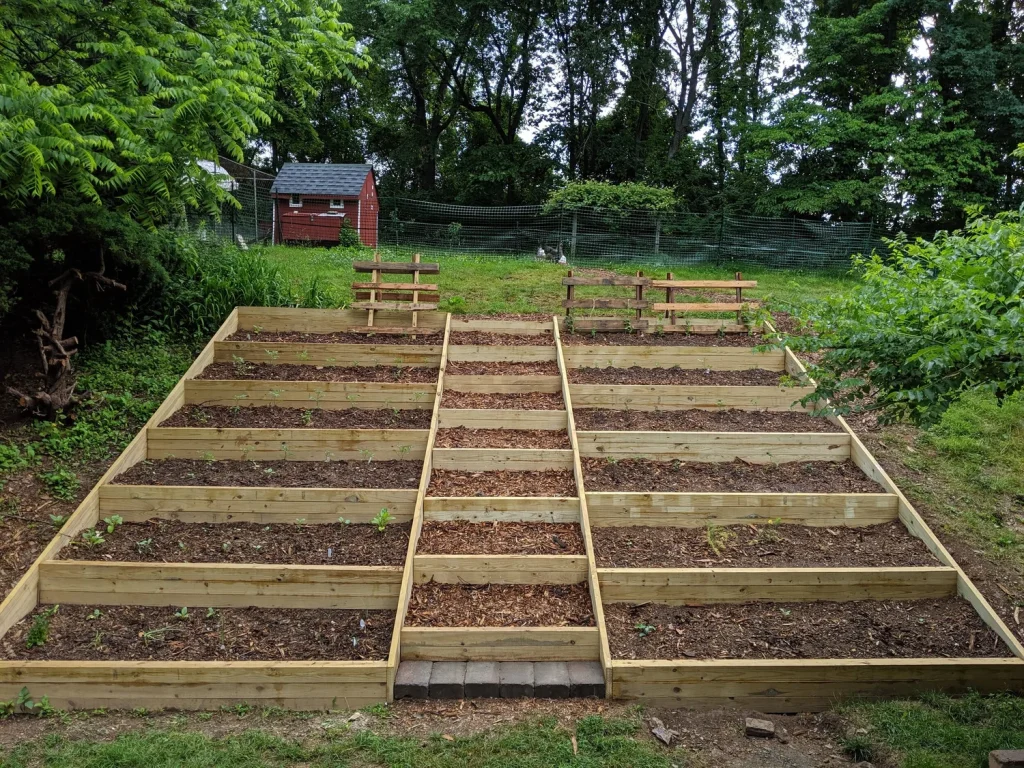
Are you struggling to create a garden on a sloped yard? Building a raised garden bed on a slope might seem tricky, but it’s easier than you think.
With the right steps, you can turn uneven ground into a beautiful, productive garden space. Imagine growing your favorite vegetables or flowers without worrying about soil erosion or water runoff. This guide will show you exactly how to build a sturdy, level raised bed that fits your sloped land perfectly.
Keep reading, and you’ll discover simple tips that make gardening on a slope not just possible, but enjoyable.

Credit: www.reddit.com
Choosing The Right Location
Building a raised garden bed on a slope needs careful planning. Choosing the right spot helps your plants grow well.
Look at the area carefully before you start. Check sunlight, soil, and water flow to pick the best place.
Assessing Sunlight Exposure
Plants need sunlight to grow strong. Watch your slope during the day to see how much sun it gets.
Choose a spot that gets at least six hours of sunlight daily. Avoid shady areas under big trees or buildings.
- Full sun means 6 or more hours of direct sunlight
- Partial sun means 3 to 6 hours of sunlight
- Shade means less than 3 hours of sunlight
Checking Soil Conditions
Good soil helps plants get nutrients and water. Test the soil on your slope before building.
Look for soil that drains well but keeps moisture. Avoid very rocky or sandy soil that can harm roots.
- Take a small soil sample from different spots
- Check soil texture: clay, sand, or loam
- Test soil pH with a kit from a garden store
Considering Water Drainage
Water moves quickly on slopes. Make sure your raised bed can hold water without washing away.
Look for areas where water pools or runs off fast. Plan to add barriers or terraces to slow water.
- Avoid low spots where water stays too long
- Build the bed across the slope to catch water
- Use mulch to keep soil moist and reduce erosion
Gathering Materials And Tools
Building a raised garden bed on a slope requires proper materials and tools. The right selection ensures stability and longevity.
Let’s explore the essential components needed for this gardening project.
Selecting Suitable Lumber
Choosing the right lumber is crucial for a durable garden bed. Pressure-treated wood resists rot and insects, ideal for outdoor use.
- Choose untreated cedar or redwood for a chemical-free option
- Avoid wood with visible knots or cracks
- Consider reclaimed wood for an eco-friendly choice
Essential Tools For Construction
Having the right tools will make the building process easier. Basic construction tools will suffice for this project.
- Hammer for driving nails
- Drill with various bits
- Saw for cutting lumber
- Measuring tape for accuracy
- Level to ensure even surfaces
Additional Supplies Needed
Beyond wood and tools, some additional supplies will be necessary. These items will support the construction and maintenance of your garden bed.
| Item | Purpose |
| Landscape fabric | Prevents weeds |
| Wood screws | Secure lumber pieces |
| Stakes | Anchor the bed on the slope |
Preparing The Slope
Building a raised garden bed on a slope needs careful planning. You must prepare the slope well to make the bed stable and easy to work on.
This guide covers marking the garden bed area, leveling techniques, and creating terraces or steps.
Marking The Garden Bed Area
Start by choosing where you want the garden bed. Use stakes and string to outline the shape.
Check the area for any large rocks or roots and clear them away. Mark the corners clearly to keep your work accurate.
Leveling Techniques
Leveling the slope helps water drain evenly and prevents soil erosion. Use tools like a carpenter’s level or a water level.
- Place stakes at each corner of the bed.
- Attach a string line between the stakes.
- Use the level tool to check if the string is even.
- Adjust the string height until it is perfectly level.
- Dig or fill soil to match the string level.
Creating Terraces Or Steps
Terraces or steps break the slope into flat sections. This reduces soil washout and makes gardening easier.
| Terrace Type | Best Use | Key Benefit |
|---|---|---|
| Single Terrace | Gentle slopes | Simple to build and maintain |
| Multiple Terraces | Steep slopes | Prevents heavy erosion |
| Step Beds | Very steep slopes | Easy access for planting and harvesting |

Credit: www.reddit.com
Building The Raised Bed Frame
Building a raised garden bed on a slope needs a strong frame. The frame holds soil and plants safely. It also helps keep water from washing soil away.
We will cover cutting and assembling lumber, securing the frame on the slope, and adding reinforcements. These steps make sure the frame lasts long and stays stable.
Cutting And Assembling Lumber
Choose wood that resists rot, like cedar or treated pine. Cut the wood to fit the size you want for your bed. Use a saw to get clean, straight cuts.
- Measure the length needed for each side
- Cut four pieces for the frame sides
- Sand rough edges for safety
- Drill holes for screws before assembly
- Use screws to join corners tightly
Securing The Frame On The Slope
Place the frame on the slope starting at the lowest point. Use stakes to hold the frame firmly. Drive stakes into the ground inside the frame corners.
| Task | How to Do It |
| Level the frame | Use a spirit level to check each side |
| Drive stakes | Hammer stakes at corners and midpoints |
| Secure frame | Screw the frame sides to stakes |
Reinforcing For Stability
To stop the frame from moving, add reinforcements. Use extra wood braces inside the frame. Attach these braces at corners and along long sides.
Here is a simple HTML structure to add diagonal braces:
Diagonal brace from corner to midpoint Use screws to fix braces tightly. This stops the frame from twisting or shifting.
Improving Soil And Filling The Bed
Building a raised garden bed on a slope needs good soil preparation. Filling the bed correctly helps plants grow strong roots.
Improving soil quality and managing water flow prevents erosion and keeps nutrients in place. This guide shows how to mix soil and fill the bed well.
Mixing Quality Soil And Compost
Use a mix of topsoil and compost to create fertile soil. Good soil holds moisture and nutrients for plants.
- Start with clean, weed-free topsoil
- Add well-rotted compost for nutrients
- Mix the soil and compost evenly
- Check the texture to be loose but not sandy
- Test moisture by squeezing a handful; it should hold shape but crumble easily
Layering For Drainage
Proper drainage keeps roots healthy and stops water pooling on slopes. Use layers of materials that help water flow.
| Layer | Material | Purpose |
|---|---|---|
| Bottom | Coarse gravel or small rocks | Allows water to drain out |
| Middle | Organic matter like leaves or straw | Improves aeration and moisture retention |
| Top | Mixed soil and compost | Plant roots grow here |
Filling And Leveling The Bed
Fill the bed with your prepared soil mix. Level the surface to create an even planting area on the slope.
- Place soil mix in the bed in layers
- Lightly press each layer to remove air pockets
- Use a board or rake to level the top surface
- Check slope side to side; adjust soil to keep it flat
- Water the soil to help it settle before planting
Planting And Maintenance Tips
Building a raised garden bed on a slope needs special care for planting and upkeep. Plants must suit the slope to grow well.
Good watering and stopping soil loss keep your garden healthy. Follow these tips to make your sloped bed thrive.
Choosing Plants For Sloped Beds
Select plants that hold soil and survive well on slopes. Deep roots help keep soil in place and stop erosion.
Pick plants that fit your climate and sunlight. Mix ground covers, shrubs, and flowers for a strong garden.
- Ground covers like creeping thyme or sedum
- Shrubs with deep roots such as lavender or rosemary
- Perennials that spread well, like black-eyed Susan
- Plants that need less water and care
Watering Strategies
Water slopes carefully to avoid washing away soil. Slow, steady watering helps plants soak up moisture.
Use drip irrigation or soaker hoses to water at the roots. Water early in the day to reduce evaporation.
- Water slowly to prevent runoff
- Use mulch to keep soil moist
- Check soil moisture regularly
- Avoid watering during strong winds
Preventing Erosion And Soil Loss
Protect your raised bed from erosion by adding barriers and plants. Barriers slow water and keep soil inside.
Mulch covers bare soil and stops it from washing away. Check your bed after heavy rain to fix any damage.
- Build terraces or use retaining walls
- Plant ground covers to hold soil
- Add thick mulch over soil
- Fill gaps with straw or rocks

Credit: www.reddit.com
Frequently Asked Questions
How Do I Level A Raised Garden Bed On A Slope?
To level a raised bed on a slope, use retaining walls or terracing. Secure boards at different heights to create flat planting areas and prevent soil erosion.
What Materials Are Best For Raised Beds On Slopes?
Cedar, redwood, or composite wood are ideal. They resist rot and moisture, ensuring durability on uneven, sloped terrain.
How Can I Prevent Soil Erosion In Raised Beds?
Install retaining walls and use mulch. Plant ground covers or grasses around beds to stabilize soil and reduce runoff on slopes.
Is Irrigation Different For Raised Beds On Slopes?
Yes. Use drip irrigation or soaker hoses to deliver water evenly. This prevents runoff and ensures proper moisture retention on sloped beds.
Conclusion
Building a raised garden bed on a slope is easier than it seems. With the right steps, you can create a sturdy and level bed. This helps plants grow healthy and strong. Remember to choose good materials and check the slope carefully.
Taking time to plan will save effort later. Enjoy watching your garden thrive on any land. Gardening on a slope can be rewarding and fun. Start small, stay patient, and learn as you go. Your garden will thank you with beautiful blooms and fresh vegetables.