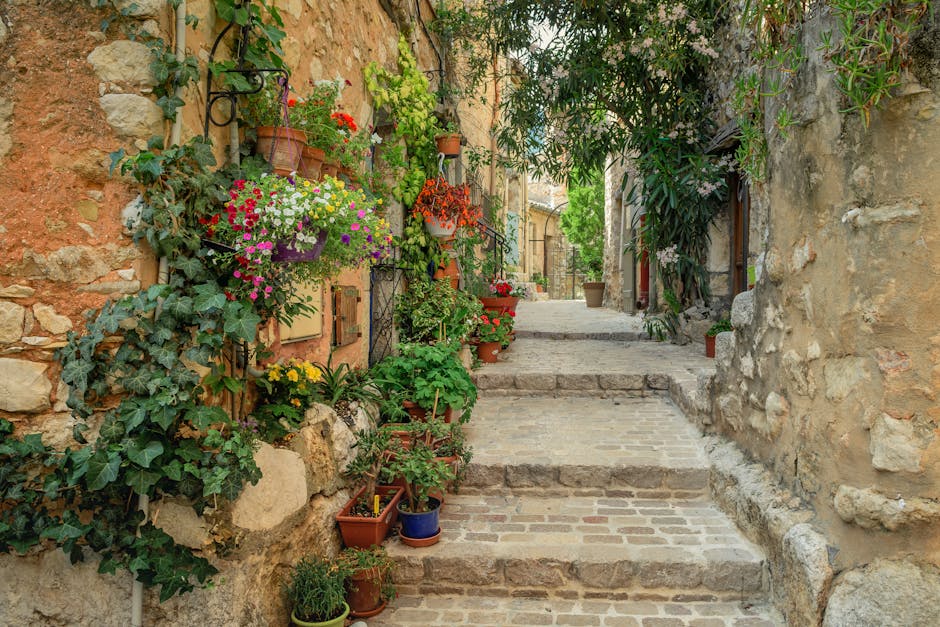
Are you ready to transform your garden into a beautiful, organized space that makes growing plants easier and more enjoyable? Building a raised stone garden bed could be the perfect solution for you.
Not only does it add charm and structure to your outdoor area, but it also improves soil quality and drainage, helping your plants thrive. In this guide, you’ll discover simple, step-by-step tips to create your own raised stone garden bed—even if you have little experience.
Keep reading, and you’ll soon have a stunning garden feature that’s both practical and eye-catching.
Credit: www.gardenary.com
Choosing The Right Location
Picking the best spot is important for your raised stone garden bed. The right location helps plants grow healthy and strong.
Think about sunlight, soil, and how easy it is to reach your garden bed. These factors affect your garden’s success.
Assessing Sunlight And Shade
Most plants need at least six hours of sunlight daily. Look for a place that gets enough light but not too much heat.
- Observe the area at different times of the day.
- Note where shadows fall and how long they last.
- Avoid spots shaded by large trees or buildings.
Checking Soil Drainage
Good drainage prevents water from pooling and hurting plant roots. Check if the soil dries out within a day after rain.
| Test | Good Drainage | Poor Drainage |
|---|---|---|
| Water Test | Water drains within 1 hour | Water stays over 4 hours |
| Soil Texture | Loamy or sandy soil | Clay or compacted soil |
| Plant Health | No signs of root rot | Plants look yellow or wilted |
Considering Accessibility
Choose a location easy to reach for watering, weeding, and harvesting. Accessibility saves time and effort.
- Place the garden bed near a water source.
- Ensure there is enough space to walk around.
- Pick a spot close to your home or shed.

Credit: www.familyhandyman.com
Selecting Materials
Building a raised stone garden bed is a great way to enhance your garden. Choosing the right materials is crucial for durability and aesthetics.
Consider the types of stones, tools, and additional supplies needed to complete the project successfully.
Types Of Stones To Use
Different stones can be used for raised garden beds. Each has its own advantages. Choose the one that fits your design and budget.
- Fieldstone: Natural and rustic look
- Limestone: Easy to shape and durable
- Sandstone: Available in many colors
- Granite: Very strong and long-lasting
Tools Needed
Having the right tools makes building your stone garden bed easier. Gather these tools before starting your project.
- Shovel: For digging and moving soil
- Level: Ensures even stone placement
- Mallet: Used for tapping stones into place
- Trowel: For smoothing and spreading mortar
Additional Supplies
Besides stones and tools, you will need other supplies. These help secure and finish your garden bed.
- Mortar: Binds the stones together
- Landscape fabric: Prevents weeds
- Gravel: Provides drainage
- Waterproof sealant: Protects stones from weather
Preparing The Site
Building a raised stone garden bed starts with good site preparation. Proper steps make sure your bed lasts long and looks great.
This section covers clearing and leveling, marking the shape, and laying a weed barrier. Each step gets you closer to a perfect garden bed.
Clearing And Leveling The Ground
First, clear the area of grass, weeds, and debris. Removing old roots helps prevent future growth under the bed. Next, level the ground so stones sit evenly.
- Remove all plants and roots from the site
- Use a shovel or rake to break up soil clumps
- Fill holes or low spots with soil to create a flat surface
- Compact the soil by stepping on it or using a tamper tool
Marking The Bed Shape
Marking the shape helps you build the bed exactly where you want it. Use simple tools to draw the outline on the ground.
- Choose the size and shape of your garden bed
- Use stakes to mark corners or curves
- Run a string or garden hose around the stakes to show the outline
- Check measurements and adjust if needed
Laying A Weed Barrier
A weed barrier stops weeds from growing up through your stones and plants. It also helps soil stay in place.
| Material | Purpose | Installation Tip |
|---|---|---|
| Landscape fabric | Blocks sunlight to weeds | Cut fabric to fit bed shape, overlap edges |
| Plastic sheeting | Prevents weed growth and moisture loss | Use with drainage holes to avoid water buildup |
| Cardboard layers | Biodegradable barrier that kills weeds | Wet cardboard before placing for better soil contact |
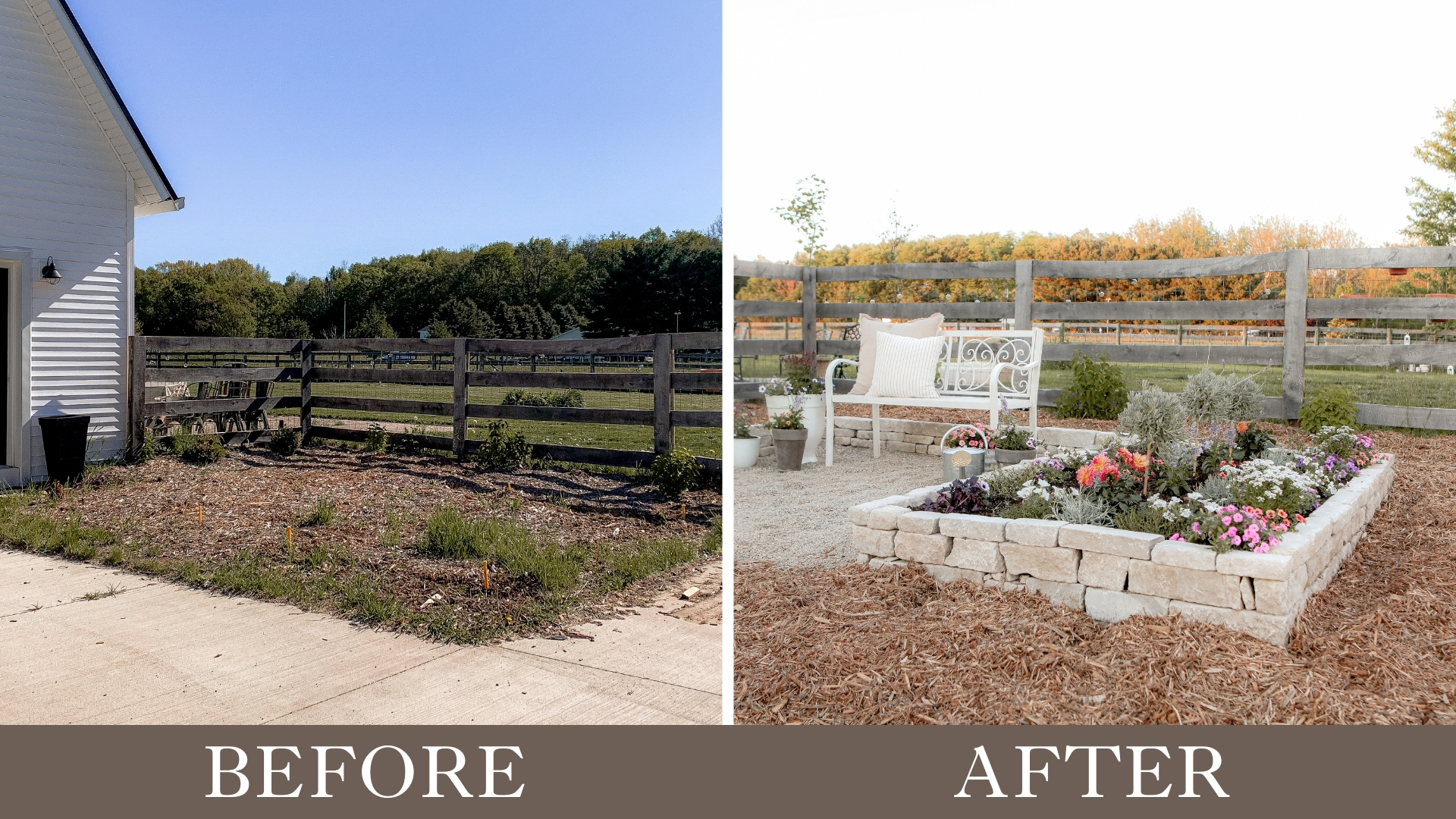
Credit: www.sugarmaplefarmhouse.com
Building The Stone Walls
Building stone walls for a raised garden bed adds beauty and function. You need to place each stone carefully for strength and durability.
This guide covers how to lay the first layer, stack stones securely, and ensure the wall stays stable and tall.
Laying The First Layer
Start by clearing and leveling the ground where the wall will sit. Use a flat surface to keep the stones steady.
Choose the largest and flattest stones for the first layer. This base layer supports the whole wall.
Stacking Stones Securely
Place each stone so it fits tightly with the ones around it. Avoid gaps to keep the wall strong and neat.
- Use stones of similar size for even stacking.
- Fit stones like puzzle pieces to lock them in place.
- Tap stones gently with a rubber mallet to settle them.
- Check that stones do not wobble before adding the next layer.
Ensuring Stability And Height
Keep the wall stable by staggering joints between stones in each new layer. This spreads weight evenly.
| Tip | Reason |
| Use crushed stone behind wall | Improves drainage and support |
| Check wall level often | Prevents leaning and uneven height |
| Build no higher than 24 inches without reinforcement | Maintains safety and strength |
| Add soil or gravel fill as you build | Reduces pressure on stones |
Filling The Garden Bed
Filling a raised stone garden bed correctly helps plants grow strong. Using the right materials ensures good drainage and nutrients.
This guide explains how to choose soil, add compost, and layer the soil for best results.
Choosing Soil Mix
Pick a soil mix that drains well and holds moisture. A good mix usually has garden soil, sand, and organic matter.
- Use equal parts of garden soil and compost
- Add one part coarse sand for drainage
- Ensure the soil is loose, not compacted
- Check that the soil is free of weeds and debris
Adding Compost And Nutrients
Compost adds nutrients and improves soil texture. Mix it well to feed your plants naturally.
| Type | Benefit |
| Compost | Increases nutrients and soil life |
| Bone meal | Provides phosphorus for roots |
| Blood meal | Rich in nitrogen for leaves |
| Wood ash | Supplies potassium and raises pH |
Layering Soil Properly
Layer soil to help water flow and roots grow. Start with coarse materials at the bottom.
- Place small stones or gravel at the base for drainage.
- Add a layer of coarse organic matter like twigs or straw.
- Fill with your prepared soil mix on top.
- Water each layer lightly before adding the next.
Planting Your Garden
Planting in a raised stone garden bed is fun and rewarding. It lets you control soil and plant choices easily.
Good planning helps your garden grow healthy and look beautiful. Start by picking the right plants and arranging them well.
Selecting Plants For Raised Beds
Choose plants that fit the size of your raised bed. Pick ones that grow well in your climate and soil type.
Mix vegetables, herbs, and flowers for variety. Use plants that need similar water and sunlight levels together.
- Leafy greens like lettuce and spinach
- Herbs such as basil, thyme, and parsley
- Flowers like marigolds and pansies to attract pollinators
- Compact vegetables like cherry tomatoes and peppers
Arranging For Visual Appeal
Arrange plants by height with tall ones at the back. Place shorter plants in front to see them easily.
Group plants with similar colors or leaf shapes. This makes your garden look neat and inviting.
- Place tall plants like sunflowers or corn at the back
- Mid-height plants such as tomatoes in the middle
- Low-growing herbs and flowers at the front
- Use clusters of the same plant for a bold look
Watering And Mulching Tips
Water your raised bed regularly. Check soil moisture by touching it to avoid overwatering.
Apply mulch to keep soil moist and stop weeds. Mulch also helps keep roots cool in hot weather.
- Water in the morning for best absorption
- Use organic mulch like straw or bark chips
- Keep mulch a few inches away from plant stems
- Check soil moisture before watering again
Maintenance And Care
Taking care of a raised stone garden bed helps plants grow strong. Good maintenance keeps the bed clean and healthy. Regular attention makes gardening easier and more fun.
This guide covers simple steps for watering, weed control, and seasonal upkeep. Follow these tips to keep your garden bed in top shape all year.
Regular Watering Schedule
Water your raised stone garden bed carefully. The soil dries faster in raised beds, so check moisture often. Water deeply to reach plant roots and avoid shallow watering.
- Water early in the morning to reduce evaporation.
- Use a soaker hose or drip irrigation for even watering.
- Adjust water amounts based on weather and plant needs.
- Avoid watering leaves to prevent disease.
- Check soil moisture with your finger before watering.
Weed Control Strategies
Weeds compete with your plants for water and nutrients. Keep weeds out by pulling them early and often. Mulching helps block weed growth and keeps soil moist.
| Weed Control Method | Benefits |
|---|---|
| Hand Pulling | Removes weeds gently without chemicals |
| Mulching | Prevents new weeds and retains soil moisture |
| Hoeing | Kills young weeds quickly |
| Organic Herbicides | Safe for plants and environment |
Seasonal Upkeep
Change your care routine with the seasons to keep plants healthy. Clean debris and check stone walls for damage. Prepare the bed for new plants in spring and protect roots in winter.
- Remove dead plants and fallen leaves in fall.
- Check for cracks or loose stones and fix them.
- Add compost or fresh soil before planting season.
- Cover the bed with mulch to protect roots in cold months.
- Prune plants to encourage growth and remove damaged parts.
Frequently Asked Questions
What Materials Are Best For Raised Stone Garden Beds?
The best materials include natural stone, concrete blocks, or bricks. Natural stone offers durability and aesthetic appeal. Choose stones that resist weather damage. Ensure materials complement your garden’s style and budget for long-lasting results.
How Deep Should A Raised Stone Garden Bed Be?
A raised stone garden bed should be 12 to 18 inches deep. This depth allows sufficient root growth for most plants. Deeper beds are ideal for root vegetables. Adjust depth based on the plants you want to grow.
Can I Build A Raised Stone Bed On Any Soil?
Yes, you can build a raised stone bed on most soil types. However, ensure proper drainage to avoid waterlogging. Add a layer of gravel at the base for better drainage. This helps maintain healthy plant roots and soil structure.
How Do I Maintain A Raised Stone Garden Bed?
Maintain by regularly removing weeds and replenishing soil nutrients. Inspect stones for stability and repair any loose ones. Water plants consistently and mulch to retain moisture. Proper maintenance extends the bed’s life and ensures healthy plants.
Conclusion
Building a raised stone garden bed brings many benefits. It improves soil drainage and keeps plants healthy. Stones create a sturdy frame that lasts for years. You can grow flowers, vegetables, or herbs easily. This project adds beauty and order to your garden space.
With simple tools and effort, anyone can build one. Start small and enjoy watching your garden grow strong. Raised beds help make gardening easier and more fun. Give it a try and see the difference yourself.