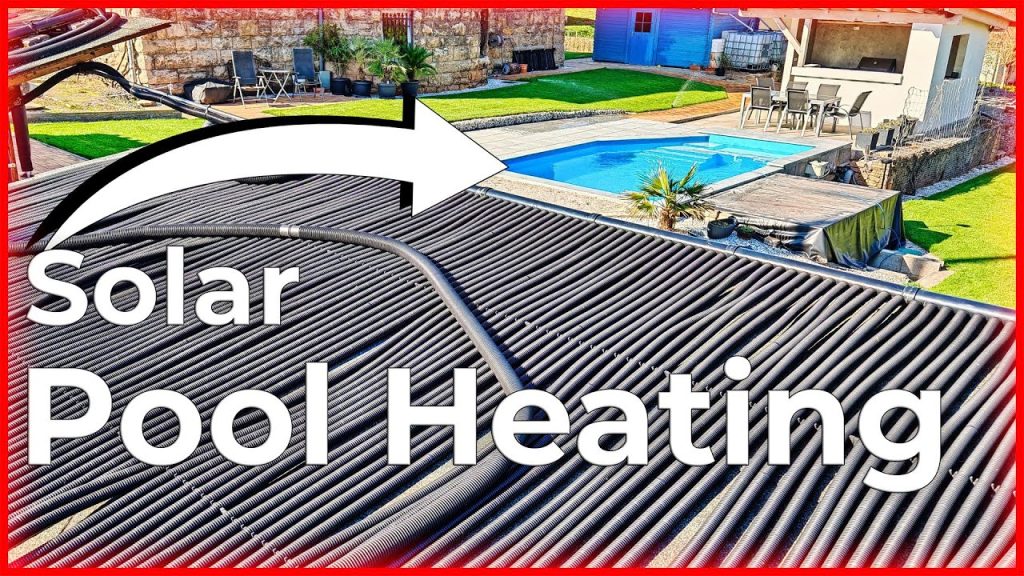
Imagine enjoying your pool even when the sun starts to dip or on those cooler days. What if you could heat your pool without skyrocketing energy bills or complex equipment?
You can—and it’s simpler than you think. Building a solar pool heating system lets you take control of your pool’s temperature while saving money and helping the environment. Ready to learn how you can create your own efficient, eco-friendly heating system?
Keep reading, and you’ll discover easy steps to make your pool warm and inviting all season long.

Credit: www.reddit.com
Benefits Of Solar Pool Heating
Solar pool heating uses the sun’s energy to warm your pool water. It is an eco-friendly and cost-effective way to enjoy your pool longer.
This system helps save energy and reduces your electricity bills by using free solar power.
Energy Savings
Solar pool heating lowers your use of electric or gas heaters. It uses sunlight, which is free and clean.
You can save a lot of money on your energy bills every year by using solar heating.
Environmentally Friendly
Solar heating does not produce harmful gases or pollution. It helps reduce your carbon footprint.
Using solar energy protects the environment and helps fight climate change.
Longer Swimming Season
Solar pool heaters keep your pool water warm for more months. You can swim comfortably even in cooler weather.
This system extends the use of your pool beyond the normal summer months.
Low Maintenance
Solar pool heating systems need little upkeep. They have no moving parts that wear out fast.
Regular checks and cleaning are enough to keep the system working well for years.
Cost-effective Investment
Though the initial cost may be higher, solar heating saves money over time. You avoid high energy bills.
The system can increase your home’s value and appeal to buyers who want green features.
Choosing The Right Solar Panels
Building a solar pool heating system starts with picking the right solar panels. Good panels make sure your pool water stays warm and comfortable.
Knowing the types, size, and quality of panels helps you get the best system for your pool and budget.
Types Of Solar Collectors
Solar collectors come in different types. Each type works best in certain conditions and budgets.
- Flat-plate collectors:These have a flat surface that absorbs sunlight. They are common and work well in warm climates.
- Evacuated tube collectors:These use glass tubes to trap heat. They are efficient in cooler weather but cost more.
- Unglazed collectors:These are simple panels without glass. They are cheaper and good for pools in hot areas.
Sizing Your System
Choosing the right size for your solar panels is key. A system too small won’t heat well. Too large wastes money.
| Pool Size (gallons) | Recommended Panel Area (sq ft) |
| Up to 10,000 | 40 – 60 |
| 10,000 – 20,000 | 60 – 100 |
| 20,000 – 30,000 | 100 – 140 |
| Above 30,000 | 140+ |
Materials And Quality
Check the materials used in solar panels. Good materials last long and resist weather damage.
- Durable plastic or metal frames
- UV-resistant coatings
- High-quality absorber plates
- Strong connections and seals
Essential Tools And Materials
Building a solar pool heating system needs specific tools and materials. These help you make the system safe and effective.
This guide covers the key items to gather before starting your project.
Solar Collectors
Solar collectors absorb sunlight to heat your pool water. You can buy ready-made panels or build your own from black tubing.
Pipes And Fittings
Use durable pipes to connect the collectors to your pool’s pump and filter system. PVC pipes work well for this task.
- PVC pipes (1 to 2 inches in diameter)
- Elbows and connectors
- Pipe glue and primer
- Pipe hangers or straps
Pump And Flow Control
Your pool’s pump must push water through the solar collectors. A valve or controller helps manage water flow and temperature.
Mounting Hardware
To fix solar panels on your roof or frame, you need strong mounts. These should keep panels stable in wind and rain.
| Material | Purpose |
| Aluminum brackets | Support panels on roof |
| Stainless steel screws | Resist rust and hold mounts |
| Wooden frame | Build ground-level support |
Basic Tools
- Drill with bits for metal and wood
- Pipe cutter or saw
- Screwdrivers
- Wrench set
- Teflon tape for pipe threads
- Measuring tape
- Level tool
Sealing And Insulation
Sealing all joints prevents leaks. Insulating pipes reduces heat loss and keeps your system efficient.
- Silicone sealant
- Pipe insulation foam
- Waterproof tape

Credit: www.celestialsolar.com
Planning Your Installation
Building a solar pool heating system needs careful planning. Good planning helps you save money and get better results.
Start by thinking about where to put the panels, how much sunlight they get, and how to design the system.
Selecting The Location
Choose a spot that is close to your pool and filter system. This helps reduce the cost of pipes and pumps.
A flat roof or open ground with no shade works best. Avoid places near tall trees or buildings that block the sun.
- Near the pool pump to lower pipe length
- Flat and strong surface to hold solar panels
- Away from shade caused by trees or buildings
Assessing Sunlight Exposure
Solar panels need direct sunlight to work well. Check how much sun the area gets each day.
Use a sun chart or watch the spot at different times. The best place gets sun for at least six hours daily.
- Observe area from morning to afternoon
- Look for shadows that move during the day
- Choose location with most sun exposure
Designing The Layout
Plan the size and shape of your solar panel array. Match it to your pool size and heating needs.
Arrange panels in a way that fits your chosen location and keeps pipes short. Make sure water flows easily through the system.
- Calculate pool surface area to estimate panel size
- Place panels in a row or grid for easy installation
- Keep pipes short and use proper valves for control
Installing The Solar Collectors
Installing solar collectors is key to building a solar pool heating system. Proper installation helps capture sunlight to warm your pool water.
This guide covers how to mount panels, connect pipes, and seal and insulate the system.
Mounting The Panels
Place the solar panels where they get full sun most of the day. Roofs facing south work best in the northern hemisphere.
Use sturdy brackets to fix the panels in place. Make sure they have a slight tilt for better water flow and sun exposure.
- Choose a sunny, open area
- Use strong mounting brackets
- Angle panels about 15 to 30 degrees
- Secure panels tightly to resist wind
Connecting The Pipes
Use PVC or rubber pipes to connect the solar collectors to your pool’s pump and filter system. Pipes carry water to and from the panels.
Ensure all pipe connections are tight to avoid leaks. Use pipe clamps and fittings designed for outdoor use.
- Use durable pipes for hot water
- Connect pipes from pool pump to panels
- Return heated water back to the pool
- Check all joints and fittings carefully
Sealing And Insulation
Seal all pipe connections with waterproof sealant. This stops water from leaking and keeps the system efficient.
Insulate pipes that run in cold or shaded areas. Pipe insulation reduces heat loss and keeps water warm.
- Apply waterproof sealant to pipe joints
- Use foam or rubber insulation sleeves
- Cover exposed pipes with weatherproof tape
- Inspect seals and insulation regularly
Setting Up The Pump And Controller
The pump and controller are key parts of a solar pool heating system. They move water through the solar panels and control when the system runs.
This guide covers how to install the pump, wire the controller, and test the system for proper operation.
Installing The Pump
Place the pump near the pool’s filter and heater. Make sure it sits on a flat, stable surface to avoid vibrations.
Connect the pump’s inlet to the pool filter outlet and the outlet to the solar panel inlet pipe. Use PVC glue to secure all joints tightly to prevent leaks.
- Check that all pipes are free of debris before connecting.
- Use Teflon tape on threaded fittings to ensure a good seal.
- Install a bypass valve if you want to control water flow through the panels.
- Make sure the pump is close enough to power for easy wiring.
Wiring The Controller
The controller uses sensors to turn the pump on or off based on water and air temperature.
Follow these steps to wire the controller safely:
| Wire | Connect To | Notes |
| Power input | Electrical source | Use proper voltage and circuit breaker |
| Pump relay output | Pump motor | Controls pump on/off |
| Temperature sensor 1 | Pool water | Measures pool temperature |
| Temperature sensor 2 | Solar panel | Measures panel temperature |
Double-check all connections before turning on power. Use wire nuts and electrical tape for safety.
Testing The System
Test the system to make sure the pump runs only when the solar panels can heat the pool.
- Turn on the pool pump and controller power.
- Heat the solar panels by exposing them to sunlight.
- Check the controller display for temperature readings.
- Observe if the pump starts when panel temperature is higher than pool temperature.
- Turn off the pump manually to test the controller’s response.
- Fix any leaks or wiring issues before full use.
System Maintenance Tips
Keeping your solar pool heating system in good shape helps it work well. Regular care stops problems early and saves money.
Follow simple steps to clean, winterize, and fix common issues. This makes your system last longer and heat your pool efficiently.
Regular Cleaning
Clean your solar panels and pool system parts to remove dirt and debris. This keeps sunlight strong for heating your pool water.
- Check panels weekly for leaves, dust, or bird droppings.
- Use a soft brush or cloth with mild soap and water.
- Rinse panels gently with a hose to avoid damage.
- Clean filters and pump baskets monthly to keep water flow steady.
Winterizing Your System
Prepare your solar pool heater for cold weather to stop damage from freezing. Drain water and protect parts during winter months.
| Winterizing Task | Action |
|---|---|
| Drain Solar Panels | Remove all water to prevent freezing and cracking. |
| Turn Off Pump | Switch off the pump and power to avoid running dry. |
| Cover Panels | Use a protective cover to block debris and ice. |
| Inspect System | Check pipes and connections for leaks or damage before winter. |
Troubleshooting Common Issues
Fix small problems quickly to keep your system running. Look for leaks, low water flow, or weak heating.
- Check for leaks in pipes and seals and repair them fast.
- Clean clogged filters and clear debris from pumps.
- Make sure the pump runs correctly and the system cycles water well.
- Test the thermostat and sensors to ensure accurate control.

Credit: www.diysolarpoolheaterkits.com
Frequently Asked Questions
How Does A Solar Pool Heating System Work?
A solar pool heating system uses solar panels to collect sunlight. The panels heat water, which circulates back to the pool. This process raises the pool’s temperature using renewable energy, reducing electricity or gas costs.
What Are The Main Components Needed For Solar Heating?
Key components include solar panels, a pump, filter, and controller. The pump circulates water through the panels. The controller manages water flow based on temperature to optimize heating efficiency.
How Much Can I Save With Solar Pool Heating?
Solar pool heating can save up to 50-70% on heating costs. Savings depend on your climate, pool size, and system efficiency. It’s an eco-friendly, cost-effective alternative to traditional heaters.
Is Installation Diy-friendly For Beginners?
Yes, many systems offer DIY kits with clear instructions. Basic plumbing and electrical skills are helpful. However, professional help ensures optimal setup and safety, especially for complex systems.
Conclusion
Building a solar pool heating system saves money and energy. It uses sunlight to warm your pool naturally. The steps are simple and clear to follow. With some effort, you can enjoy warm water longer. This system helps the environment by reducing electricity use.
Plus, it adds value to your home. Start with basic parts and install carefully. Check the system often to keep it working well. Solar heating makes your pool comfortable and eco-friendly. Give it a try and enjoy swimming every season.