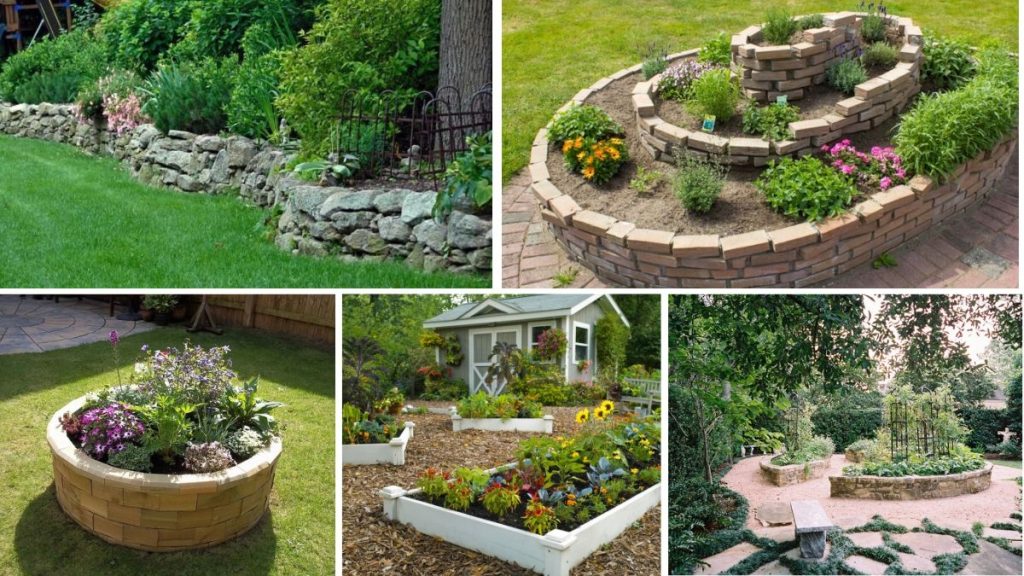
Are you ready to transform your garden into a beautiful, sturdy space that grows healthy plants year after year? Building a stone raised garden bed is one of the best ways to do that.
Not only does it add charm and structure to your outdoor area, but it also makes gardening easier and more enjoyable. Imagine having a garden bed that stays strong through all seasons, keeps soil healthy, and looks amazing. In this guide, you’ll learn simple steps to build your own stone raised garden bed, even if you’ve never done any stonework before.
Let’s get started on creating a garden space you’ll love to spend time in!
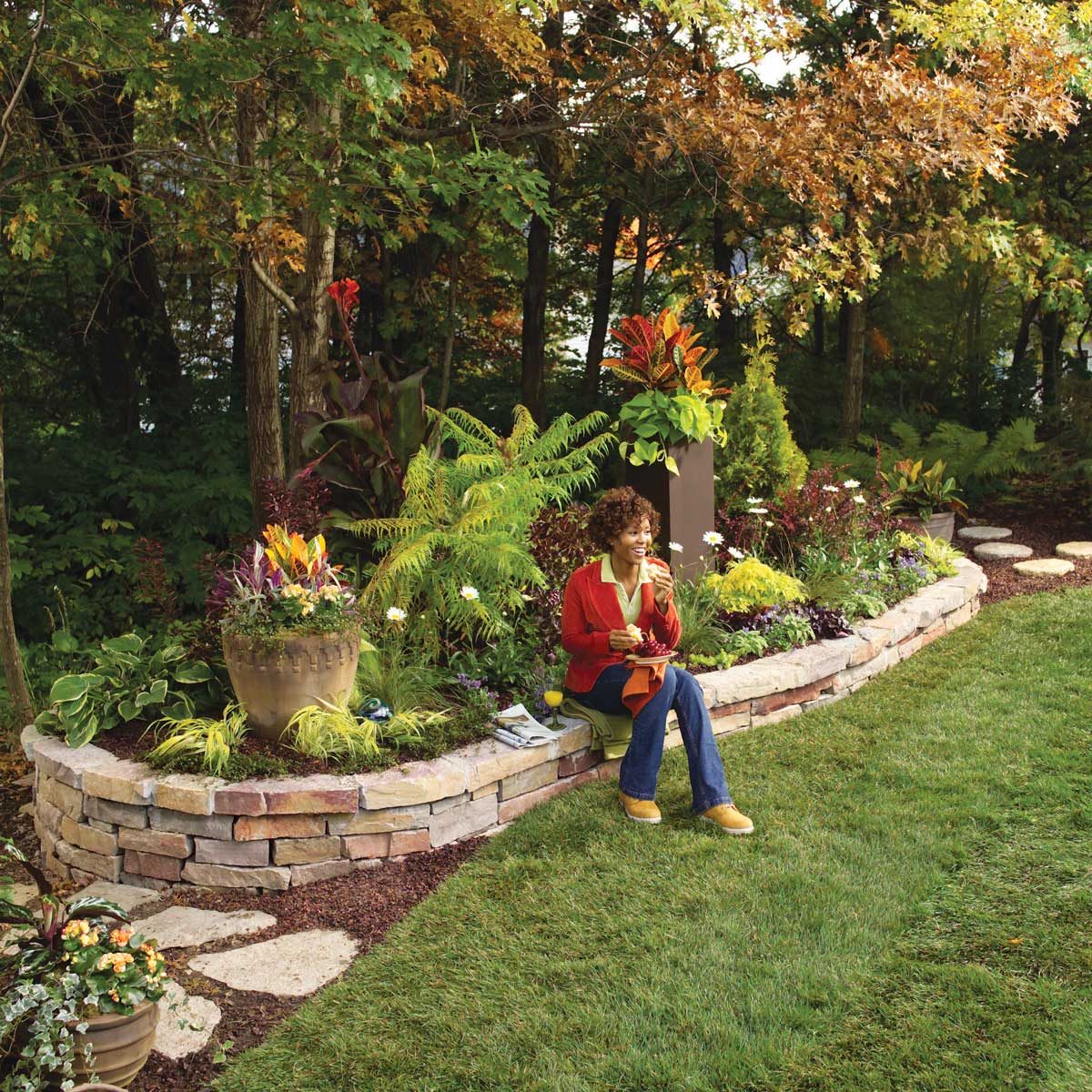
Credit: www.familyhandyman.com
Choosing The Right Location
Picking the best spot is key to building a stone raised garden bed. The right place helps plants grow strong and healthy.
Think about sunlight, water flow, space, and how easy it is to reach your garden bed.
Assessing Sunlight And Drainage
Plants need enough sunlight to grow well. Choose a spot that gets at least six hours of sun daily. Avoid shady areas near tall trees or buildings.
Good drainage stops water from pooling around your plants. Check the area after rain. If water stays for hours, pick a higher spot or add soil to improve drainage.
Measuring The Space
Measure the area where you want to build. Know the length and width to plan the size of your garden bed. Make sure there is enough room for stones and soil.
| Space Feature | Recommended Size |
| Width | 3 to 4 feet |
| Length | 6 to 8 feet |
| Height | 12 to 24 inches |
Considering Accessibility
Make sure you can reach your garden easily. Think about how you will water, weed, and harvest. Paths should be clear and wide enough to walk comfortably.
- Place near a water source
- Allow room to walk on all sides
- Avoid crowded or hard-to-reach spots
- Consider how you will carry tools and soil

Credit: www.familyhandyman.com
Selecting Stones And Materials
Building a stone raised garden bed is a rewarding project. Choosing the right stones and materials is essential for success.
Consider the type, size, and local availability of stones. These factors impact the garden bed’s durability and appearance.
Types Of Stones For Garden Beds
Different stones offer various looks and benefits. Some are more durable while others are easier to shape.
- Granite: Strong and long-lasting
- Limestone: Easy to cut and shape
- Sandstone: Offers a rustic appearance
- Fieldstone: Natural and irregular shapes
Tools And Supplies Needed
Gathering the right tools and supplies is important. It makes the building process smoother and faster.
- Shovel: For digging and leveling
- Wheelbarrow: To transport stones
- Level: Ensures stones are even
- Gloves: Protect your hands
- String line: Guides your layout
Sourcing Materials Locally
Finding materials nearby can save money and support local businesses. It also reduces transportation costs and environmental impact.
Check with local quarries or landscaping suppliers. They often have a variety of stones available.
- Visit local quarries for affordable stones
- Ask neighbors or friends for extra stones
- Check classified ads for leftover materials
Preparing The Site
Building a stone raised garden bed starts with good site preparation. A well-prepared site helps your bed stay strong and last long.
Take time to prepare the ground before placing stones. This makes building easier and safer for plants.
Clearing And Leveling The Ground
First, clear the area of grass, weeds, and rocks. Remove anything that can block stone placement or plant roots.
Next, level the ground using a shovel or rake. A flat surface keeps the stones steady and the bed even.
- Remove grass and weeds completely
- Pick out rocks and debris
- Use a rake to smooth the soil
- Check with a level tool for flatness
Marking The Bed Layout
Mark the shape and size of your garden bed on the ground. Use string and stakes for clear lines.
This step guides stone placement and keeps the bed symmetrical and neat.
- Drive stakes at each corner
- Tie string tightly between stakes
- Check measurements to match your plan
- Adjust lines until the shape looks right
Laying A Foundation
Create a strong base by digging a shallow trench along the marked lines. This holds the stones steady.
Fill the trench with gravel or sand to improve drainage and keep stones from shifting.
- Dig a trench about 4 to 6 inches deep
- Make sure the trench follows your string lines
- Pour gravel or coarse sand into the trench
- Level and compact the base material
Building The Stone Walls
Building stone walls is a key part of making a raised garden bed. Strong walls hold soil in place and last for many years.
Good walls start with choosing and placing stones carefully. This guide explains how to arrange, stack, and secure stones.
Arranging The Stones
Place the largest stones at the bottom of the wall. This makes the base strong and stable. Sort stones by size before building.
Fit stones close together to reduce gaps. Use smaller stones to fill spaces between larger ones. This helps the wall stay firm.
- Start with flat, wide stones for the foundation
- Arrange stones so they lean slightly inward
- Use a mix of shapes for a natural look
- Fill gaps with small stones or gravel
Stacking Techniques For Stability
Stack stones in layers called courses. Keep each layer level to avoid leaning. Stagger joints between stones for strength.
Lay each new stone so it rests on two stones below. This locks stones in place and stops movement. Check alignment often.
- Place stones with flat sides facing up
- Offset joints by half a stone in each layer
- Use a level to keep layers straight
- Fill any gaps with small stones to prevent shifting
Securing With Mortar Or Dry Stacking
You can build walls with mortar or by dry stacking. Mortar binds stones tightly. Dry stacking relies on careful stone placement.
Mortar makes the wall stronger but needs drying time. Dry stacking lets water drain easily and is easier to fix later.
- Mortar:Mix and apply between stones for a solid bond
- Dry Stacking:Fit stones tightly without mortar
- Choose mortar for permanent walls
- Choose dry stacking for drainage and easy changes
Filling And Planting
Filling your stone raised garden bed with the right soil is key for healthy plants. Planting comes next and needs careful choices.
This guide explains how to pick soil, add compost, and choose plants for raised beds.
Choosing The Right Soil Mix
Good soil drains well and holds moisture. Use a mix that lets roots grow strong.
A good soil mix for raised beds has garden soil, compost, and sand or perlite for drainage.
- 50% topsoil or garden soil
- 30% compost
- 20% sand or perlite
Adding Compost And Amendments
Compost adds nutrients and improves soil texture. Use well-rotted compost for best results.
Other amendments like peat moss or coconut coir help keep soil moist. Mix them evenly into your soil.
- Mix compost with soil before filling the bed
- Add peat moss to improve water retention
- Use lime if soil is too acidic
Selecting Plants For Raised Beds
Choose plants that grow well in raised beds. Consider space and sunlight needs.
Vegetables, herbs, and flowers all do well in stone raised beds. Pick plants that suit your climate.
- Leafy greens like lettuce and spinach
- Herbs such as basil, thyme, and parsley
- Flowers like marigolds and nasturtiums
- Root vegetables including carrots and radishes
Maintaining Your Raised Garden Bed
Keeping your stone raised garden bed healthy takes regular care. You will help plants grow strong and avoid problems.
Use simple methods to water, mulch, control pests, and do seasonal tasks. These steps keep your garden neat and productive.
Watering And Mulching Tips
Water your garden bed early in the morning or late in the evening. This reduces water loss from heat. Use drip irrigation or a soaker hose for best results.
- Water deeply to encourage strong roots
- Check soil moisture before watering again
- Apply mulch to keep soil moist and cool
- Use organic mulch like straw or wood chips
- Renew mulch layer every few months
Weed And Pest Control
Weeds and pests can harm your plants quickly. Remove weeds by hand or use a hoe to keep soil loose and clean. Inspect plants often for signs of bugs or damage.
| Method | How It Helps | Tips |
| Hand Weeding | Stops weeds from stealing nutrients | Remove roots completely |
| Natural Predators | Keeps pest numbers low | Encourage ladybugs and spiders |
| Neem Oil Spray | Controls many insect pests | Apply in early morning or evening |
| Crop Rotation | Prevents pest buildup | Change plant families yearly |
Seasonal Care And Upkeep
Season changes mean different tasks for your garden bed. Prepare for winter by cleaning dead plants and adding compost. In spring, loosen soil and check stone walls for damage.
- Clear dead leaves and plants
- Add fresh compost or organic matter
- Check and repair stones if needed
- Plan planting dates for new crops
- Protect plants from frost with covers
Credit: www.gardenary.com
Frequently Asked Questions
What Materials Are Needed To Build A Stone Raised Garden Bed?
You need natural stones, landscape fabric, soil, gravel, and basic tools. Stones form the walls, fabric prevents weeds, and gravel aids drainage. Quality soil supports healthy plant growth. Choose durable stones for long-lasting structure and aesthetics.
How Do I Prepare The Site For A Stone Raised Garden Bed?
Clear the area of debris, weeds, and grass. Level the ground to ensure stability. Lay a weed barrier to reduce maintenance. Mark the bed’s shape with string or spray paint before building.
How Tall Should A Stone Raised Garden Bed Be?
Typically, 12 to 24 inches is ideal for most plants. Taller beds improve drainage and reduce bending. Choose height based on plant types and accessibility needs. Ensure the stone walls are stable at your chosen height.
Can I Build A Stone Raised Bed Without Mortar?
Yes, dry-stacking stones is a common method. It allows natural drainage and easier modifications. Choose flat stones for stability and stack tightly. Mortar can be used for extra strength but is optional.
Conclusion
Building a stone raised garden bed is simple and rewarding. Choose strong stones and plan the shape carefully. Take your time stacking stones to keep them steady. Fill the bed with good soil for healthy plants. Enjoy the beauty and function it adds to your garden.
This project brings both style and utility outdoors. Try it yourself and watch your garden grow. Small effort, big results. A stone bed lasts for years and looks great. Start today and create a space you’ll love.