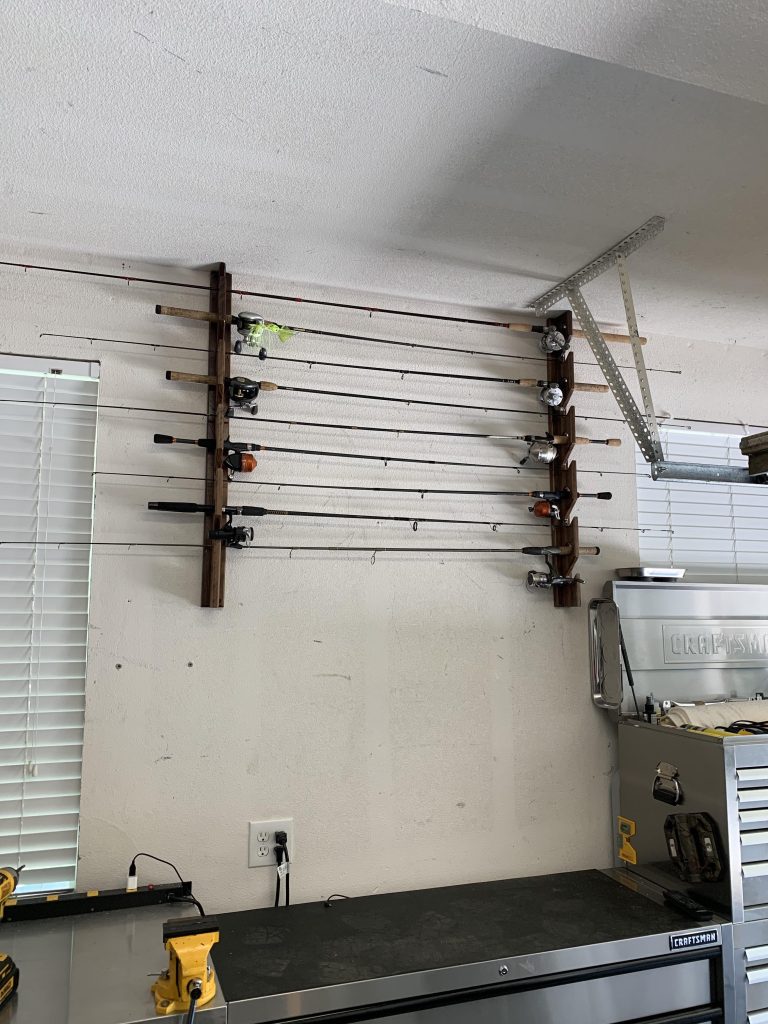
Are you tired of juggling your fishing rods every time you head out? Imagine having a simple, sturdy place to keep them safe and ready while you relax or focus on your catch.
Building your own fishing rod holders is easier than you think—and it can save you money while adding convenience to your fishing trips. In this guide, you’ll discover step-by-step instructions to create holders that fit your style and needs perfectly.
Keep reading, and you’ll be casting lines with confidence and ease in no time!
Materials Needed
Building fishing rod holders is a simple project. You can make them using wood or PVC. Both materials work well and are easy to find.
This guide will help you choose the right materials and tools for your fishing rod holders.
Wood And Pvc Options
Wood is strong and looks natural. It can be cut and shaped easily. Use treated wood to avoid damage from water.
- Cedar or pine wood boards
- Water-resistant wood glue
- Sandpaper for smooth edges
- Wood sealant to protect from moisture
PVC pipes are lightweight and waterproof. They resist rust and last a long time outdoors.
- 1 to 2-inch diameter PVC pipes
- PVC pipe cutter or saw
- PVC cement or strong adhesive
- Sandpaper to smooth cut edges
Tools Required
You need some basic tools to build the holders. These tools help you cut, join, and finish the materials safely.
- Hand saw or power saw
- Measuring tape or ruler
- Drill with drill bits
- Screwdriver or power driver
- Clamps to hold pieces together
- Sandpaper or sanding block
Additional Supplies
Extra supplies help make your fishing rod holders stronger and more durable. They also improve safety while building.
- Wood screws or nails
- Safety glasses and gloves
- Wood stain or paint (optional)
- Brushes for applying stain or paint
- Rubber caps or foam padding for rod protection

Credit: www.youtube.com
Choosing The Right Design
Building fishing rod holders needs the right design. A good design keeps rods safe and easy to use.
Picking the right design depends on how and where you will use the holders.
Types Of Holders
There are many types of fishing rod holders. Each type fits different fishing styles and places.
- Clamp-on holders attach to boat rails or poles.
- Flush mount holders fit into flat surfaces like boats or docks.
- Bank stick holders push into the ground near the water.
- Wall-mounted holders hang rods on walls or sheds.
- Portable holders can be moved easily to different spots.
Considerations For Stability
Stability is important to keep rods safe. The holder must hold rods firmly without tipping.
Check the materials and design to make sure the holder stays steady in use.
- Use strong materials like metal or thick plastic.
- Design wide bases to prevent tipping.
- Secure mounting points if attaching to boats or walls.
- Consider the weight and size of your fishing rods.
Portability Features
Portability lets you move the holder to different fishing spots. This is useful for shore or bank fishing.
Look for designs that are light, foldable, or easy to carry.
- Foldable holders save space in your gear bag.
- Lightweight materials make carrying easier.
- Quick assembly helps set up fast.
- Compact designs fit in small storage areas.
Step-by-step Assembly
Building fishing rod holders is a simple project anyone can do. You only need basic tools and materials.
This guide shows you how to make sturdy rod holders. Follow each step carefully for the best results.
Cutting And Preparing Materials
Start by choosing strong wood or PVC pipes for your rod holders. Measure and mark pieces before cutting.
Cut the materials to size using a saw. Sand any rough edges to avoid splinters or damage to your rods.
- Measure twice to ensure correct sizes
- Use a handsaw or power saw for straight cuts
- Sand edges smooth for safety and finish
Joining Components
Connect the cut pieces to form the holder frame. Use screws or strong glue to join parts securely.
Make sure the joints are tight and stable. Clamp pieces together if needed until glue dries or screws are fastened.
- Align pieces before attaching
- Use wood glue for extra strength
- Pre-drill holes to prevent splitting wood
- Tighten screws firmly but avoid overdriving
Finishing Touches
After assembly, check for any rough spots and sand them smooth. This helps protect your fishing rods.
Apply paint or waterproof sealant to protect the holder from weather. Let it dry completely before use.
- Sand all surfaces for a smooth finish
- Choose waterproof paint or sealant
- Apply two coats for better protection
- Allow full drying time between coats
Credit: www.windycityfishing.com
Customization Ideas
Building fishing rod holders lets you add personal touches. Customization makes your holder fit your style and needs.
Simple changes can improve how your rod holder works and looks. Here are some ideas to help you customize it.
Painting And Coating
Painting your fishing rod holder protects it from water and sun damage. It also adds color and style.
Use weather-resistant paint or coating to keep your holder strong. Pick colors that match your boat or gear.
- Use spray paint for smooth, even coverage
- Apply a clear sealant for extra protection
- Try camouflage paint for outdoor blending
- Use bright colors to find your holder easily
Adding Adjustable Features
Adjustable parts make your fishing rod holder more useful. You can change angles or sizes to hold different rods.
Simple hinges or sliding parts help with adjustability. This lets you store rods safely and use the holder in many places.
- Add swivel joints to change rod angle
- Use sliding tubes to fit different rod sizes
- Include locking screws to fix position securely
- Make height adjustable for comfort and space
Incorporating Storage
Adding storage to your rod holder keeps gear close and organized. You can carry tackle, hooks, or other small items.
Storage can be built-in or attached. Small compartments or hooks help keep your fishing area tidy.
- Attach small boxes or trays for bait and lures
- Add hooks to hang tools or nets
- Build slots for extra rods or accessories
- Use waterproof containers to protect gear
Maintenance Tips
Keeping your fishing rod holders in good shape ensures they last long and work well. Regular maintenance helps avoid damage and keeps your fishing setup safe.
This guide covers simple cleaning and care tips plus how to fix common problems with fishing rod holders.
Cleaning And Care
Clean your fishing rod holders after each use. Saltwater and dirt can cause rust and wear. Use fresh water and mild soap for cleaning.
- Rinse holders with fresh water to remove salt and debris
- Use a soft brush to clean hard-to-reach spots
- Dry completely with a clean cloth to prevent rust
- Apply a light coat of oil on metal parts to protect against corrosion
- Store holders in a dry place away from direct sunlight
Repairing Common Issues
Check your fishing rod holders regularly for damage. Fixing small problems early stops bigger issues later.
| Issue | Cause | Fix |
| Rust spots | Exposure to saltwater | Sand lightly, clean, and oil |
| Loose screws | Vibration and use | Tighten screws or replace if stripped |
| Cracked plastic | Impact or sun damage | Use waterproof epoxy or replace part |
| Stiff movement | Dirt or corrosion | Clean joints and lubricate |

Credit: www.reddit.com
Safety Considerations
Building fishing rod holders requires care to stay safe. Using tools and installing the holders correctly helps prevent accidents.
Follow safety rules to protect yourself and others during the project. This guide covers key points to keep in mind.
Secure Installation
Make sure the fishing rod holders are firmly attached. Loose holders can cause rods to fall and cause injury or damage.
- Use strong screws or bolts for mounting
- Check the surface for stability before attaching holders
- Test each holder by applying pressure before use
- Avoid placing holders where people walk often
- Wear safety gloves when handling hardware
Handling Sharp Tools
Sharp tools like saws and drills are common in this project. Handle them carefully to avoid cuts and injuries.
| Tool | Safety Tip |
| Hand Saw | Cut away from your body and wear gloves |
| Drill | Keep fingers clear of the drill bit |
| Screwdriver | Use the right size to avoid slipping |
| Utility Knife | Cut on a stable surface and retract blade after use |
Frequently Asked Questions
What Materials Are Best For Building Fishing Rod Holders?
Wood, PVC pipes, and metal are popular materials. They offer durability and easy customization for fishing rod holders. Choose materials based on your fishing style and environment.
How Do I Secure Fishing Rod Holders On Boats?
Use clamps, screws, or adhesive mounts for stability. Ensure holders are tightly fixed to prevent movement during fishing trips. Proper mounting improves safety and convenience.
Can I Build Adjustable Fishing Rod Holders?
Yes, adjustable holders can be made using swivel joints or sliding mechanisms. This allows you to change angles easily for better fishing control. Adjustability enhances versatility on various fishing terrains.
How Much Does It Cost To Build Fishing Rod Holders?
Costs vary between $10 to $50 depending on materials and design. DIY holders are usually affordable compared to store-bought options. Budget according to your needs and tools available.
Conclusion
Building fishing rod holders is a rewarding DIY project. It keeps your gear organized and safe. You save space and reduce clutter. Plus, it’s cost-effective and customizable. Choose materials wisely for durability. Remember to measure accurately for the perfect fit.
A well-built holder enhances your fishing experience. Anyone can do it with patience and basic tools. Start today and enjoy the benefits. Crafting your own holder brings satisfaction and practicality. Happy fishing!