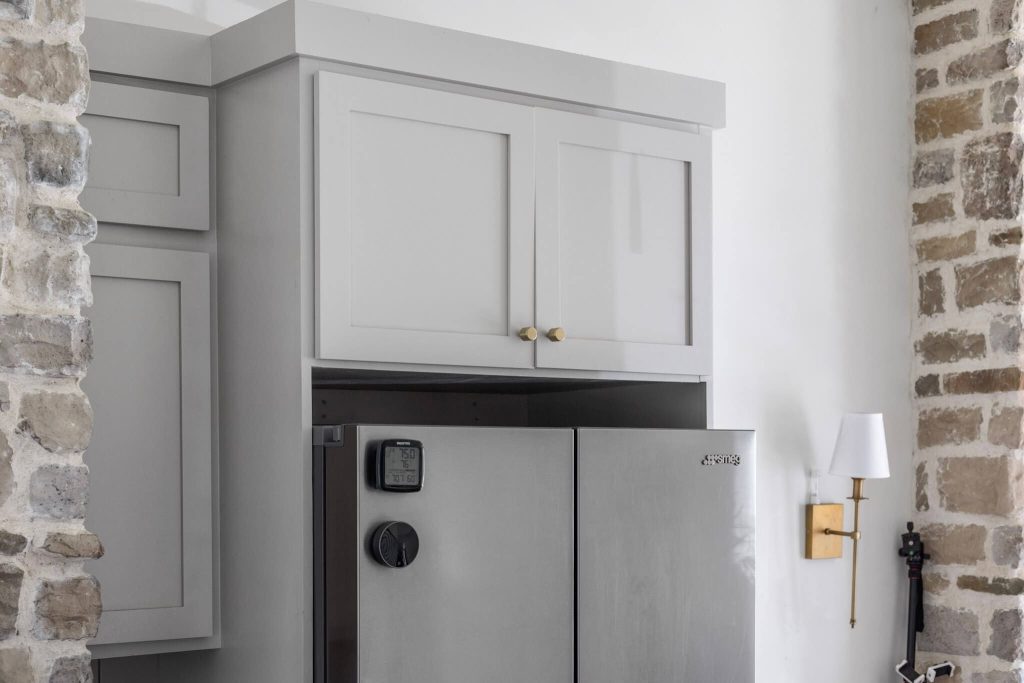
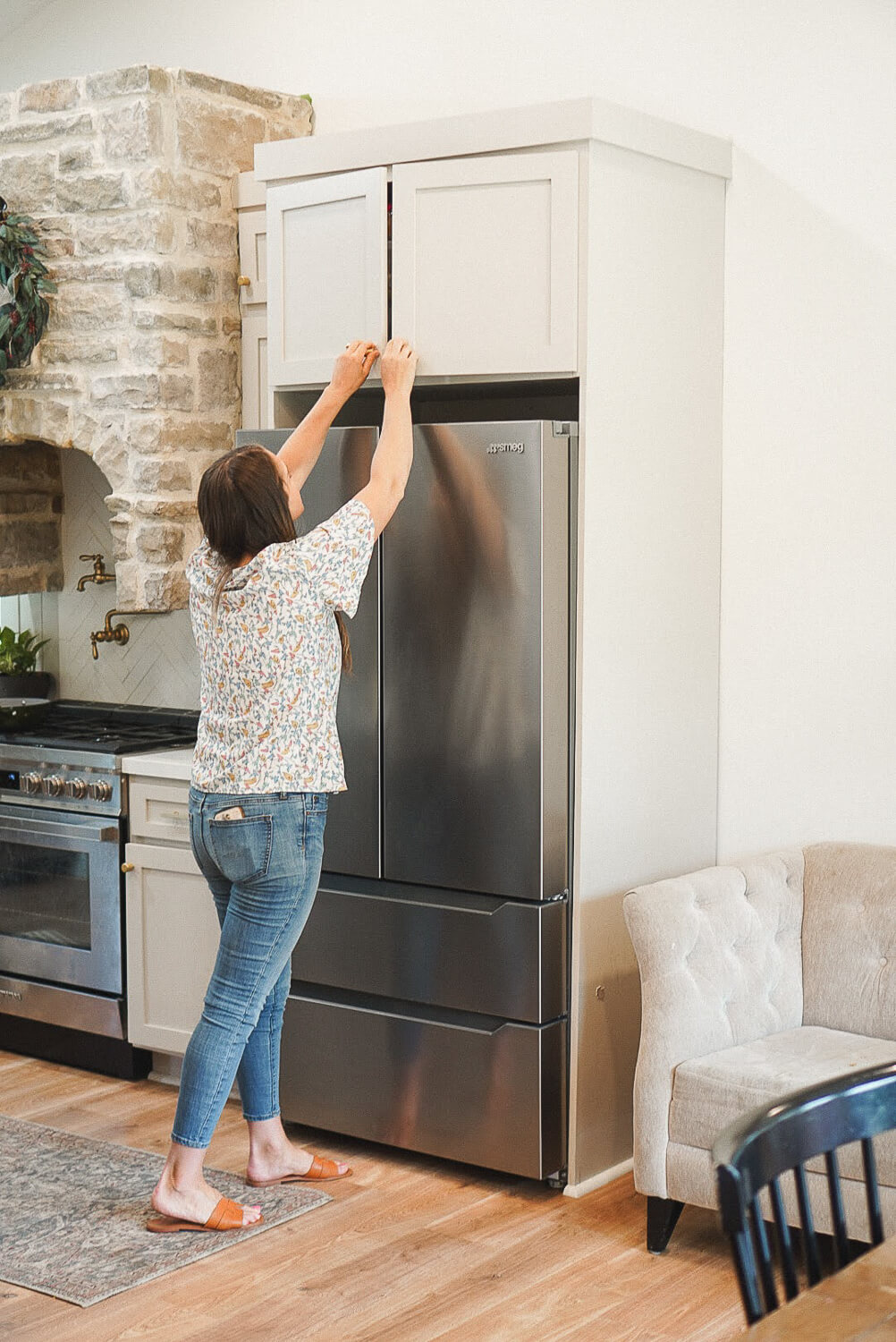
Are you tired of that bulky refrigerator sticking out and ruining the sleek look of your kitchen? Imagine transforming your kitchen into a harmonious space where every element fits perfectly, including your refrigerator.
Yes, it’s possible, and you can do it yourself! Building a refrigerator cabinet not only enhances the aesthetics of your kitchen but also maximizes your space efficiently. Plus, it adds a touch of custom design that can make your kitchen feel more personal and inviting.
In this guide, you’ll discover straightforward steps and insider tips to integrate your refrigerator seamlessly, creating a kitchen that’s both functional and beautiful. Keep reading to unlock the secrets to a stunning kitchen transformation that will leave your guests in awe!
Credit: crystelmontenegrohome.com
Choosing The Right Refrigerator Cabinet
Choosing the right refrigerator cabinet sets the foundation for a seamless kitchen upgrade. It’s not just about fitting your fridge inside a box; it’s about creating a space that blends functionality with style. You want a cabinet that supports your appliance and enhances your kitchen’s flow.
Measuring Your Space
Start with precise measurements of your refrigerator and the area where the cabinet will go. Don’t guess—use a tape measure to get the height, width, and depth. Remember to leave extra room for door clearance and ventilation gaps.
Think about the shape of your fridge too. Is it wider at the top or bottom? Will the doors open fully without hitting walls or counters? Accurate measurements prevent costly mistakes and frustration later on.
Selecting Materials
Your choice of materials affects durability, appearance, and budget. Solid wood offers a classic look but can be pricey, while plywood or MDF with veneer is cost-effective and still stylish. Consider moisture resistance if your kitchen tends to get humid.
Also, think about how the material pairs with your existing cabinets. Matching finishes creates a unified look, but contrasting textures can add visual interest. What’s your kitchen’s current vibe—modern, rustic, or traditional?
Considering Ventilation
Refrigerators need proper airflow to run efficiently and avoid overheating. Without ventilation, your fridge works harder, wastes energy, and may wear out faster. Plan for vents or gaps around the cabinet, especially at the back and top.
Check your fridge manual for specific ventilation recommendations. Some models require more space than others. Can you incorporate discreet vents that maintain your cabinet’s clean look while keeping your fridge cool?
Preparing The Area
Preparing the area before building a refrigerator cabinet is crucial for a smooth installation process. Taking time to get this step right saves you from headaches later. It ensures your new setup fits perfectly, functions safely, and looks great in your kitchen.
Clearing The Space
Start by removing everything from the area where the cabinet will go. This includes old cabinets, appliances, or any clutter. A clean, empty space lets you measure accurately and gives you room to work comfortably.
Think about how much clearance your fridge needs for doors to open fully. Don’t forget to check for vents or other obstacles that could block airflow or access. Have you considered how much space you’ll need to move the fridge in and out later?
Checking Electrical And Plumbing
Next, inspect the electrical outlets near your fridge space. Make sure they are grounded and can handle the fridge’s power needs. If your refrigerator has a water dispenser or ice maker, check the water line too.
Look for leaks, corrosion, or outdated pipes that might cause trouble later. If you’re unsure about any wiring or plumbing, it’s smart to call a professional. Would you want to deal with electrical issues after your cabinet is built?
Ensuring Level Flooring
Level flooring is vital for your fridge to sit evenly and operate correctly. Use a spirit level to check the floor’s flatness. If the floor slopes or has bumps, consider fixing those before building the cabinet.
An uneven floor can cause doors to misalign or the fridge to make noise. I learned this the hard way when my fridge door wouldn’t close properly until I adjusted the floor. What small details might you be overlooking that could affect your fridge’s performance?
Designing The Cabinet Frame
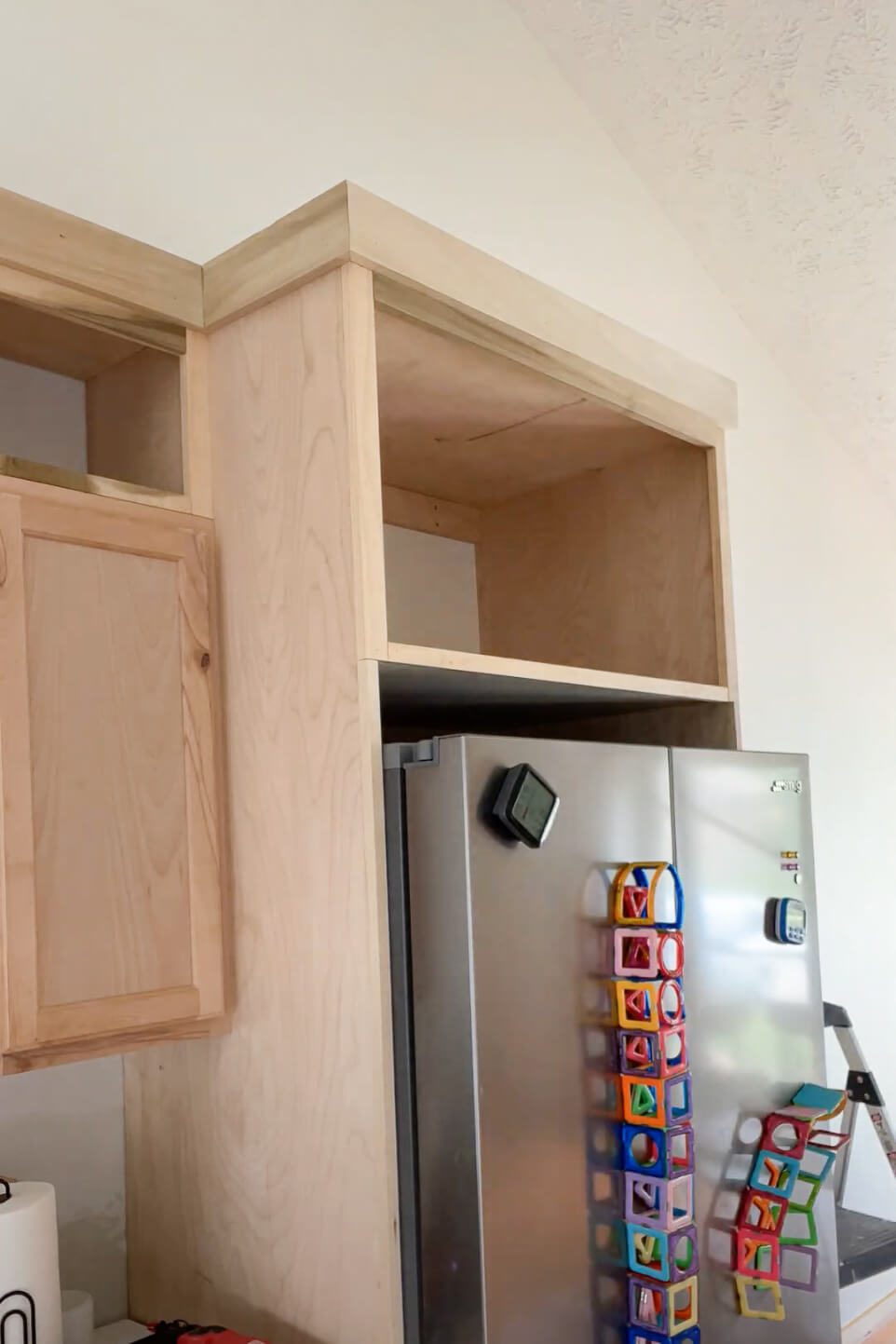
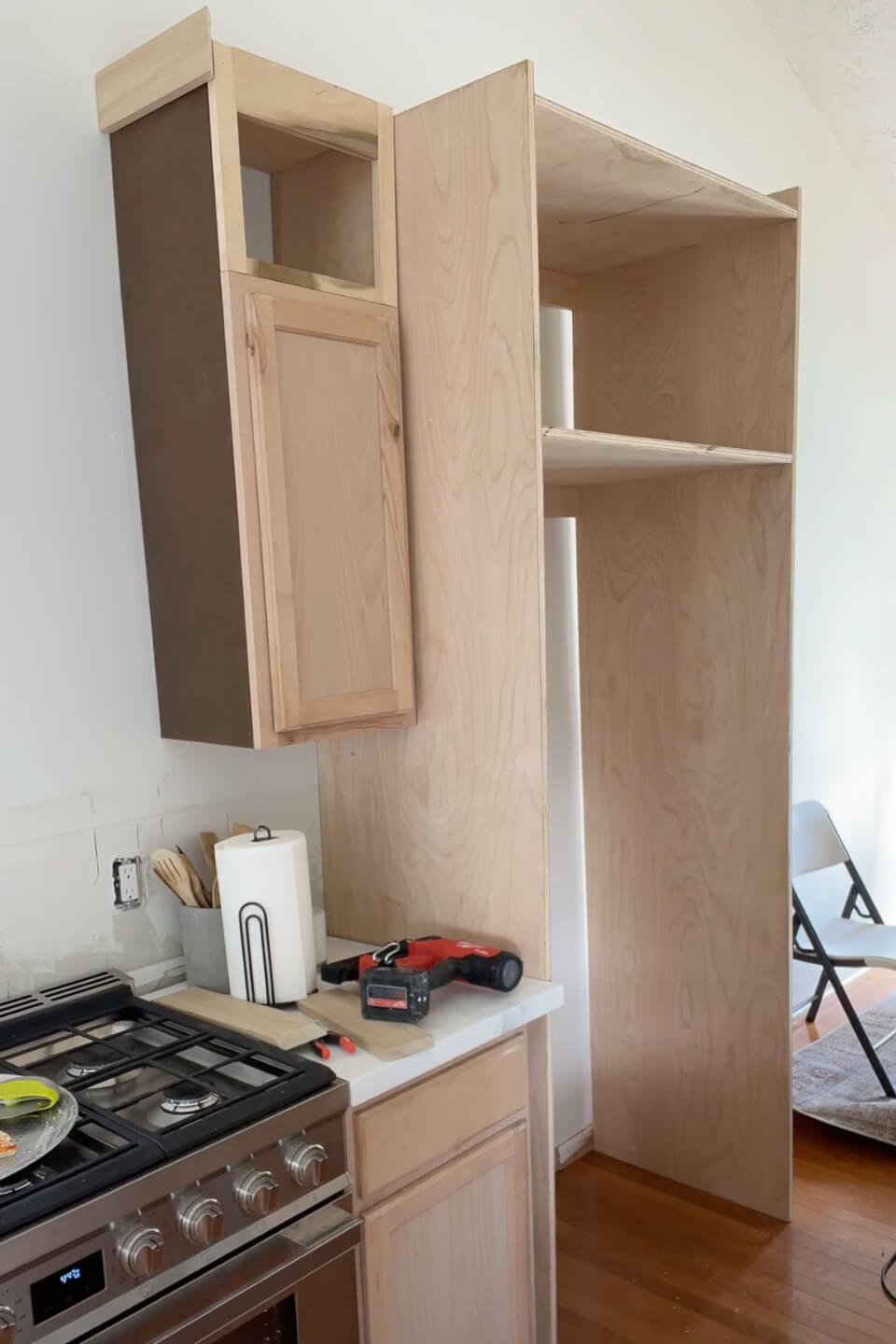
Designing the cabinet frame for your built-in refrigerator is a crucial step that sets the foundation for a perfect fit and lasting durability. You want to ensure the frame not only supports the weight of the fridge but also blends seamlessly with your kitchen’s style. Careful planning and precise construction here will save you from costly adjustments later on.
Creating A Blueprint
Start by measuring your refrigerator’s height, width, and depth with extra clearance for ventilation and door swing. Sketch a detailed blueprint that includes the cabinet’s outer dimensions and internal support placements. Think about how you want the cabinet to align with your existing kitchen cabinets—should it be flush or slightly recessed?
Use graph paper or digital design tools to visualize the frame. This helps avoid mistakes and ensures all parts fit perfectly together. Have you considered how the fridge’s weight will distribute across the frame? Mark those points on your blueprint for added support.
Cutting And Assembling Wood
Choose sturdy wood like plywood or hardwood for a reliable frame. Cut the pieces according to your blueprint, double-checking measurements before each cut to avoid waste. Precision here is key—small errors can make the frame crooked or unstable.
Assemble the cut pieces using wood glue and screws, starting with the base and sides. Keep the frame square by using clamps and a carpenter’s square during assembly. If you’re working alone, a quick tip is to pre-drill holes to make screwing faster and reduce the risk of splitting the wood.
Reinforcing Structure
Reinforce the frame by adding cross braces or corner blocks at stress points. This extra support prevents wobbling and can handle the constant door use without loosening over time. Don’t forget to check the frame for any weak spots or gaps that could compromise stability.
Consider using metal brackets at corners for additional strength, especially if your fridge is heavy. How confident are you that your frame will hold up under daily use? Adding these reinforcements is a simple way to boost durability and give you peace of mind.
Installing The Cabinet
Installing the refrigerator cabinet requires careful attention to detail. Secure placement ensures the cabinet stays stable and functions well. Correct installation also helps the fridge fit seamlessly into your kitchen design. Follow these steps to install the cabinet properly.
Securing To Walls And Floor
First, position the cabinet in the desired spot. Use a level to check it sits evenly. Secure the cabinet to the wall studs using long screws. Attach the bottom of the cabinet firmly to the floor. This prevents any movement or wobbling. Check again for level after securing.
Adding Shelves And Supports
Measure the inside width and depth to fit shelves correctly. Install shelf brackets evenly spaced on the cabinet sides. Place shelves on the brackets and check for stability. Use sturdy materials for shelves to hold heavy items. Add extra supports if shelves show any flex.
Fitting Doors And Hardware
Align the doors with the cabinet opening carefully. Attach hinges to the door and then to the cabinet frame. Adjust hinge screws for perfect door alignment. Install handles or knobs at a comfortable height. Test doors by opening and closing to ensure smooth movement.
Finishing Touches
Finishing touches make your refrigerator cabinet look complete and professional. They protect the wood and improve durability. These final steps also help your cabinet fit well and function properly in your kitchen space. Pay attention to details for a polished result.
Sanding And Painting
Start by sanding the cabinet surface with fine-grit sandpaper. This smooths out rough spots and prepares the wood for paint or stain. Wipe away dust with a damp cloth before painting.
Use paint designed for wood or cabinetry. Apply thin, even coats for a clean finish. Let each coat dry fully before adding another. Choose a color that matches your kitchen décor.
Sealing Gaps
Check for gaps between the cabinet and the wall or floor. Seal these with painter’s caulk or wood filler. This prevents dirt and moisture from entering.
Smooth the caulk with a wet finger or a caulk tool. Allow it to dry completely before painting over it. Sealing gaps helps your cabinet stay sturdy and clean.
Ensuring Proper Ventilation
Refrigerators need air flow to run efficiently. Leave space around the cabinet for ventilation. Follow the fridge manufacturer’s guidelines for clearance.
Install vents or grills if the cabinet design covers the fridge completely. Proper ventilation avoids overheating and extends the fridge’s lifespan. Check vents regularly to keep them clear of dust and debris.
Placing The Refrigerator
Placing the refrigerator in its cabinet is a key step. It requires care and attention to keep the appliance safe and functional. Proper placement ensures the fridge runs efficiently and fits perfectly in the space.
Moving The Fridge Safely
Start by clearing a path to the cabinet. Use a dolly or furniture sliders to move the fridge. Keep the fridge upright to avoid damage to the compressor. Ask for help to prevent dropping or tipping. Avoid dragging the fridge on the floor.
Connecting Power
Check that the power outlet is close to the cabinet. Use a grounded outlet to prevent electrical issues. Avoid using extension cords or adapters. Plug the fridge in only after it is fully placed. Ensure the cord is not pinched or bent.
Checking For Proper Fit
Measure the space before placing the fridge inside. Leave some space around the fridge for air circulation. Check that the doors can open fully without obstruction. Adjust the feet of the fridge to make it level. Make sure the cabinet doors align with the fridge edges.
Maintenance Tips
Maintaining a refrigerator cabinet helps keep it functional and looking new. Regular care prevents damage and extends its life. Simple maintenance tasks avoid costly repairs and improve efficiency.
Cleaning The Cabinet
Wipe the cabinet surface with a soft cloth and mild cleaner. Avoid harsh chemicals that damage finishes. Clean spills immediately to prevent stains and warping. Remove dust around hinges and corners often.
Inspecting For Wear
Check cabinet doors and hinges for looseness or damage. Tighten screws and replace worn parts early. Look for cracks, chips, or swelling in wood. Catching problems early saves time and money.
Ventilation Upkeep
Ensure vents around the cabinet are clear and dust-free. Good airflow prevents overheating and moisture buildup. Clean vent grilles with a brush or vacuum regularly. Keep space behind the fridge open for air circulation.
Credit: crystelmontenegrohome.com
Credit: crystelmontenegrohome.com
Frequently Asked Questions
How Do I Measure For A Refrigerator Cabinet?
Measure the refrigerator’s height, width, and depth carefully. Add extra space for ventilation and door clearance. Accurate measurements ensure a perfect cabinet fit and efficient appliance operation.
What Materials Are Best For A Refrigerator Cabinet?
Use durable, moisture-resistant materials like plywood or MDF. These materials withstand kitchen humidity and support the fridge’s weight. Choose finishes that match your kitchen design for a cohesive look.
How To Ensure Proper Ventilation In A Fridge Cabinet?
Leave gaps around the fridge for air circulation. Install vents or grills on the cabinet’s back or sides. Proper ventilation prevents overheating and maintains the refrigerator’s efficiency.
Can I Build A Custom Cabinet For Any Refrigerator Size?
Yes, custom cabinets can be built to fit any fridge size. Measure precisely and design the cabinet to accommodate your specific model and kitchen layout.
Conclusion
Building a refrigerator cabinet can save space and improve kitchen style. Plan your measurements carefully to fit your fridge perfectly. Choose strong materials that last long and support the weight well. Follow safety tips during cutting and assembling to avoid accidents.
Take your time to make clean cuts and secure all parts tightly. A well-built cabinet keeps your fridge stable and your kitchen neat. Enjoy your new cabinet and the extra storage it offers. Simple steps, smart planning, and patience lead to great results.