
Are you ready to transform your garden into a beautiful and productive space? Building raised garden beds with stone is a smart way to do just that.
Not only do stone beds look stunning, but they also last for years and provide excellent support for your plants. You’ll discover simple steps to create your own raised garden beds using stone—no special skills needed. By the end, you’ll have everything you need to start growing healthier, happier plants right in your backyard.
Let’s get started!
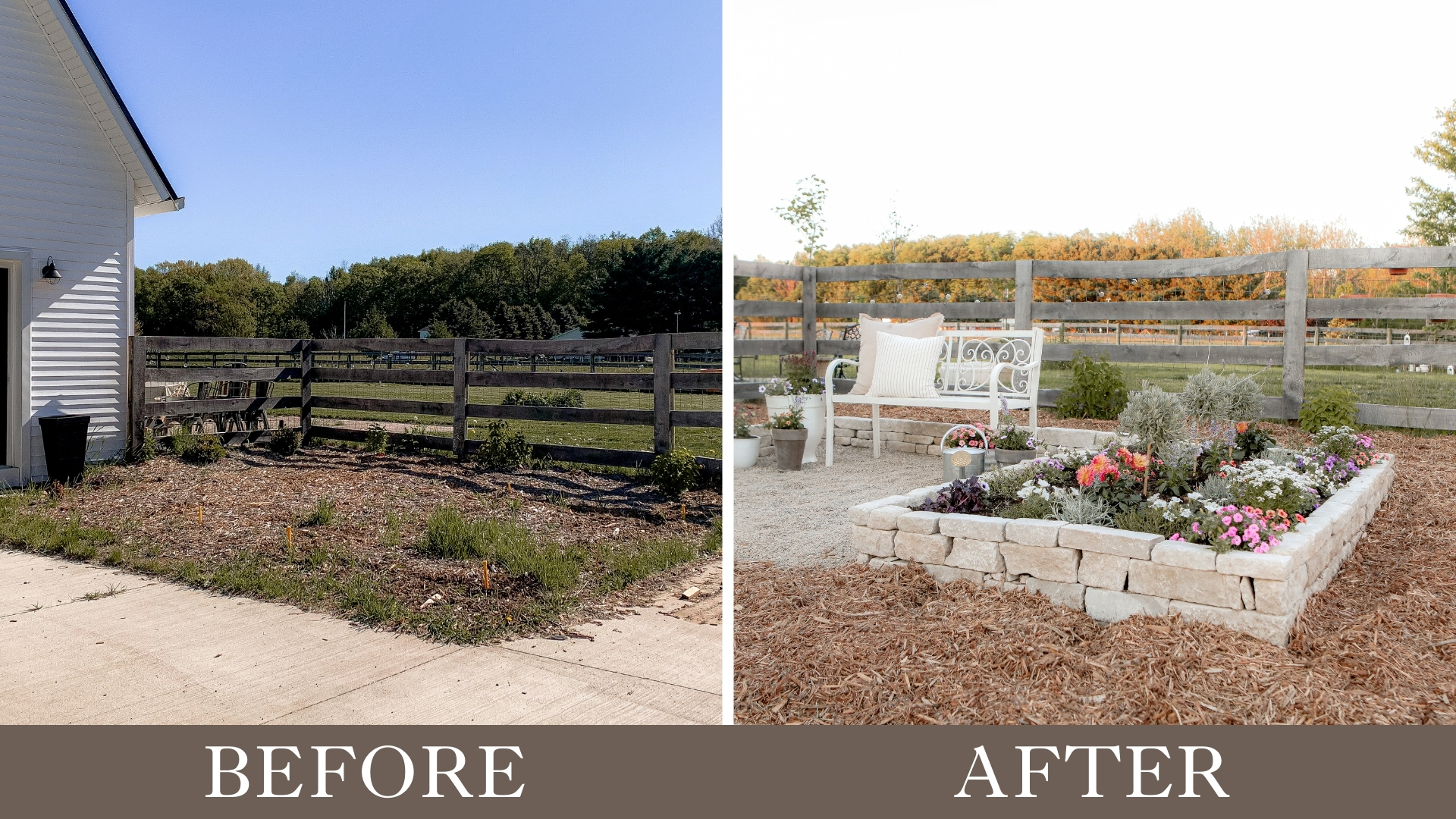
Credit: www.sugarmaplefarmhouse.com
Choosing The Right Location
Picking the right spot for your raised garden bed is very important. The location affects how well your plants will grow.
Good soil, sunlight, and drainage help your garden stay healthy. Let’s look at how to find the best place.
Assessing Sunlight And Drainage
Most vegetables and flowers need at least six hours of sunlight each day. Find a spot that gets enough sun for your plants.
Check if water drains well in the area. Avoid low spots where water can stay and cause root problems.
- Observe the sunlight pattern during the day
- Look for shady areas from trees or buildings
- Test drainage by pouring water on the ground
- Choose higher ground or add soil if drainage is poor
Measuring Your Space
Measure the area where you want to build your raised bed. This helps you plan the size and shape of the bed.
Make sure there is enough room to walk around and tend to your garden comfortably.
- Use a tape measure to find length and width
- Mark the space with stakes or string
- Leave at least 2 feet of walking space around the bed
- Consider the tools and materials you will need nearby

Credit: growingthehomegarden.com
Selecting Stones For Your Bed
Building a raised garden bed with stone adds beauty and durability to your garden. Choosing the right stones is crucial for stability and aesthetics.
Consider the types of stones available and how to source quality materials for your garden project.
Types Of Stones To Use
Different stones offer varying textures and colors. Choose stones that match your garden’s style.
- Granite: Durable and comes in different colors.
- Limestone: Easy to cut, with a natural look.
- Sandstone: Soft and easy to shape, with earthy tones.
- Slate: Thin and flat, perfect for a sleek design.
Sourcing Quality Materials
Finding quality stones ensures your raised bed lasts longer and looks better. Choose stones from reputable sources.
| Source | Pros | Cons |
| Local Quarry | High quality, supports local business | May be more expensive |
| Garden Center | Convenient, various options | Limited selection |
| Online Retailer | Wide selection, competitive prices | Shipping costs, can’t inspect in person |
Gathering Tools And Materials
Building raised garden beds with stone is a great way to grow plants. Before starting, you need to collect the right tools and materials.
Having everything ready makes the work easier and faster. It also helps you avoid interruptions during the project.
Essential Tools Checklist
You will use these tools to shape the garden bed and place the stones correctly. Each tool has a specific job to do.
- Shovel for digging the ground
- Level to check the stones are flat
- Measuring tape to measure the bed size
- Rubber mallet to gently tap stones in place
- Gloves to protect your hands
- Wheelbarrow to carry stones and soil
- Chisel and hammer to shape stones
Additional Supplies Needed
Besides tools, some supplies help make the raised bed strong and neat. These items improve the garden bed’s durability and look.
- Stones or rocks of similar size and shape
- Landscape fabric to prevent weeds
- Gravel for drainage under the bed
- Topsoil or compost to fill the bed
- Sand to level the base layer
- String and stakes to mark the bed outline
Preparing The Site
Building raised garden beds with stone starts with preparing the site carefully. Proper preparation helps the bed last longer and supports healthy plants.
This guide covers two important steps: clearing and leveling the ground and marking the bed outline.
Clearing And Leveling The Ground
Clear the area of grass, weeds, and debris. Remove rocks and roots that can affect the bed’s stability. Level the soil so the stone bed sits evenly.
- Cut and remove grass or plants from the area
- Dig out roots, stones, and debris
- Use a rake to smooth the soil surface
- Check for high or low spots and adjust the soil
Marking The Bed Outline
Mark the edges of your raised bed clearly. This helps guide where to place the stones and keeps the bed shape neat.
| Tool | Purpose |
|---|---|
| Measuring Tape | Measure the bed size accurately |
| String and Stakes | Create a visible outline of the bed |
| Spray Paint or Chalk | Mark the ground for easy reference |
Laying The Foundation
Building a raised garden bed with stone starts with a strong foundation. A stable base keeps your garden bed level and lasting for years. This guide covers two key parts: creating a stable base and using gravel and sand.
Preparing the ground properly prevents stones from shifting. It also helps water drain well. Follow these steps to lay a good foundation for your stone garden bed.
Creating A Stable Base
Clear the area where you want the raised bed. Remove grass, roots, and debris. Level the ground using a rake or shovel. The surface should be flat and firm.
- Mark the garden bed shape with stakes or string.
- Dig down about 6 inches to remove loose soil.
- Compact the soil using a tamper or heavy board.
- Check for level with a carpenter’s level or a straight board.
Using Gravel And Sand
After creating a stable base, add gravel and sand layers. These layers improve drainage and prevent stones from sinking. Use coarse gravel first, then a smooth sand layer on top.
| Layer | Purpose | Recommended Depth |
|---|---|---|
| Coarse Gravel | Improves drainage and stability | 3 to 4 inches |
| Sand | Creates a smooth, level surface | 1 to 2 inches |
Spread the gravel evenly and compact it. Then add the sand layer and smooth it with a rake. Check the surface again for level. This base will support the stone walls and stop movement.
Building The Stone Walls
Building raised garden beds with stone creates a strong and lasting structure. Stone walls hold soil well and add natural beauty to your garden. Proper building techniques ensure the walls stay safe and stable over time.
This guide covers two key parts of building stone walls: stacking stones properly and securing them with mortar or dry stacking. Both methods have benefits depending on your style and needs.
Stacking Stones Properly
Stacking stones correctly helps your wall stay strong and look neat. Use flat stones for easier stacking. Larger stones go at the bottom to support weight. Fill gaps with smaller stones to keep the wall tight.
- Start by leveling the ground where the wall will go.
- Place the largest stones on the base layer.
- Lay stones so they overlap joints below for better strength.
- Fit smaller stones into gaps to reduce movement.
- Check the wall’s level as you build each row.
Securing Stones With Mortar Or Dry Stack
You can hold stones in place using mortar or dry stacking. Mortar binds stones tightly, while dry stacking relies on careful placement. Choose the method that fits your garden style and skill level.
| Method | Advantages | Considerations |
| Mortar | Strong bond, prevents movement | Requires drying time, needs mixing |
| Dry Stack | Natural look, easy to adjust | Needs precise stacking, less stable |
Finishing Touches
After building your stone raised garden bed, it is time to prepare it for planting. Finishing touches help your garden grow strong and look great.
These final steps include filling the bed with the right soil, adding mulch, and planting your garden carefully.
Filling The Bed With Soil
Use good-quality soil to fill your raised bed. This helps plants get enough nutrients and water.
Mix garden soil with compost or organic matter to improve growth. Fill the bed almost to the top, leaving a little space for mulch.
- Use loose, well-draining soil
- Add compost for nutrients
- Fill to about 1 inch below the stone edge
Adding Mulch And Plants
Spread mulch on top of the soil to keep moisture and stop weeds. Mulch also keeps the soil temperature steady.
Choose plants that suit your climate and sunlight. Plant them with enough space to grow well.
- Use organic mulch like straw or wood chips
- Water mulch lightly after spreading
- Plant seeds or seedlings in rows or groups
Maintaining Your Raised Bed
Keeping your raised garden bed in good shape helps plants grow healthy. Regular care prevents damage and extends the bed’s life.
Learn simple cleaning and repair tips. Follow seasonal care advice to keep your stone bed strong and ready for planting.
Cleaning And Repair Tips
Clean your raised bed at least twice a year. Remove dirt, weeds, and old plant roots to keep soil fresh. Check stones for cracks or looseness.
- Use a stiff brush to scrub dirt from stones.
- Fill gaps with mortar to stop stones from moving.
- Replace broken stones to keep the bed stable.
- Remove weeds by hand or with a hoe.
- Clear out old plant debris to reduce pests.
Seasonal Care Advice
Each season needs different care for your raised bed. Prepare it for winter and spring to protect stones and soil.
| Season | Care Tips |
| Spring | Loosen soil, add compost, check stone alignment. |
| Summer | Water regularly, weed often, check for stone movement. |
| Fall | Remove dead plants, add mulch, repair stones if needed. |
| Winter | Cover soil with mulch, avoid heavy pressure on stones. |

Credit: www.familyhandyman.com
Frequently Asked Questions
What Materials Are Needed For Stone Raised Garden Beds?
You need natural or manufactured stones, landscape fabric, soil, gravel, and basic tools. Choose durable, weather-resistant stones for longevity. Landscape fabric prevents weeds. Gravel aids drainage. Good soil ensures plant health.
How Do You Prepare The Ground For Stone Beds?
Clear the area of grass and debris first. Level the soil using a rake. Lay a base of gravel for drainage. Place landscape fabric over gravel to block weeds. This preparation ensures a stable, long-lasting bed foundation.
How High Should A Stone Raised Garden Bed Be?
Aim for 12 to 18 inches in height for most plants. This depth offers enough soil for root growth. Taller beds improve drainage and reduce bending while gardening. Adjust height based on plant types and personal comfort.
Can Stone Raised Beds Improve Soil Drainage?
Yes, stone beds enhance drainage by allowing water to flow freely. Gravel base and porous stones prevent waterlogging. Good drainage reduces root rot and promotes healthy plant growth. This makes stone beds ideal for many garden plants.
Conclusion
Building raised garden beds with stone adds beauty and strength to your garden. Stones last long and protect soil well. You can grow healthy plants in neat, raised beds. The process takes effort but gives great results. Start small and learn as you go.
Soon, you will enjoy fresh vegetables and flowers. Stone beds also keep weeds and pests away. Your garden will look organized and clean. Give it a try and see the difference yourself. Gardening becomes easier and more fun with stone beds.