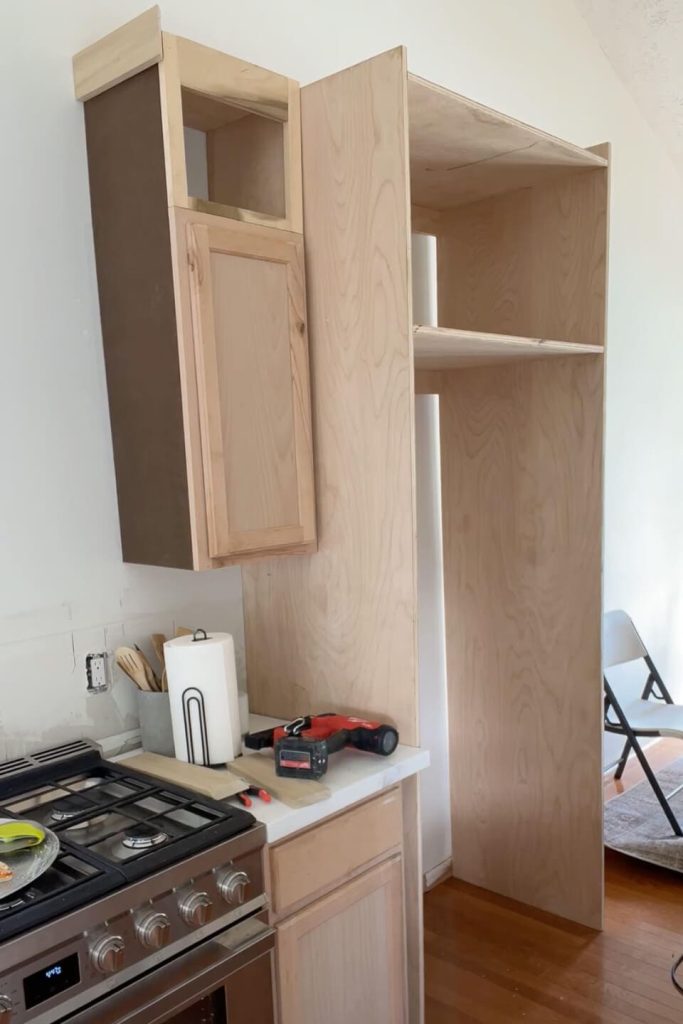
Are you tired of that awkward gap between your refrigerator and the surrounding cabinets? Transforming that space into a sleek and functional refrigerator cabinet could be the game-changer your kitchen needs.
Not only does it create a seamless look, but it also maximizes your kitchen’s efficiency and storage. Imagine walking into a kitchen where every inch is perfectly utilized, and everything feels just right. In this guide, we’ll show you step-by-step how you can build your own refrigerator cabinet without any hassle.
Whether you’re a DIY enthusiast or just looking to enhance your home’s value, this project is sure to capture your interest. Let’s dive in and unlock the secrets to achieving that polished, custom kitchen look you’ve always wanted.
Planning Your Cabinet
Planning your refrigerator cabinet is the first key to a successful build. Thoughtful preparation saves time and avoids mistakes. Consider space, size, and materials before starting. This step ensures your cabinet fits perfectly and looks great in your kitchen.
Choosing The Right Location
Pick a spot with enough space around the refrigerator. Allow room for air circulation to keep the fridge working well. Avoid placing the cabinet near heat sources like ovens or direct sunlight. Check that the location has easy access to power outlets.
Measuring Your Refrigerator
Measure the fridge height, width, and depth carefully. Add extra space for door clearance and ventilation. Use a tape measure for accuracy. Write down all measurements to avoid errors later. Consider the space needed for handles and door swing.
Selecting Materials
Choose strong, moisture-resistant materials for durability. Plywood and MDF are popular choices for cabinets. Pick materials that match your kitchen style and budget. Use waterproof paint or sealant to protect from spills. Ensure all materials are easy to clean and maintain.
Gathering Tools And Supplies
Gathering the right tools and supplies is the first critical step in building a refrigerator cabinet. Without them, your project can quickly become frustrating and inefficient. Having everything ready not only saves time but also helps you avoid unnecessary trips to the hardware store.
Think about the last time you started a home project without the proper tools—did it slow you down? Ensuring you have the essentials upfront makes the process smoother and more enjoyable.
Essential Tools List
- Measuring Tape:Accuracy is key when fitting your refrigerator snugly into its new cabinet space.
- Circular Saw or Table Saw:These will help you cut wood panels precisely to size.
- Drill and Drill Bits:You’ll need these for making holes and driving screws.
- Screwdrivers:Both flathead and Phillips for assembling parts.
- Level:Ensures your cabinet is perfectly horizontal to avoid any door misalignment.
- Clamps:Keeps pieces in place while you work or let glue dry.
- Wood Glue:Adds extra strength to joints.
- Sandpaper or Power Sander:Smooths edges and surfaces for a clean finish.
- Safety Gear:Don’t forget goggles and gloves to protect yourself during cutting and assembly.
Recommended Materials
The materials you choose will determine how durable and stylish your refrigerator cabinet turns out. Opt for plywood or MDF sheets for the main structure—they’re sturdy and easy to work with.
Consider using hardwood trim for edges to provide a polished look and extra durability. If you want to customize the appearance, paint or laminate finishes can add color and protection.
| Material | Purpose | Why Use It? |
|---|---|---|
| Plywood | Main cabinet structure | Strong, stable, and resistant to warping |
| MDF (Medium Density Fiberboard) | Cabinet panels and shelves | Smooth surface, easy to paint |
| Hardwood Trim | Cabinet edges and accents | Durable and visually appealing finish |
| Wood Glue | Reinforce joints | Increases stability and strength |
| Screws & Hinges | Assembly and door attachment | Provide secure connections and smooth operation |
Have you thought about how you want your cabinet to look and function before buying materials? Planning this will help you pick the right supplies and avoid waste. Gathering everything beforehand sets a solid foundation for a successful build.
Cutting And Preparing Materials
Cutting and preparing materials is a crucial part of building your refrigerator cabinet. This phase sets the foundation for how well your cabinet will fit and function. Getting precise measurements and smooth finishes can save you from headaches later on.
Measuring And Marking
Accurate measuring is the first step toward a perfect fit. Use a tape measure and double-check your numbers before marking. Mark your wood panels clearly with a pencil, so you don’t confuse cut lines with other marks.
Think about the space where your cabinet will go. How much clearance do you need for doors to open fully? Consider these details while measuring to avoid surprises during installation.
Cutting Wood Panels
Cutting wood requires a steady hand and the right tools. A circular saw works well for straight cuts, while a jigsaw handles curves easily. Make sure to follow your marked lines closely to keep edges straight.
Wear safety gear like goggles and gloves to protect yourself. If you’ve never used a saw before, practice on scrap wood first. This builds your confidence and helps prevent costly mistakes.
Sanding And Finishing
After cutting, your edges might feel rough or splintered. Sand these areas using medium-grit sandpaper, then finish with a fine grit for a smooth surface. This step improves both the look and safety of your cabinet.
Consider applying a wood finish or sealant to protect against moisture, especially since the cabinet will be near your fridge. What type of finish fits your kitchen style? Matte, glossy, or natural wood tones can all change the final appearance.
Assembling The Frame
Assembling the frame is the foundation of your refrigerator cabinet. A strong frame ensures stability and durability. Focus on precise measurements and solid joints. Use quality wood and proper tools for best results.
Building The Base
Start by cutting the base pieces to fit your refrigerator’s size. Use sturdy wood like plywood or hardwood for support. Join the pieces with wood glue and screws to form a rectangle. Check that the base is level and square before moving on.
Constructing The Sides
Measure the height of your refrigerator for the side panels. Cut two equal-sized pieces for the left and right sides. Attach the sides to the base using screws and glue. Ensure the sides stand straight and are aligned with the base edges.
Securing The Top
Cut the top panel to match the base’s dimensions. Place it on the side panels, making sure it fits flush. Secure the top with screws and wood glue for added strength. Double-check all joints to keep the frame rigid and sturdy.
Installing Shelves And Doors
Installing shelves and doors is a key part of building your refrigerator cabinet. This stage transforms the bare frame into a functional storage space that suits your needs. Getting these elements right ensures easy access and efficient organization for your kitchen essentials.
Adding Adjustable Shelves
Adjustable shelves give you flexibility to store items of different sizes. Use shelf pins or brackets that fit into pre-drilled holes inside the cabinet walls. This allows you to move shelves up or down without hassle.
Choose sturdy materials like plywood or MDF for the shelves to hold the weight of your food containers. Make sure the shelves sit level to avoid anything sliding off. Have you considered how often you’ll need to change the shelf heights as your storage needs evolve?
Hanging Cabinet Doors
Hanging the doors requires precision to ensure they open smoothly and align well with the cabinet frame. Start by attaching the hinges to the door first, then secure the door to the cabinet.
Check the gap between doors and the frame to avoid rubbing or uneven spacing. A small, consistent gap improves appearance and functionality. Do you have a helper to hold the door steady while you fasten the screws? It makes the job easier.
Fitting Handles And Hinges
Handles and hinges not only add to the cabinet’s style but also affect its usability. Pick handles that are comfortable to grip and match your kitchen’s décor.
When fitting hinges, tighten the screws just enough to hold firmly but allow slight adjustments. This lets you fine-tune door alignment after installation. Have you tested different handle positions to find the most ergonomic spot?

Credit: www.reddit.com
Finishing Touches
Finishing touches transform your refrigerator cabinet from a simple structure into a polished centerpiece. This stage not only enhances the appearance but also ensures durability and functionality. Paying close attention here can make all the difference between a good project and a great one.
Painting Or Staining
Choose a paint or stain that matches your kitchen’s style and the wood type you used. Paint offers a wide range of colors and can cover imperfections, while stain highlights the natural grain and texture of the wood. Applying thin, even coats and allowing proper drying time prevents drips and uneven color.
Have you ever noticed how some cabinets look flat and dull? That’s usually from rushing this step. Take your time, and consider testing the finish on a scrap piece first to see how it looks under your kitchen lighting.
Sealing And Protecting
Sealing your cabinet protects it from moisture, stains, and daily wear. Use a clear polyurethane or varnish to create a tough barrier. Apply at least two coats, sanding lightly between each for a smooth finish.
This step is especially important around the refrigerator, where humidity can cause wood to warp or peel. Skipping sealing might save time now but could lead to costly repairs later. What’s the value of a few extra minutes compared to long-lasting protection?
Final Inspection
Look over every inch of your cabinet once the finish has dried. Check for uneven paint, rough edges, or areas where the sealant might be thin. Tighten screws and ensure doors open smoothly without catching.
Invite a friend or family member to give feedback—you might miss something your eyes have grown accustomed to. A thorough final inspection saves frustration and guarantees your cabinet not only looks great but functions well for years.
Tips For Maintenance
Maintaining your refrigerator cabinet ensures it stays functional and looks good for years. Proper care prevents damage and costly repairs. Simple maintenance routines keep the cabinet in top shape.
Cleaning Techniques
Use a soft cloth and mild detergent to clean the cabinet surface. Avoid harsh chemicals that can damage the finish. Wipe spills immediately to prevent stains. Clean the interior shelves and drawers regularly to avoid buildup. Dry all surfaces thoroughly to prevent moisture damage.
Repair And Upkeep
Check hinges and handles for looseness or wear. Tighten screws and replace broken parts promptly. Inspect seals to ensure they close tightly. Replace worn or cracked seals to improve efficiency. Keep an eye on any scratches or dents and fix them quickly to prevent further damage.
Enhancing Longevity
Keep the cabinet away from direct sunlight and heat sources. Use protective pads under heavy items to avoid scratches. Avoid overloading shelves to prevent sagging or breakage. Regularly check for signs of wear and address issues early. Maintain a steady room temperature to protect the cabinet material.
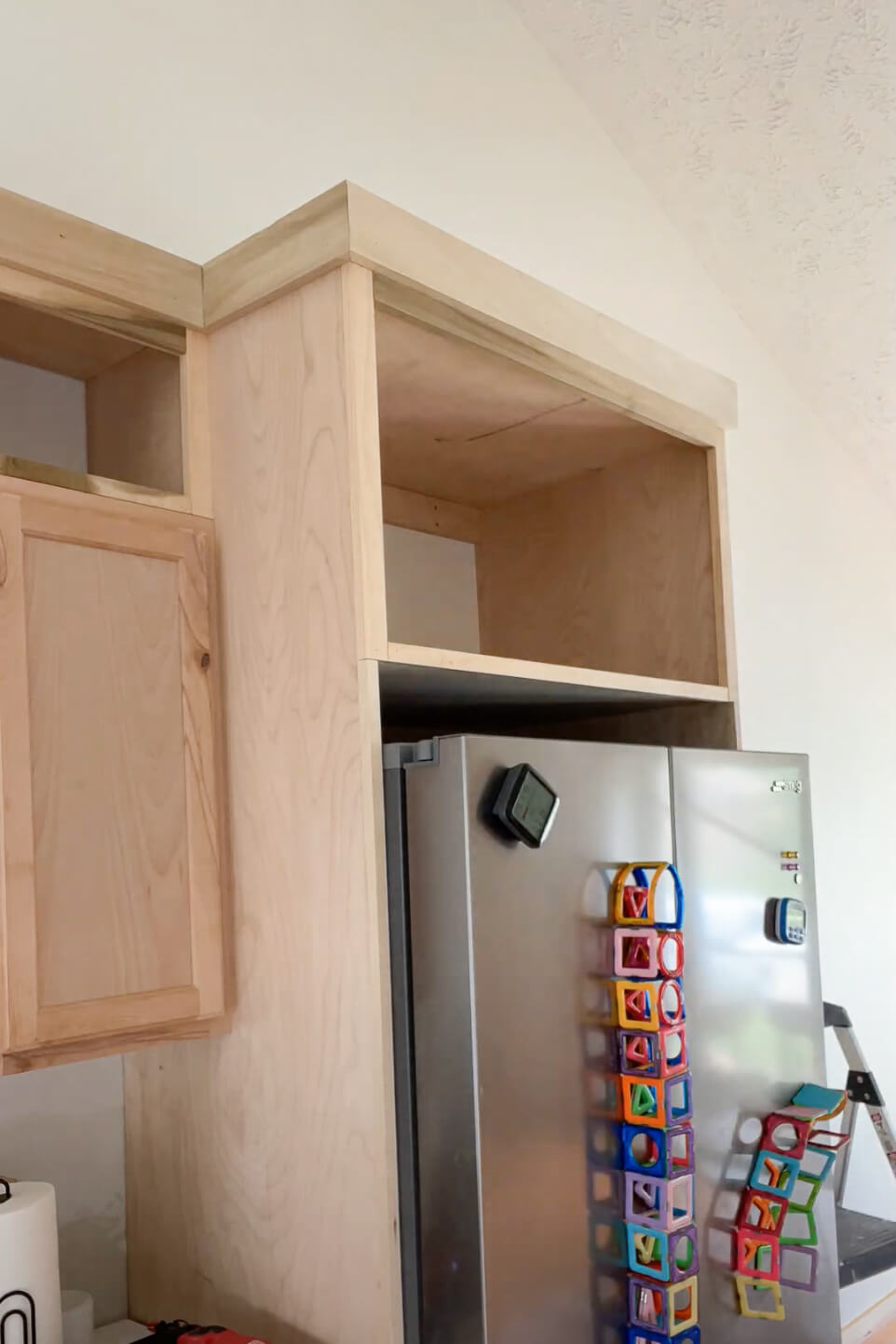
Credit: crystelmontenegrohome.com
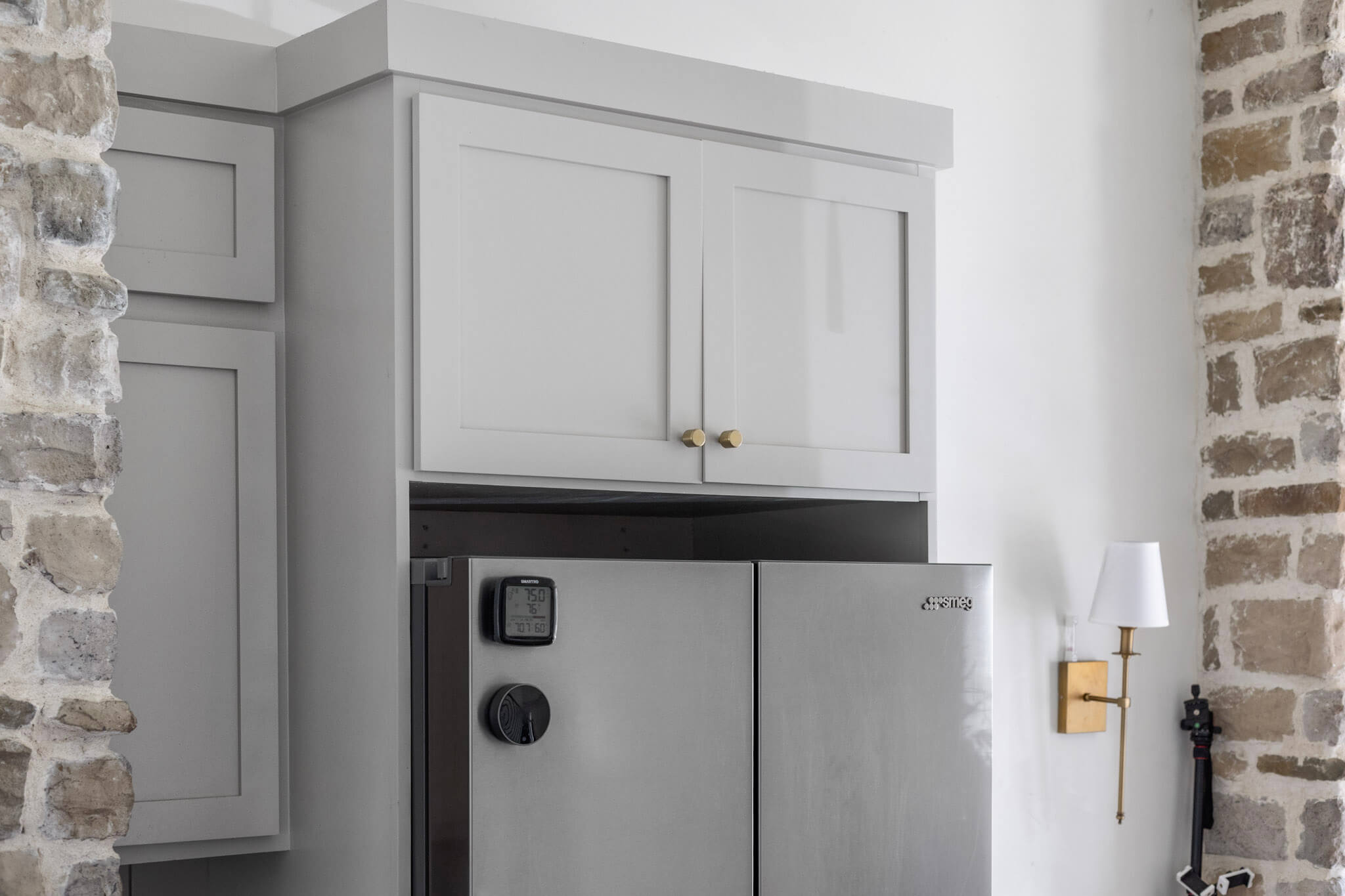
Credit: crystelmontenegrohome.com
Frequently Asked Questions
How Do I Start Building A Refrigerator Cabinet?
Begin by measuring your refrigerator’s dimensions carefully. Choose sturdy materials like plywood. Create a detailed plan before cutting. Assemble the frame securely for stability. Finish with paint or laminate for durability and style.
What Tools Are Needed To Build A Refrigerator Cabinet?
Essential tools include a saw, drill, screwdriver, measuring tape, level, and clamps. These tools help cut, assemble, and secure cabinet parts effectively. Having the right tools ensures precision and safety during construction.
How To Ensure Proper Ventilation In The Cabinet?
Leave gaps or install vents around the refrigerator space. Proper airflow prevents overheating and improves efficiency. Check manufacturer guidelines for recommended ventilation clearances to maintain appliance performance and safety.
What Materials Are Best For A Refrigerator Cabinet?
Use moisture-resistant plywood or MDF for durability. Choose finishes like laminate or paint to protect against humidity. These materials ensure longevity and maintain the cabinet’s appearance over time.
Conclusion
Building a refrigerator cabinet can save space and improve your kitchen’s look. Start with the right materials and measure carefully. Take your time cutting and assembling pieces. A well-built cabinet keeps your fridge secure and fits your style. You can add shelves or doors to match your needs.
Small steps lead to a strong, useful cabinet. Enjoy the satisfaction of creating something with your own hands. This project makes your kitchen more organized and neat. Give it a try, and see the difference it brings.