Choosing the right baseball bat can make a huge difference in your game. But with so many options out there, it can feel overwhelming.
You want a bat that feels just right in your hands, helps you hit harder, and lasts through many games. In this guide, you’ll discover simple tips to pick the perfect bat for your style and skill level. Keep reading, and soon you’ll know exactly what to look for to step up your game with confidence.
Credit: canada.smashitsports.com
Types Of Baseball Bats
Baseball bats come in different types to fit players’ needs. Each type has unique features that affect performance.
Choosing the right bat depends on your level and playing style. Here are the main types you should know about.
Wood Bats
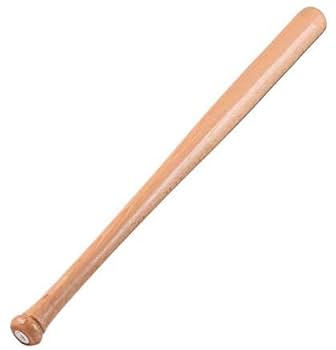
Wood bats are the traditional choice for baseball players. They are made from solid hardwood like ash, maple, or birch.
Wood bats offer a classic feel and sound when hitting the ball. They can break but give good control and balance.
- Made from natural hardwood
- Heavier than other bats
- Preferred in professional leagues
- Requires care to avoid cracks
Aluminum Bats
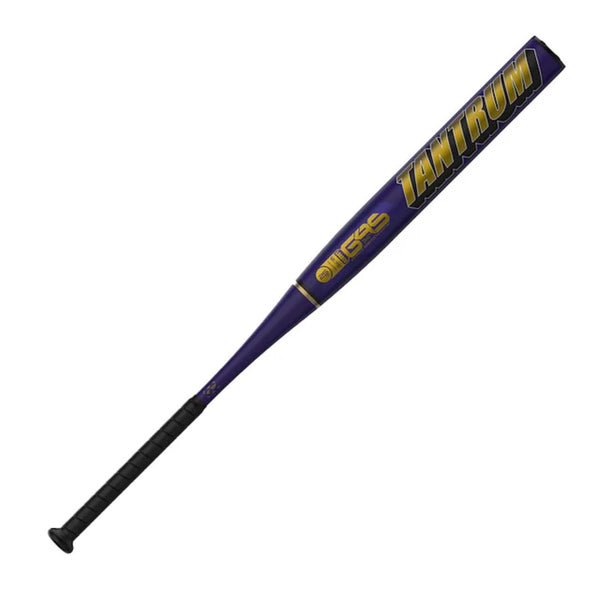
Aluminum bats are popular in amateur and youth baseball. They are lighter than wood and allow faster swings.
These bats are durable and resist dents. They often have a hollow barrel to increase bat speed and power.
- Made from aluminum alloy
- Lighter and more durable than wood
- Provide faster swing speed
- Common in youth and college baseball
Composite Bats
Composite bats are made from a mix of materials like carbon fiber and resin. They offer good balance and power.
These bats can reduce vibration on contact. They are often more expensive but last longer and perform well.
- Made from carbon fiber and resin
- Lightweight and strong
- Less vibration on hits
- Usually used in advanced leagues

Credit: www.marchants.com
Bat Size And Weight
Choosing the right bat size and weight is key for good performance. The right bat helps you swing faster and hit better.
This guide explains how to pick the best length and weight for your baseball bat.
Choosing The Right Length
The length of a bat affects your swing and reach. A longer bat can hit farther but may be harder to control.
Pick a bat length that matches your height and strength. Try different lengths to see what feels best.
- Younger players usually use shorter bats.
- Taller players often need longer bats.
- Test different sizes to find comfort.
Finding The Ideal Weight
The weight of the bat affects your swing speed and power. A lighter bat swings faster but may hit with less force.
Choose a weight that lets you swing quickly and still control the bat easily.
- Light bats are good for beginners and young players.
- Heavier bats give more power but need strength.
- Try swinging different weights before buying.
Understanding Drop Weight
Drop weight is the difference between the bat’s length and weight. It helps you find the right balance.
A bigger drop means a lighter bat for its length. A smaller drop means a heavier bat.
| Drop Weight | What It Means | Who It’s For |
|---|---|---|
| -10 | Heavier bat, less swing speed | Strong, experienced players |
| -12 | Balanced weight and length | Intermediate players |
| -13 or more | Lighter bat, faster swing | Younger or smaller players |
Bat Material Impact
Choosing the right material for a baseball bat affects how it performs and lasts. Different materials offer unique benefits and challenges.
This guide explains how bat material impacts durability, performance, and cost. Knowing this helps you pick the best bat for your needs.
Durability Factors
Bat materials vary in strength and lifespan. Wood bats may crack or break more easily. Metal and composite bats resist dents and cracks better.
- Wood bats can splinter with hard hits.
- Aluminum bats resist bending and cracking.
- Composite bats last longer but may wear over time.
- Regular care extends any bat’s durability.
Performance Differences
Material affects how the bat feels and hits the ball. Wood bats give a classic feel but require more skill. Metal bats offer more power and a larger sweet spot.
| Material | Weight | Sweet Spot Size | Typical Use |
|---|---|---|---|
| Wood | Heavier | Smaller | Professional and traditional leagues |
| Aluminum | Lighter | Larger | Youth and amateur leagues |
| Composite | Light to medium | Largest | Advanced players seeking power and control |
Cost Considerations
Price varies widely by material. Wood bats often cost less upfront but may need frequent replacing. Composite bats have higher prices but last longer.
- Wood: $30 – $150
- Aluminum: $50 – $300
- Composite: $100 – $400
Think about how often you play and your budget before buying.

Credit: www.homehardware.ca
League Rules And Regulations
Choosing the right baseball bat depends on league rules. Each league sets its own standards for bat size, weight, and material. Knowing these rules helps you pick a legal bat.
Following league regulations keeps the game fair and safe. It also ensures your bat performs well during play. Here are the rules for different baseball levels.
Youth Baseball Standards
Youth baseball leagues have strict bat rules to protect young players. These rules limit bat length, weight, and barrel size. Most youth bats must have a certification mark.
Common standards include the USA Baseball stamp or USSSA certification. These marks show the bat meets safety and performance standards. Using a non-approved bat can lead to disqualification.
- Bat length usually maxes at 33 inches
- Barrel diameter cannot exceed 2 1/4 inches
- Bats must have USA Baseball or USSSA certification
- Composite, aluminum, or wood bats are allowed if certified
High School And College Rules
High school and college leagues follow rules by the National Federation of State High School Associations (NFHS) and NCAA. These rules focus on bat material and performance limits.
Only bats with the BBCOR (Batted Ball Coefficient of Restitution) certification are allowed. BBCOR bats reduce the ball’s speed off the bat, making play safer.
- Bats must be BBCOR certified
- Maximum barrel diameter is 2 5/8 inches
- Maximum length-to-weight drop is -3
- Wood bats are allowed without certification
Professional League Guidelines
Professional leagues like Major League Baseball (MLB) have strict bat rules. These rules focus on wood bats only, banning aluminum and composite bats.
Players must use bats made from a single piece of solid wood. Bat length and weight vary by player preference but must follow general size limits.
- Bats must be made from one solid piece of wood
- Common woods include ash, maple, and birch
- Maximum length is 42 inches
- Bat diameter cannot exceed 2 5/8 inches
Grip And Handle Options
Choosing the right grip and handle on a baseball bat improves your swing and comfort. Different styles affect how you hold and control the bat.
Understanding knob shapes, grip materials, and comfort features helps you find the best fit for your playing style.
Knob Styles
Knobs stop the bat from slipping out of your hands during a swing. Different shapes suit different preferences and control needs.
- Standard Knob: Rounded shape, common on many bats.
- Flat Knob: Helps with grip and prevents the bat from twisting.
- Extended Knob: Offers extra leverage for power hitters.
- Small Knob: Allows more hand movement for quick swings.
Grip Materials
Grip materials affect how the bat feels in your hands. They help reduce slipping and absorb shock from hitting the ball.
| Material | Pros | Cons |
|---|---|---|
| Rubber | Good shock absorption, non-slip | Can wear out quickly |
| Leather | Durable, comfortable feel | Can get slippery when wet |
| Polyurethane | Strong grip, long-lasting | Less cushioning than rubber |
| Fabric Wrap | Lightweight, sweat absorbent | Needs replacement often |
Comfort And Control
Comfort and control come from how the bat fits your hands and the grip’s texture. A good fit reduces fatigue and improves accuracy.
Key tips for comfort and control:
- Try different grip thicknesses to find what feels best.
- Check that your hands slide easily but do not lose grip.
- Look for grips with cushioning if you feel vibration when hitting.
- Keep grips clean and replace worn materials regularly.
Testing And Trying Bats
Buying a baseball bat involves more than just picking one from the shelf. It is important to test and try different bats to find the best fit for you.
Testing a bat helps you understand how it feels in your hands and how it performs when you swing it.
Swinging For Feel
Hold the bat and give it a few swings. This helps you feel its grip and weight. A comfortable grip is key for a good swing.
Notice how the bat moves through the air. A smooth swing makes hitting easier.
Weight Distribution
Check how the weight is spread across the bat. Some bats have heavier ends, while others are evenly balanced.
Try swinging bats with different weight distributions. Find which one feels more natural for you.
Balance Points
Balance point is where the bat balances on your finger. It affects how easy it is to swing.
Hold the bat at different points to find its balance. A well-balanced bat feels stable and easy to control.
- End-loaded bats have more weight at the tip
- Balanced bats have even weight distribution
- Try both to see which suits your style
Budget And Value
Buying a baseball bat needs careful thought about budget and value. A good bat should fit your price range and last long.
Knowing the cost and quality helps you pick the right bat without wasting money.
Price Ranges
Baseball bats come in many price ranges. Each range suits different players and needs.
- Low range: $20 to $50. Good for beginners or casual players.
- Mid range: $50 to $150. Offers better materials and durability.
- High range: $150 and above. Made for serious players and long use.
Long-term Investment
Choosing a bat as a long-term investment means looking for quality and durability. A bat that lasts saves money over time.
| Feature | Benefit |
| Strong materials | Less damage and longer life |
| Good grip | Better control and comfort |
| Proper weight | Improved swing and less fatigue |
Best Deals And Discounts
Finding deals can help you buy a quality bat without paying full price. Look for sales and discounts online or in stores.
- Check seasonal sales during sports events.
- Sign up for store newsletters to get discount alerts.
- Compare prices on different websites before buying.
- Consider gently used bats from trusted sellers.
Where To Buy Baseball Bats
Finding the right place to buy a baseball bat is important. You want a bat that fits your needs and budget.
This guide covers different places to buy baseball bats. You can choose in-store, online, or secondhand options.
In-store Options
Sports stores often carry a variety of baseball bats. You can hold and test bats before buying.
Staff can help you find the right size and type. Visiting a store helps you get a feel for the bat.
- Local sports shops
- Large retail chains
- Specialty baseball stores
Online Retailers
Online stores have many baseball bats to choose from. You can read reviews and compare prices easily.
Look for sites that show bat details and size charts. Some offer free shipping or easy returns.
- Major e-commerce websites
- Sports equipment online stores
- Manufacturer websites
Secondhand Bats
Used baseball bats are cheaper and can still work well. Check local sales or online marketplaces.
Inspect bats for cracks or damage before buying. Some players sell bats that are almost new.
- Thrift stores or consignment shops
- Online auction sites
- Community sports groups
Frequently Asked Questions
What Size Baseball Bat Should I Buy For My Age?
Choose a bat length and weight suitable for your age and height. Youth players generally use 26-29 inch bats. Adults often prefer 32-34 inch bats. Weight should allow easy swing control and power. Check size charts to find your perfect match.
Which Material Is Best For A Baseball Bat?
Aluminum bats are lightweight and durable, ideal for beginners and amateurs. Wood bats offer traditional feel and are required in professional leagues. Composite bats provide better performance but can be pricier. Select based on your level and league rules.
How To Choose The Right Bat Weight?
Bat weight impacts swing speed and power. Lighter bats allow faster swings, improving contact. Heavier bats generate more power but may slow your swing. Test different weights to find a balance that suits your hitting style.
Can I Use The Same Bat For Baseball And Softball?
No, baseball and softball bats differ in size and weight. Softball bats are generally longer and have a larger barrel. Using the correct bat ensures safety and performance. Always check league regulations before buying.
Conclusion
Choosing the right baseball bat takes time and care. Think about your height, weight, and skill level. Try different bats to see what feels best. Remember, the right bat helps improve your swing and control. Don’t rush the decision; comfort matters most.
A good bat makes playing more fun and effective. Keep these tips in mind to find your perfect match. Now, step up to the plate with confidence!