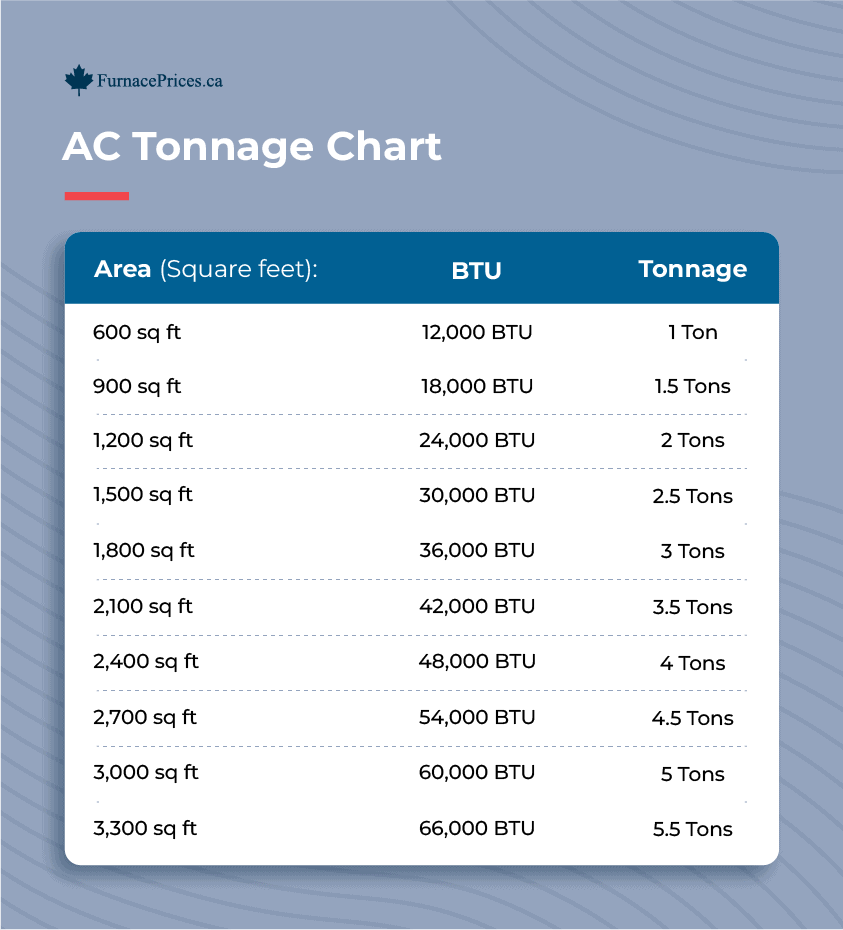
Are you wondering if your air conditioner is the right size for your home? Knowing how to calculate air conditioner tonnage is key to making sure your space stays cool and comfortable without wasting energy or money.
If your AC is too small, it won’t keep your room cool enough. If it’s too big, you’ll face higher bills and constant on-and-off cycles. You’ll discover simple steps to figure out the perfect tonnage for your needs. By the end, you’ll feel confident choosing the right air conditioner that fits your space and saves you money.
Keep reading to find out how easy it can be!
What Is Ac Tonnage
AC tonnage measures the cooling capacity of an air conditioner. It helps you understand how much heat the AC can remove from a room.
Knowing the right AC tonnage is important to keep a space comfortable and save energy.
Definition Of Ac Tonnage
AC tonnage is a unit that shows the cooling power of an air conditioner. One ton equals the ability to cool 12,000 British Thermal Units (BTUs) per hour.
Why Ac Tonnage Matters
Using the correct tonnage keeps your room cool without wasting energy. Too small an AC will not cool well. Too large an AC will cycle on and off often and waste power.
- Ensures efficient cooling
- Prevents high electricity bills
- Reduces wear on the AC unit
- Keeps indoor temperature steady
How Ac Tonnage Is Measured
AC tonnage is based on the amount of heat the unit can remove in one hour. This is measured in BTUs, where 12,000 BTUs equal one ton.
| Tonnage | BTUs per Hour |
| 1 Ton | 12,000 BTUs |
| 1.5 Tons | 18,000 BTUs |
| 2 Tons | 24,000 BTUs |
| 2.5 Tons | 30,000 BTUs |
| 3 Tons | 36,000 BTUs |
Credit: in.mitsubishielectric.com
Why Tonnage Matters
Tonnage shows the cooling power of an air conditioner. It helps you pick the right size for your space.
Choosing the correct tonnage saves energy and keeps your home comfortable all year.
Understanding Cooling Capacity
Tonnage measures how much heat an air conditioner can remove in one hour. One ton equals 12,000 BTUs.
BTU stands for British Thermal Unit. It shows the energy needed to cool or heat one pound of water by one degree Fahrenheit.
Impact On Energy Use
Using the right tonnage lowers your energy bills. Too large a unit wastes electricity by cycling on and off.
A small air conditioner runs longer and struggles to cool, raising energy costs and wear.
Comfort And Air Quality
Proper tonnage keeps your home evenly cool. It stops hot spots and reduces humidity effectively.
Good air circulation improves indoor air quality and comfort for everyone inside.
Avoiding System Wear And Tear
An oversized air conditioner cycles too often. This causes stress on parts and shortens the system’s life.
Undersized units work too hard, which can also cause early breakdowns and expensive repairs.
Factors Affecting Tonnage
Choosing the right air conditioner tonnage depends on several key factors. These factors help determine how much cooling power your room needs.
Understanding these factors will help you calculate the correct tonnage. This ensures your air conditioner works efficiently and saves energy.
Room Size
The size of the room is the main factor in deciding air conditioner tonnage. Larger rooms need more cooling power to stay comfortable.
Measure the length, width, and height of the room to find its volume. This helps estimate the cooling needs accurately.
Insulation Quality
Good insulation keeps the cool air inside and hot air outside. Poor insulation makes the air conditioner work harder.
Check walls, windows, and doors for insulation quality. Better insulation means you can use a smaller tonnage unit.
Climate Zone
The climate zone affects how much cooling your space needs. Hotter regions require bigger air conditioner units.
Know your local climate to choose the right tonnage. Areas with mild weather need less cooling power.
Sunlight Exposure
Rooms with large windows or direct sunlight need more cooling. Sunlight increases the room temperature during the day.
Shade or reflective window films can reduce heat gain. This lowers the tonnage needed for cooling.
- South-facing windows get the most sun
- East and west windows have morning and afternoon sun
- North-facing windows get the least sun
Occupants And Appliances
More people in a room add heat, raising cooling needs. Each person produces body heat that the air conditioner must remove.
Appliances like computers and ovens also add heat. Count these heat sources to pick the right tonnage.
- Each person adds about 400 BTUs of heat
- Electronic devices generate additional heat
- Kitchen appliances increase cooling needs greatly

Credit: aristotleair.com
Simple Tonnage Calculation
Knowing the right air conditioner size is important for comfort. Too big or small units waste energy and money.
This guide shows how to calculate air conditioner tonnage simply. It helps you pick the correct size for your room.
Measuring Room Dimensions
First, measure the length, width, and height of your room. Use a tape measure for accuracy.
Write down these numbers in feet. You will use them to find the room’s volume and area.
- Measure the length from one wall to the opposite wall.
- Measure the width across the room.
- Measure the height from floor to ceiling.
Calculating Cooling Load
Cooling load is the amount of heat your air conditioner must remove. It depends on room size and sunlight.
Multiply the room area by 25 to estimate cooling load in BTUs. Area equals length times width.
| Room Area (sq ft) | Cooling Load (BTU) |
|---|---|
| 100 | 2,500 |
| 200 | 5,000 |
| 300 | 7,500 |
Converting Load To Tonnage
One ton of cooling equals 12,000 BTUs. Divide your cooling load by 12,000 to get tonnage.
Round the result to the nearest half ton for easy selection of air conditioners.
- Cooling Load ÷ 12,000 = AC Tonnage
- Example: 6,000 BTU ÷ 12,000 = 0.5 ton
- Choose a 0.5-ton unit for this room
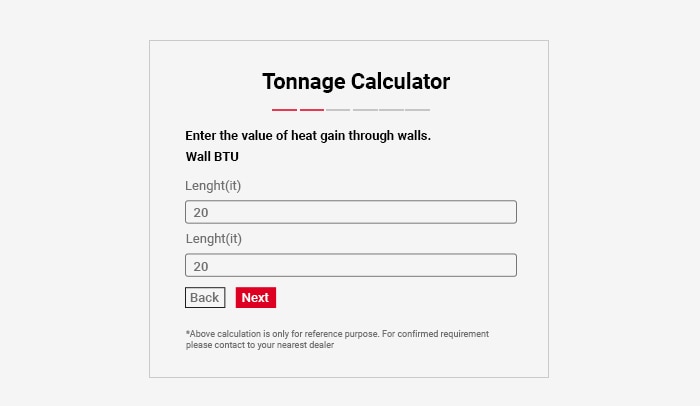
Using Online Calculators
Calculating the right air conditioner tonnage is important for comfort. Online calculators make this task easier and faster.
These tools use your room size and other details to find the correct tonnage. You do not need special skills to use them.
Enter Room Dimensions
Start by typing the length and width of your room into the calculator. Some calculators also ask for ceiling height.
These numbers help the tool find the room’s square footage or volume. This is the first step to know the cooling needs.
Add Room Details
Many calculators ask about windows, insulation, and sunlight exposure. These factors affect how much cooling you need.
For example, a room with many windows or strong sun needs more cooling power. Add this information carefully for best results.
Select Usage And Occupants
Some tools ask how many people use the room and the type of activities done there. This helps to adjust the cooling size.
A room used by many people or with heat-producing devices needs a bigger air conditioner. Enter this data correctly.
Review And Use The Result
After entering all details, the calculator shows the recommended tonnage. This number helps you pick the right AC unit.
Use this tonnage to find an air conditioner that fits your room size. Correct sizing saves energy and keeps you comfortable.

Credit: aristotleair.com
Common Mistakes To Avoid
Calculating the right air conditioner tonnage is important. Choosing the wrong size can cause problems. Some errors can lead to poor cooling or high energy bills.
Knowing what mistakes to avoid helps you pick the right AC size. This guide covers common errors and tips to prevent them.
Ignoring Room Size And Layout
Many people forget to measure their room correctly. This mistake leads to buying a unit that is too big or too small. Room shape and windows also affect cooling needs.
Overestimating Cooling Needs
Some assume bigger air conditioners cool better. Too large units cool quickly but waste energy and cause humidity problems. Accurate calculation avoids this issue.
Not Considering Insulation And Sunlight
Ignoring insulation quality and sunlight can cause wrong tonnage choice. Rooms with poor insulation or strong sun need more cooling power. This factor is often missed.
Using Only Square Footage For Calculation
Only using square footage is too simple. Ceiling height, number of occupants, and appliances add heat load. These details must be included for accurate tonnage.
- Measure ceiling height
- Count people regularly in the room
- Note heat from appliances and lights
- Check window size and direction
Relying Solely On Online Calculators
Online calculators help but can be wrong. They may not include all factors like insulation or local climate. Use calculators as a guide, not the final answer.
Failing To Account For Future Changes
People often forget future changes in home use. Adding rooms or new appliances can increase cooling needs. Plan for possible changes to avoid buying the wrong size.
| Mistake | Effect | How to Avoid |
| Ignoring room size/layout | Wrong AC size, poor cooling | Measure room and consider shape |
| Overestimating cooling needs | High energy use, humidity issues | Calculate exact load needed |
| Not considering insulation/sunlight | Under or overcooling | Check insulation and window exposure |
| Using only square footage | Incomplete heat load estimate | Include ceiling height, occupants, appliances |
| Relying only on calculators | Inaccurate sizing | Use calculators plus expert advice |
| Ignoring future changes | AC size may become insufficient | Plan for future home changes |
Tips For Choosing Ac Size
Choosing the right air conditioner size is important for comfort and energy savings. A unit that is too big or too small can cause problems.
This guide explains how to calculate AC tonnage and offers tips to pick the right size for your space.
Understand What Ac Tonnage Means
AC tonnage measures the cooling power of the air conditioner. One ton equals 12,000 BTUs per hour.
The correct tonnage depends on your room size and other factors like sun exposure and insulation.
Measure Your Room Size
Measure the length and width of the room in feet. Multiply these to get the square footage.
Knowing the square feet helps estimate the needed AC capacity in BTUs.
Use A Basic Btu Calculation
Multiply your room’s square footage by 20 BTUs for a simple cooling estimate.
Divide the total BTUs by 12,000 to find the tonnage required.
Consider Room Conditions
Rooms with high ceilings, many windows, or poor insulation need more cooling power.
- Sunny rooms may require 10% more BTUs
- Shaded rooms may need 10% less BTUs
- Each person adds about 600 BTUs
- Appliances add extra heat load
Avoid Oversizing Your Ac Unit
An oversized AC cools quickly but causes humidity problems. It wastes energy and wears out faster.
Choose a size that runs efficiently and keeps your room comfortable.
Consult A Professional For Large Spaces
For big homes or spaces, a professional can calculate the exact tonnage needed.
They consider factors like insulation, number of windows, and local climate.
Frequently Asked Questions
What Is Air Conditioner Tonnage?
Air conditioner tonnage measures cooling capacity. One ton equals 12,000 BTUs per hour. It indicates how much heat the AC can remove from a space.
How To Calculate Ac Tonnage For A Room?
Measure the room’s square footage. Divide the total BTUs needed by 12,000. The result is the AC tonnage required for effective cooling.
Why Is Ac Tonnage Important?
Proper tonnage ensures efficient cooling and energy use. Too small AC won’t cool well; too large wastes energy and increases cost.
Can I Calculate Ac Tonnage Myself?
Yes, by measuring room size and using BTU guidelines. However, professional advice ensures accuracy for complex spaces or unusual conditions.
Conclusion
Calculating air conditioner tonnage helps you choose the right unit size. A correct size cools your space efficiently and saves energy. Too small or too large units cause problems and higher bills. Use simple formulas and room measurements to find the right tonnage.
This way, your AC works well and lasts longer. Keep these steps in mind for better comfort and savings.