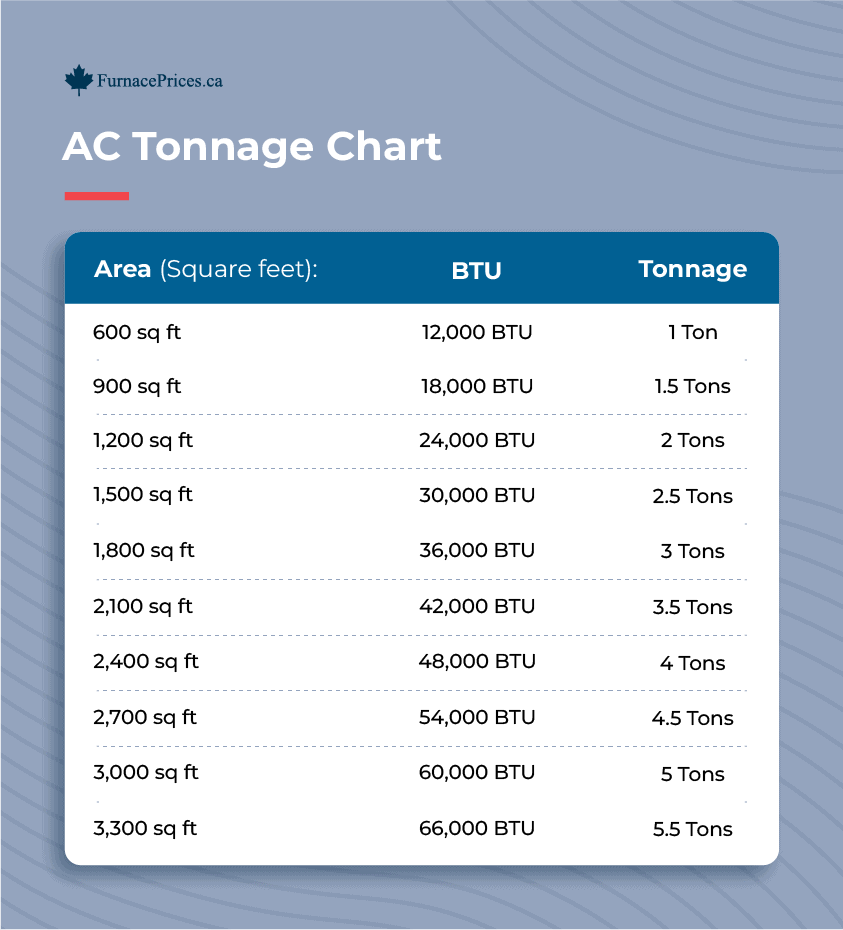
Are you confused about how to choose the right air conditioner size for your home? Picking the perfect air conditioner tonnage can save you money, keep your space comfortable, and avoid energy waste.
But how do you figure out what “tonnage” really means and how to calculate it for your needs? This guide will walk you through simple steps to understand and calculate air conditioner tonnage, so you can make smart decisions and stay cool without overspending.
Keep reading—you’re about to discover the key to perfect home cooling!
What Is Air Conditioner Tonnage
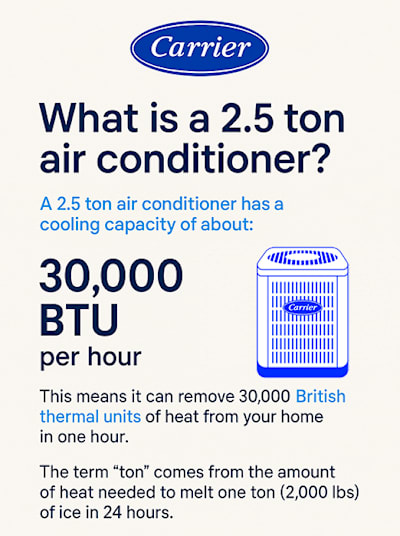
Air conditioner tonnagemeans how much cooling power the unit has. It tells how many tons of heat the AC can remove from a room in one hour. One ton equals the amount of heat needed to melt one ton of ice in 24 hours.
Common air conditioner sizes range from 1 to 5 tons. Bigger homes or rooms need higher tonnage for good cooling.
Choosing the right tonnage is key. Too small, and the room stays hot. Too big, and the unit wastes energy and costs more.
Why Tonnage Matters
Tonnageshows how much cooling an air conditioner can provide. It affects energy useand comfortin your home. The right tonnage keeps rooms cool without wasting power.
A unit too small won’t cool well. Too big uses more energy and causes uneven cooling. Choosing the correct tonnage saves money and keeps air fresh.
- One ton equals 12,000 BTUsof cooling power.
- Higher tonnage means more cooling.
- Smaller spaces need less tonnage.
- Larger spaces need more tonnage.
Factors Affecting Tonnage Needs
The size of the roomis a key factor in choosing the right air conditioner tonnage. Larger rooms need more cooling power. Good insulationhelps keep cool air inside and reduces the tonnage needed. Poor insulation means the air conditioner works harder.
Climate conditionsaffect the cooling load. Hotter climates require higher tonnage to maintain comfort. Cooler climates need less.
Sunlight exposurealso impacts tonnage. Rooms with direct sunlight get warmer and need more cooling. Rooms in shade stay cooler, needing less power.
Tools Needed For Calculation
Several toolshelp calculate air conditioner tonnage accurately. A tape measuremeasures the room size in feet. A calculatorhelps with math for area and volume. A thermometerchecks room temperature to understand cooling needs.
A pen and paperkeep track of measurements and calculations. Using a load calculation chartor guide helps estimate the right tonnage based on room size and insulation.
- Tape measure:Measures room length, width, and height.
- Calculator:Computes area and volume quickly.
- Thermometer:Checks current room temperature.
- Pen and paper:Records data and calculations.
- Load calculation chart:Guides tonnage based on room data.
Measuring Your Space
To calculate the right air conditioner tonnage, start by measuring your room’s size. Measure the length and width of the space in feet. Multiply these two numbers to get the square footage. This number helps estimate the cooling capacity needed.
Ceiling height also matters. Most calculations assume an 8-foot ceiling. If your ceiling is taller, multiply the square footage by the ceiling height and divide by 8. This adjusts the space volume.
| Measurement | How to Measure |
|---|---|
| Square Footage | Length (ft) × Width (ft) |
| Adjusted Volume | (Square Footage × Ceiling Height) ÷ 8 |
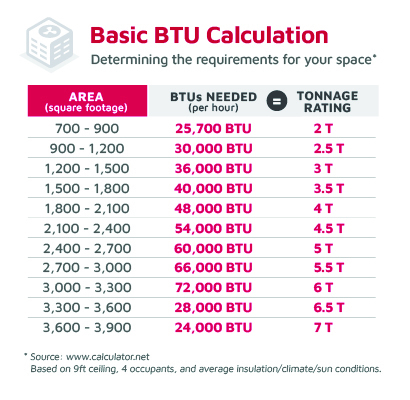
Credit: www.lennox.com
Calculating Cooling Load
Calculate the cooling loadby first finding the total BTU (British Thermal Units) needed. BTU measures how much heat the air conditioner must remove. Add up the heat from all sources in the room, like sunlight, people, and appliances. This gives the total BTU requirement.
Convert BTUs to tons by dividing the total BTU number by 12,000. One ton equals 12,000 BTUs. This conversion shows the size of the air conditioner needed. For example, if the total BTU is 24,000, the tonnage is 2 tons.
Adjusting For Special Conditions
High occupancy increases the heat load inside a room. More people mean more body heat. Add extra cooling capacity to handle this load. Usually, add about 600 BTUsper extra person beyond normal occupancy.
Electronic devices also add heat. Computers, TVs, and lights generate heat when on. Count all devices and add 300 to 500 BTUsper device. This helps keep the room cool and comfortable.
Kitchen areas produce heat from cooking and appliances. This heat adds to the cooling load. Add 4,000 to 6,000 BTUsfor each kitchen area. This ensures the air conditioner can handle the extra heat.
Common Calculation Mistakes
Many people make common errorswhile calculating air conditioner tonnage. One mistake is not measuring the room sizecorrectly. This leads to wrong tonnage selection. Another error is ignoring the ceiling height. Rooms with high ceilings need more cooling power.
Some forget about the number of windowsand their size. Sunlight can heat a room quickly. Not counting people inside the room is also a mistake. More people mean more heat.
Using a simple formulawithout considering these factors causes errors. It is important to check all details before deciding on tonnage.
When To Consult A Professional
Consulting a professional is wise when the space has unusual shapes or many windows. They can measure the area accurately and check insulation quality. Complex setups like multi-story homes also need expert advice. A professional can avoid mistakes that waste energy and money.
Signs to get help include:
- The room often feels too cold or too hot.
- High electric bills without clear reasons.
- Multiple air conditioners in one home causing uneven cooling.
- Uncertainty about the size or model needed.
Professionals use tools and experience to find the right tonnage. This ensures the air conditioner runs efficiently and lasts longer. They also help with installing the system properly.
Credit: www.carrier.com

Credit: aristotleair.com
Frequently Asked Questions
What Is Ac Tonnage Calculation?
AC tonnage calculation measures the cooling capacity of an air conditioner. It is determined by the amount of heat the AC can remove in an hour. Typically, one ton equates to the ability to cool 12,000 British Thermal Units (BTUs) per hour.
How Do I Determine Ac Tonnage?
To determine AC tonnage, calculate the square footage of your space. Multiply by 25 BTUs to estimate the needed cooling capacity. Divide the total BTUs by 12,000 to find the tonnage. This gives a rough estimate and may require professional confirmation.
Why Is Ac Tonnage Important?
AC tonnage is crucial for efficient cooling. An undersized unit won’t cool effectively, while an oversized one wastes energy. Proper tonnage ensures optimal performance, comfort, and energy efficiency. It also helps reduce electricity bills and maintains a comfortable indoor environment.
Can Incorrect Tonnage Affect Energy Bills?
Yes, incorrect tonnage can impact energy bills. An oversized AC consumes more electricity, increasing costs. An undersized unit works harder, leading to inefficiency and higher bills. Proper tonnage ensures efficient operation, reducing energy consumption and saving on utility expenses.
Conclusion
Calculating the right air conditioner tonnage saves energy and cuts costs. A properly sized unit cools your space efficiently and keeps you comfortable. Remember to measure your room size and consider insulation and sunlight. Small mistakes can lead to poor cooling or high bills.
Take time to get the numbers right. This simple step makes a big difference in your home’s comfort. Stay cool and save money by choosing the correct AC tonnage today.