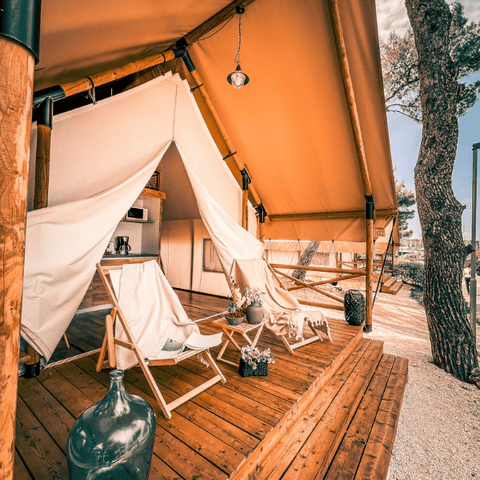
Camping in a tent can be one of the most rewarding outdoor experiences—but it can also be uncomfortable if you’re not prepared. Imagine waking up feeling rested, cozy, and ready to enjoy the day, no matter the weather outside.
That’s exactly what you’ll learn in this guide. You’ll discover simple tips and tricks to turn your basic tent setup into a comfortable, inviting space where you can relax and recharge. Whether you’re a beginner or a seasoned camper, these easy steps will help you enjoy your time outdoors like never before.
Keep reading, and get ready to make your next camping trip truly comfortable.

Credit: www.youtube.com
Choosing The Right Tent
Camping comfortably starts with picking the right tent. The right tent keeps you safe and dry.
Think about where and when you will camp. This helps you choose the best tent for your needs.
Types Of Tents
Tents come in many shapes and styles. Each type suits different camping styles.
- Dome tents are easy to set up and good for most conditions.
- Cabin tents offer more space and stand tall inside.
- Backpacking tents are light and compact for hiking trips.
- Pop-up tents open quickly and are good for short trips.
Size And Capacity
Choose a tent size that fits all campers and gear. Too small feels cramped. Too large can be heavy.
| Number of People | Recommended Tent Size |
| 1-2 | 2-person tent |
| 3-4 | 4-person tent |
| 5-6 | 6-person tent |
| More than 6 | Look for family or group tents |
Seasonal Considerations
Pick a tent that matches the weather you expect. Some tents work best in certain seasons.
- 3-season tents work well in spring, summer, and fall.
- 4-season tents are stronger for winter and harsh weather.
- Rainfly coverage is important for wet weather.
- Ventilation helps in hot weather to reduce condensation.
Selecting A Campsite
Picking the right spot to pitch your tent makes camping more comfortable. A good campsite keeps you safe and dry.
Consider the land, weather, and privacy before setting up your tent. These factors help you enjoy your outdoor stay.
Terrain And Ground Conditions
Look for flat, even ground to pitch your tent. Uneven terrain can cause discomfort while sleeping.
Avoid rocky, wet, or sandy areas. Hard or soft ground makes it hard to secure tent stakes firmly.
- Choose ground free of sharp rocks and sticks
- Pick a dry area to avoid water pooling
- Firm soil helps hold tent pegs tightly
- Clear debris before pitching your tent
Shelter From Wind And Weather
Find a spot protected from strong winds. Wind can make your tent cold and noisy.
Look for natural barriers like trees or hills that block wind. Avoid low spots that collect rainwater.
- Set up near bushes or trees for wind protection
- Avoid ridges or open areas with high wind exposure
- Check weather forecast before choosing your site
- Choose higher ground to prevent flooding
Safety And Privacy
Pick a campsite away from hazards like cliffs, rivers, or unstable trees. Safety is important for a good camping experience.
Choose a site that offers privacy from other campers. This helps you relax and enjoy nature quietly.
- Avoid areas with signs of animal activity
- Stay clear of steep slopes and loose rocks
- Find a spot hidden by trees or bushes for privacy
- Camp at least 200 feet away from water sources
Tent Setup Tips
Camping can be a fun and relaxing adventure. Ensuring comfort in your tent starts with proper setup.
Follow these tips to make your tent as cozy as possible. Pay attention to ground level, stakes, and rainfly.
Leveling The Ground
Choose a flat area to pitch your tent. This helps avoid sleeping on a slope.
- Remove rocks and sticks from the surface.
- Use a ground tarp for extra comfort.
- Adjust tent position until it feels level.
Proper Stake Placement
Stakes keep your tent stable in windy conditions. They are essential for safety and comfort.
Insert stakes at a 45-degree angle for better grip. Ensure each corner is tightly secured.
Securing The Rainfly
The rainfly keeps you dry in wet weather. It’s crucial to secure it properly.
| Rainfly Part | Action |
| Top | Cover the tent completely |
| Side Straps | Clip tightly to tent poles |
| Guy Lines | Stake out for tension |
Sleeping Comfort
Sleeping well is important for a good camping trip. A comfortable sleep helps you enjoy your outdoor adventure more.
Here are tips to make your sleep in a tent cozy and restful.
Choosing The Right Sleeping Bag
Pick a sleeping bag that fits the weather. Look for bags with proper insulation for cold or warm nights.
Check the size and shape for comfort. A bag that is too tight or too loose can make you cold or uncomfortable.
- Use down bags for dry, cold weather
- Synthetic bags work well in wet conditions
- Choose mummy shapes for warmth
- Rectangular bags offer more room to move
Using Sleeping Pads And Air Mattresses
Sleeping pads add cushioning and keep you off the cold ground. They improve comfort and insulation.
Air mattresses give extra softness. Pump them up to your desired firmness before bedtime.
- Foam pads are lightweight and durable
- Inflatable pads offer more comfort but need care
- Air mattresses are best for car camping
- Use a pad or mattress that fits your tent size
Pillows And Blankets
Bring a small pillow or use a stuff sack filled with clothes for neck support. Proper head support helps you sleep better.
Extra blankets can add warmth on cold nights. Layer them to adjust your comfort level.
- Choose compact camping pillows for easy packing
- Use fleece or wool blankets for better warmth
- Keep blankets dry by storing them in a waterproof bag
Temperature Control
Camping in a tent means dealing with changing temperatures. Keeping warm or cool helps you sleep well and enjoy your trip.
Controlling the temperature inside your tent needs simple tricks. Use air flow, safe heat sources, and good clothing to stay comfortable.
Ventilation Techniques
Good airflow stops your tent from getting too hot or cold. Open vents and windows to let fresh air in and moisture out.
- Keep tent doors slightly open at night for air circulation.
- Use mesh panels to block bugs but allow air to pass.
- Set up your tent where wind can pass through easily.
- Avoid blocking vents with gear or sleeping bags.
Using Tent Heaters Safely
Tent heaters add warmth but can be dangerous. Use only heaters made for indoor or tent use and follow rules to stay safe.
| Safety Tip | Explanation |
| Ventilation | Keep a vent open to avoid carbon monoxide buildup. |
| Heater Type | Choose heaters with automatic shut-off if tipped over. |
| Distance | Place heater away from tent walls and flammable items. |
| Fuel | Use only recommended fuel and store it outside the tent. |
| Supervision | Never leave a heater on while you sleep or leave the tent. |
Layering Clothing For Warmth
Wear layers to keep warm in cold weather. Layers trap heat and let you adjust to changing temperatures.
- Base layer: Wear a thin, moisture-wicking shirt.
- Middle layer: Add an insulating fleece or wool sweater.
- Outer layer: Use a windproof and waterproof jacket.
- Don’t forget warm socks, hats, and gloves.
- Remove or add layers to stay comfortable.
Organizing The Interior
Setting up a tent is not just about pitching it. Organizing the inside helps you camp in comfort. A tidy space makes your stay more pleasant and safe.
Good organization means easy access to your things and a cozy place to rest. Let’s look at some ideas to keep your tent neat and functional.
Storage Solutions
Use storage pockets and bins to keep items off the floor. This saves space and stops clutter. Hanging organizers on tent walls work well for small things.
Keep your clothes in sealed bags or soft containers. This keeps them clean and easy to find. Try folding clothes tightly to save room.
- Use mesh pockets for quick access
- Stackable bins hold larger items
- Hooks or clips can hang bags or lanterns
- Label containers for easy finding
Keeping Gear Dry And Accessible
Keep wet or dirty gear away from sleeping areas. Use waterproof bags or bins to protect your items. Store shoes and rain gear near the entrance.
Make sure your gear is easy to reach. Organize by use so you can grab what you need fast. Dry bags are great for electronics and food.
- Place wet items in a separate container
- Use water-resistant bags for important gear
- Keep heavy gear at the tent’s edge
- Label bags for quick access
Lighting Options
Good light helps you find things and feel safe at night. Use battery-powered lanterns or string lights for soft, even lighting. Headlamps keep your hands free.
Place lights near entrances and work areas. Avoid bright lights that disturb others. Solar lamps can charge during the day and light your tent at night.
- Battery lanterns for central lighting
- String lights for cozy atmosphere
- Headlamps for hands-free tasks
- Solar lamps save battery power
Personal Comfort Enhancements
Camping in a tent can be cozy and pleasant with a few comfort tips. Making small changes can improve your camping experience.
This guide covers ways to add comfort with the right furniture, temperature tools, and noise control.
Camping Chairs And Furniture
Bringing comfortable chairs and furniture helps you relax around the camp. Look for lightweight, foldable options that are easy to carry.
- Choose chairs with good back support
- Bring a small table for meals and games
- Use cushions or blankets for extra softness
- Select furniture made of weather-resistant materials
Portable Fans And Heaters
Temperature control inside your tent makes a big difference. Portable fans keep air moving during hot days.
Heaters provide warmth on chilly nights. Always check safety guidelines before use to avoid accidents.
| Device | Best Use | Power Source |
| Battery-powered fan | Hot weather | Batteries |
| Rechargeable fan | Warm days | USB charge |
| Propane heater | Cold nights | Propane gas |
| Electric heater | Cold weather | Electricity |
Noise Reduction Tips
Keeping noise low helps you sleep better and enjoy nature’s sounds. Use these tips to reduce noise inside and outside your tent.
- Choose a quiet campsite away from busy trails
- Use earplugs to block unwanted sounds
- Keep tent zippers closed to reduce noise
- Place rugs or mats to soften footsteps
- Avoid loud talking and music near your tent

Credit: www.treelinereview.com
Maintaining Cleanliness
Keeping your tent area clean helps you enjoy camping more. It also keeps you safe and healthy. Dirt, bugs, and trash can make camping uncomfortable.
Simple habits can keep your space tidy and fresh. This guide covers managing trash, keeping bugs out, and caring for your tent.
Managing Trash
Always bring bags to collect your trash. Do not leave food wrappers or cans around. This stops animals from coming near your tent.
- Use separate bags for recyclables and trash.
- Seal food waste in airtight bags.
- Carry all trash out with you when you leave.
- Pick up any trash you see nearby to keep the area clean.
Keeping Bugs Out
Bugs can spoil your camping experience. Use screens and seal tent openings to stop them from entering. Avoid strong scents that attract insects.
| Bug Prevention Tips | Description |
| Keep Tent Doors Closed | Open only when needed to reduce entry points. |
| Use Mosquito Nets | Install nets on windows and doors. |
| Store Food Properly | Keep food in sealed containers away from sleeping areas. |
| Apply Insect Repellent | Use on skin and around the tent’s exterior. |
Tent Cleaning And Care
Cleaning your tent after camping extends its life. Remove dirt and dry it before packing. Store your tent in a cool, dry place.
- Shake out dirt and leaves.
- Wipe down with a damp cloth.
- Spot clean stains with mild soap.
- Dry completely to avoid mold.
- Check zippers and seams for damage.

Credit: www.caryncanfly.com
Frequently Asked Questions
How Do I Choose The Best Tent For Comfort?
Select a tent with ample space, good ventilation, and weather resistance. Consider your camping style and group size for maximum comfort.
What Essential Gear Improves Tent Camping Comfort?
Use a quality sleeping pad, warm sleeping bag, and portable lighting. These items enhance sleep quality and convenience inside the tent.
How Can I Keep My Tent Clean And Dry?
Set up your tent on dry ground and use a footprint. Always air out your tent before packing to prevent moisture buildup.
What’s The Best Way To Regulate Temperature Inside A Tent?
Open vents and windows for airflow during warm weather. Use insulated sleeping gear and a tent heater cautiously in cold conditions.
Conclusion
Camping in a tent can be fun and cozy. Choose the right gear for comfort. Set up your tent in a safe, flat spot. Use soft sleeping pads and warm sleeping bags. Keep your area clean and organized. Small touches like pillows or lanterns help a lot.
Enjoy the fresh air and peaceful nature sounds. With these tips, your camping trip will feel easier and nicer. Rest well and make good memories outdoors. Camping comfortably is simple when you plan ahead. Try these ideas on your next adventure.